France:
Villages around Le Ventoux,
Part 1/2

Back to
main France page | Back to my
mountaineering/trekking/travel webpage
Le Ventoux is
an imposing massif with a famous white bare limestone summit, located north of
Avignon next to the northern edge of the Comtat Venaissin plain, a Papal territory between 1271 and 1791.
It is oriented east to west and is about 25km long and 10km wide. Neatly
separated from the Alpine chain located further north, it is also much higher
(1909m) than any of the surrounding foothills. So, it can be seen from very far
away and the panorama from the summit is one of the largest in Europe.
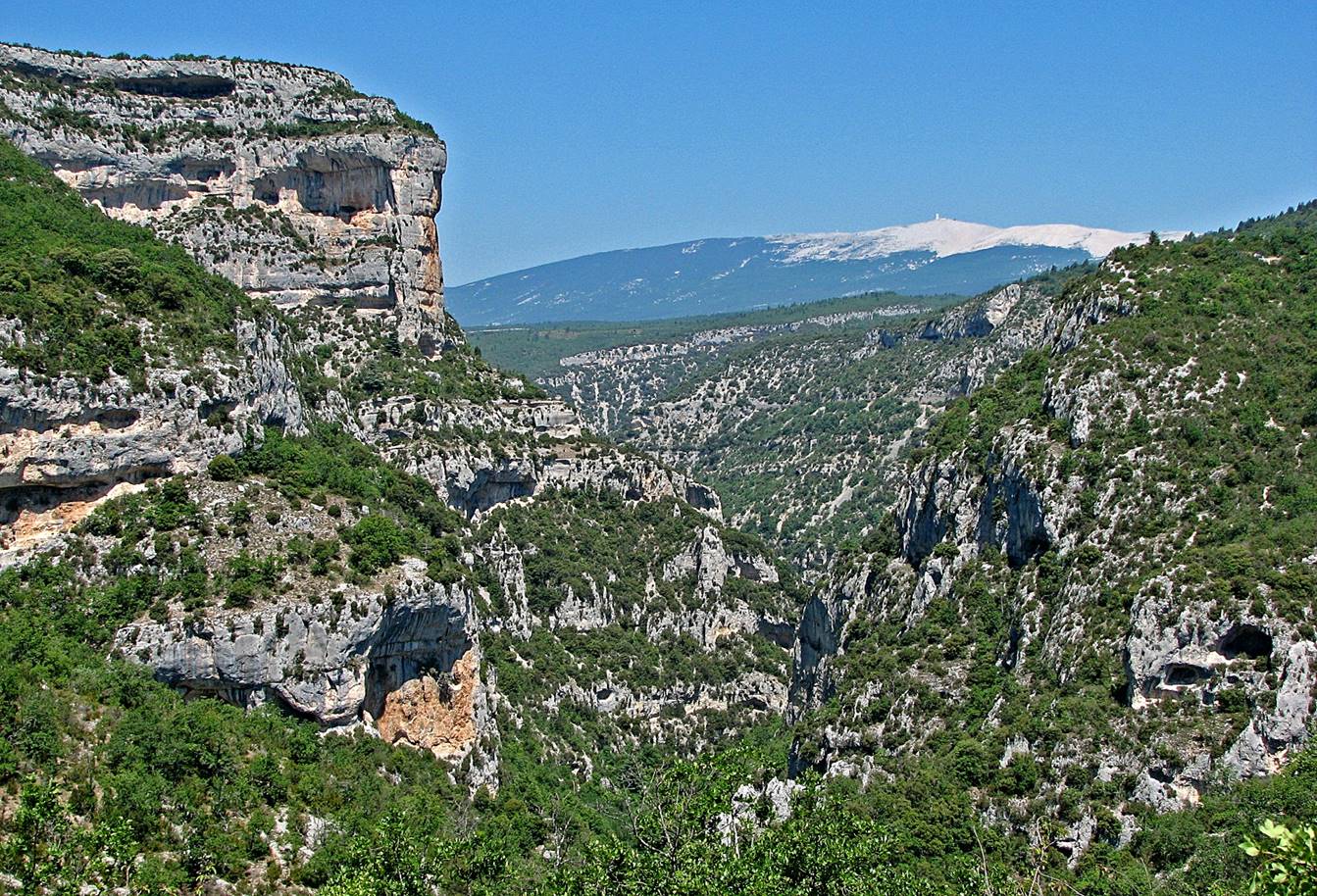
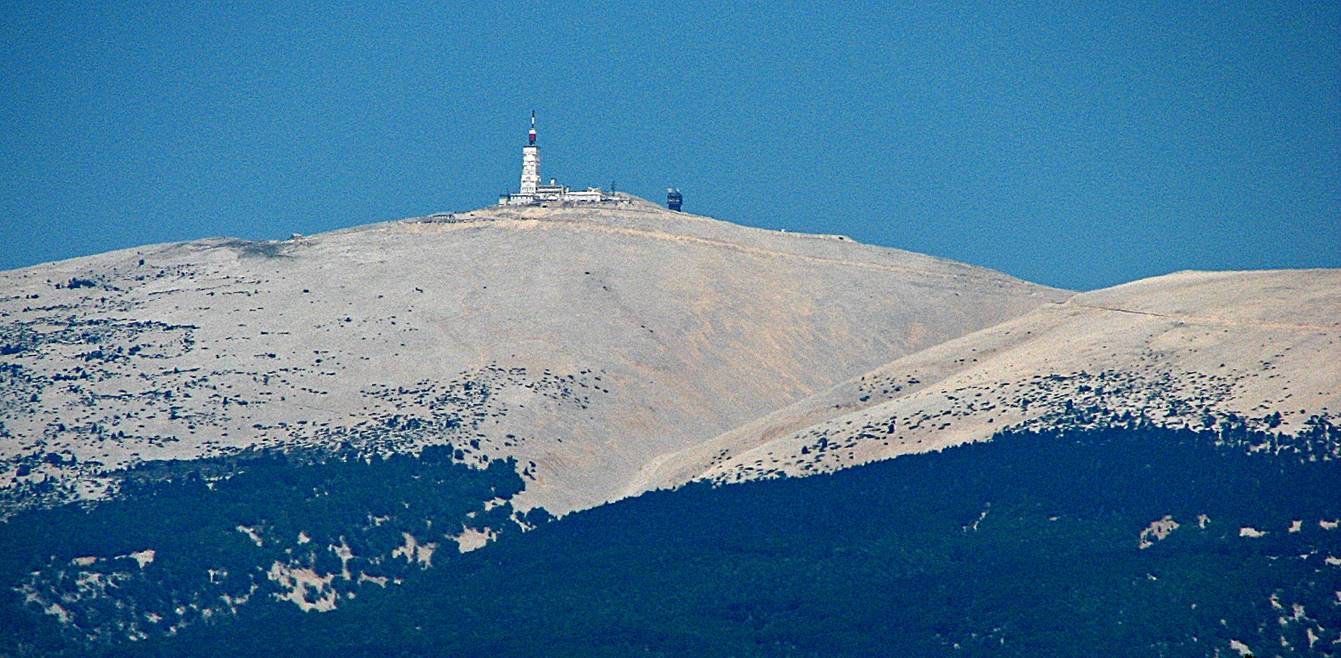
Le Ventoux and
its bald summit seen from the Gorge of the Nesque
River (photos taken in June 2010).
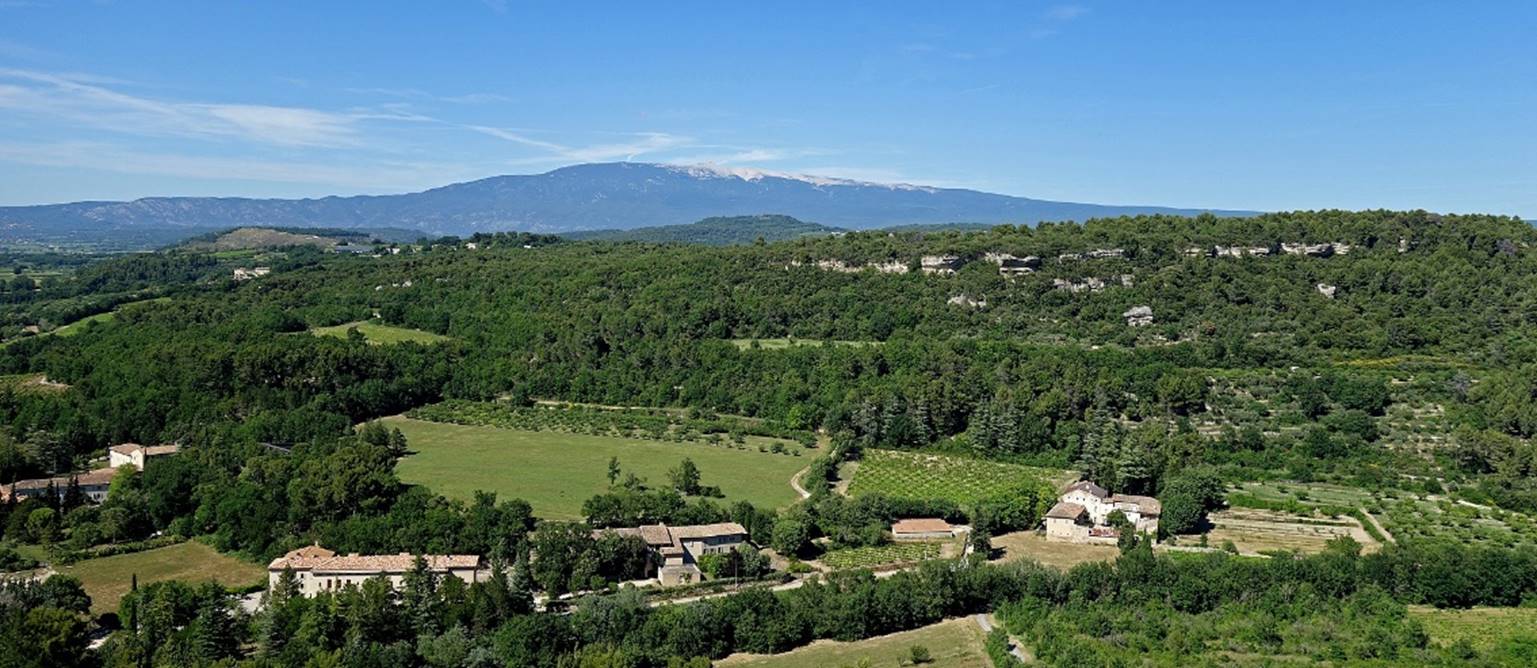
Le Ventoux
seen from the village of Venasque (photo taken in
June 2019).
Gorgeous medieval villages dot the
regions around Le Ventoux. Indeed, the region has a
rich and complex history that is rarely mentioned in the mainstream,
Paris-centric history of France. Excavations at multiple locations show that
the land has been inhabited since prehistoric times. Later came the Romans. But
the villages that we can see today have been fashioned during the Middle Ages,
when most of the castles and churches that still exist some have lost most of their were constructed. Repetitive invasions (Saracens,
Italians), fights among local lords, the Papal authority over the Comtat Venaissin, the French War
of Religions in the 16th century, epidemics (most notably the plague epidemic
of 1720-1722), the French revolution in the late 18th century, thriving
agriculture, and sheep farming have all contributed, for better or worse, to
the character of these villages. In the 19th and 20th centuries all these
villages have been hit hard by rural exodus and some have lost most of their
populations. But many are now recovering thanks to their production of
high-quality wines, fruits, vegetables, and aromatic plants, and to tourism.
Some are even thriving again. Old houses, buildings, and monuments that had
been abandoned decades ago have recently been nicely restored by local people,
municipalities, and outsiders. New people are moving in.
This page and the next (Villages
around the Ventoux, Part 2/2) show photos of some
of these villages.
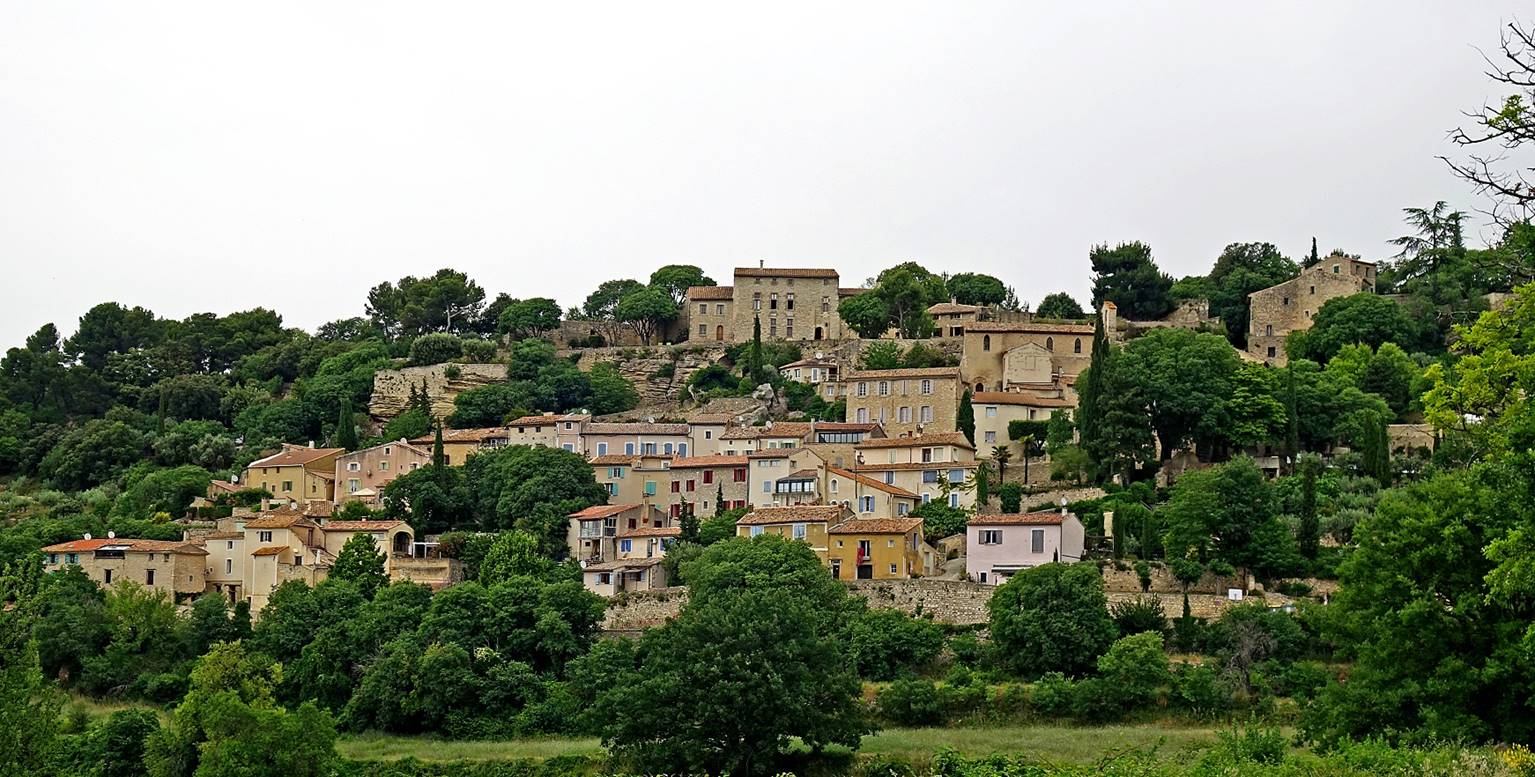
(June 2019) La Roque-sur-Pernes:
This village is built on a steep
hillside below the remains of a former castle. This castle was first erected
during the 11th century, reconstructed in the 16th century, and recently
remodeled into a hotel. In the middle of the village, the Church of Saint
Pierre and Saint Paul, built in the 11th century, is only reachable by a narrow
foot path. As mentioned above, like many other villages in the region, La
Roques-sur-Pernes was emptied by the rural exodus of
the 19th century and the first half of the 20th century. However, after the
Second World War, the village was repopulated by refugees called ″Banatais″. These were descendants of people from
Alsace and Lorraine, who had settled in the 18th century in a region called
Banat, then part of the Austrian Empire and currently shared between Romania,
Hungary, and Serbia. At the end of World War II these people, who were speaking
a German dialect, were considered Germans and jailed. Some eventually were able
to leave. About 20 families resettled in La Roque-sur-Pernes
in the 1950s.
- General view of the village. The
Church Saint-Pierre-et-Saint-Paul is visible at the center-right of the photo.
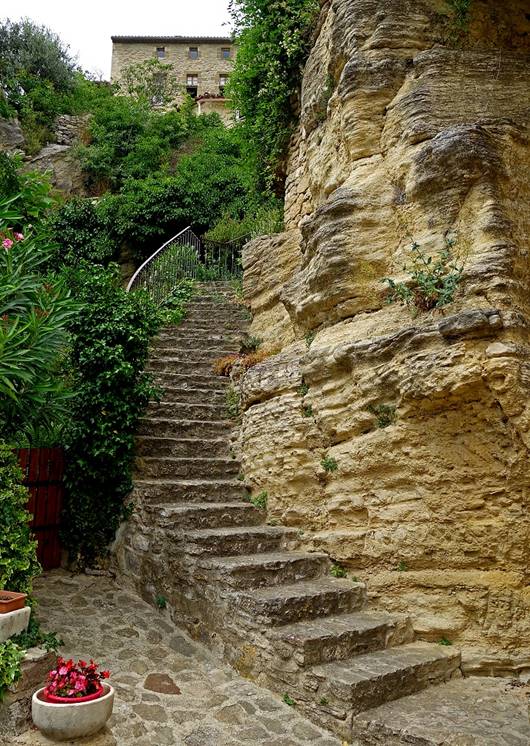
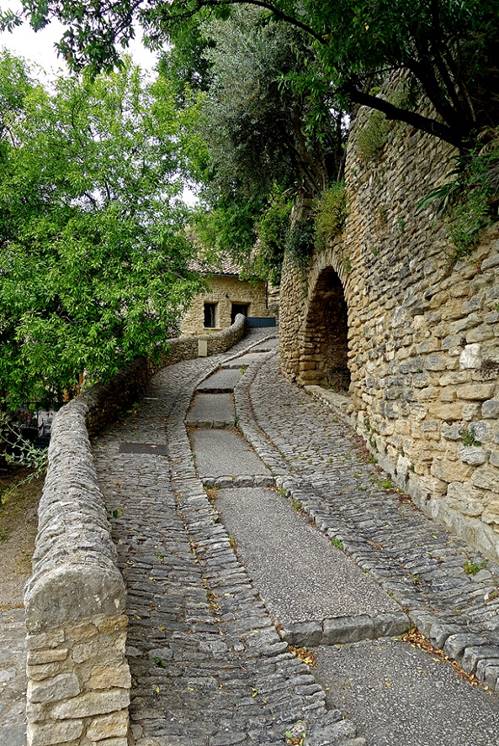
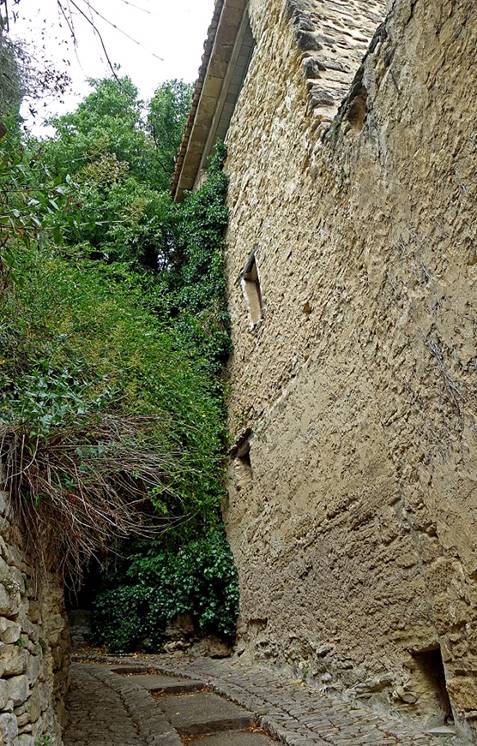
- Cobbled stairway and paths (called calades) inside the village.
|
|
|
|
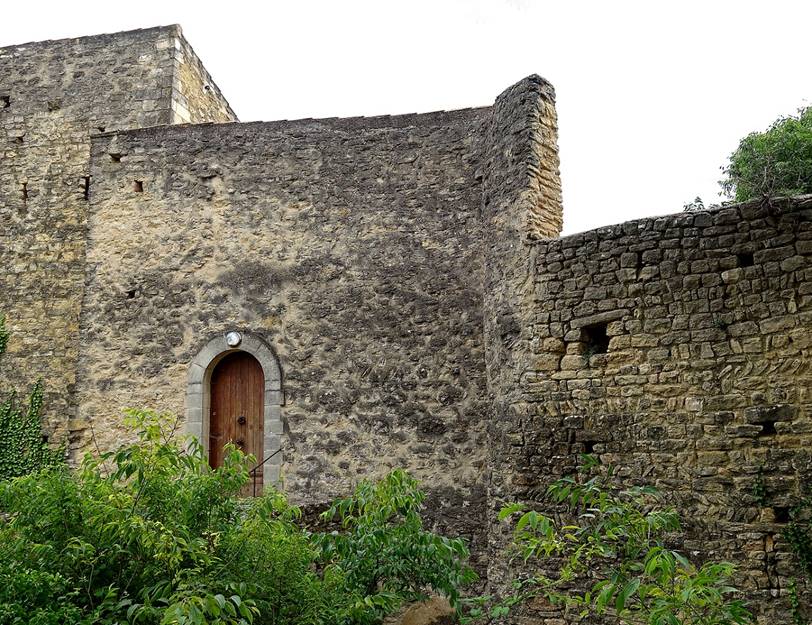
- Remains of the castle walls at the top
of the village.
|
|
|
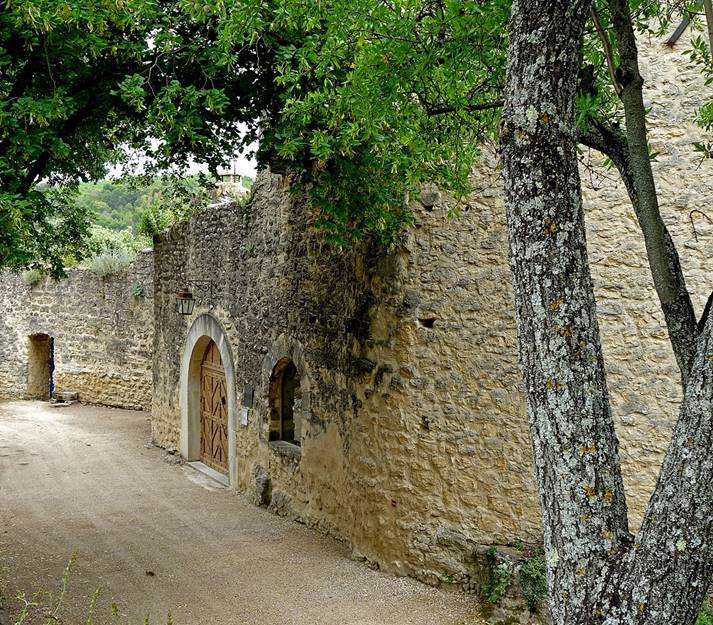
(June 2019) Le Beaucet:
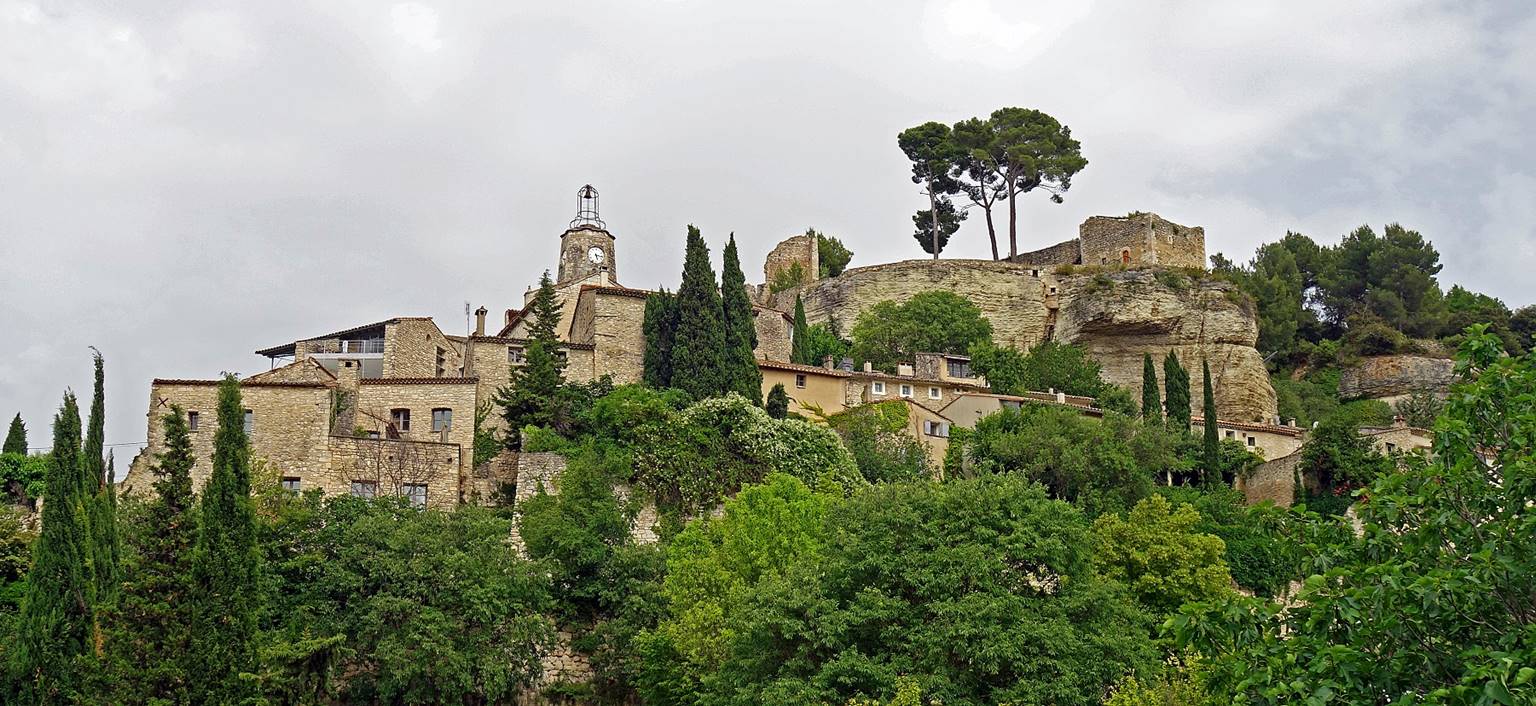
Located 1km from La Roque-sur-Pernes, this tiny village is built on a rocky outcrop below
the ruins of a medieval castle.
- View of the village.
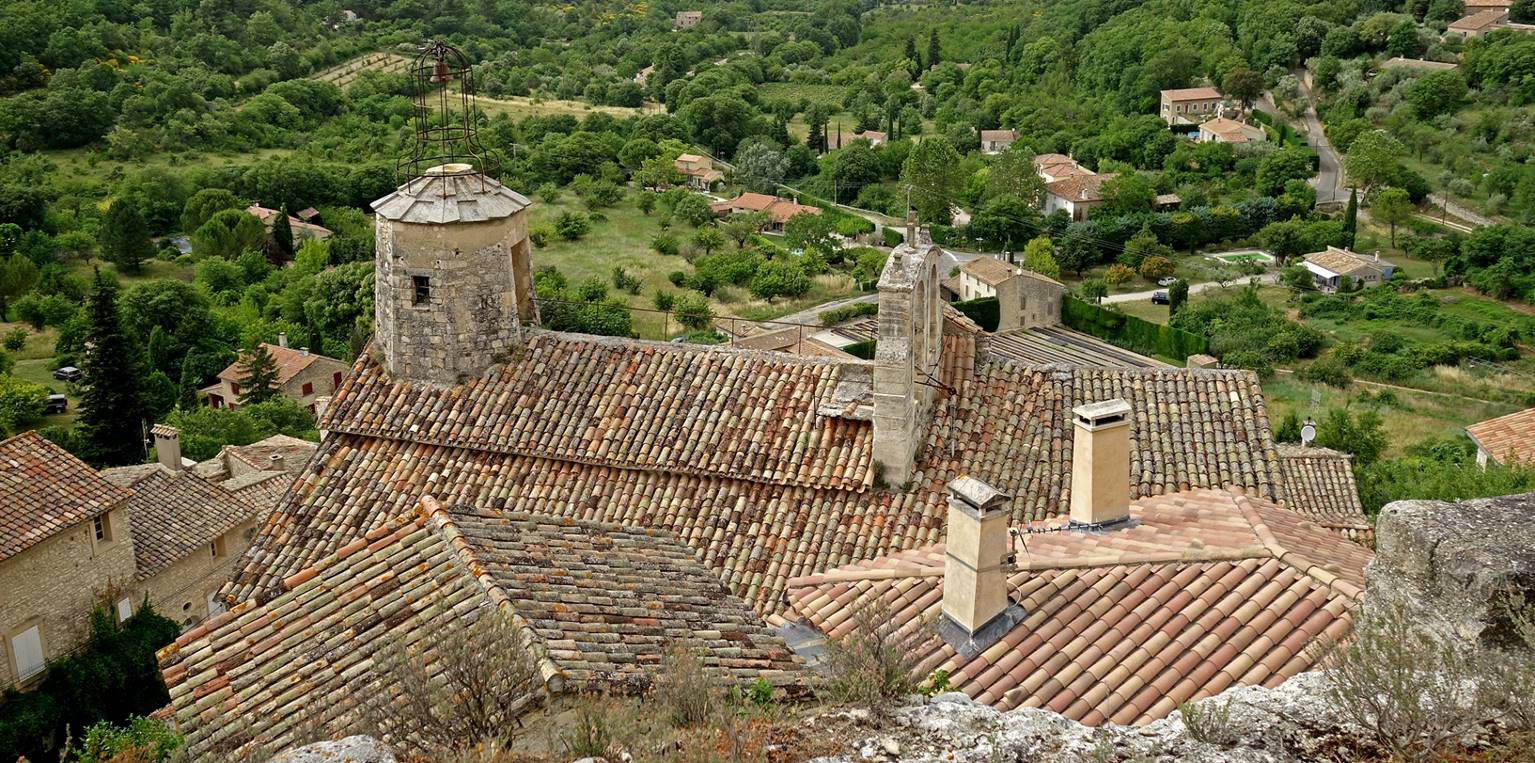
- Tiled roofs of the village seen from the
castle. Note the bell tower at the center left of the photo. The bell is hanged
in an open iron structure, called a campanile, rather than in a walled bell
tower.
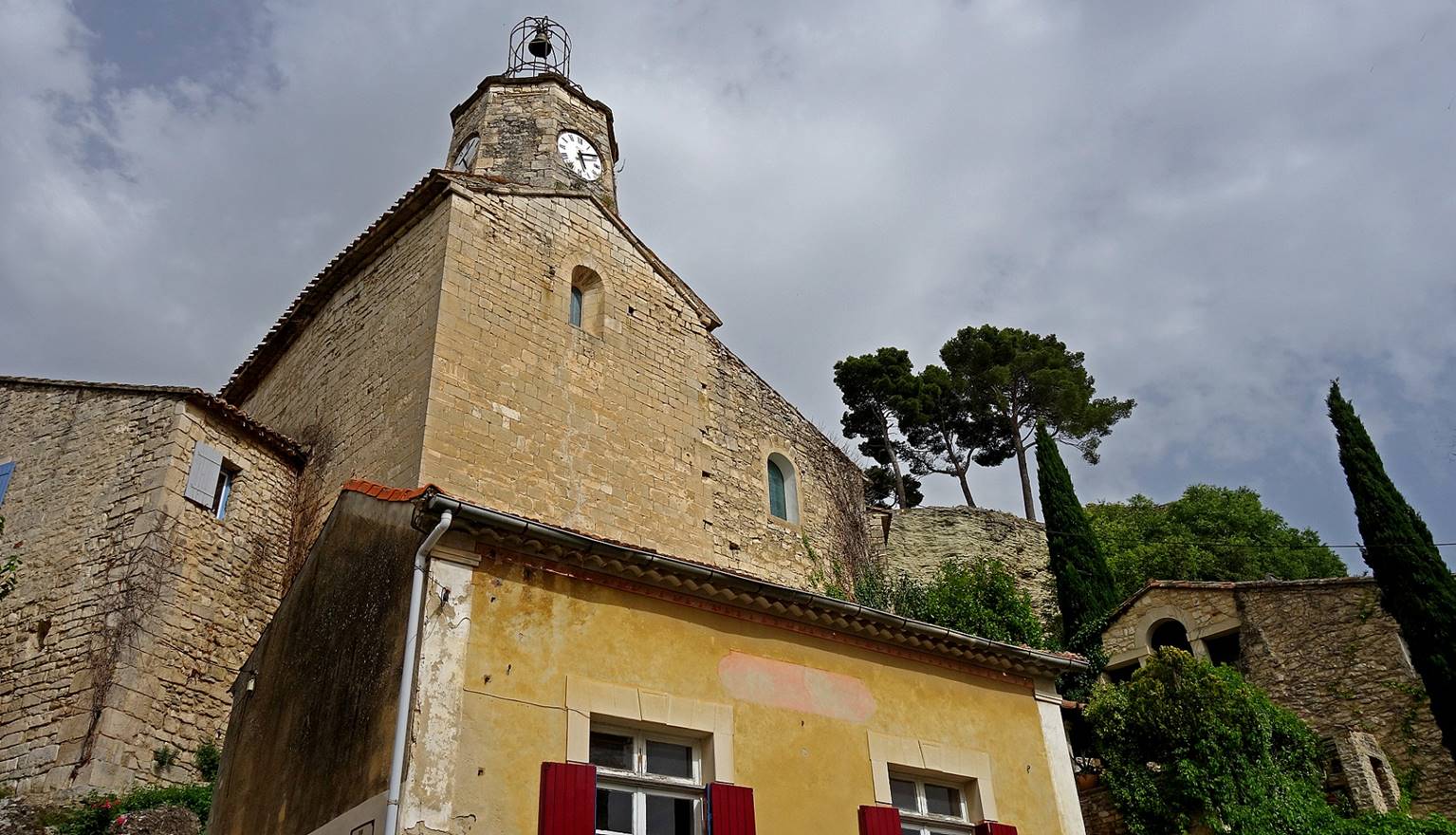
- Church and its campanile seen from the
bottom of the village.
(June 2019) Venasque:
In the middle ages, until 1320, Venasque was the capital of a region of Provence called the
Comtat Venaissin (the name Venaissin derived from the village′s name), which was
a possession of the Counts of Toulouse. This region was ceded to the Holy See
in 1271 and remained under pontifical authority until 1791, when it was
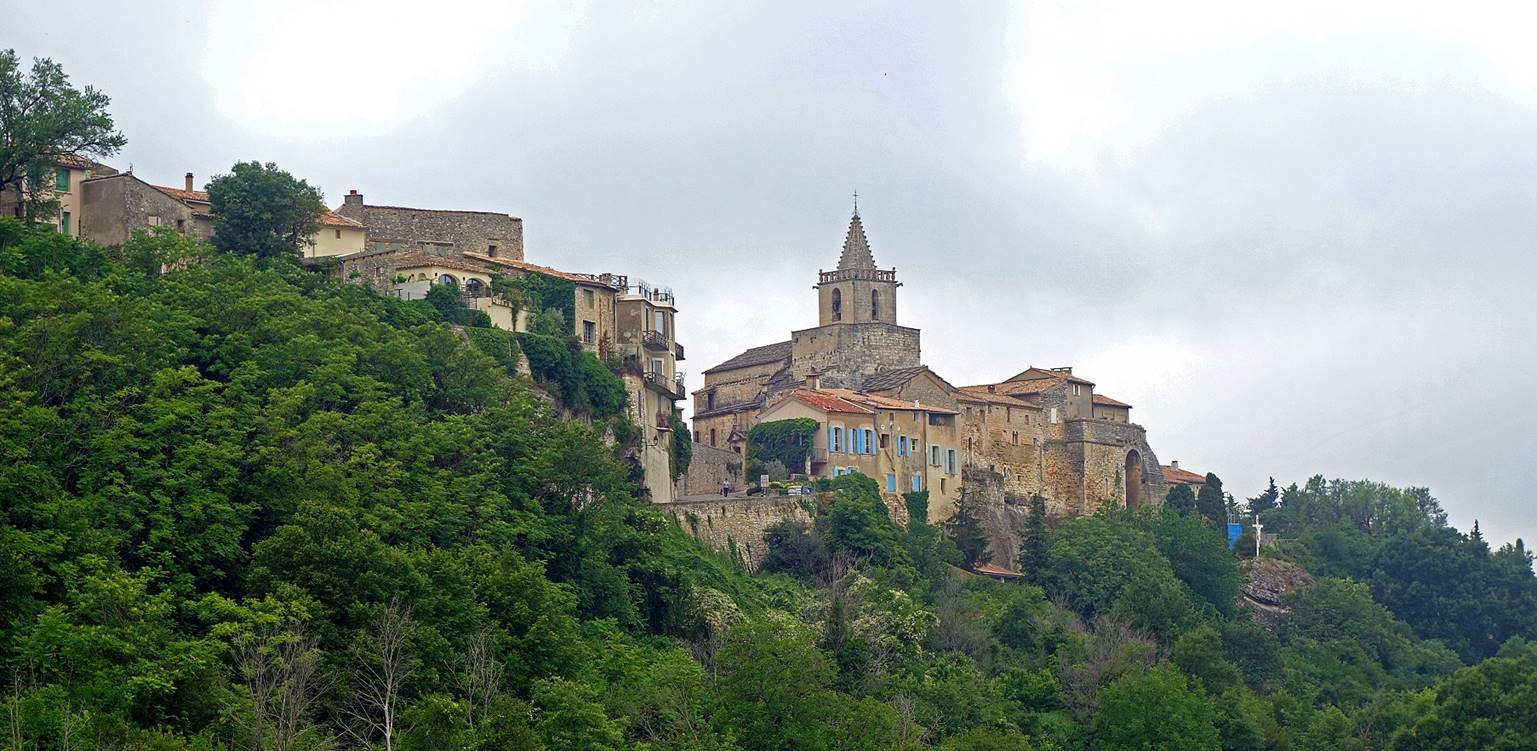
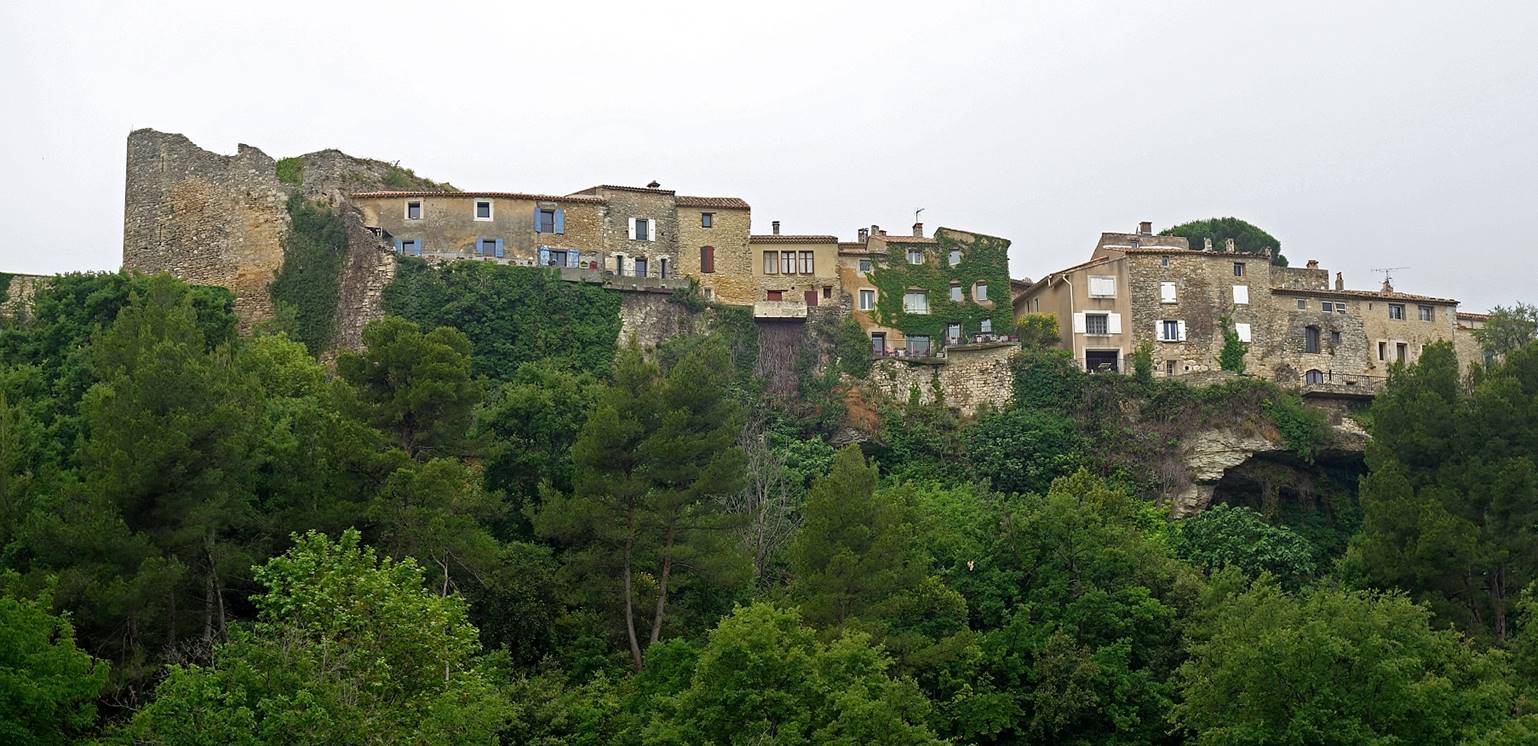
attached to France. Venasque stands on a limestone
ridge that forms a natural fortress with steep cliffs on all sides, except on
the southeast. The village is one of the best preserved and most beautiful in
the region.
- Views of the northeastern side of the
village.
- The Romanesque church Notre-Dame,
built in the 13th century, remodeled in the 17th and 18th centuries. The
Dentelles of Montmirail and the Crete de Saint Amand
are visible in the background, respectively at the center-right and on the
right of the first photo below.
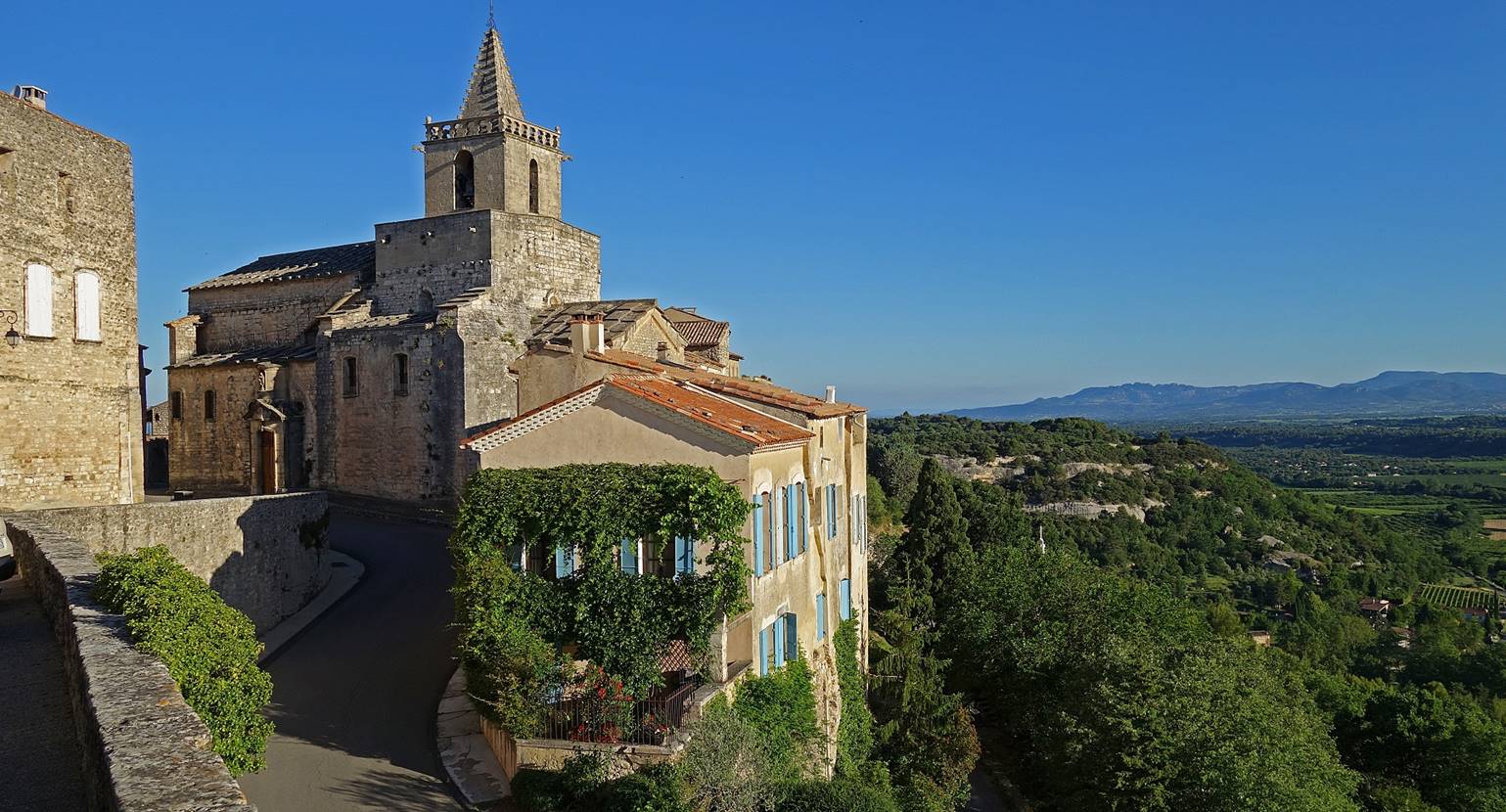
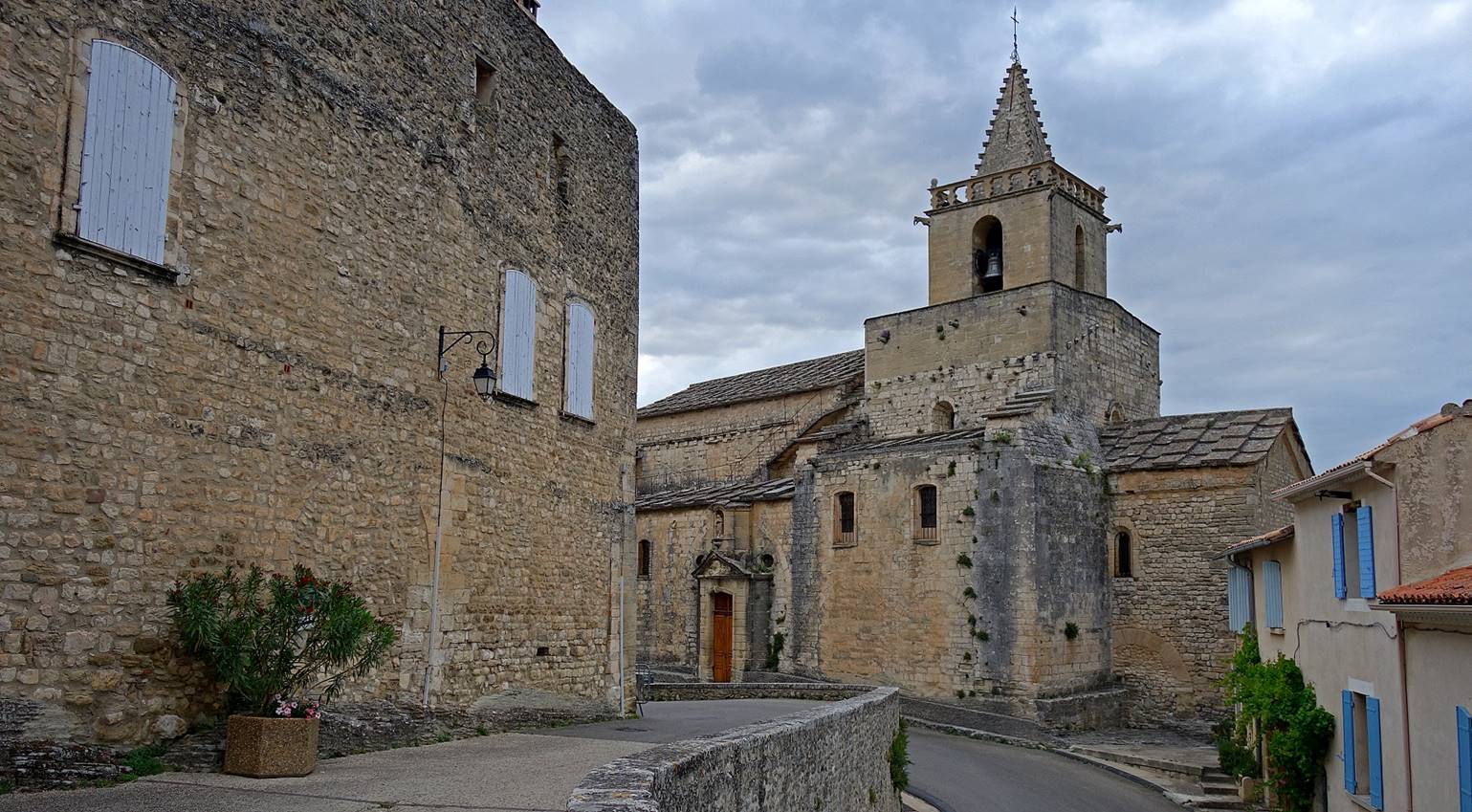
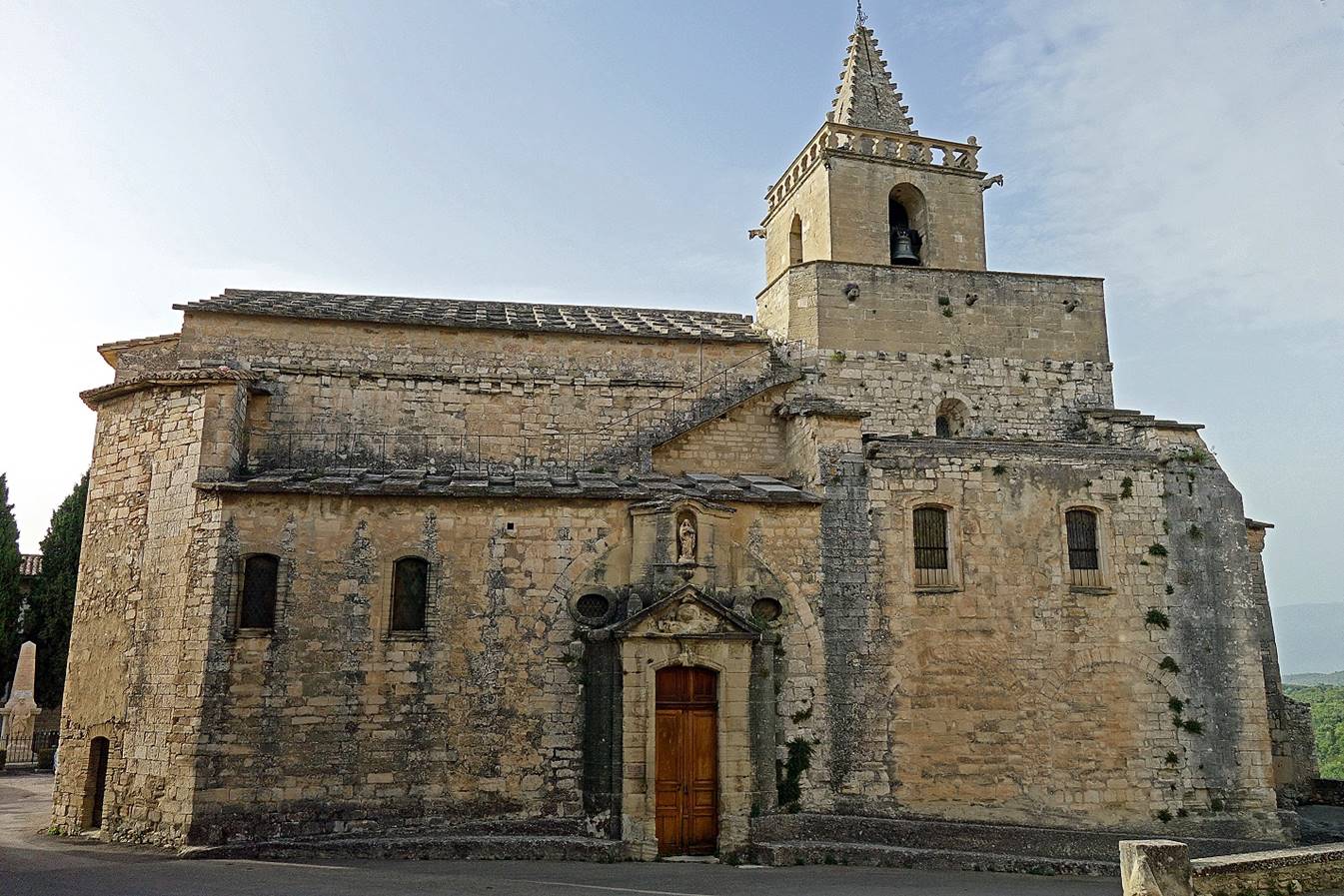
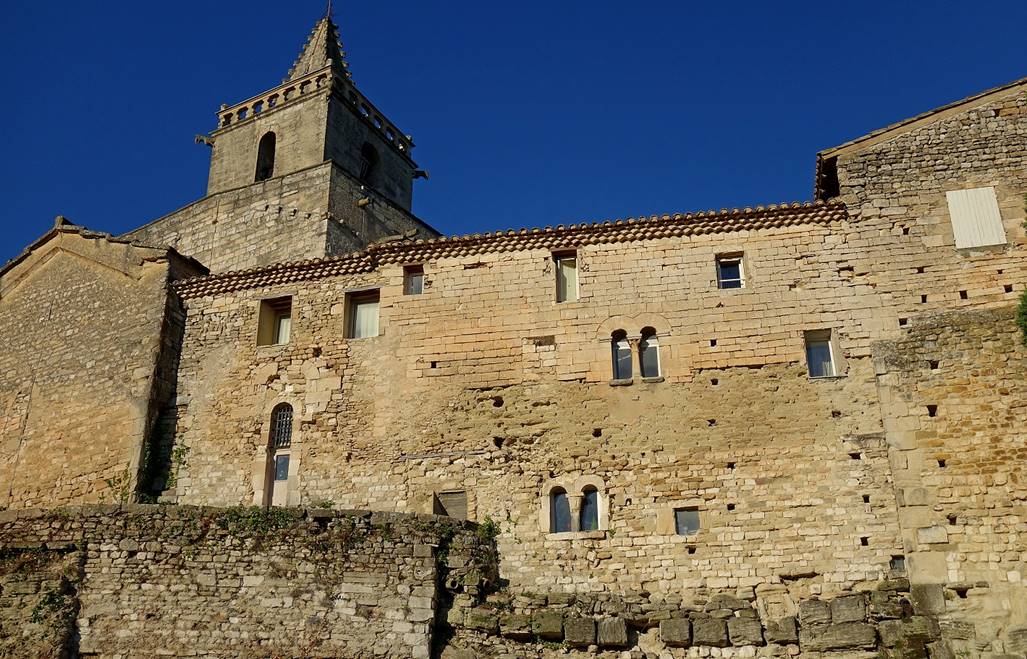
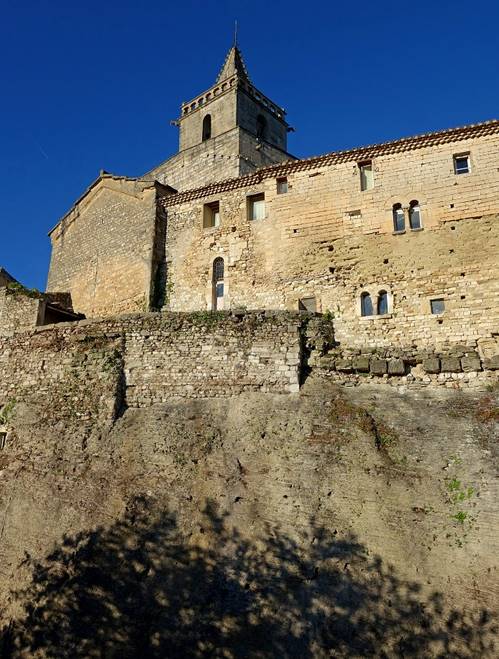
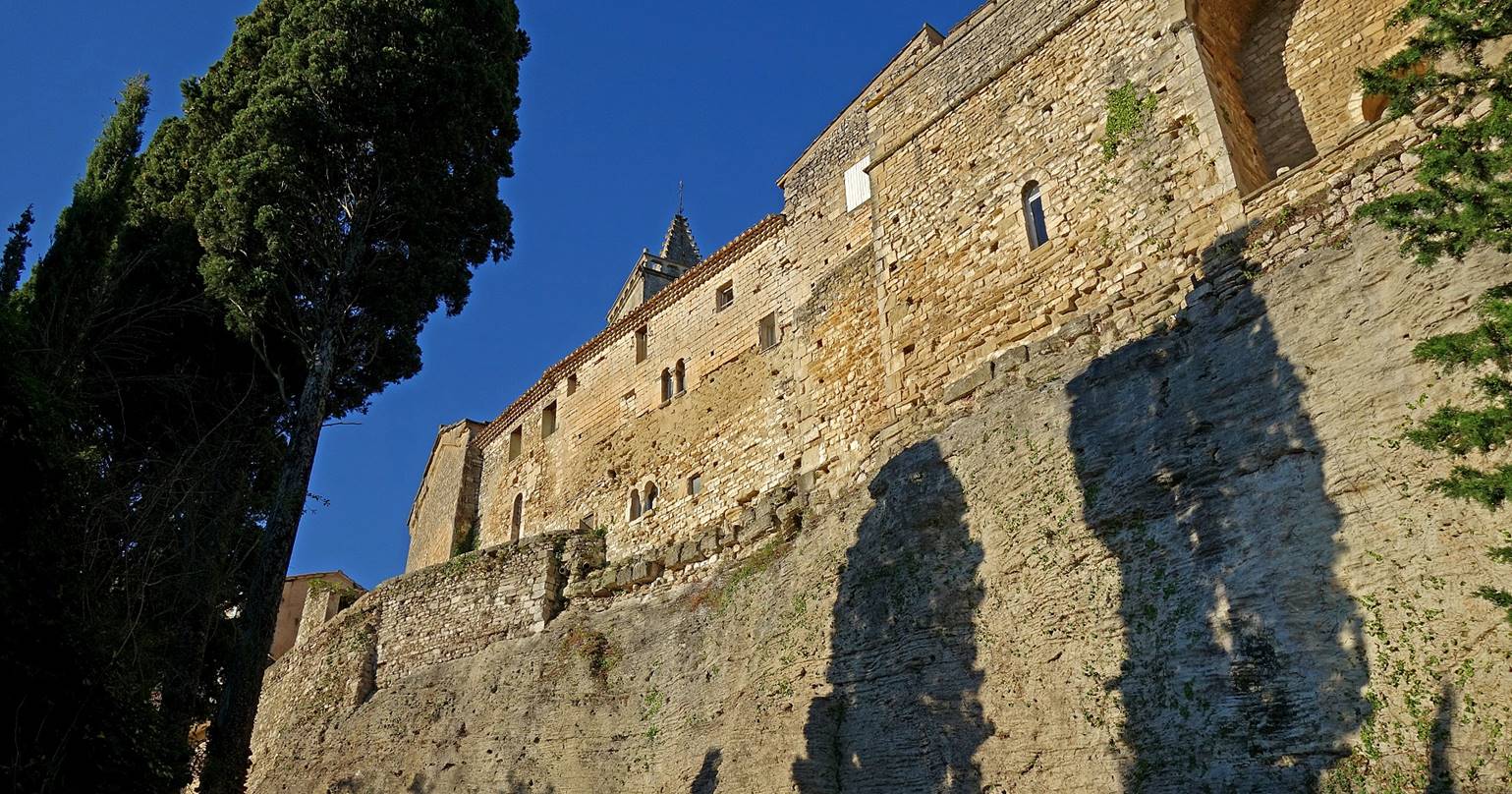
- Eastern facades of the Church
Notre-Dame and adjacent buildings erected right on the edge of the limestone
cliff.
|
|
|
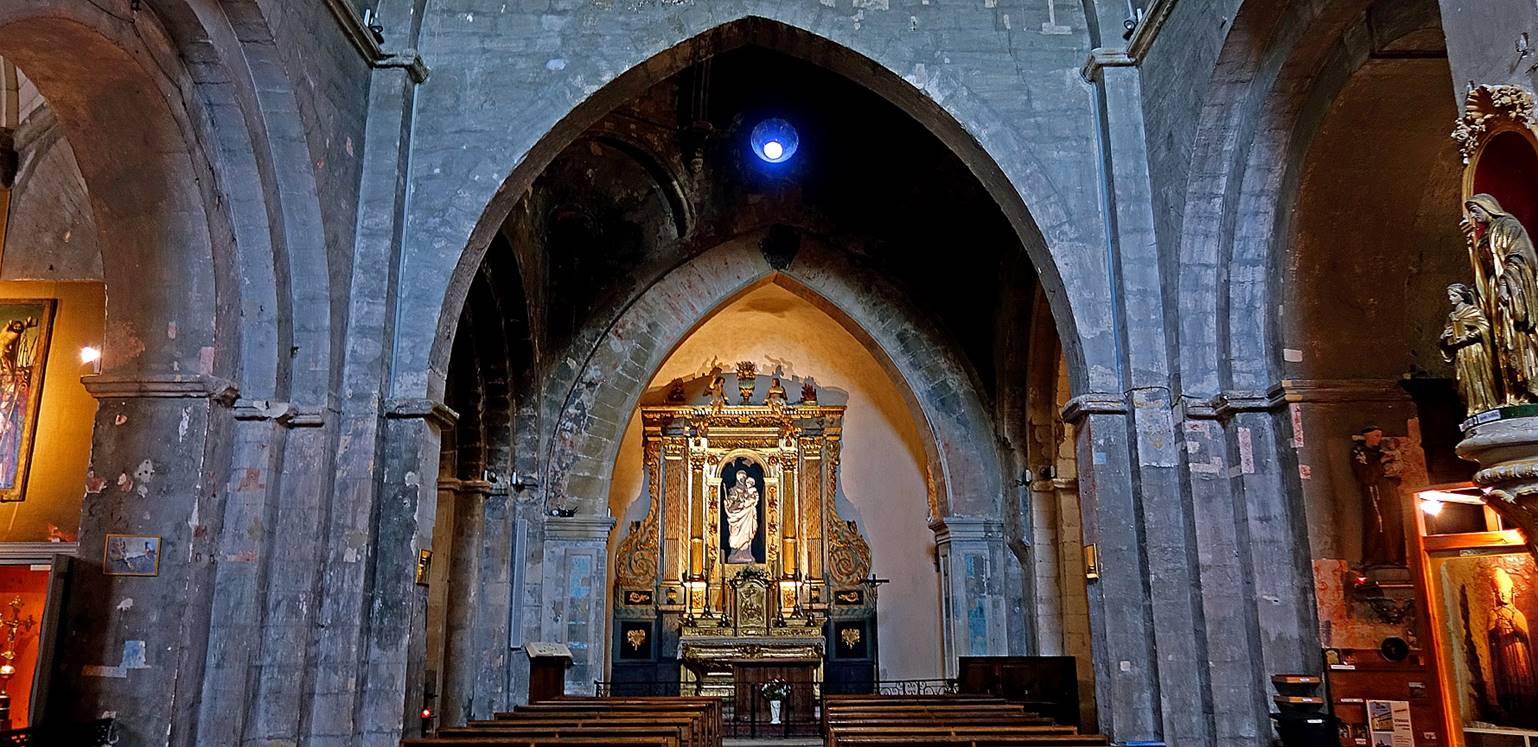
- Inside the Church Notre-Dame. The apse
is not aligned with the nave, perhaps because the 13th-century construction
reused parts of pre-existing building.
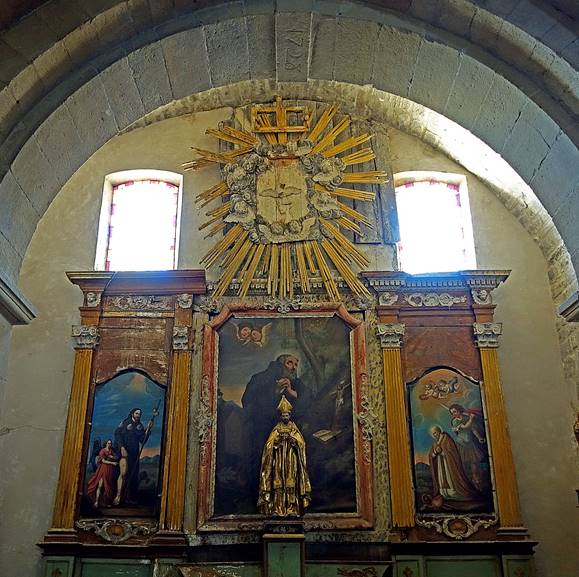
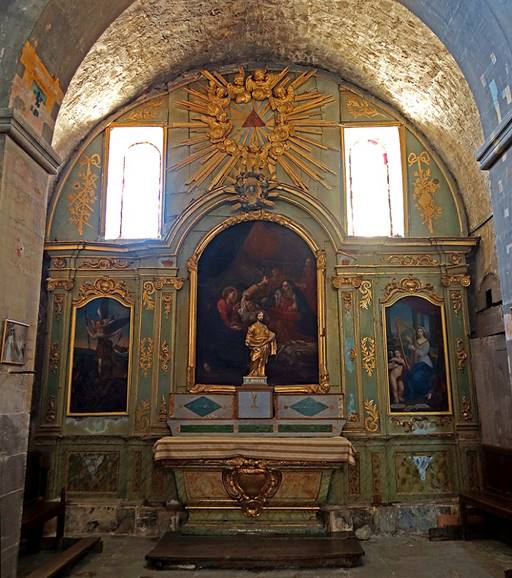
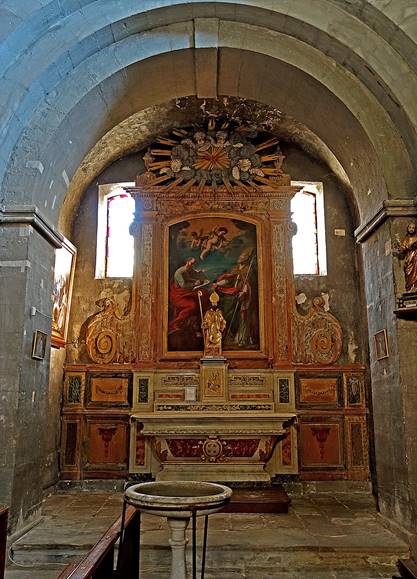
- Lateral chapels in the church.
|
|
|
|
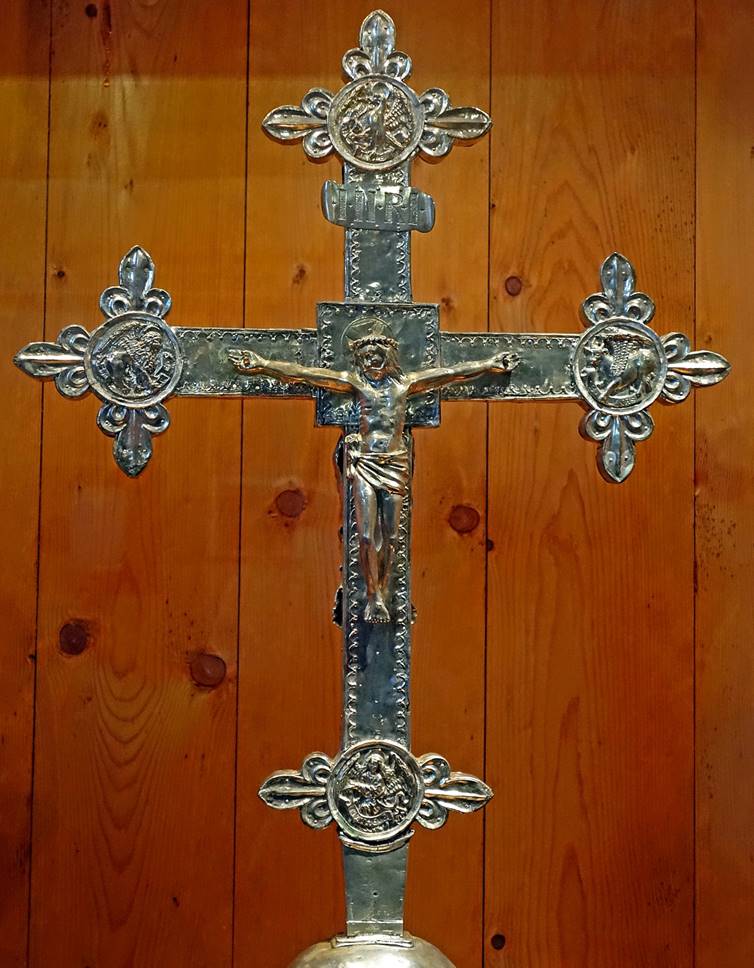
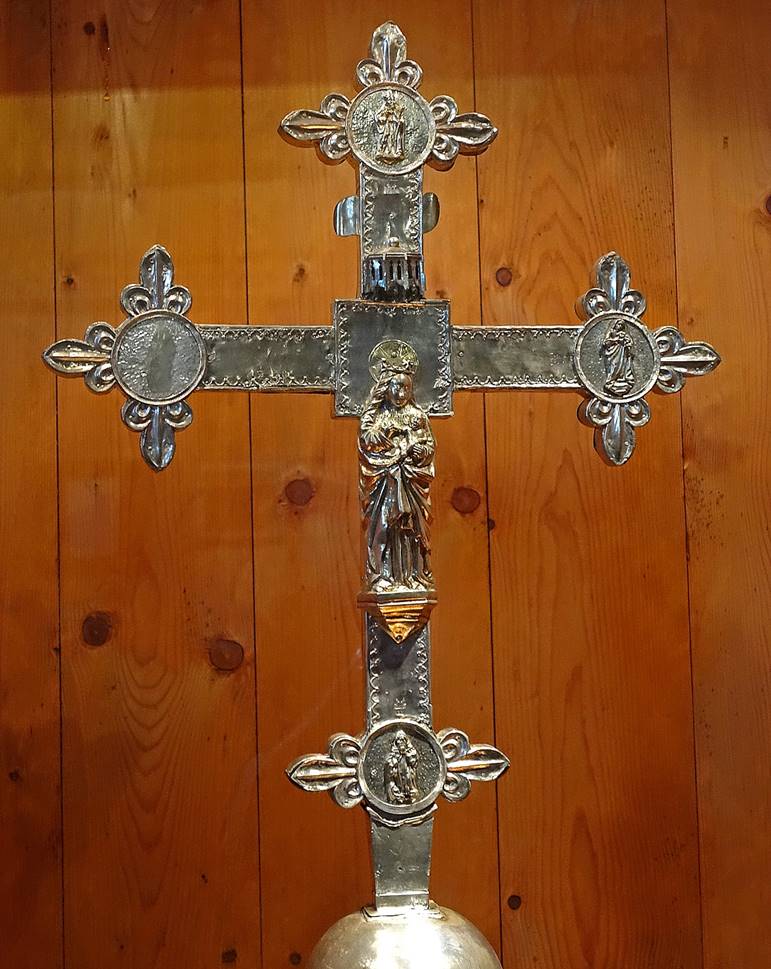
- 15th-century processional cross
exposed in the church. The two-sided cross is made of carved silver plated on
wood.
|
|
|
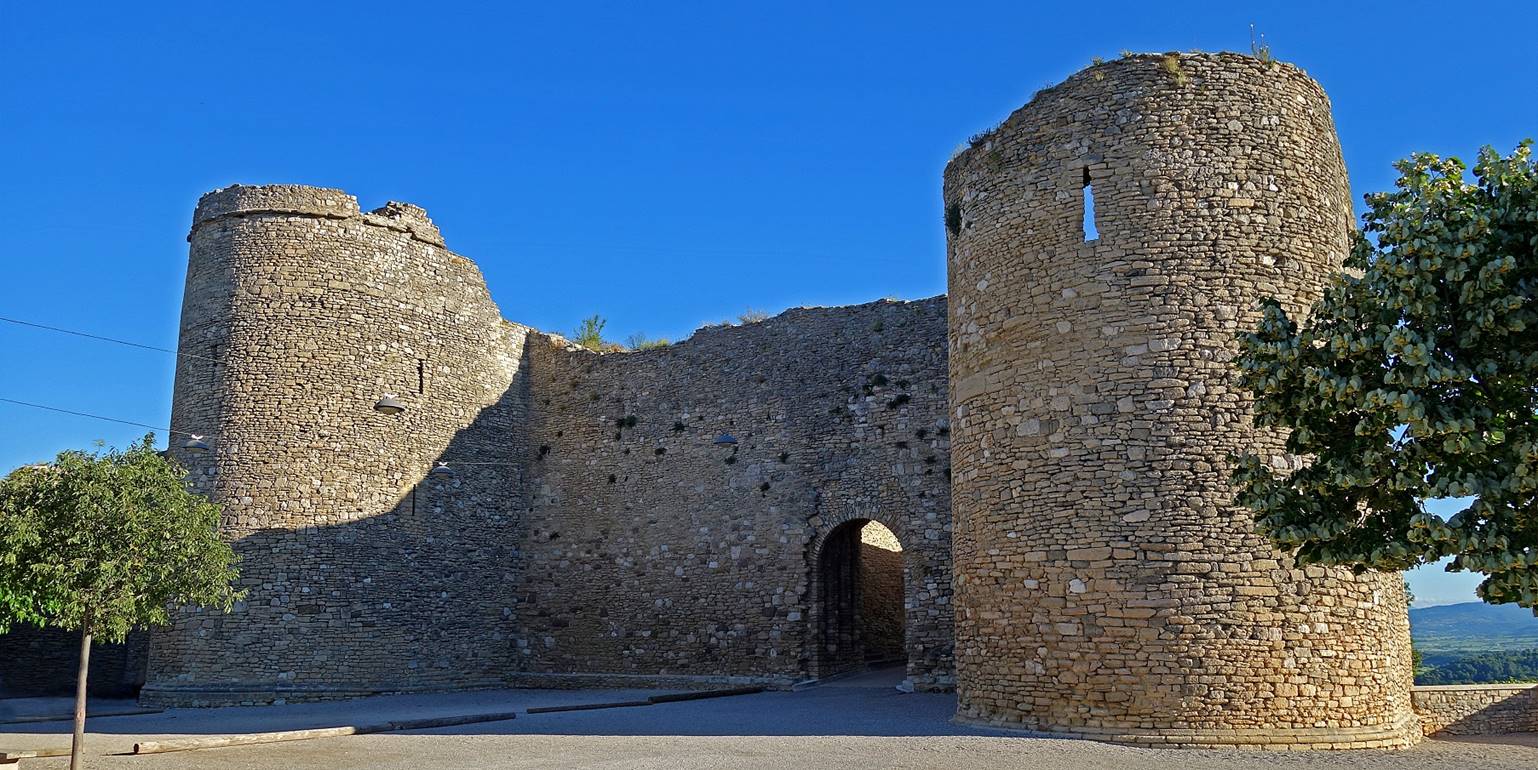
- Gate and
towers of the ramparts erected during the 11th and 12th centuries to protect
the southeastern side of the village, the only one that is not naturally
protected by steep cliffs.
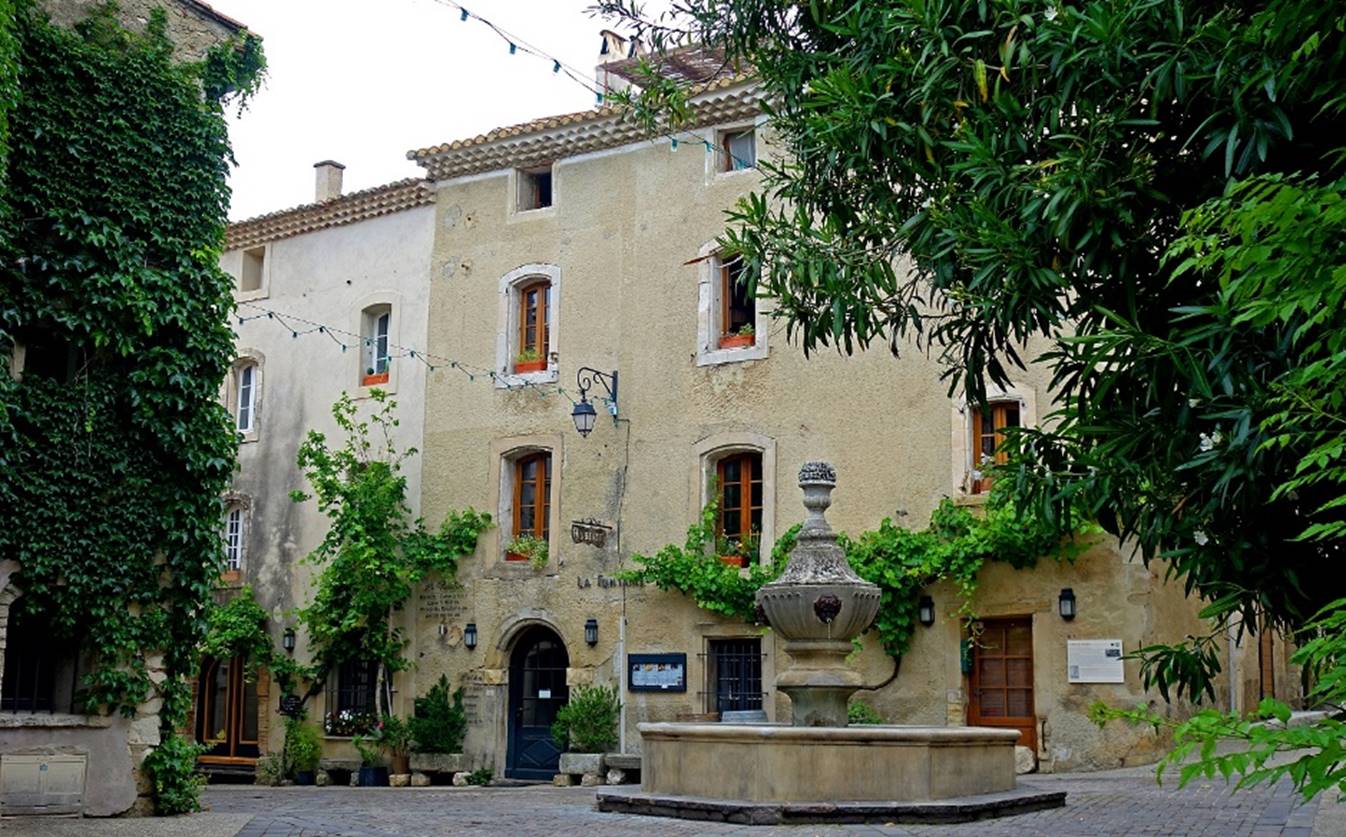
- Square with fountain in the middle of
the village.
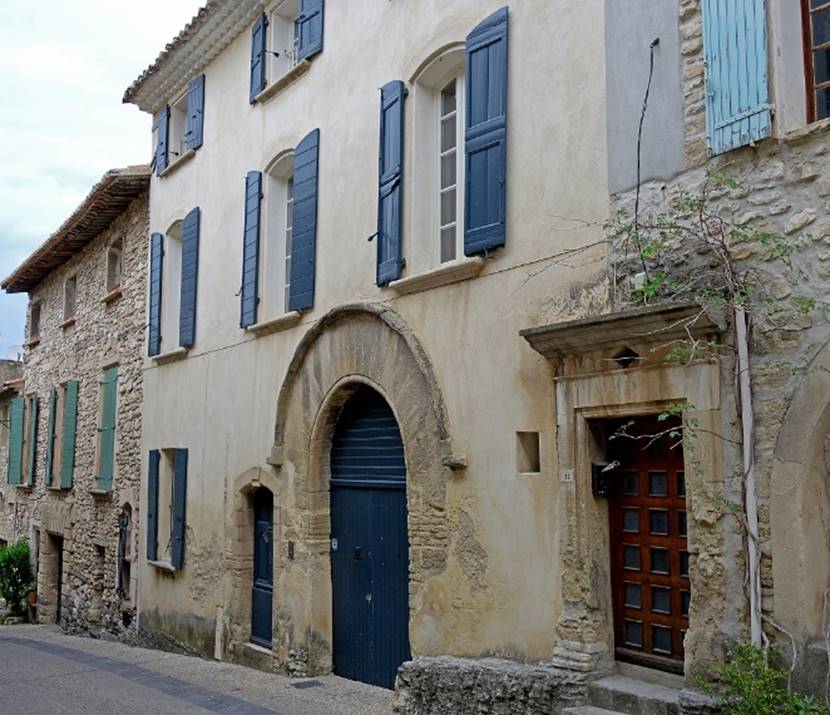
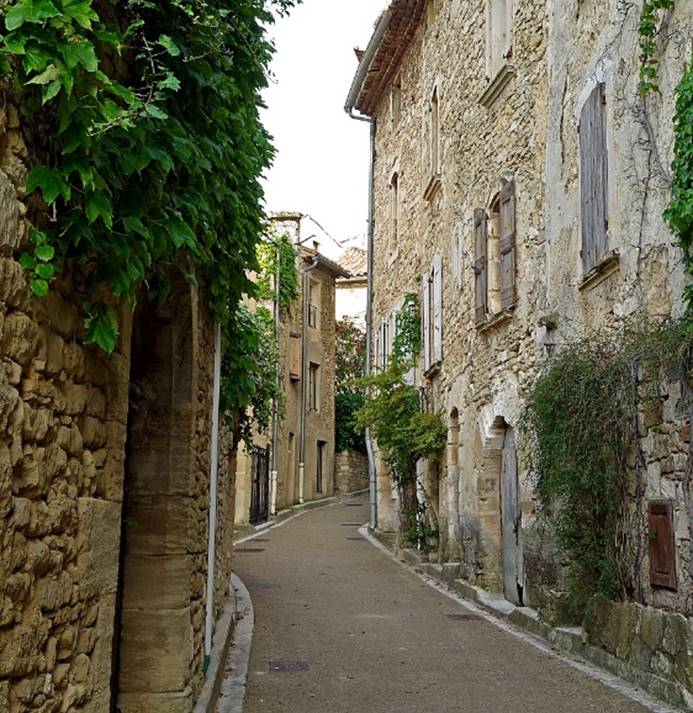
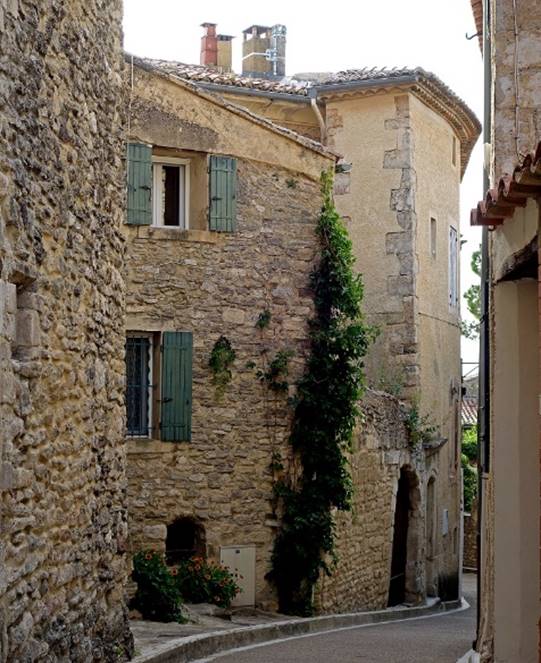
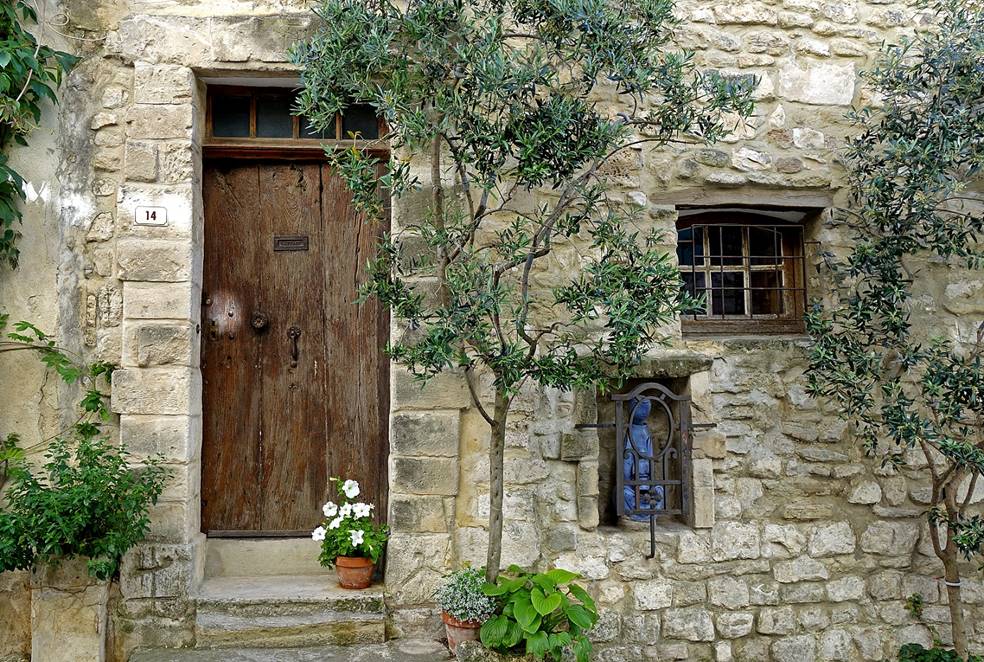
- In the streets of Venasque.
|
|
|
|
|
|
(June 2019) Murs:
The village of Murs is the birthplace of
Le Brave Crillon (1541-1615), a famous duke whose
name was given to the village of Crillon-le-Brave
(see further down in this page), some 12km north of Venasque.
The ″mur de la peste″
(″wall of plague″) that had been erected to protect the region from
the plague that struck Marseille and its region in 1720-1722 crosses through
the hills a short distance north of the village. Murs is also home to a
privately owned castle built in the 13th century.
|
|
|
|
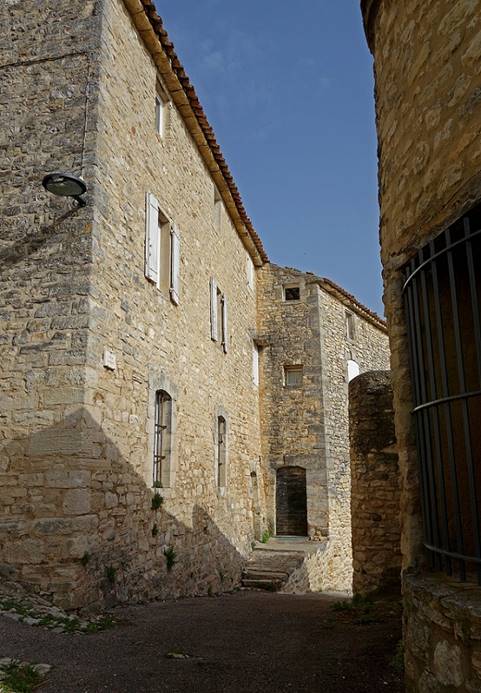
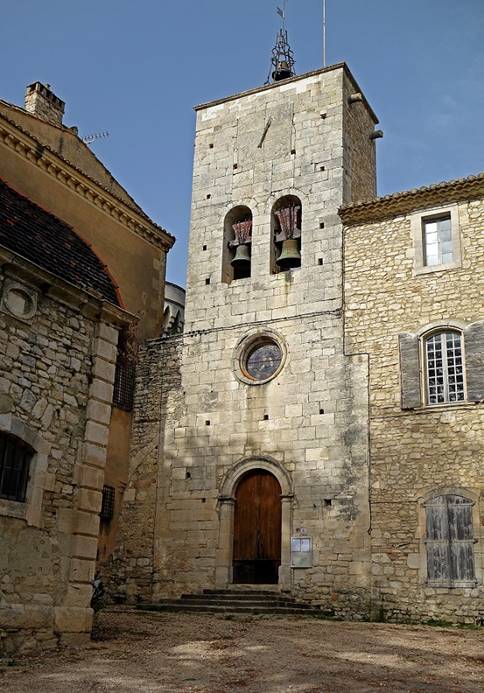
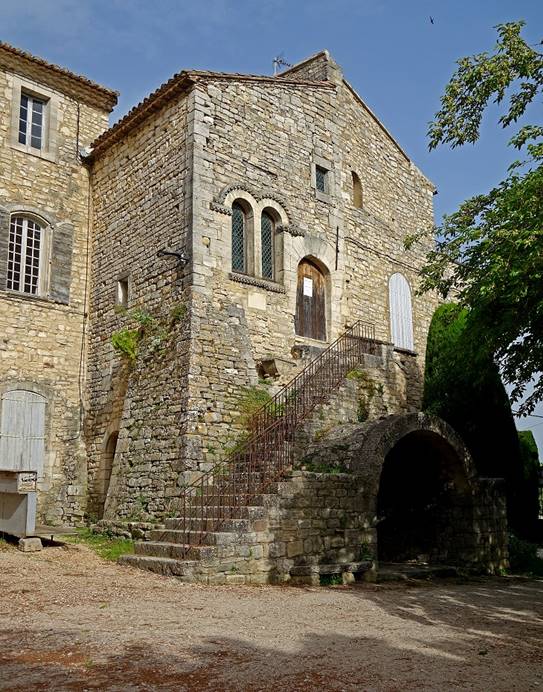
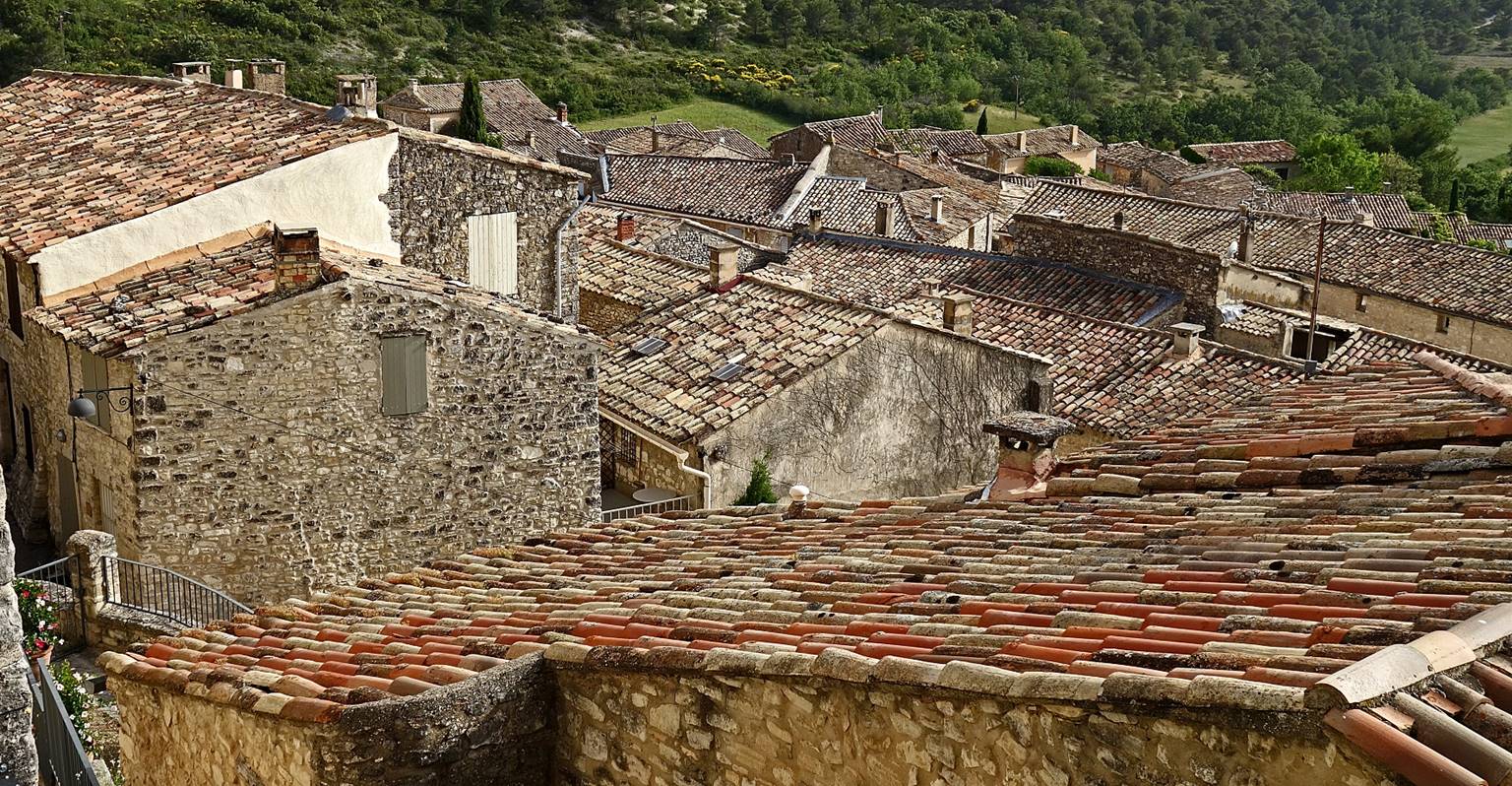
(May 2015) Gordes and Senanque:
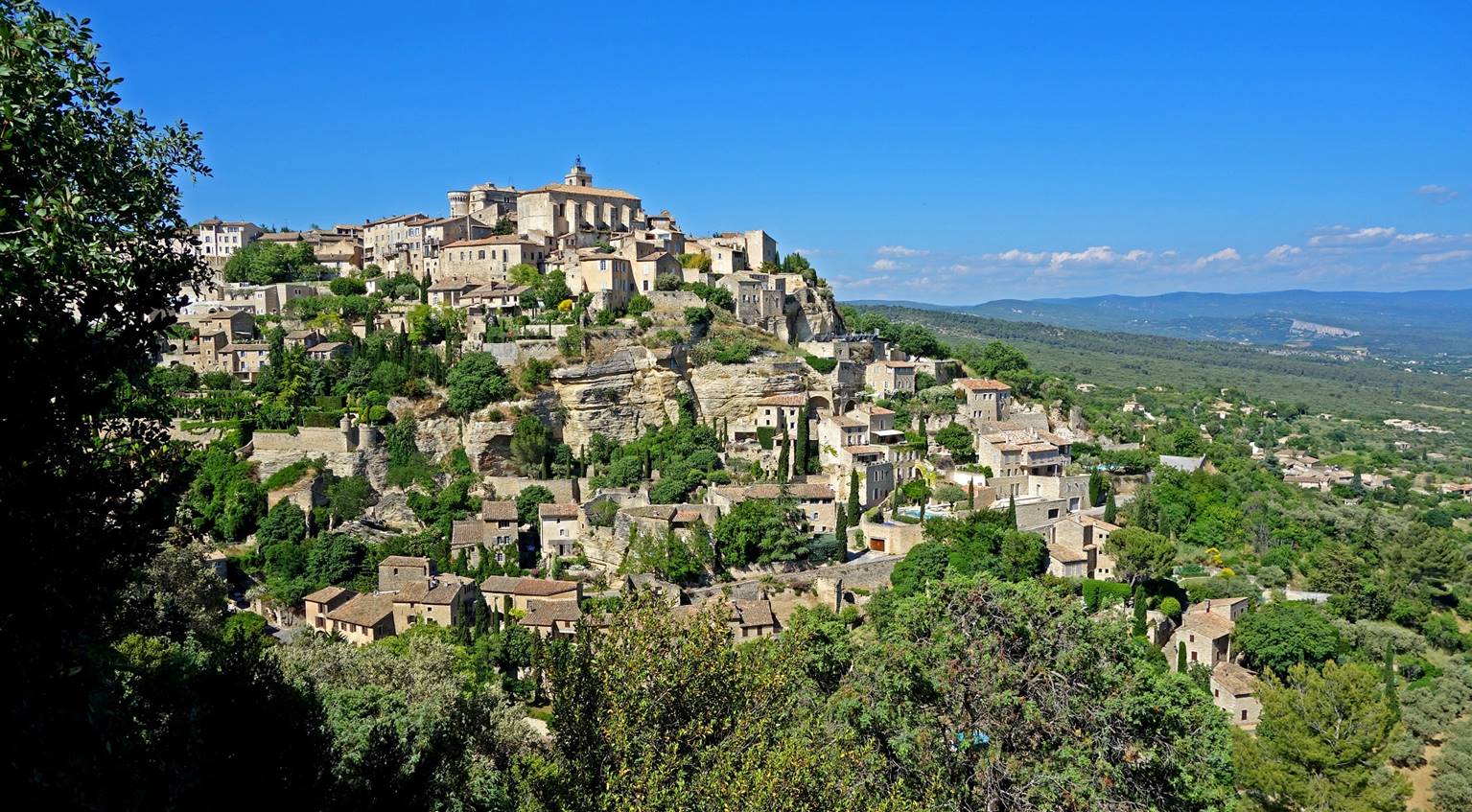
- The relatively large village of
Gordes, perched on the southern edge of the Monts du Vaucluse is one of the
most famous and most touristy villages in France. It is dominated by a
12th-century castle.
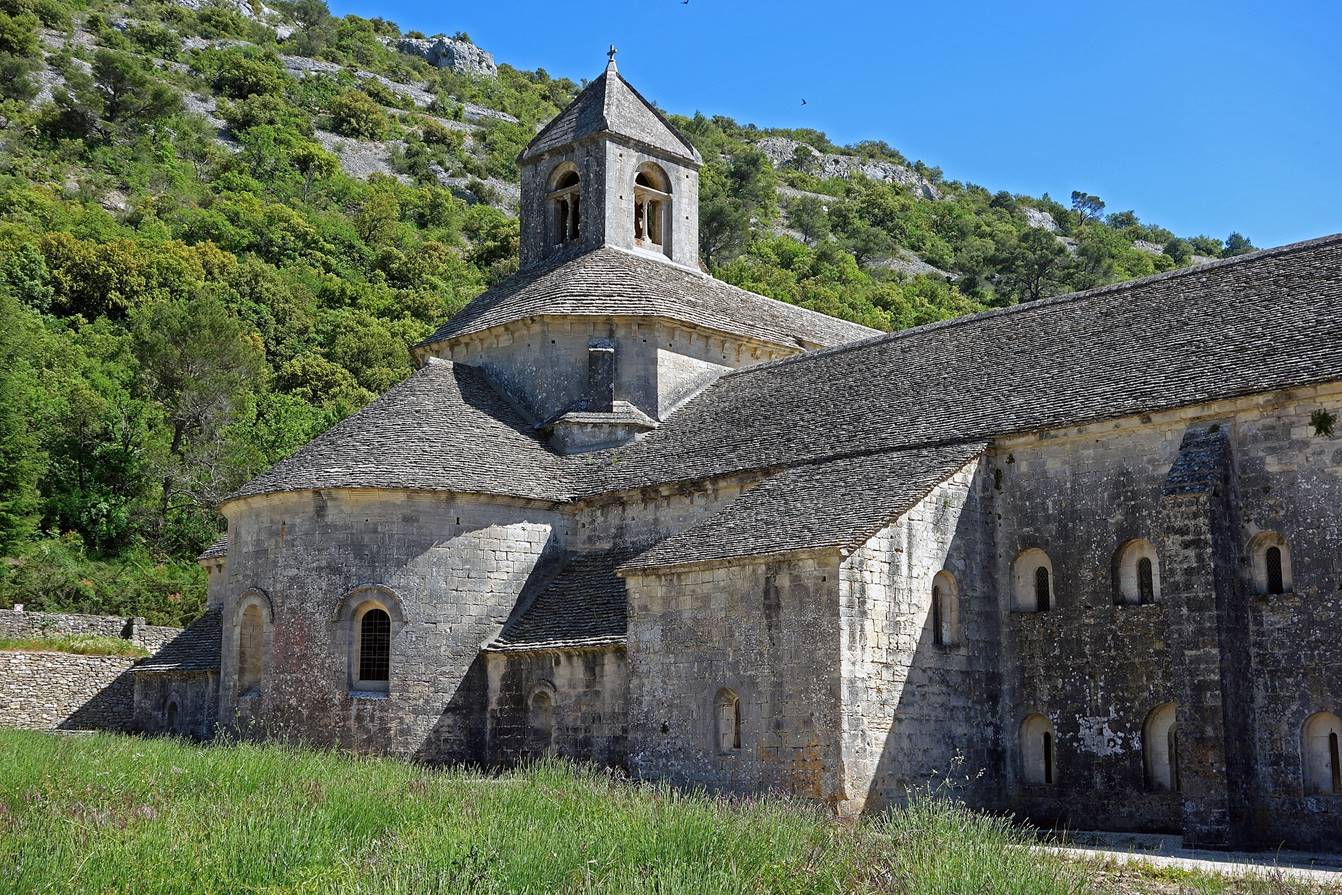
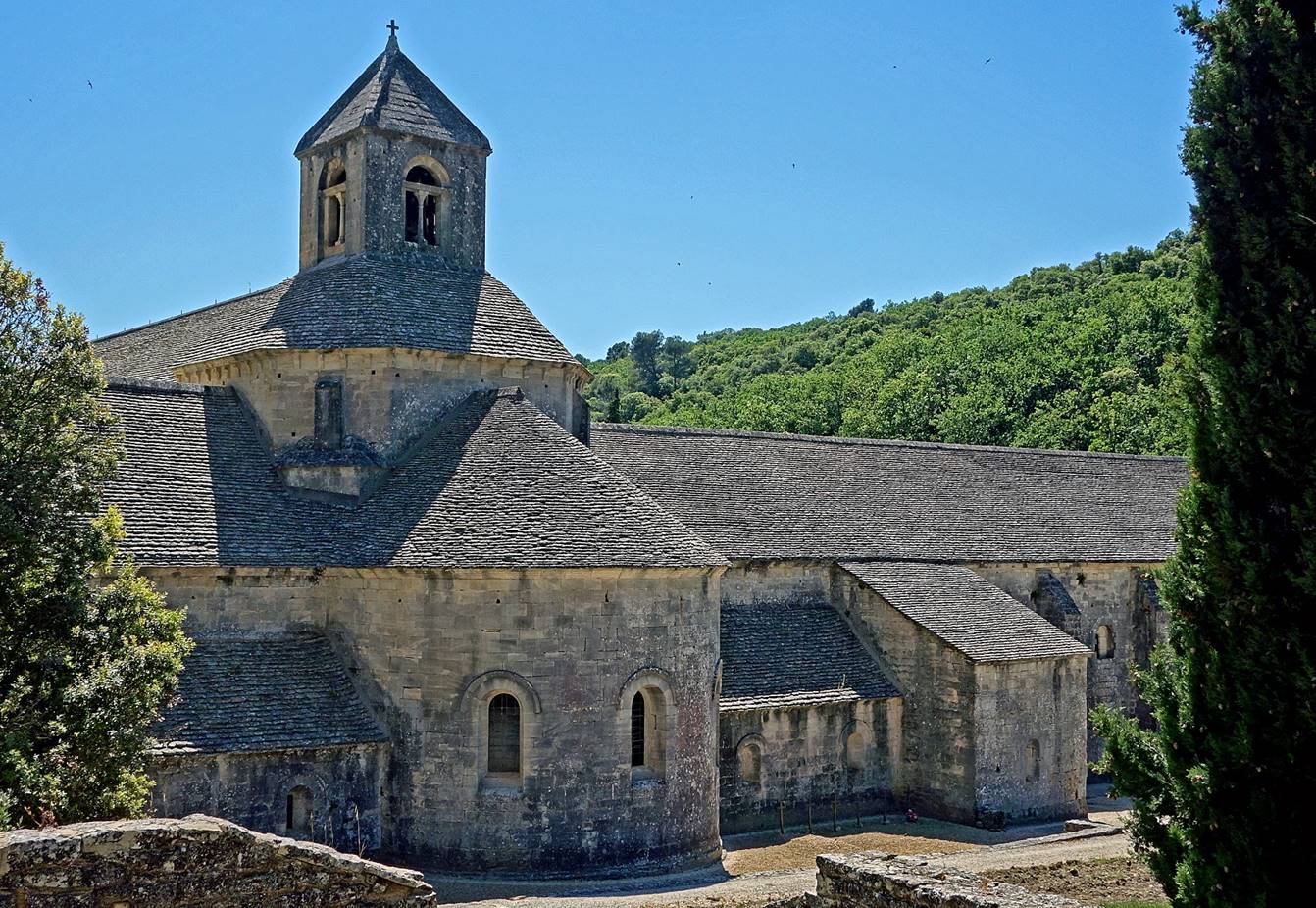
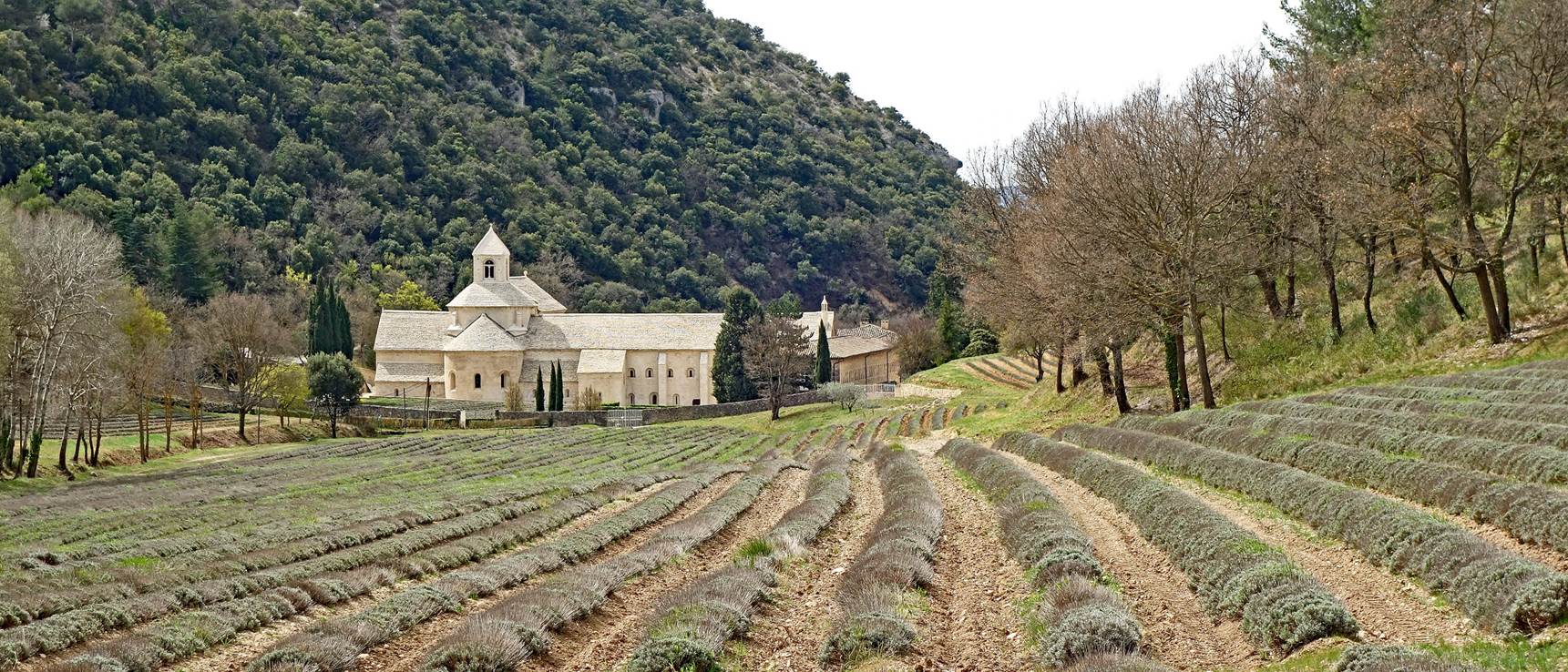
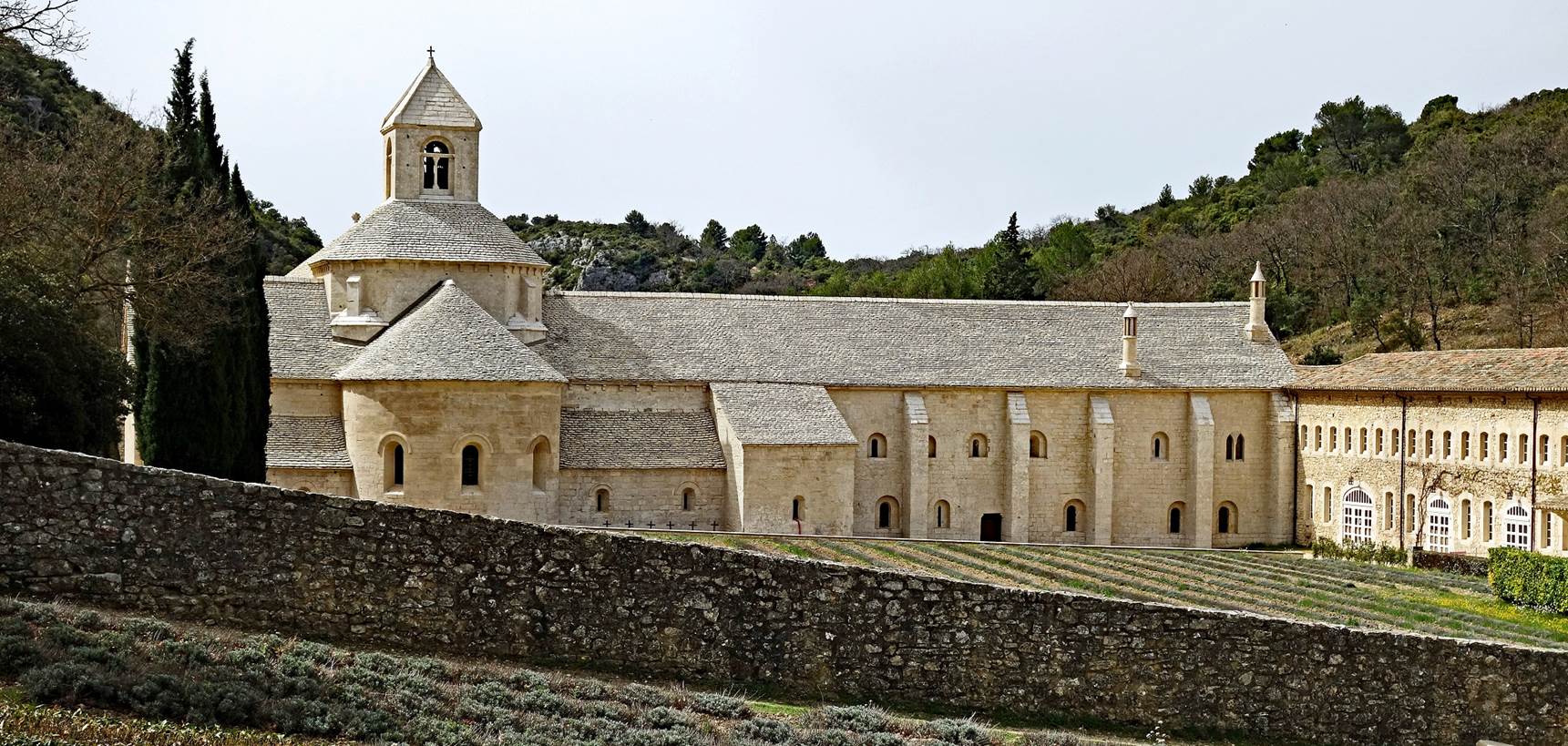
- Senanque is
a Cistercian Abbey (12th century) located 2km north of Gordes.
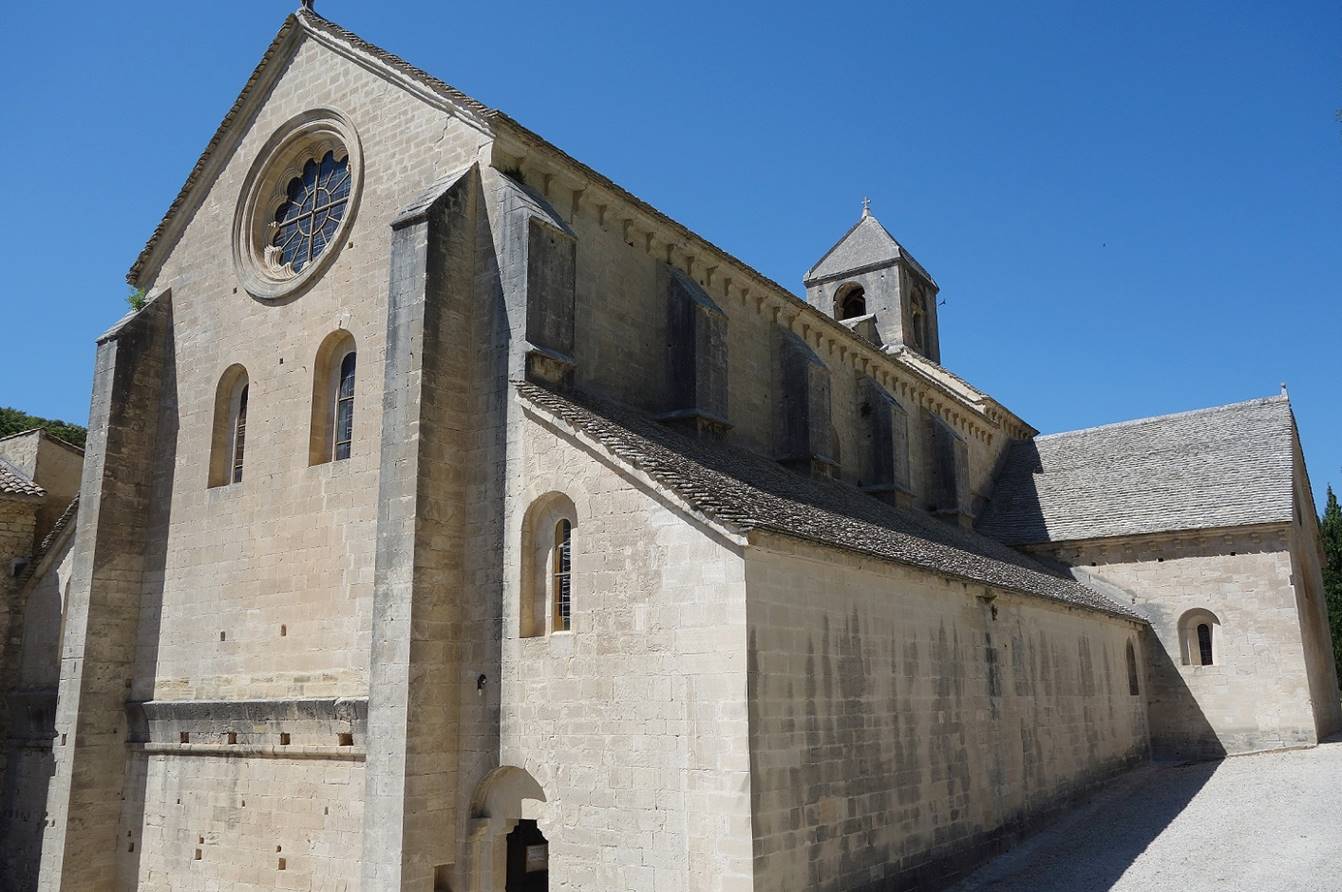
(April 2022) Abbey of Senanque:
Revisited soon after a major restoration.
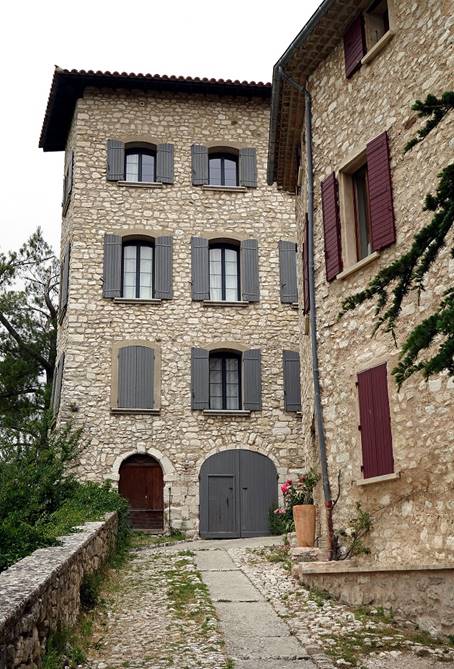
(June 2019) Methamis:
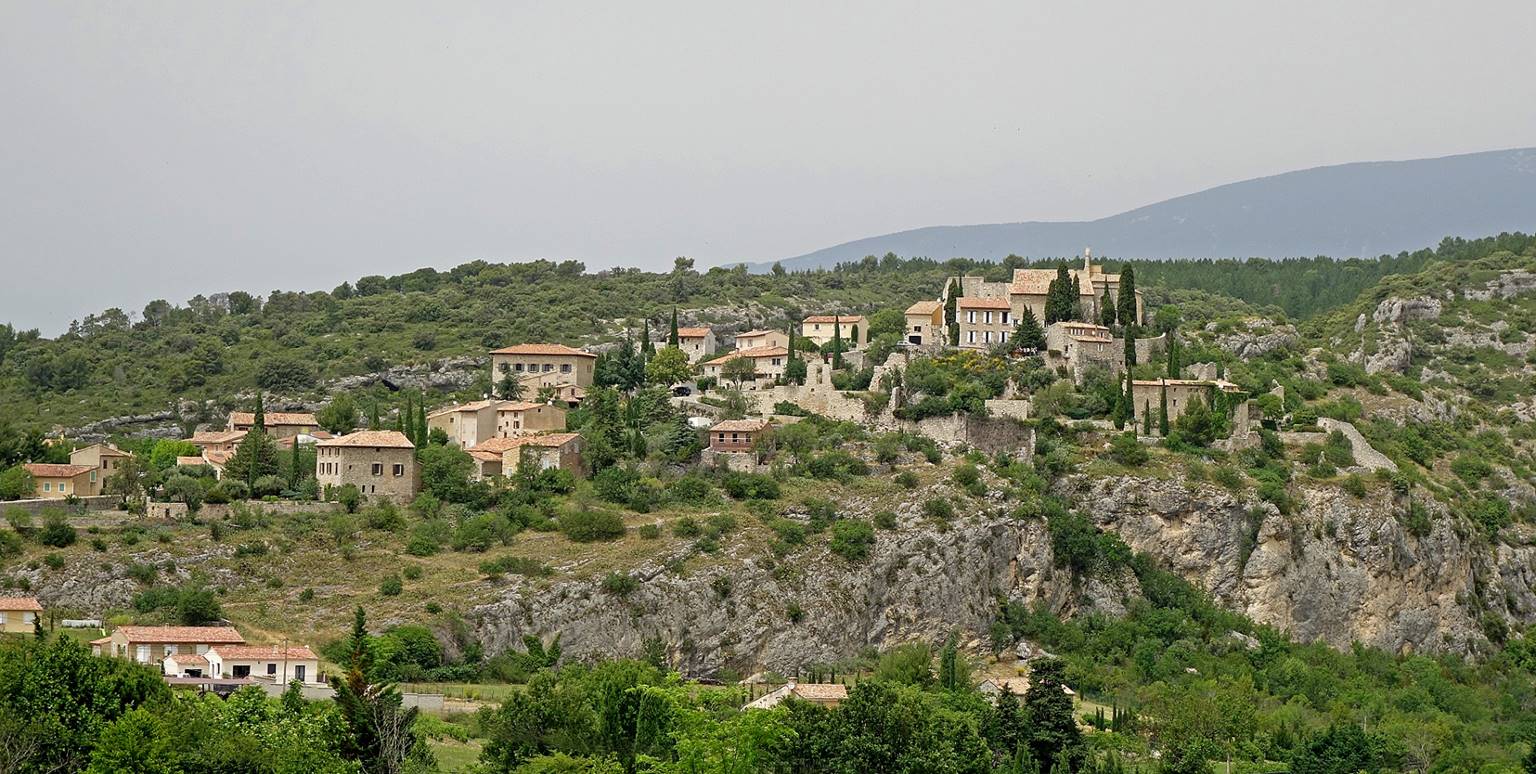
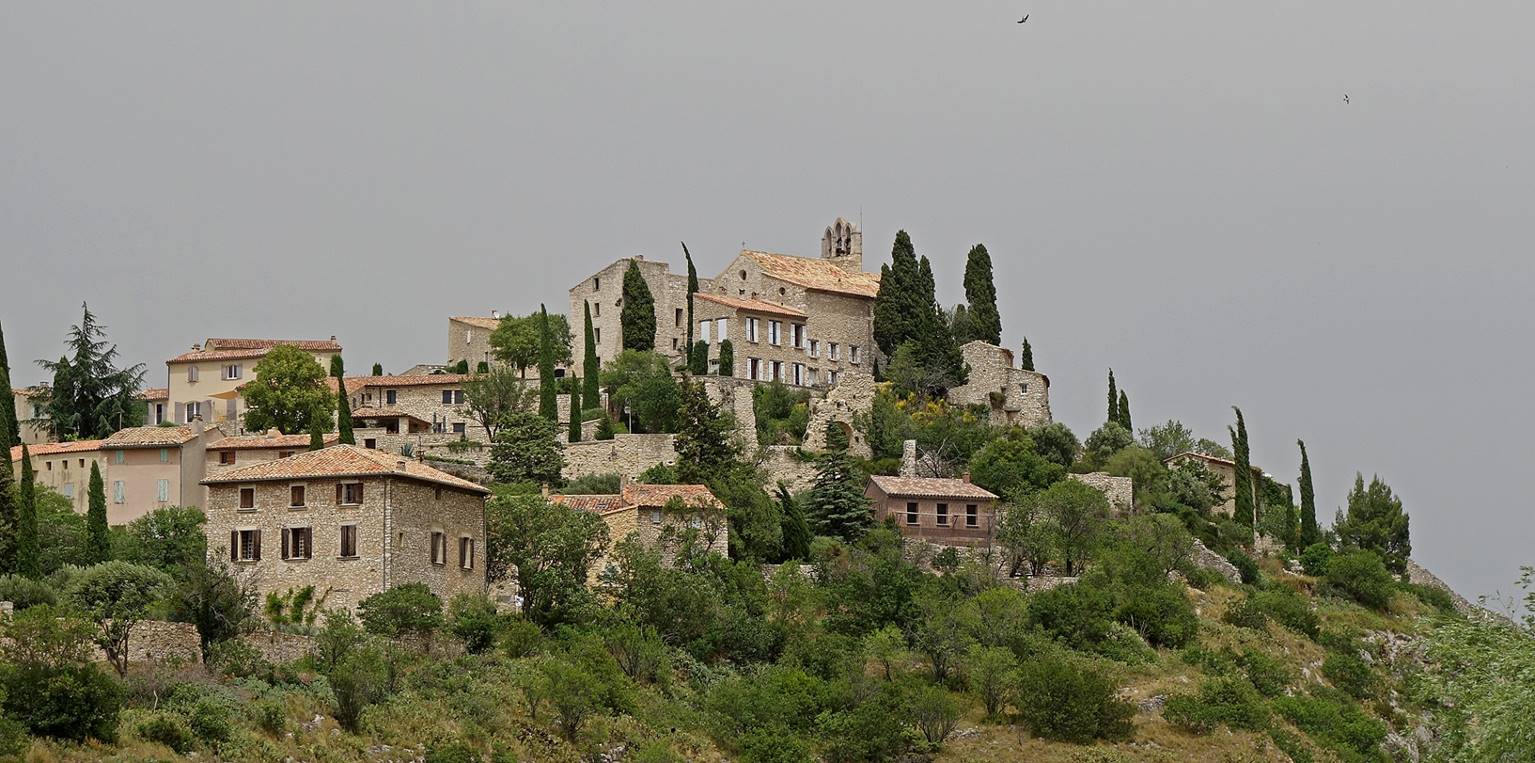
Methamis is another village perched on a rocky
outcrop. It is dominated by the 12th-century Church Saint-Pierre-et-Saint-Paul.
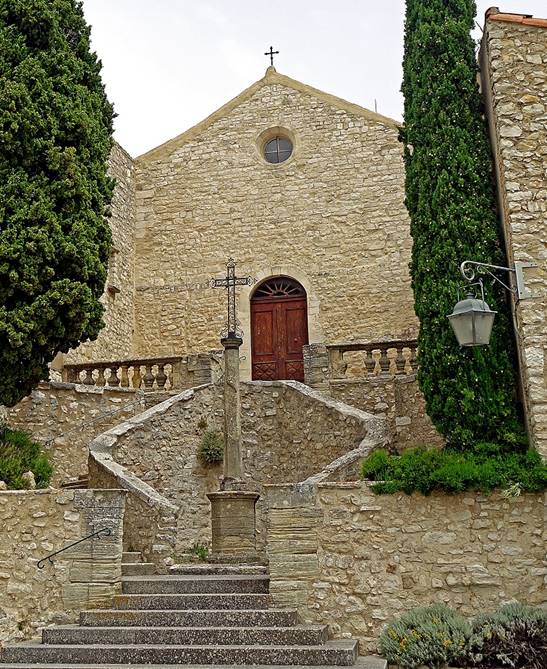
The church′s aesthetic bell tower forms three arcades visible in the
second photo below. Like for Murs (see above), the ″mur
de la peste″ passes nearby. Like many other
villages, Methamis suffered from rural exodus in the
19th and 20th centuries. But it makes a relative come back thanks to its wine
production.
- Views of the village.
- Right: Street leading to the church.
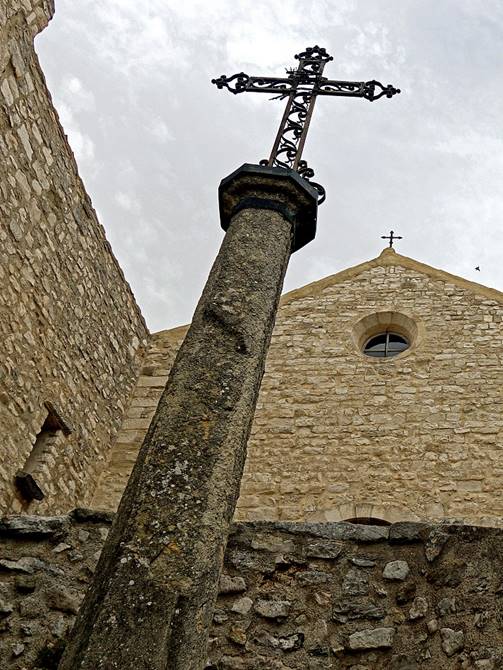
Center: The unusual double winding staircase leading to the parvis of the
church. Right: Cross mounted on a tall stone pillar between the staircases.
|
|
|
|
(June 2019) Malemort-du-Comtat:
Located 5.5km west of Methamis, Malemort lies on
relatively flat terrain, surrounded by vineyards.
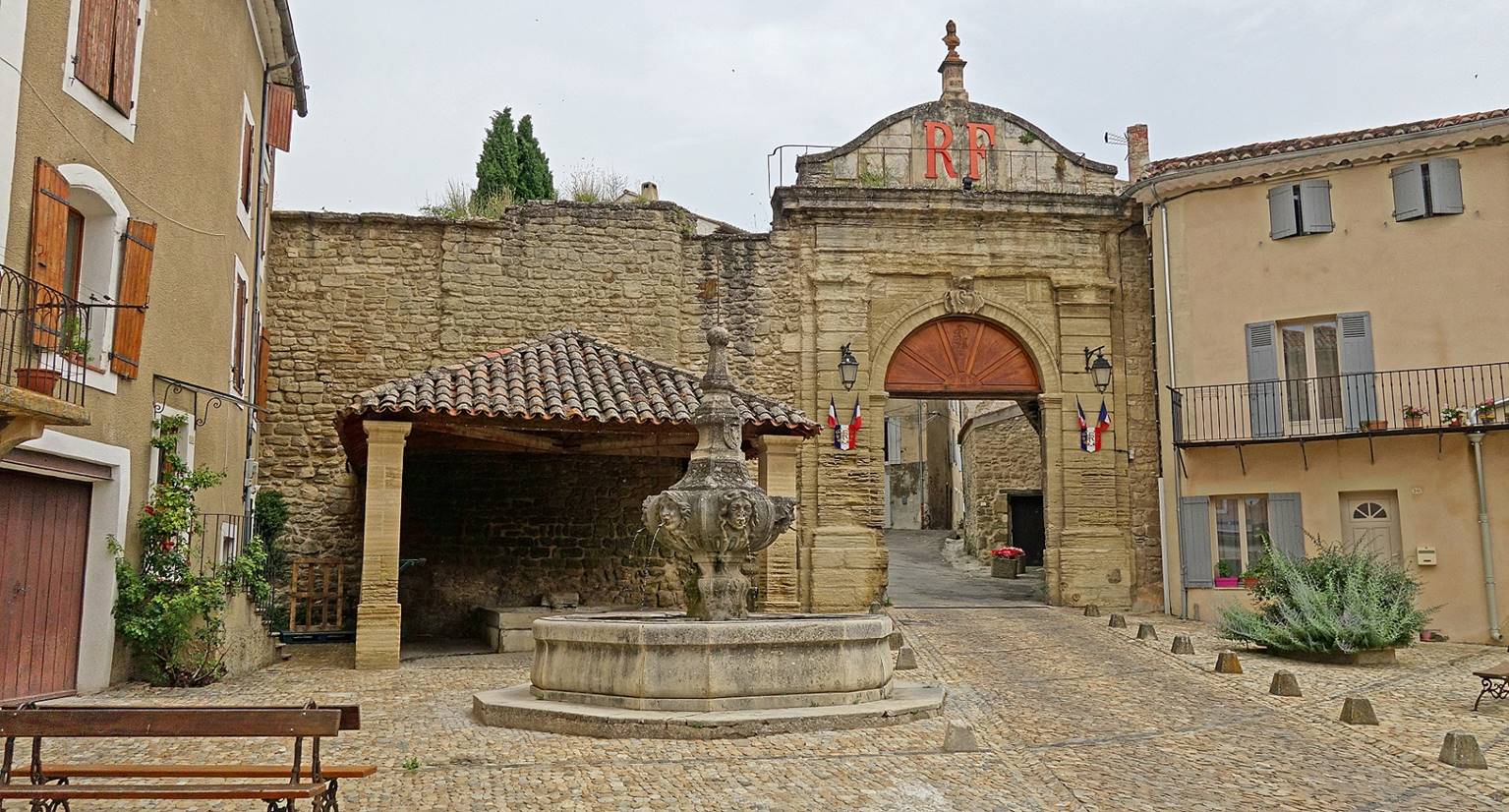
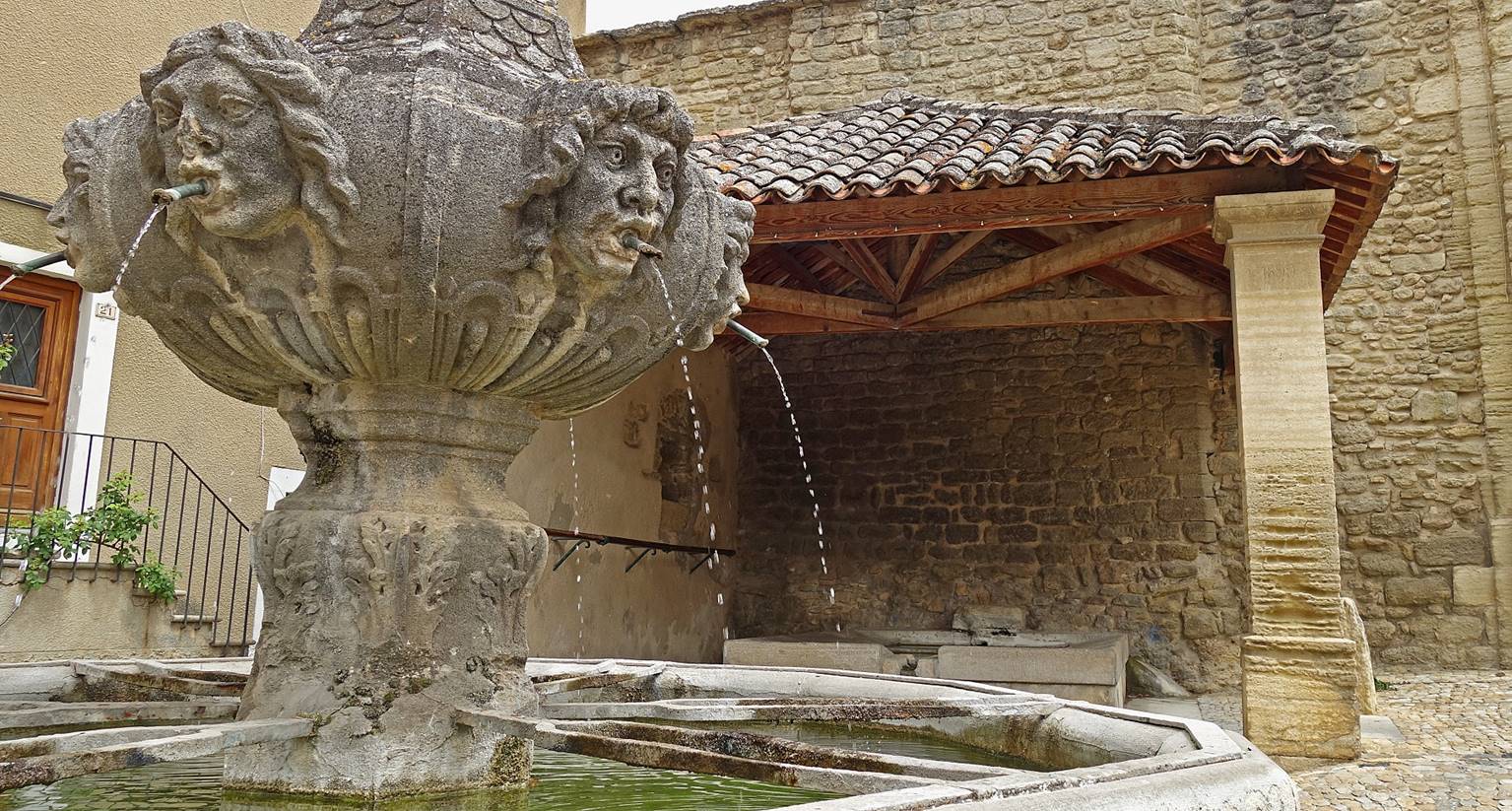
- Old entrance gate (called Grand-Porte)
of the village, with a communal wash house and a beautiful fountain equipped with six mascarons on the left.
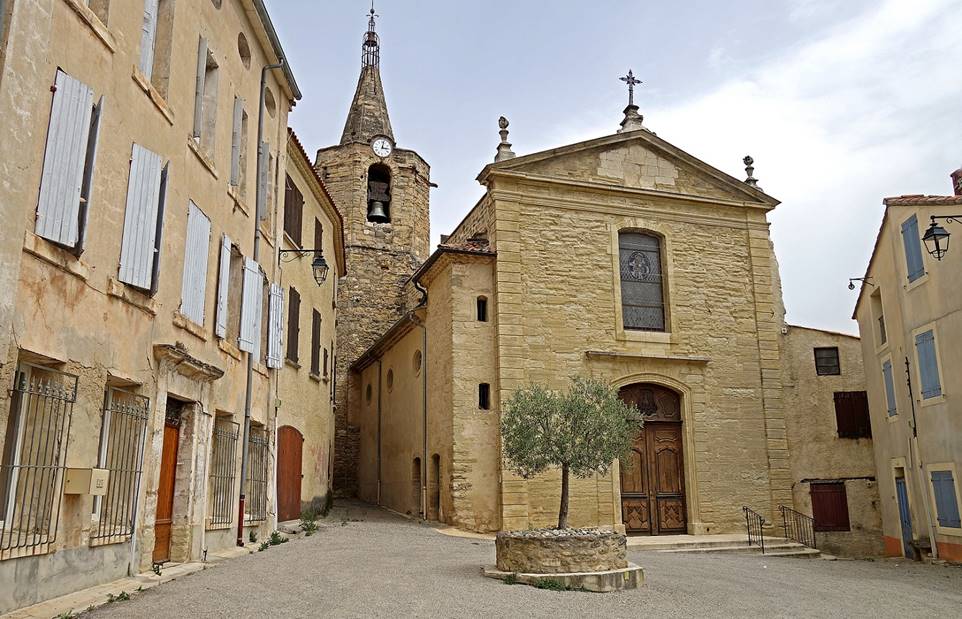
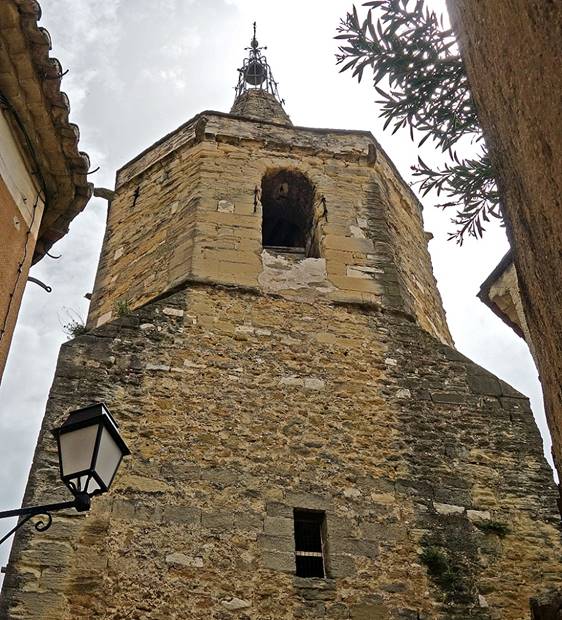
- Church Notre-Dame-de-l′Assomption (13th century), and its bell tower
surmounted by a campanile (iron structure with a bell hanging in it).
|
|
|
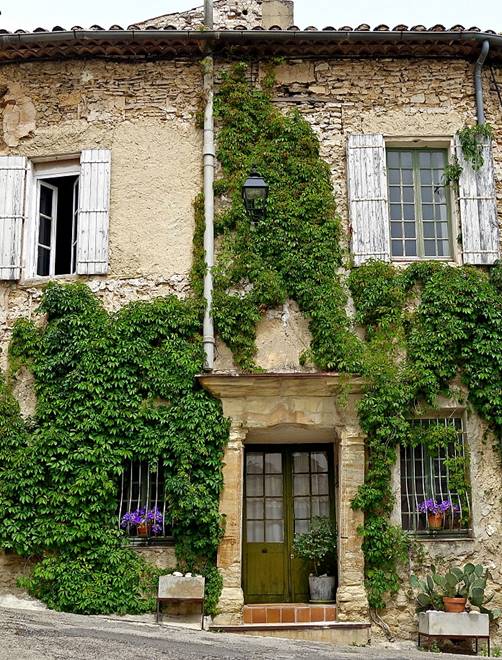
- Great-looking old house.
|
|
|
|
|
|
(May 2017) Crillon-le-Brave:
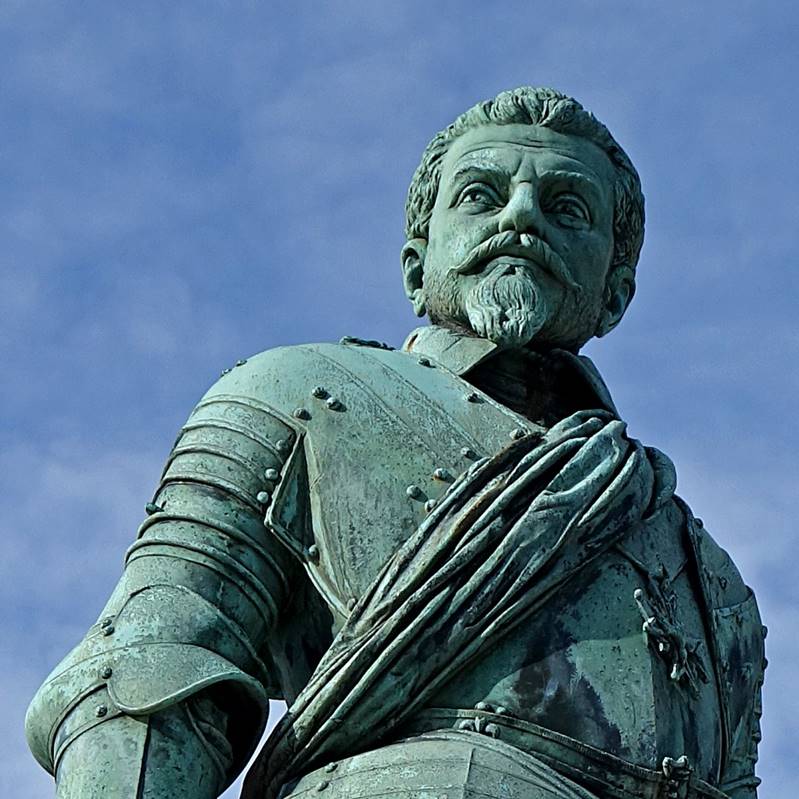
Ruled by a long line of dukes until the
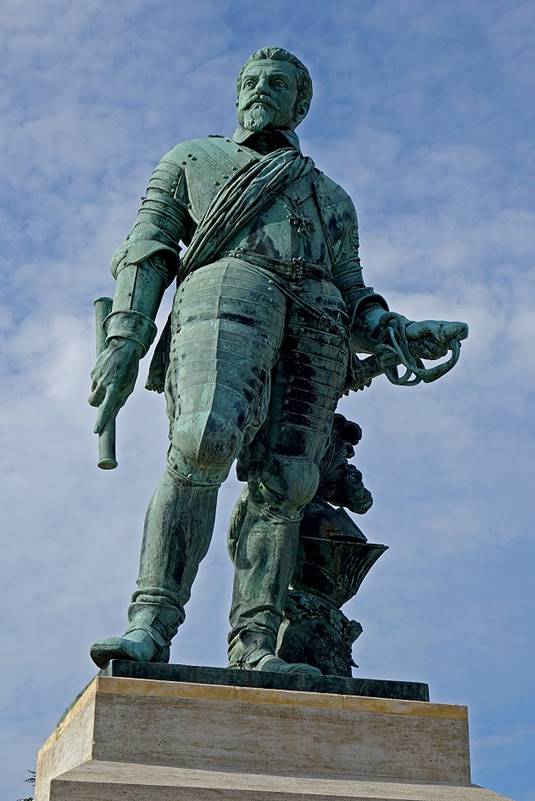
French Revolution, this village is named after the most famous of these dukes,
Le Brave Crillon (1541-1615), who was one of Henri IV′s
most valiant generals during the French Wars of Religions in the 16th century.
He was born in the village of Murs (see above).
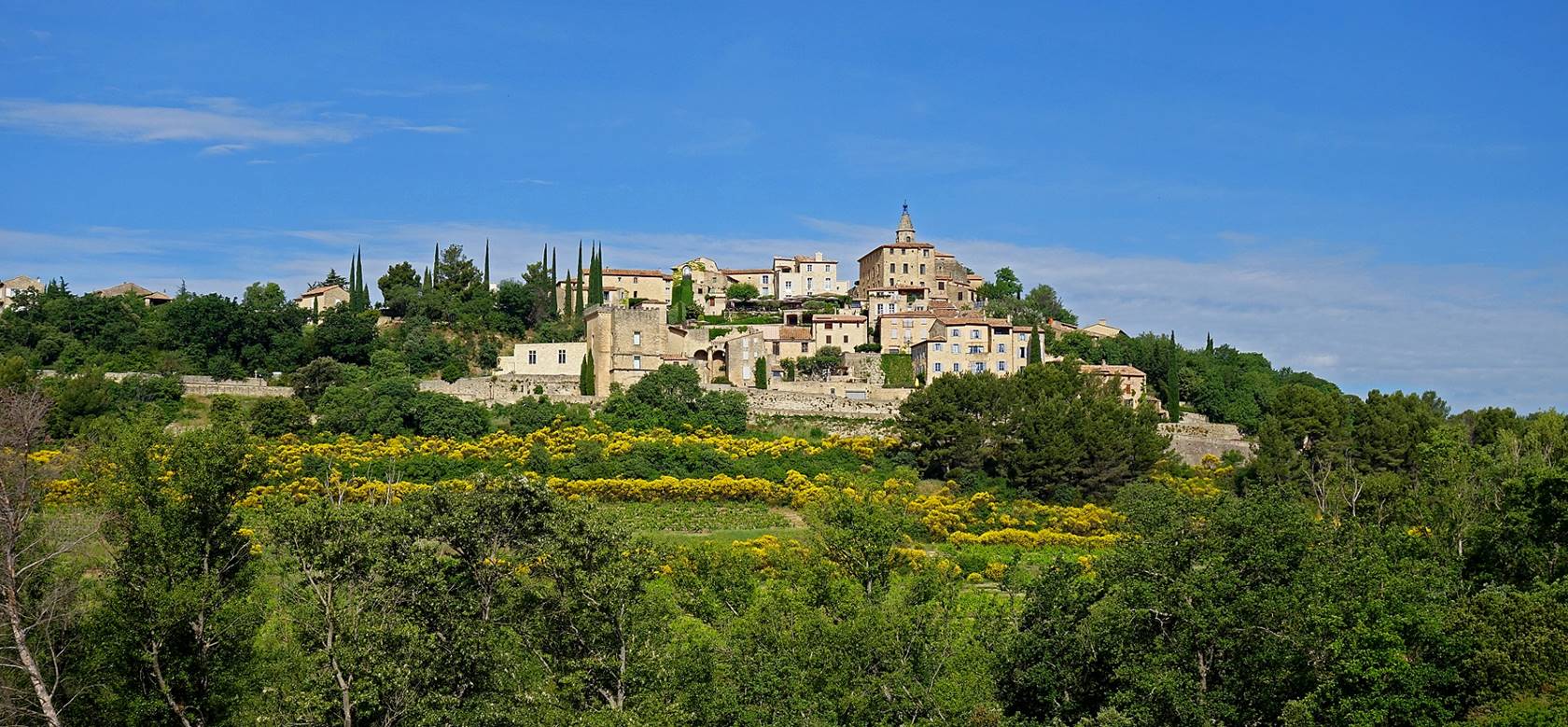
- Panoramic view of the village.
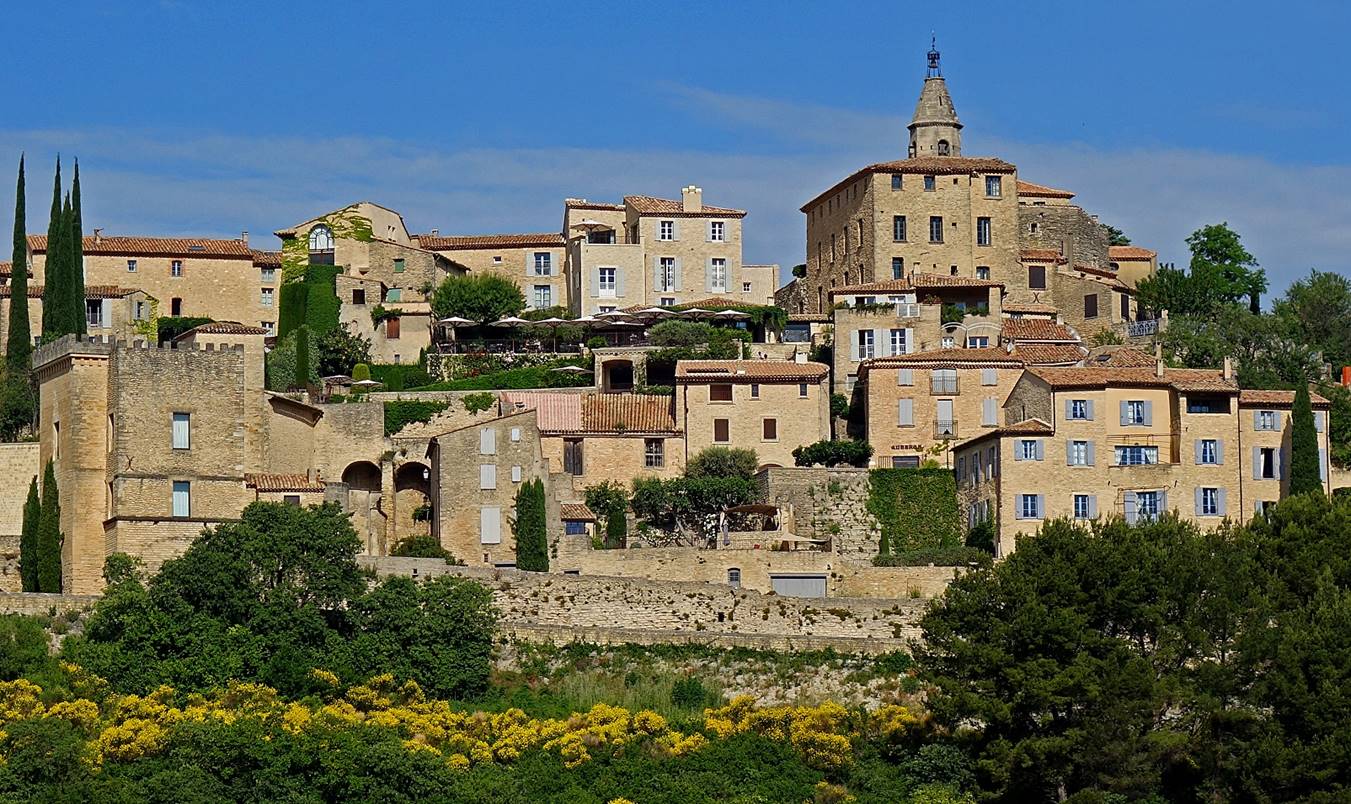
- Zoom on the village core.
-
Bronze statue on Le Brave Crillon in the village.
|
|
|
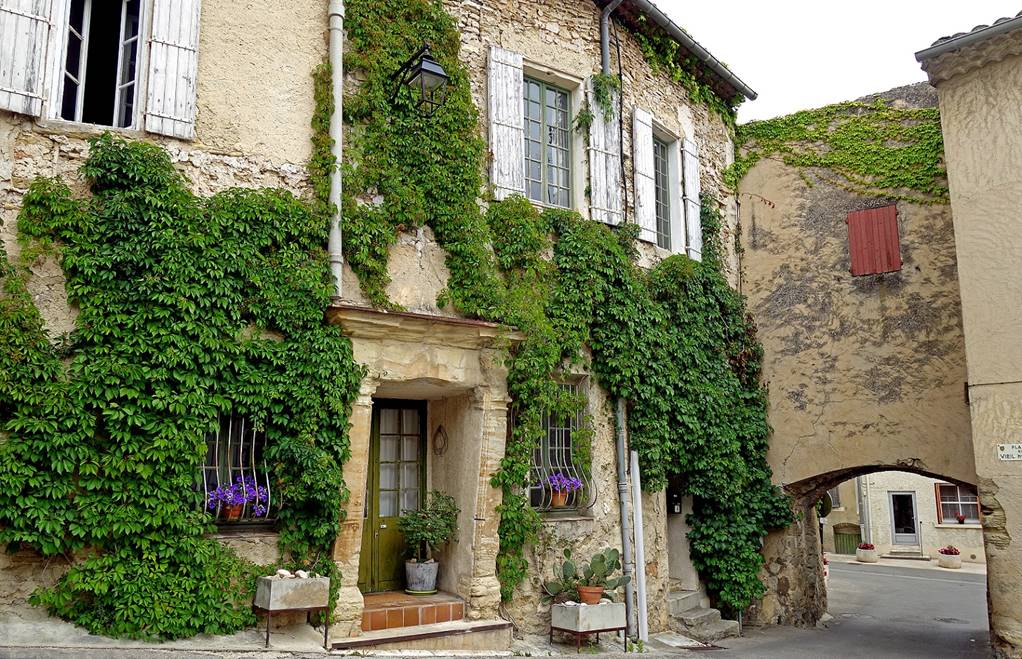
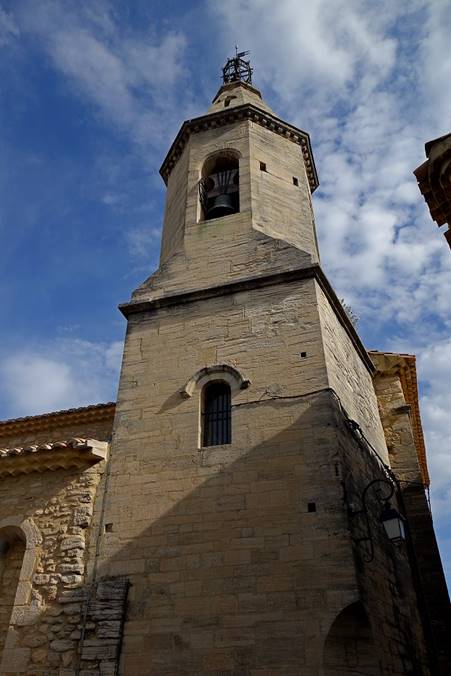
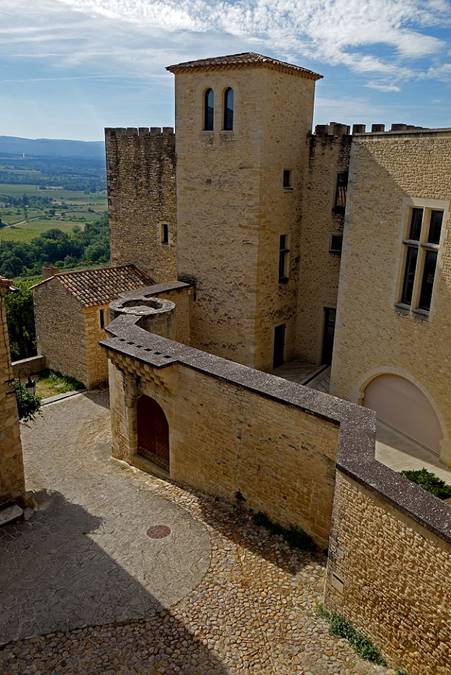
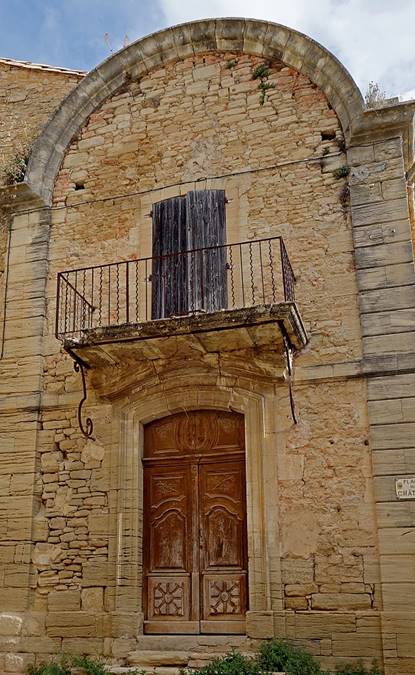
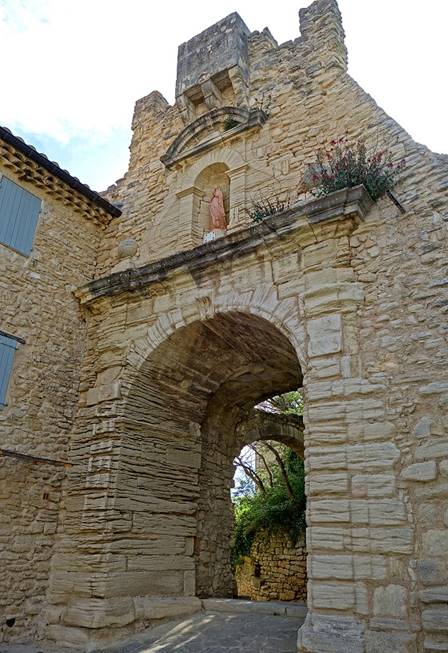
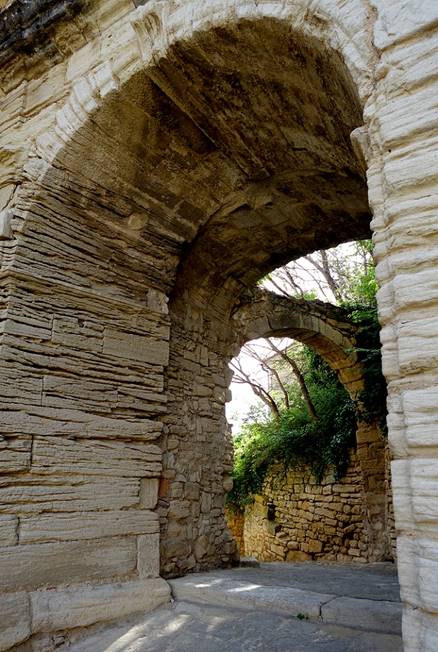
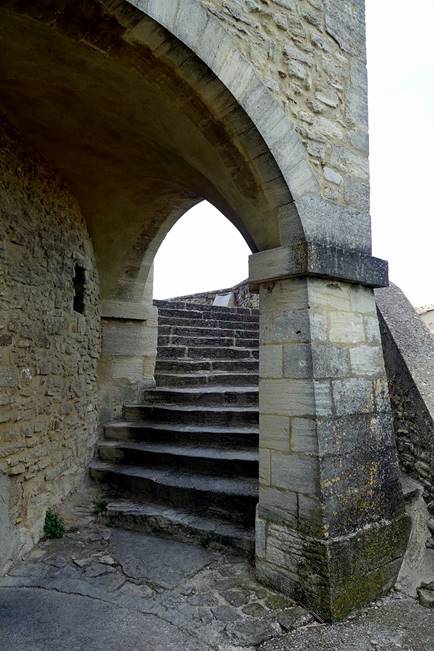
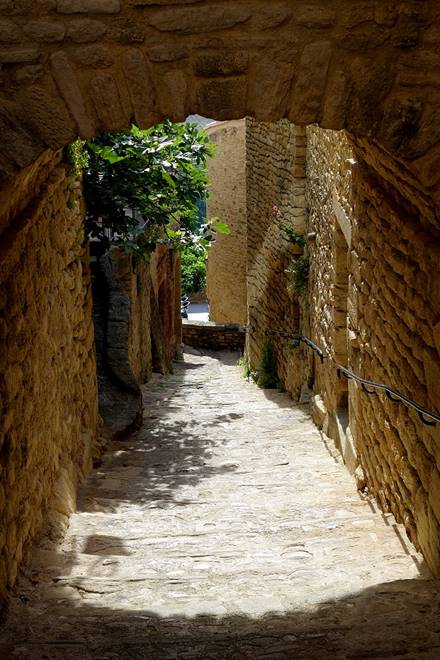
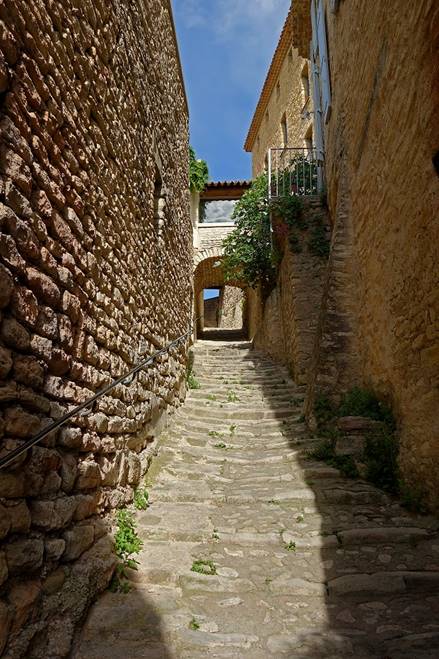
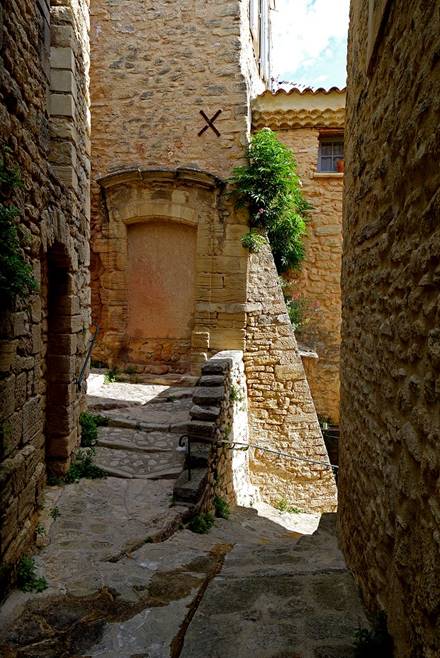
- Buildings, streets, and stairs in the
village.
|
|
|
|
|
|
|
|
|
|
|
|
(May 2017) Modene:
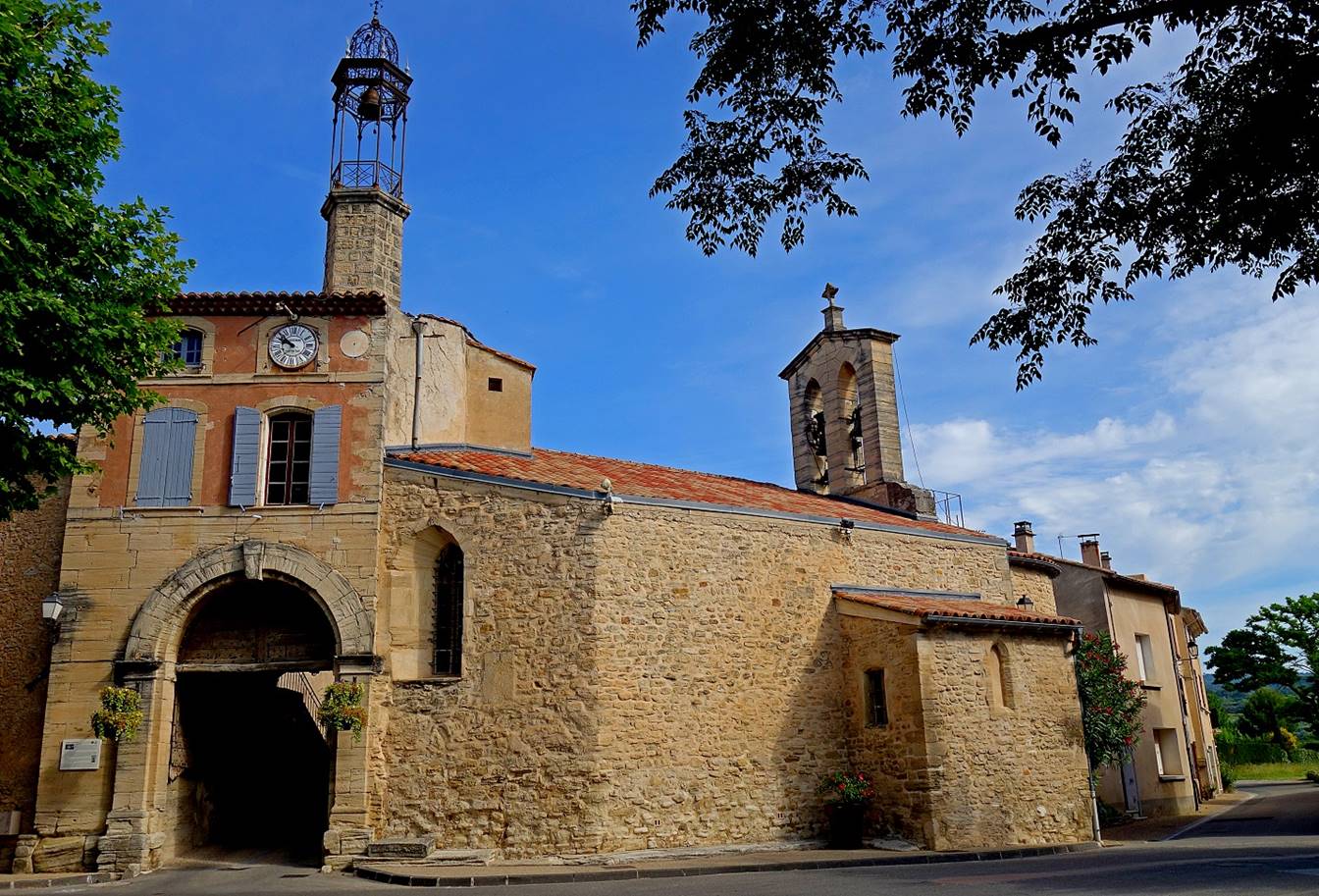
- Entry gate into the old village with campanile
on the left and Church Notre-Dame-de-Liesse on the right.
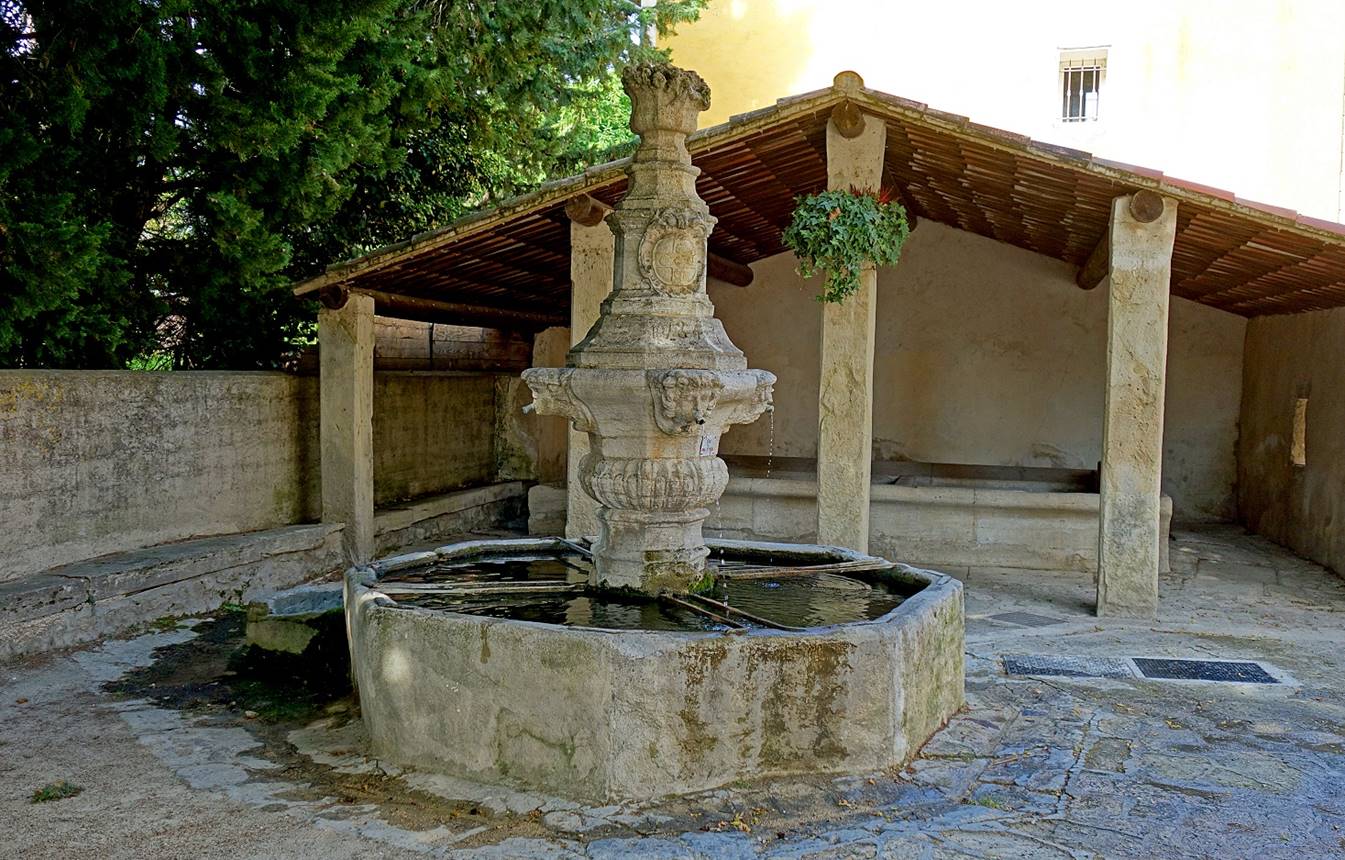
- Fountain
and communal wash house behind it.
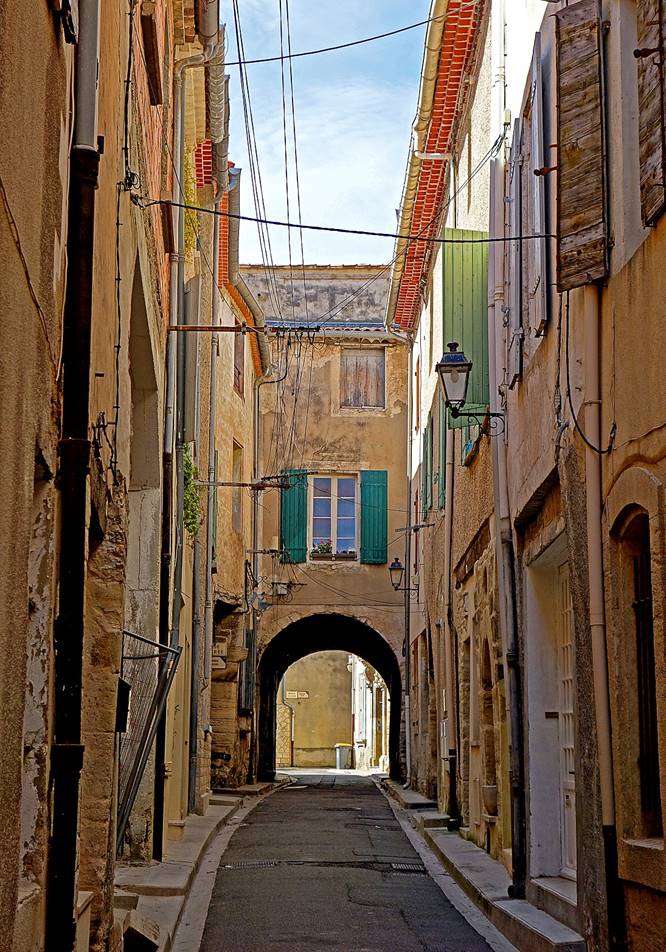
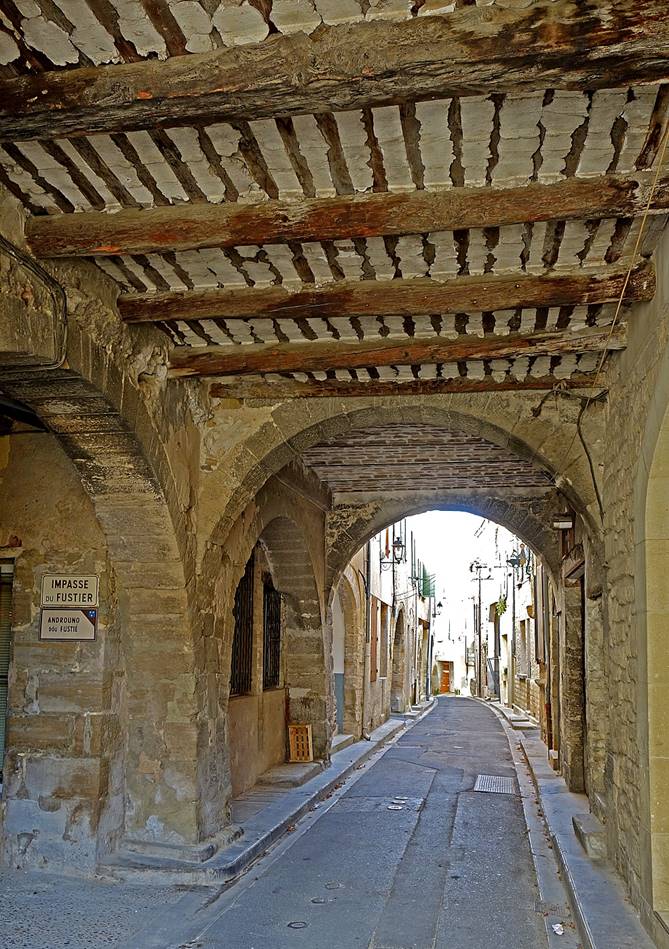
(May 2017) Caromb:
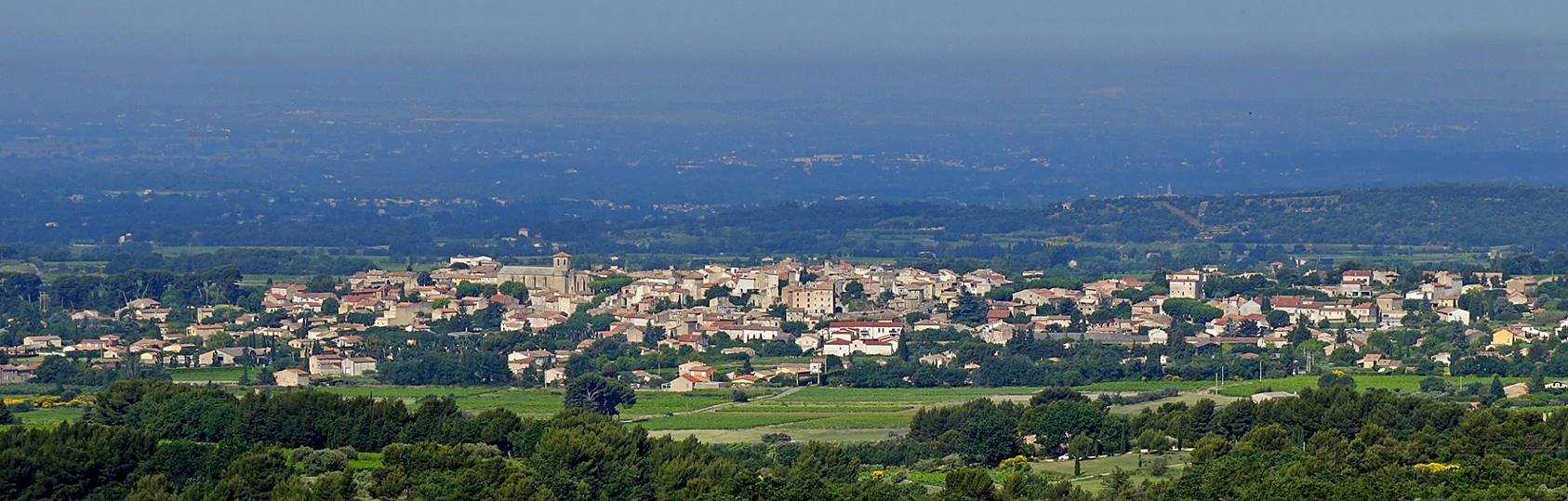
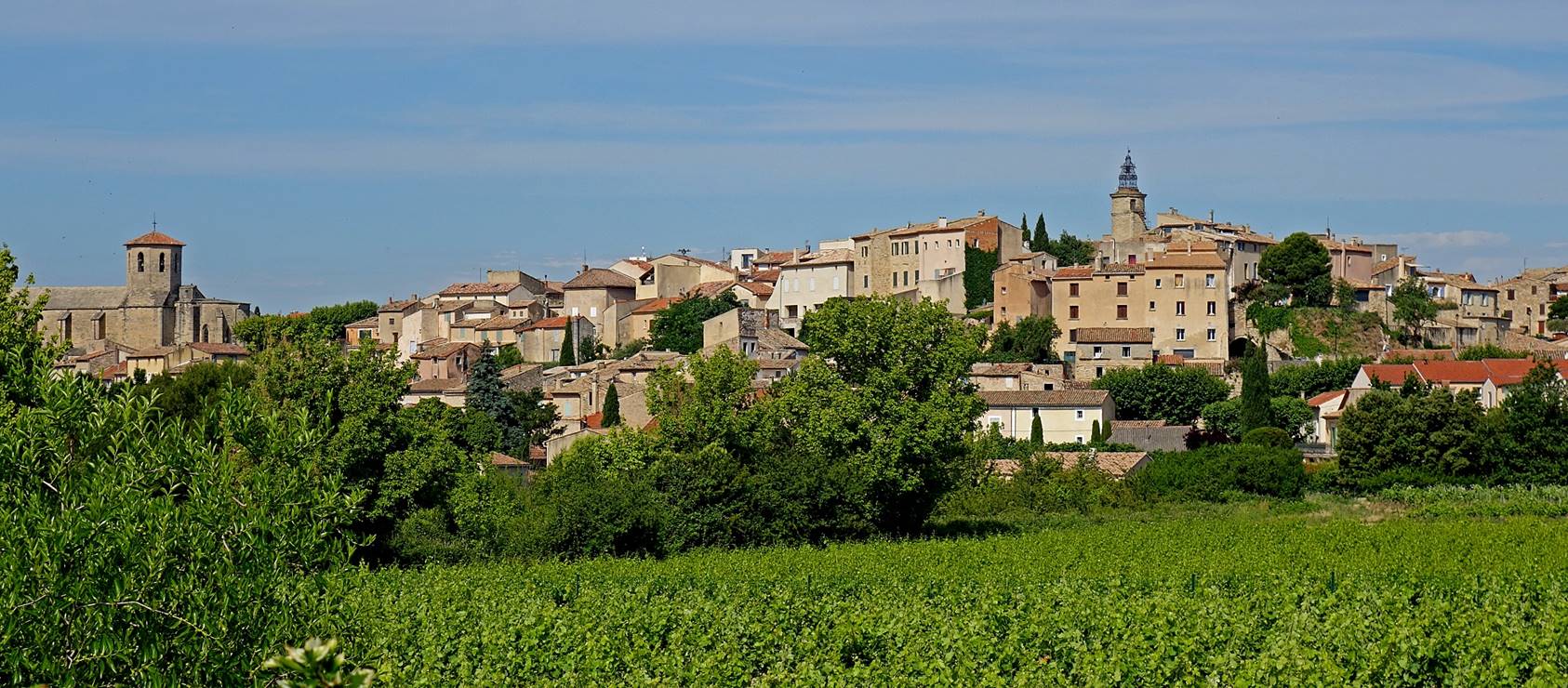
This relatively large village is built
on a low hill that overlooks the Comtat Venaissin plain toward Avignon. It is a thriving village,
mostly thanks to its wine and fruit production.
- Panoramic views of the village.
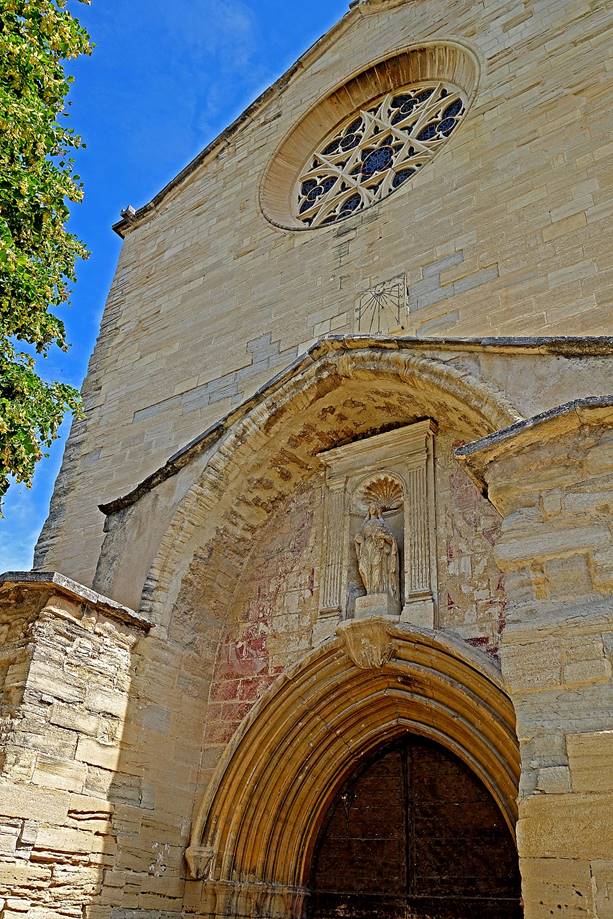
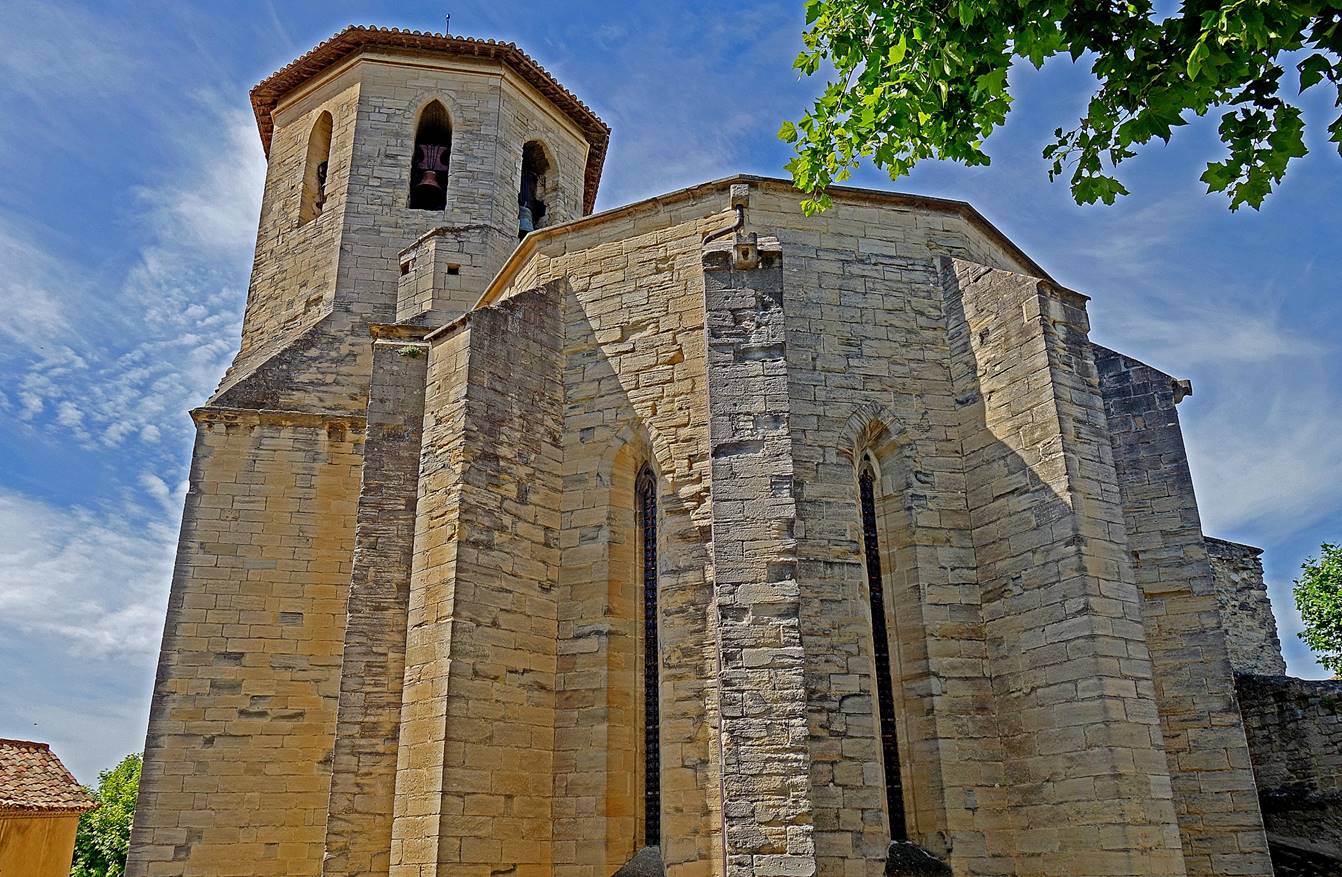
- Romanesque church Saint-Maurice
erected in the 14th century.
|
|
|
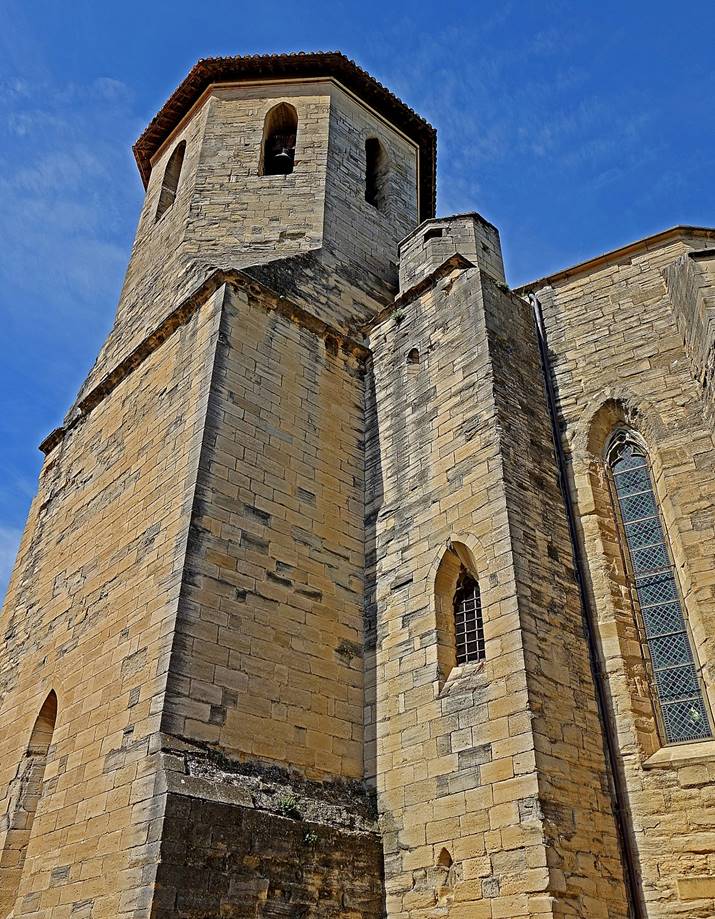
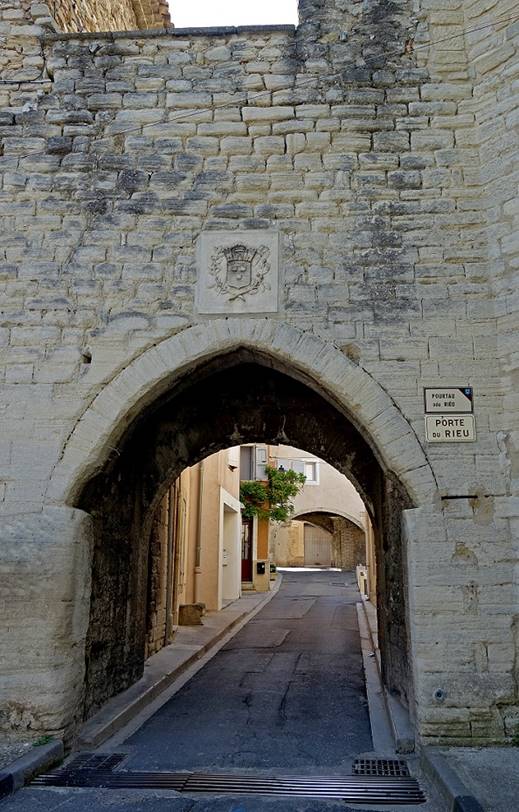
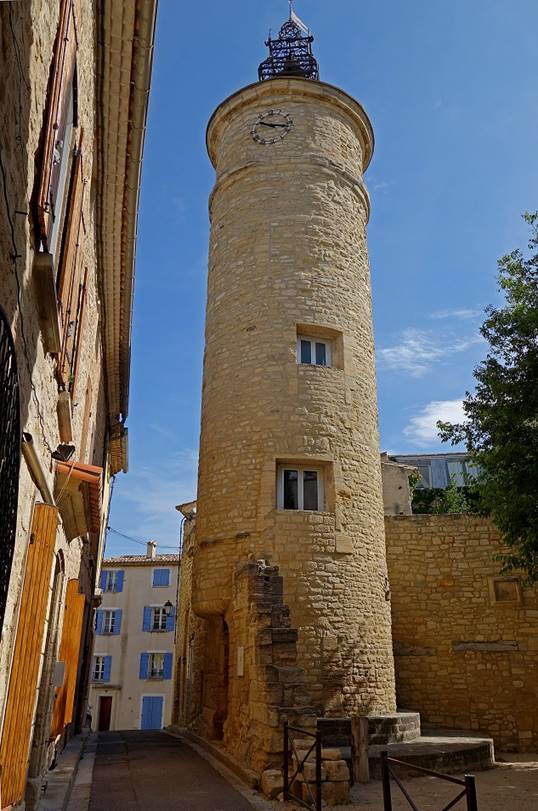
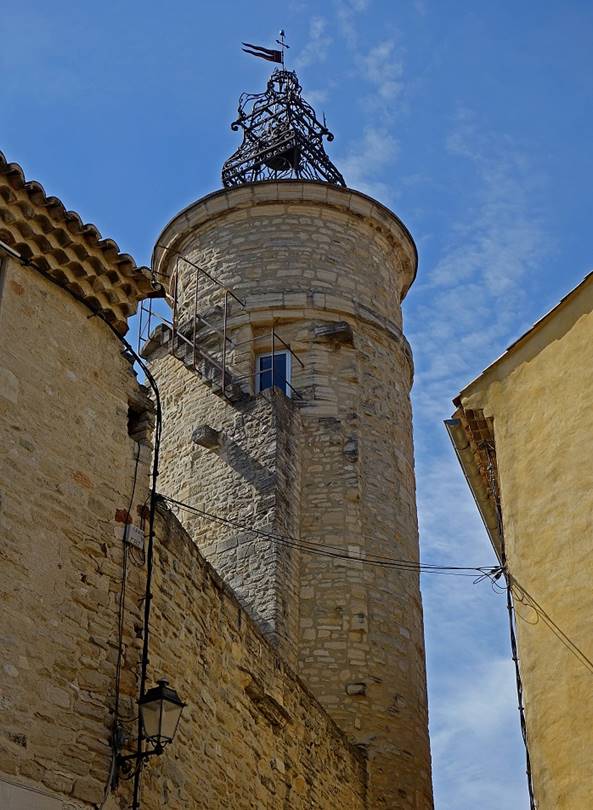
- Left: Porte du Rieu, the old arched
entry gate (with the Caromb′s coat of arms
above the arch) that gives access to the old core of the village. Center and
right: The Beffroi (belfry) erected in the 16th
century and its iron campanile added in 1787 (because the villagers complained
that they could not hear the bell located inside the tower).
|
|
|
|
- La Grand
Rue, the main street across the old part of the village.
|
|
|
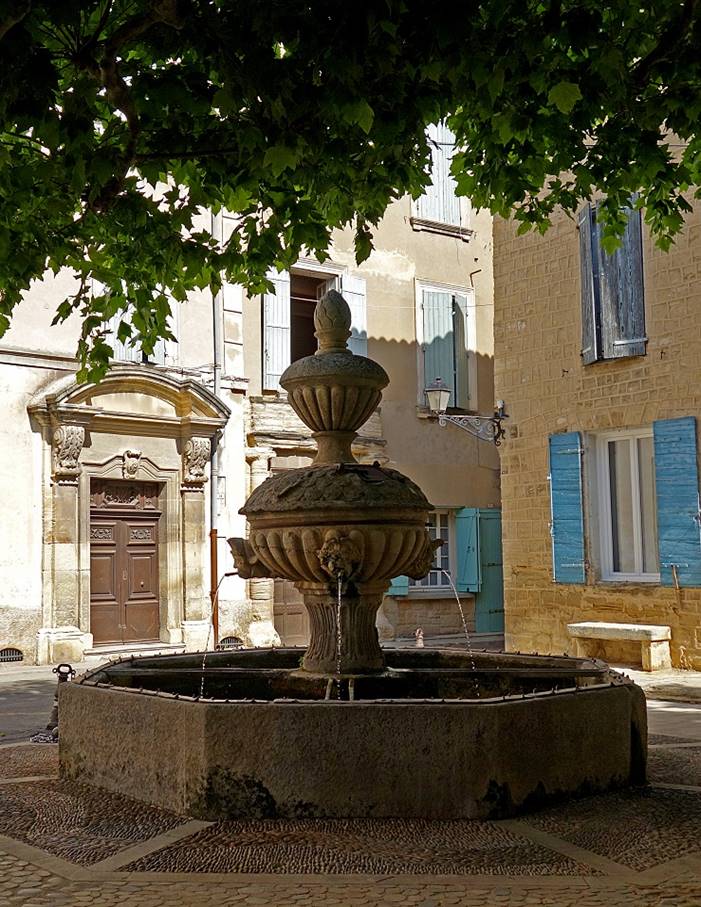
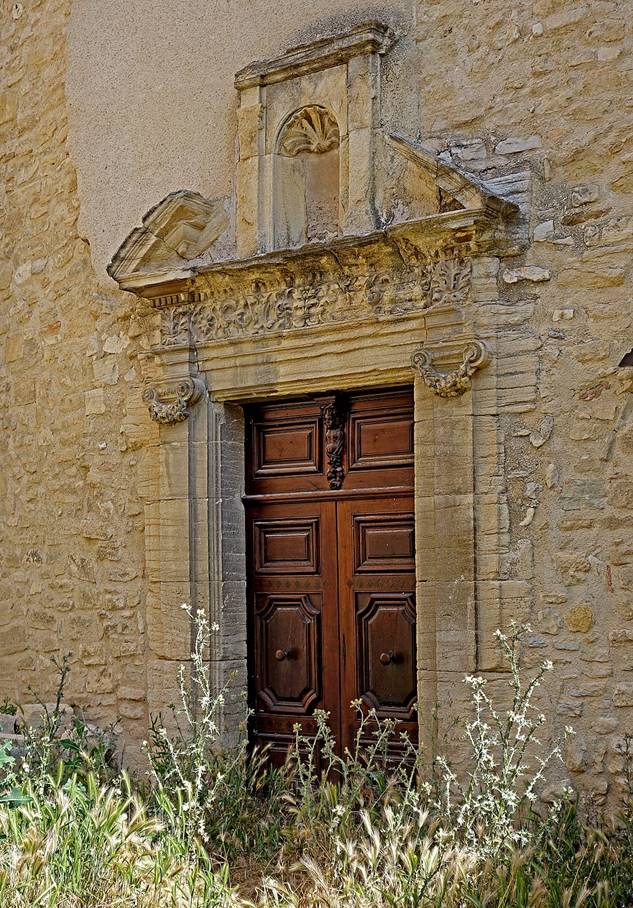
- Left: 14th century fountain in the
Place du Chateau (unfortunately the former castle that gives its name to the
square was destroyed in 1792). Right: Entry door of an old residence with a
beautifully carved stone frame.
|
|
|
(June 2019) Le Barroux:
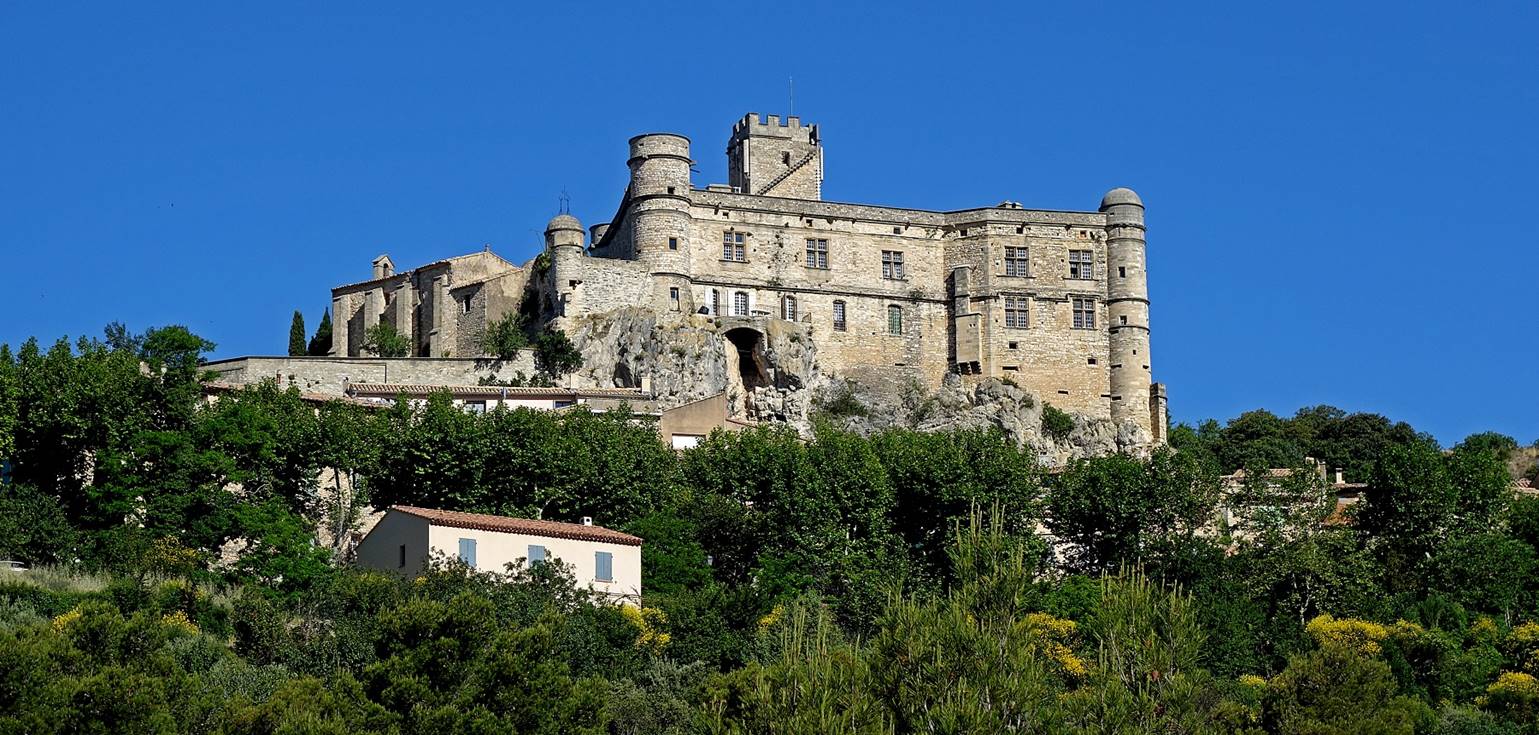
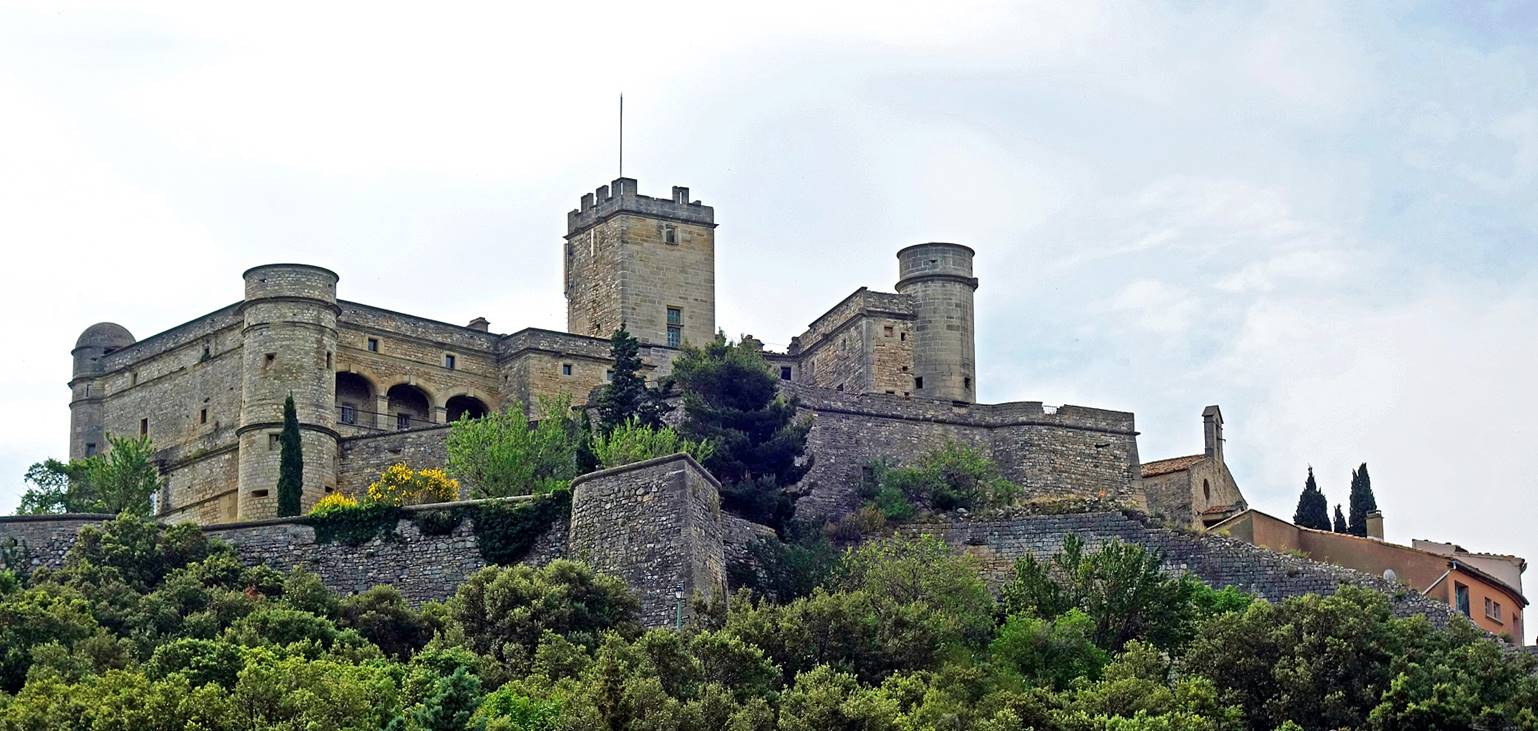
Le Barroux is
a small village famous both for its stunning location on a rock outcrop that
dominates the Comtat Venaissin
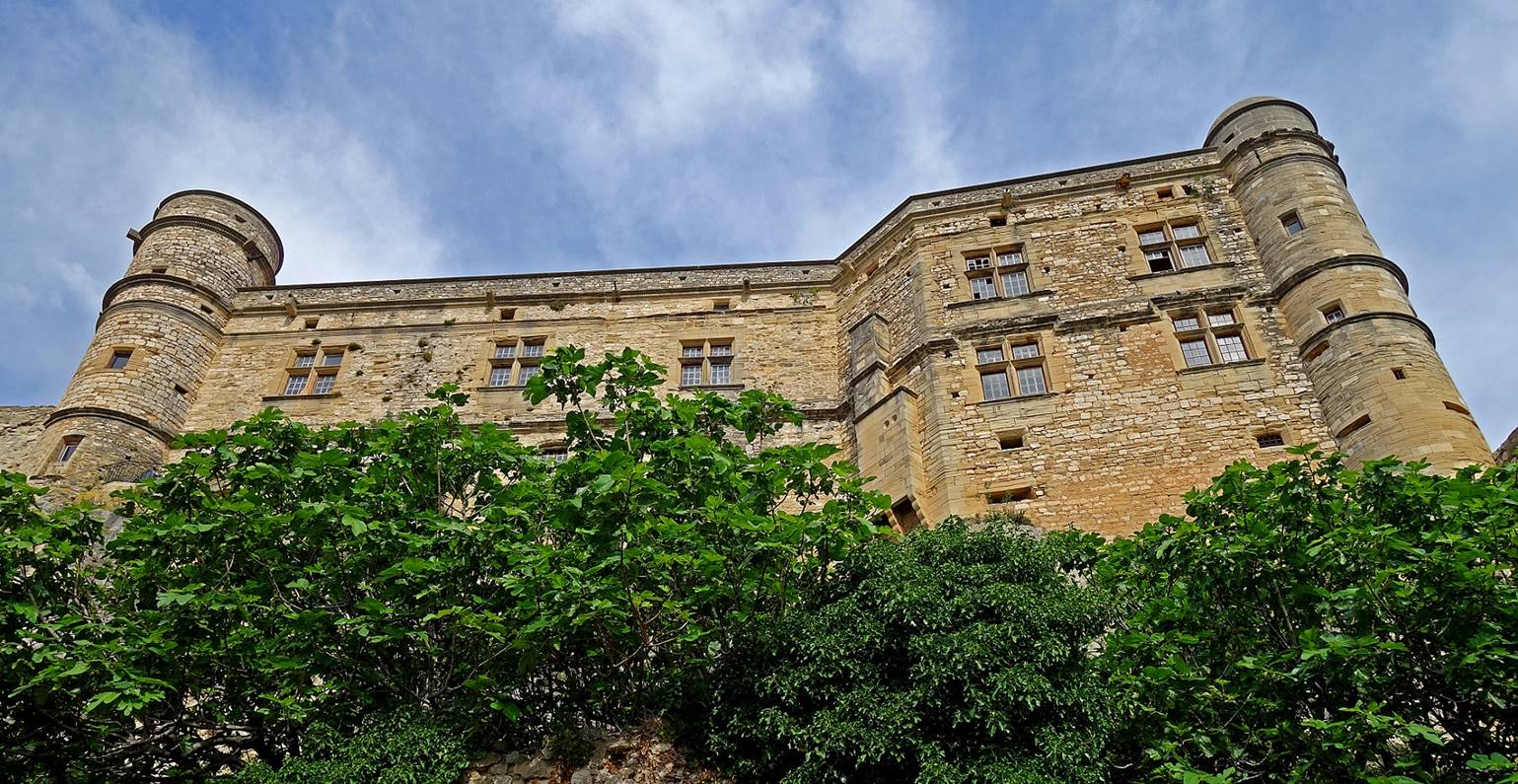
plain and for its imposing castle. The castle was first built as a fortress in
the 11th and 12th centuries to protect the Comtat Venaissin from Saracen and Italian invasions. It was
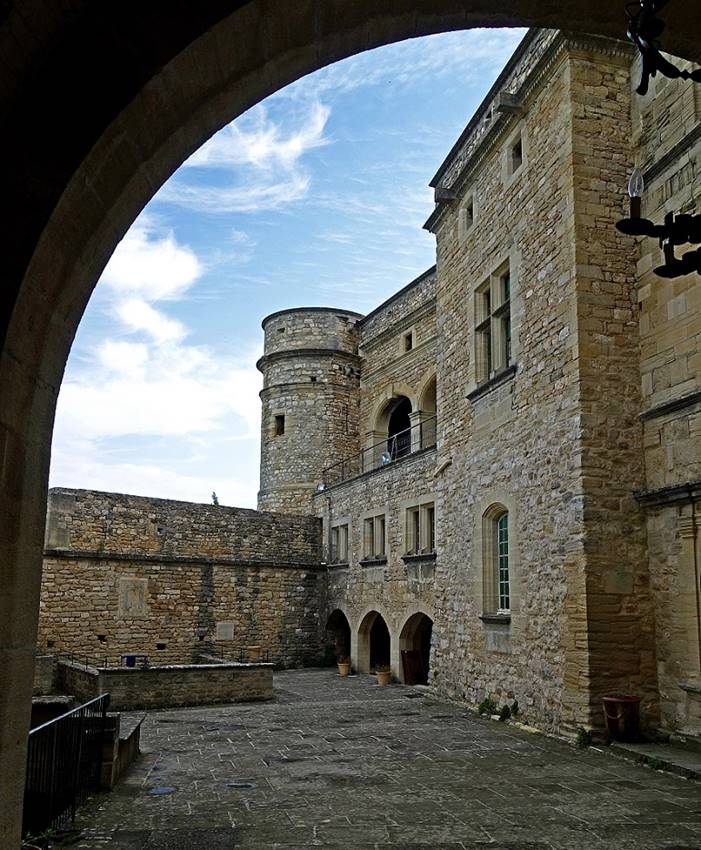
converted into a Renaissance residence in the 16th century. It suffered from
pillaging during the French Revolution, was abandoned in the 19th century,
restored in 1929, burned by German troops in 1944, and restored again in 1960.
- Views of the eastern facade of castle.
- View from the north-west.
- Inner courtyard (left) and access to
the adjacent chapel (right).
|
|
|
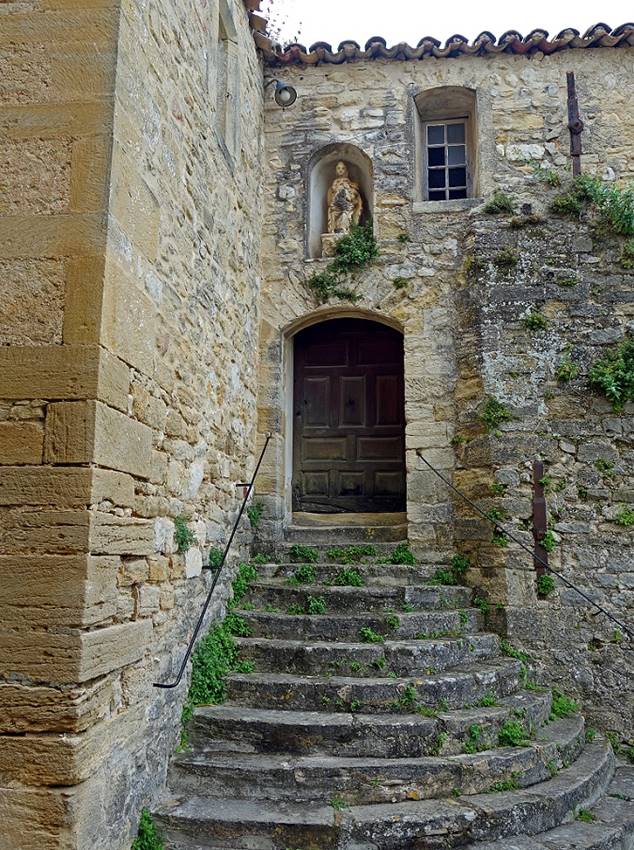
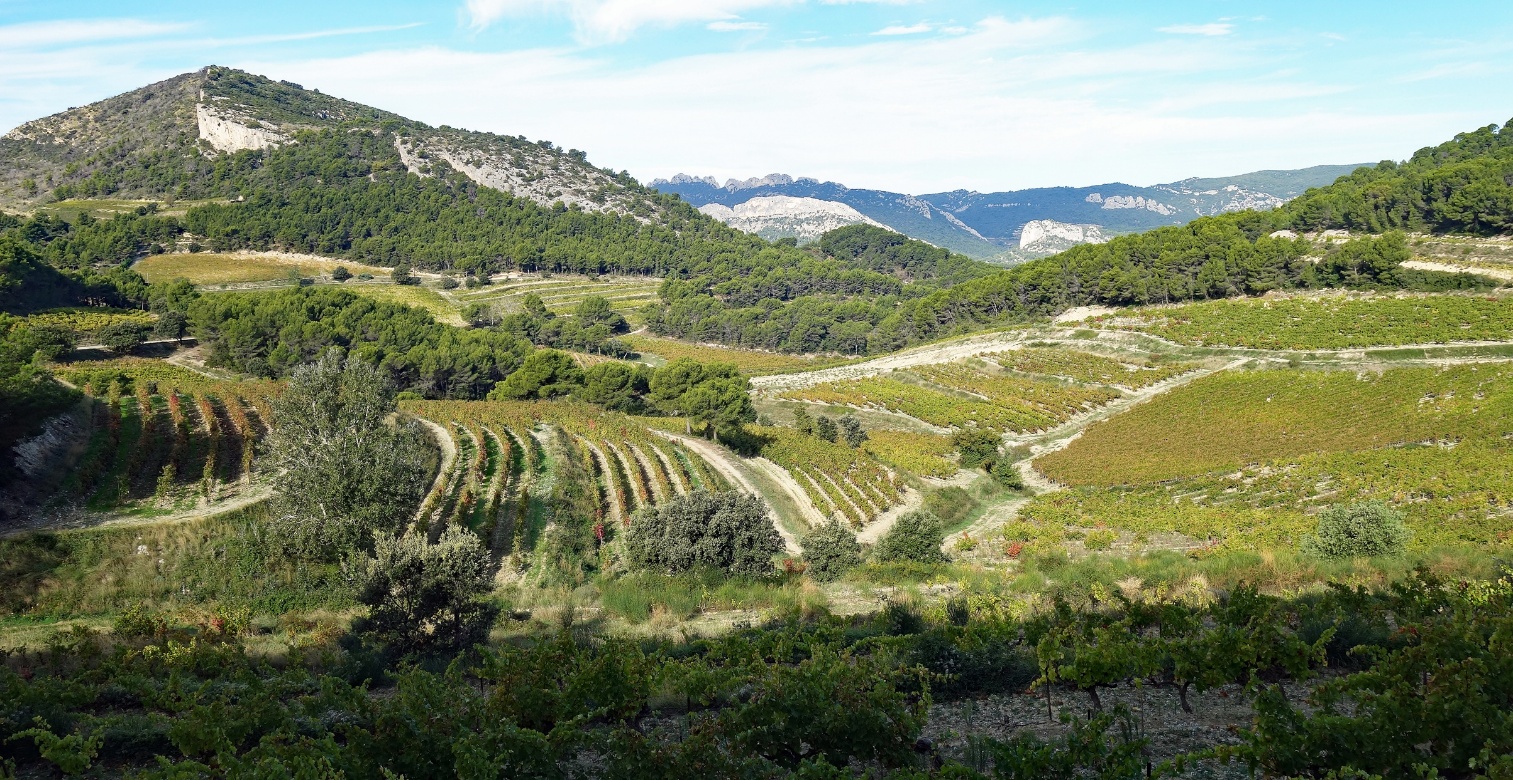
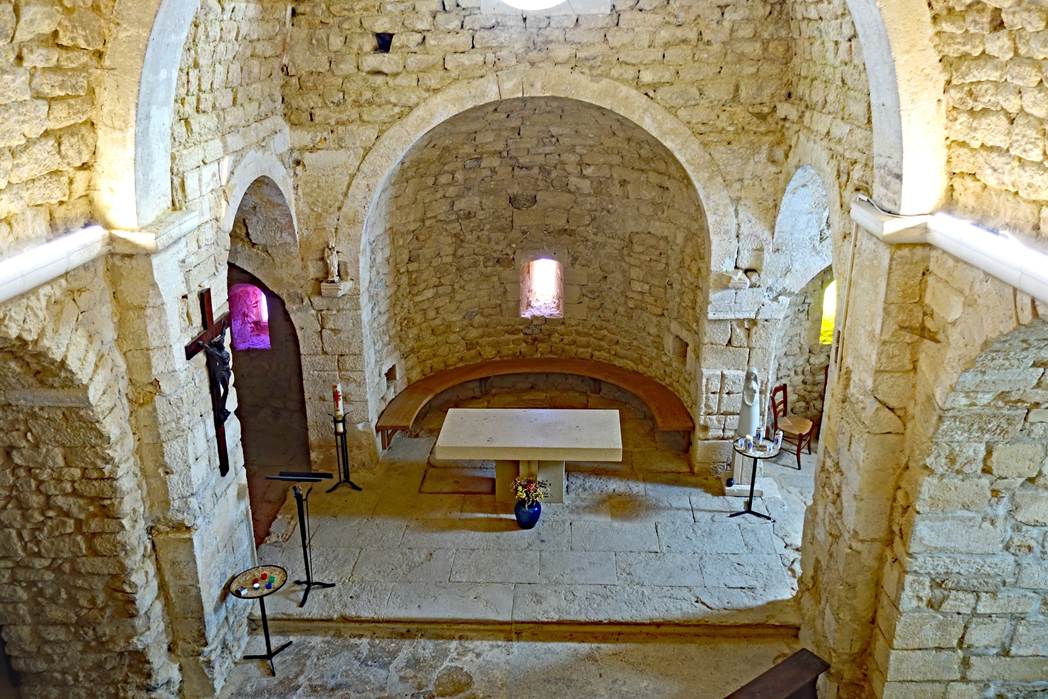
(October 2025) La Roque Alric and Suzette:
Two pretty villages close to each other, east of the Dentelles of Montmirail.
- La Roque Alric.
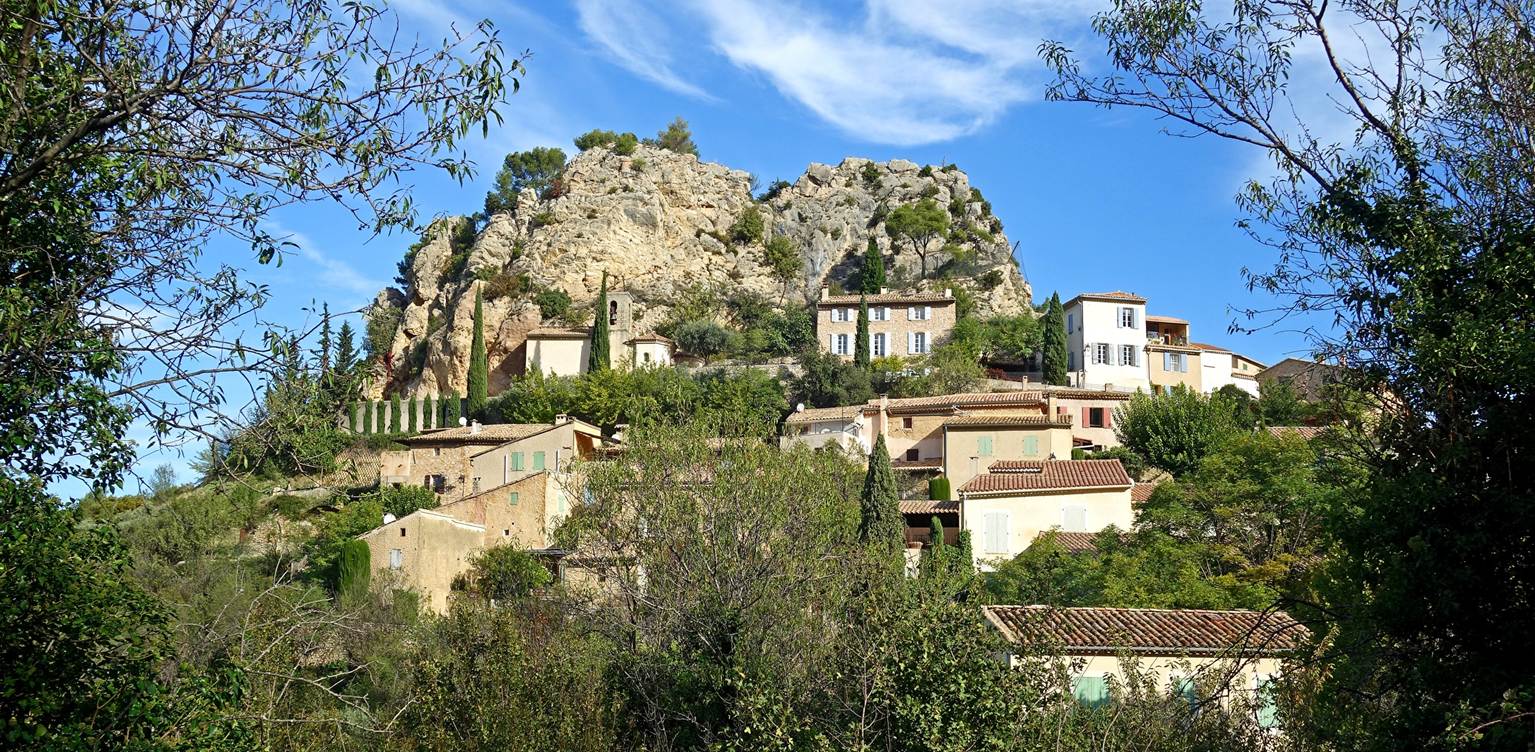
- Vineyards near La Roque-Alric.
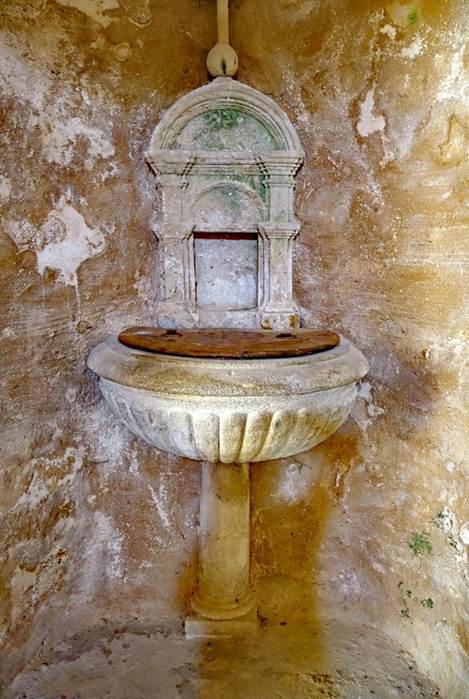
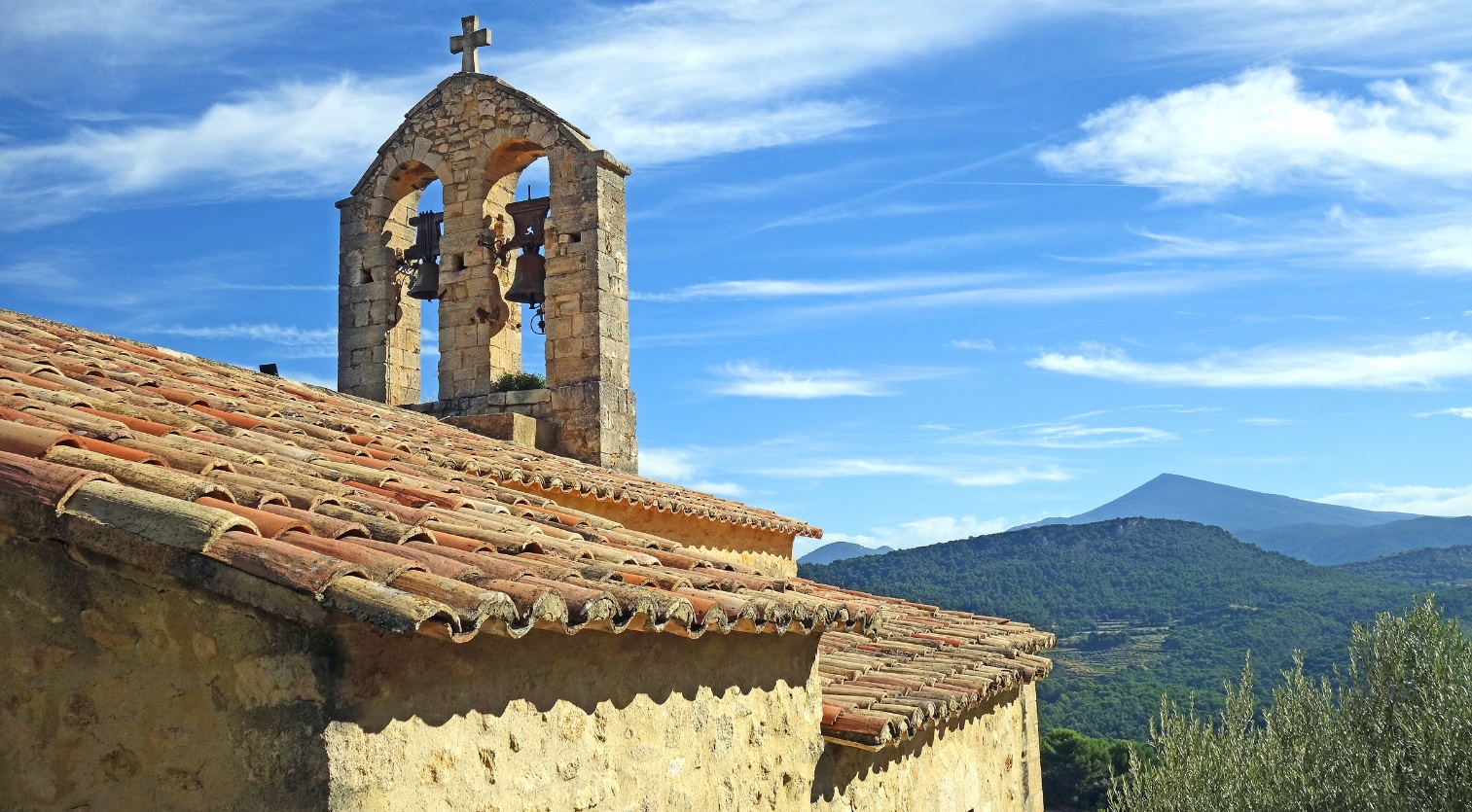
- Church of Notre-Dame de Suzette, a simple Romanesque chapel with
a direct view of the Ventoux. It was built at the end
of the 11th century, but damaged and restored multiple times since then.
|
|
|
(April 2022) Seguret:
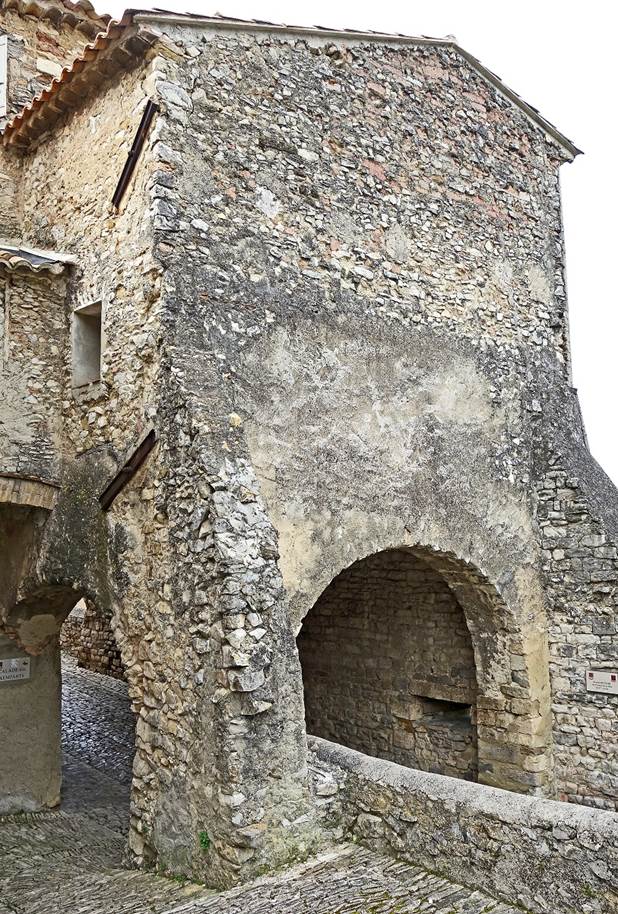
Medieval village built on a hill slope north of the
Dentelles of Montmirail, near the Gigondas
vineyards.
|
|
|
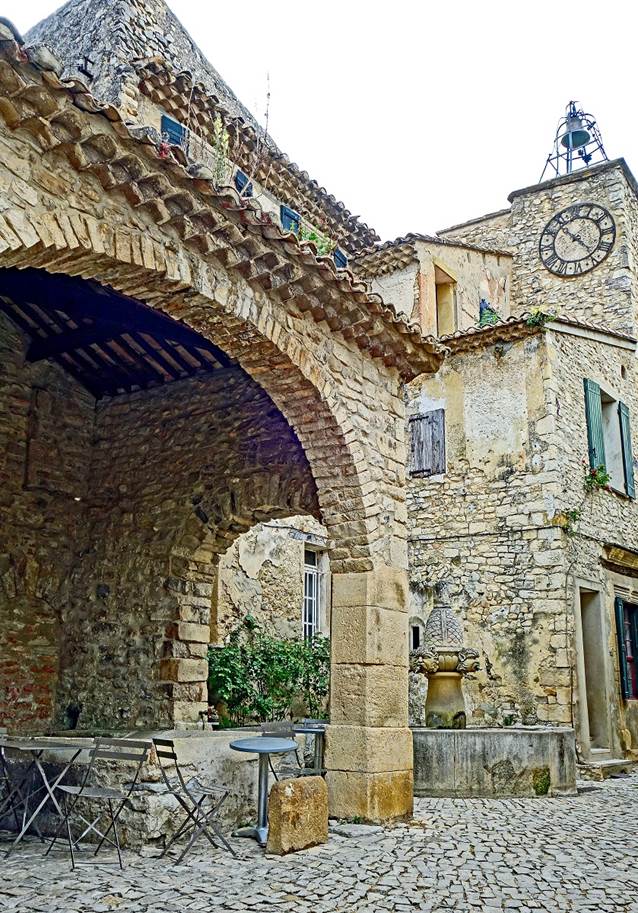
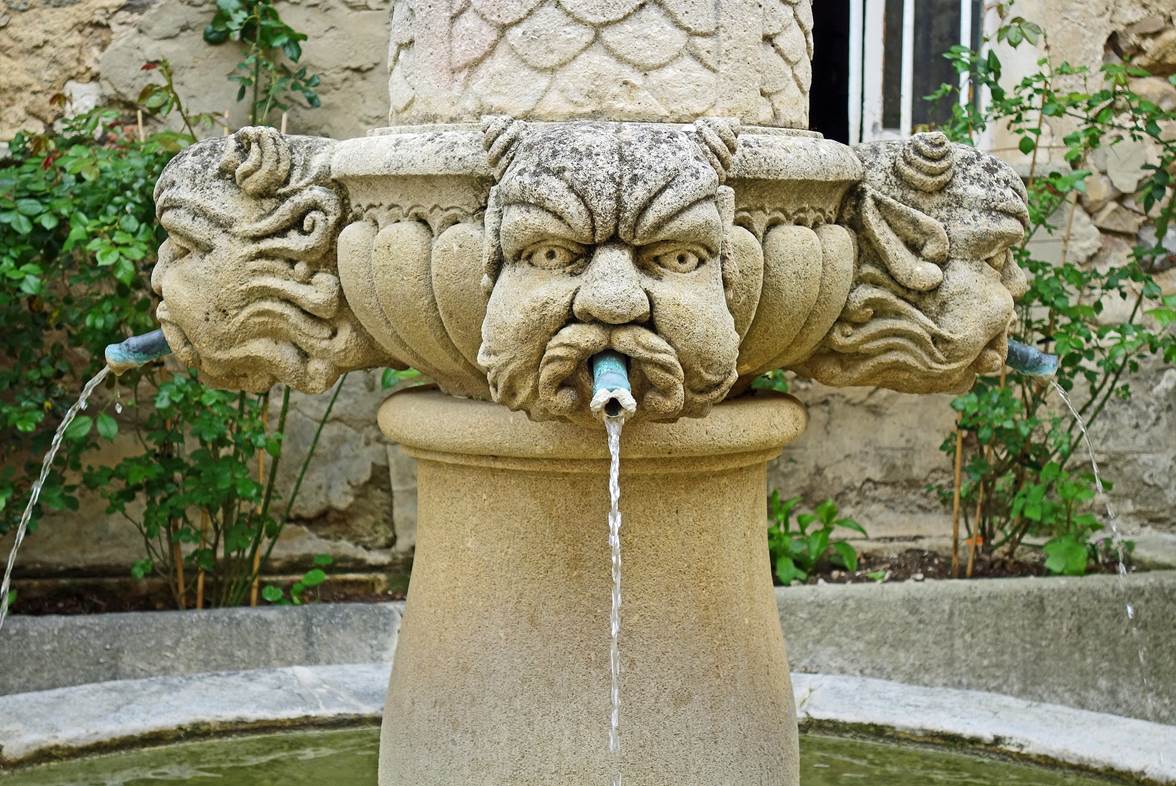
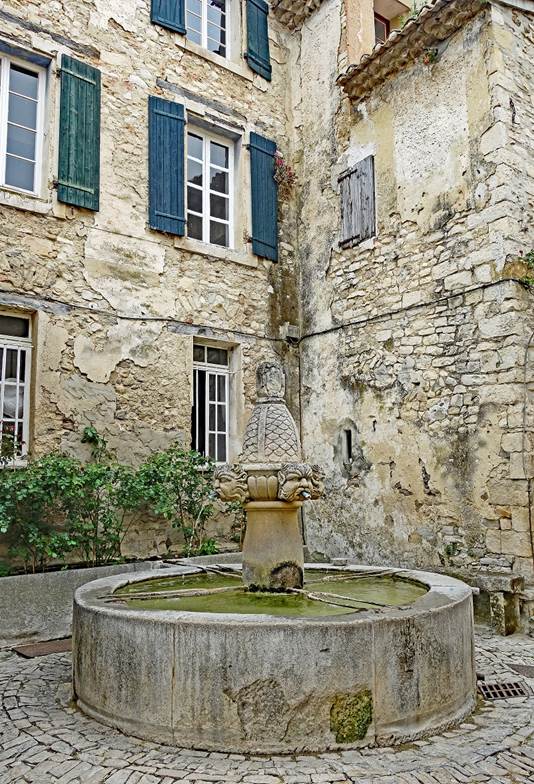
Fountain decorated with four mascarons.
|
|
|
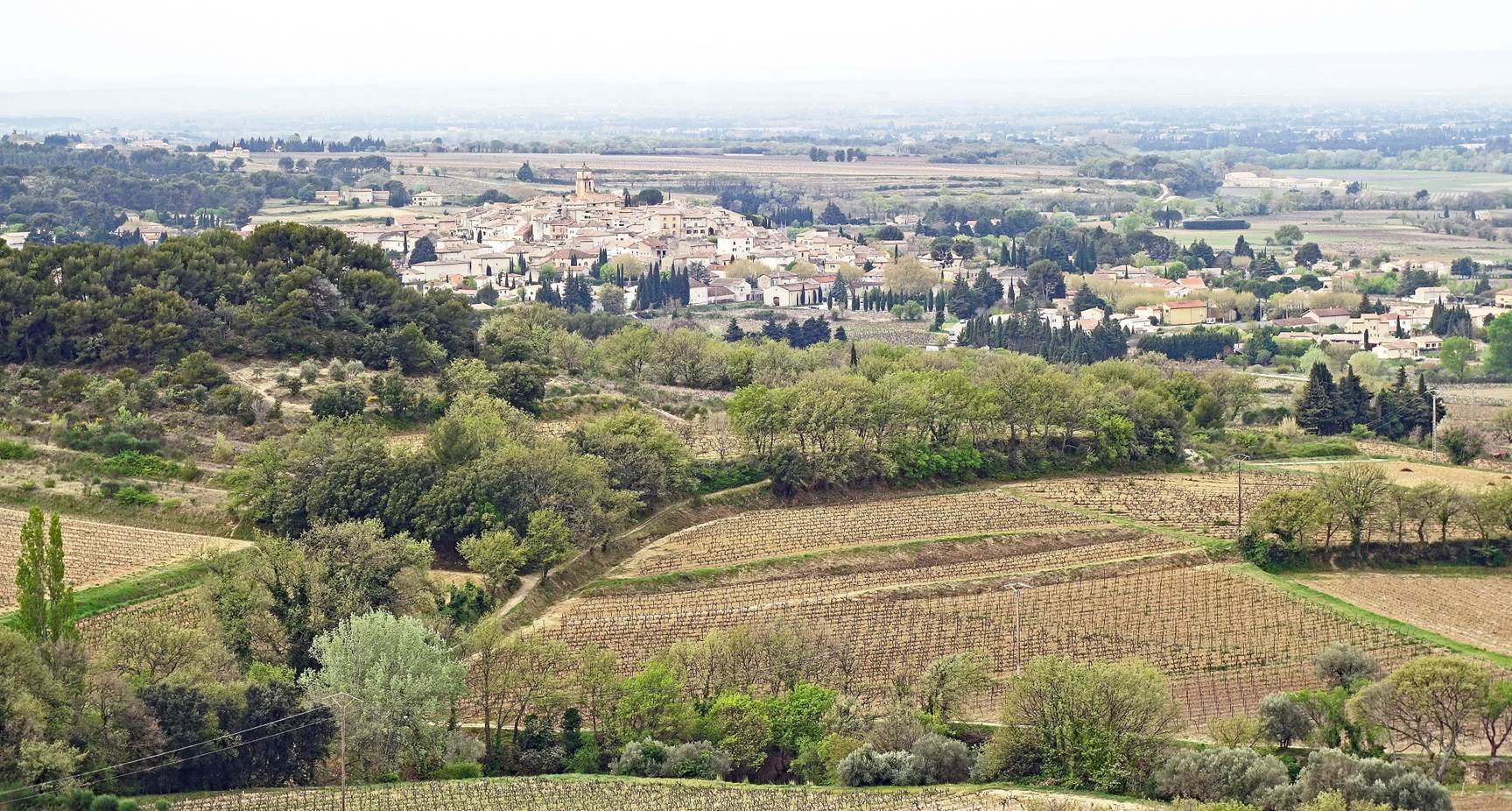
View over the village of Sablet from Seguret.
To directly access the second part of ″Villages
around Le Ventoux″, click here.
Back to
main France page | Back to my
mountaineering/trekking/travel webpage