Aizu-wakamatsu
and surroundings,
Fukushima Prefecture, Northern Honshu,
Japan (May-June 2025)

Back to main Japan May-June 2025 page
The castle
town of Aizu-wakamatsu is known across Japan as the
site of a major battle during the Boshin war
(1868-1869), which was fought immediately after the Meiji restoration (January
1868) between the Imperial forces and forces still supporting the former
Tokugawa shogunate. A supporter of the shogunate, the Aizu lord sided against
the new government and his Tsuruga castle was one of
the last strongholds to fight the Imperial army (battle of Aizu). After a month
of bloody resistance around the castle, his numerically inferior army was
defeated in October 1868. In this battle a group of teenage soldiers, the Byakkotai, became famous (see below).
This page
shows photos of various sites in the current city of Aizu-wakamatsu
and its surroundings (Ensoji and Kitakata).
To see the locations of the places pictured below, click here. (A Google map with red markers will
open in a new tab.)
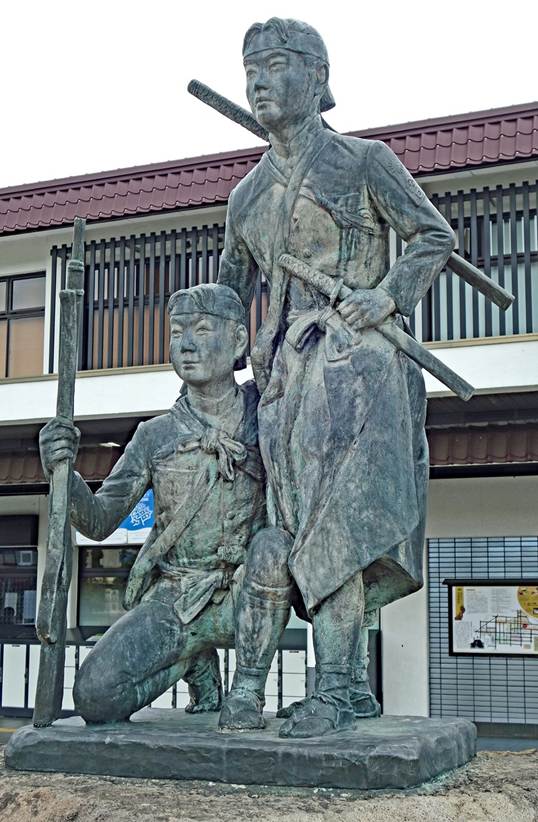
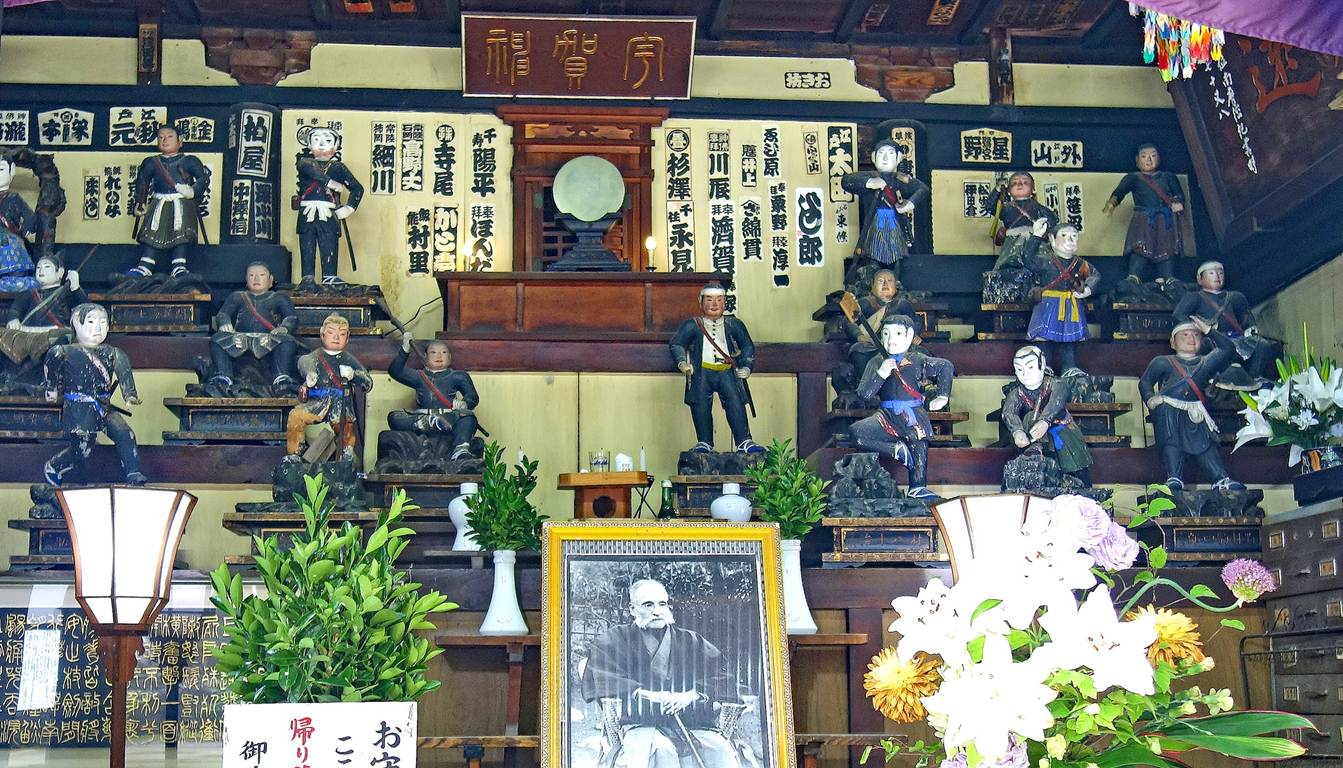
Statue of two Byakkotai soldiers.
The Byakkotai (白虎隊; "White Tiger Unit") was a squad of about 300
teenage students from the Nisshinkan samurai school of
the Aizu domain. As the Aizu forces were outnumbered, they were called upon to
fight during the Boshin war. Today, they are
considered symbols of brotherhood and loyalty to their lord. This bronze statue
stands in front of the station of Aizu-wakamatsu.
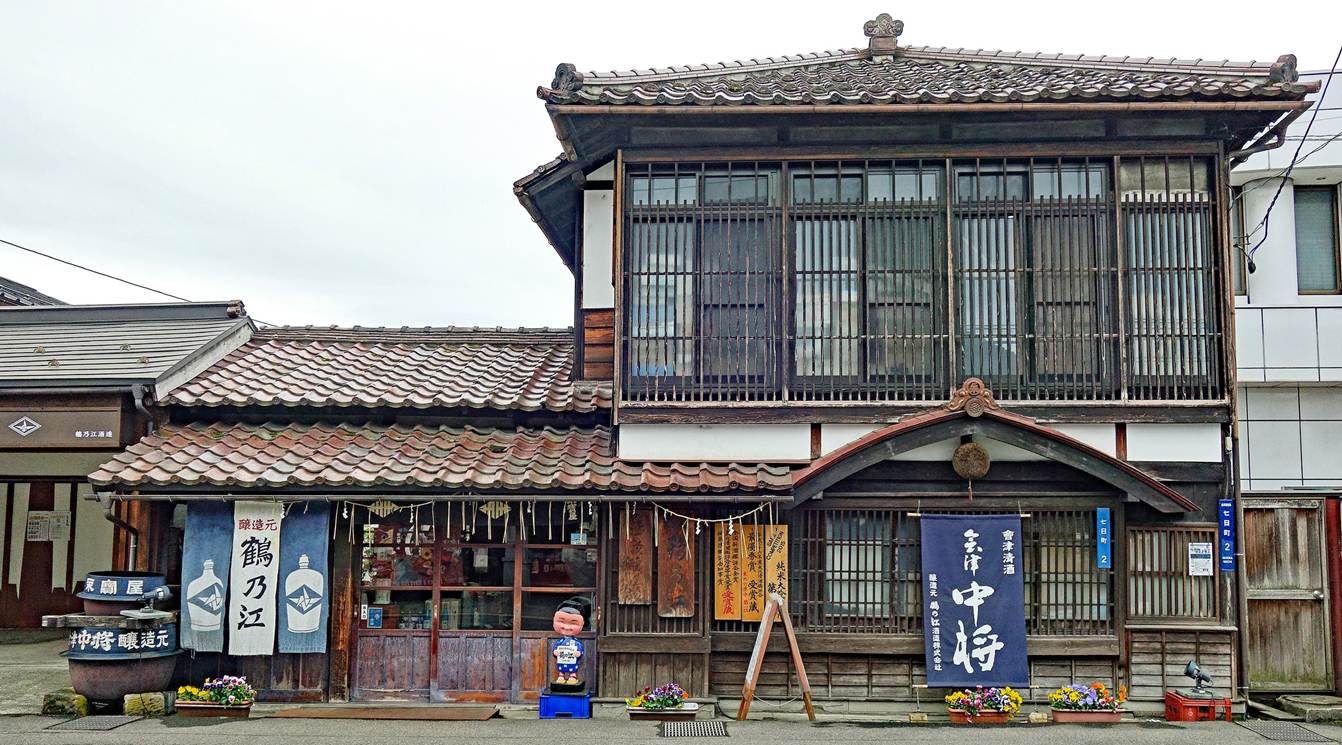
Neighborhood
around Nanokamachi-dori.
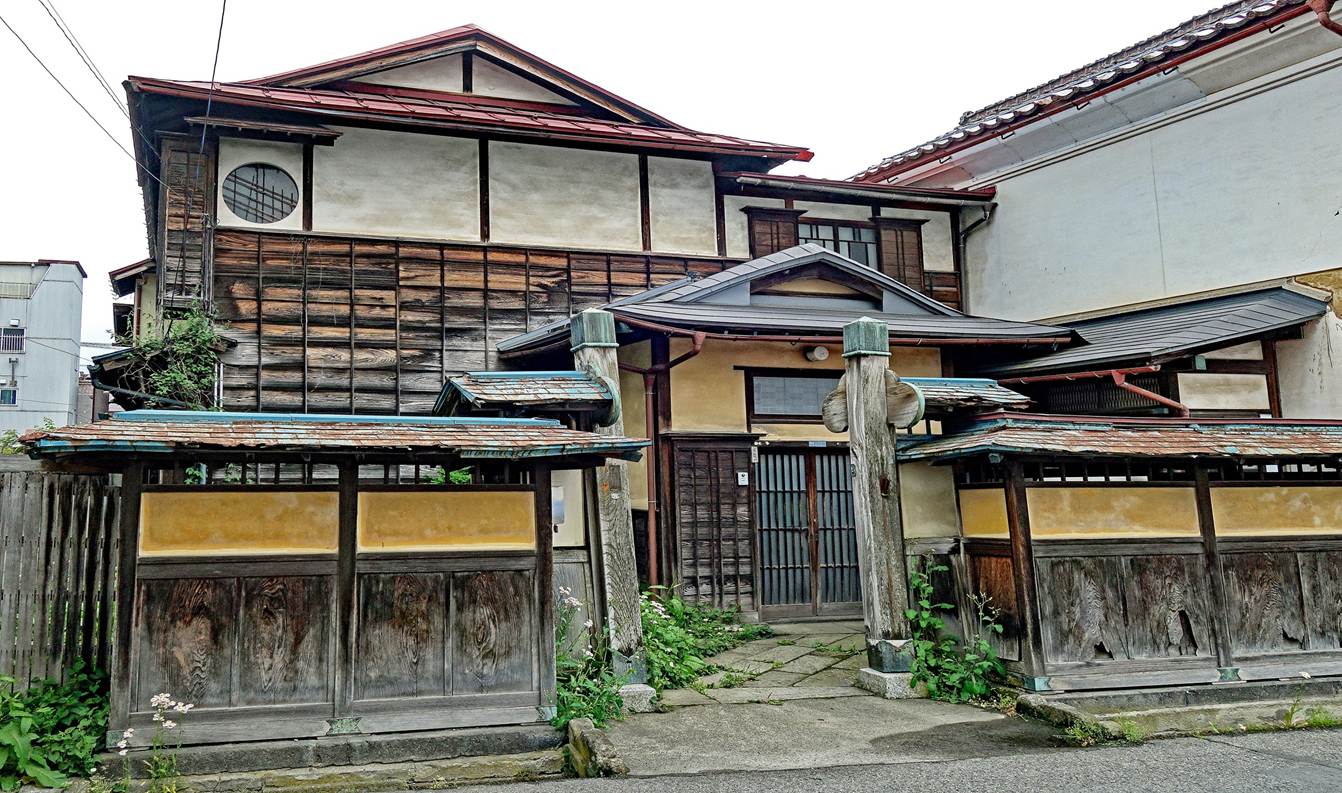
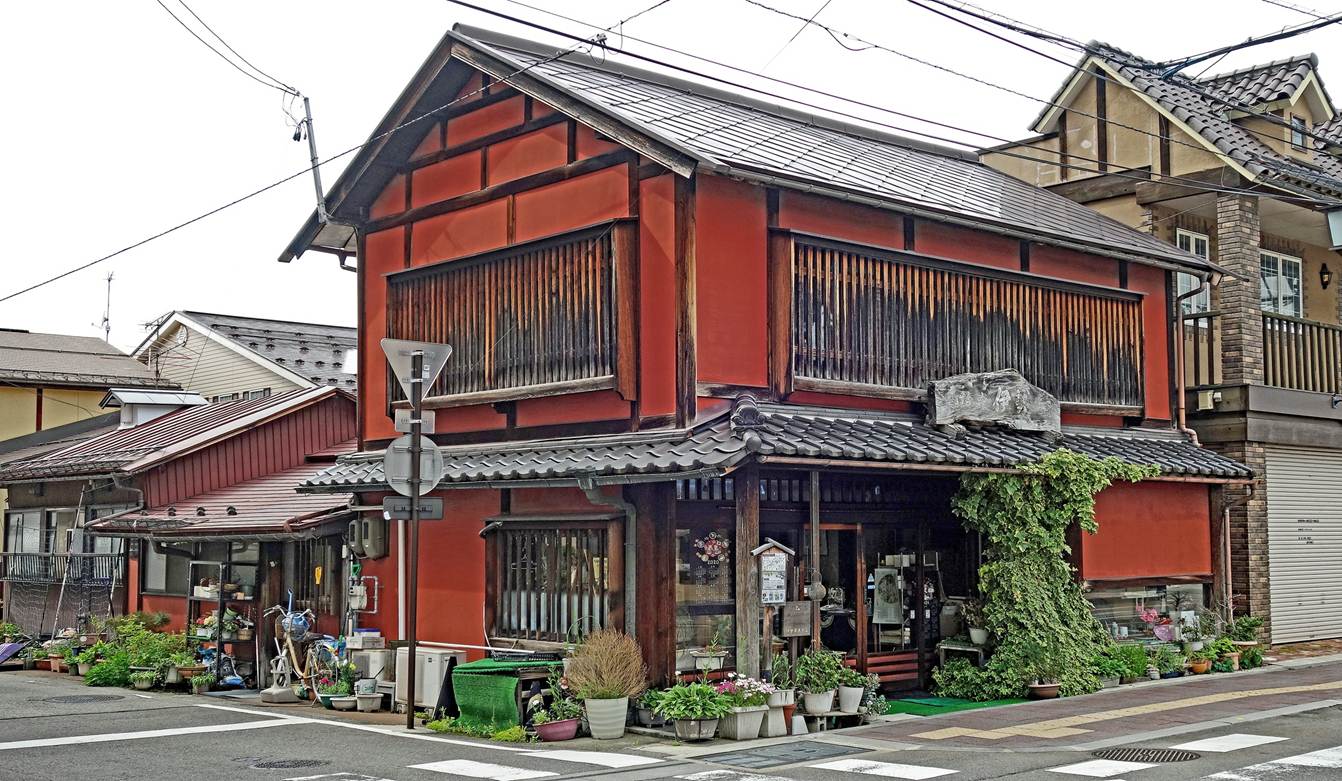
A variety of buildings dating from the Edo-period
are scattered in this neighborhood located a short distance southwest of the
station.
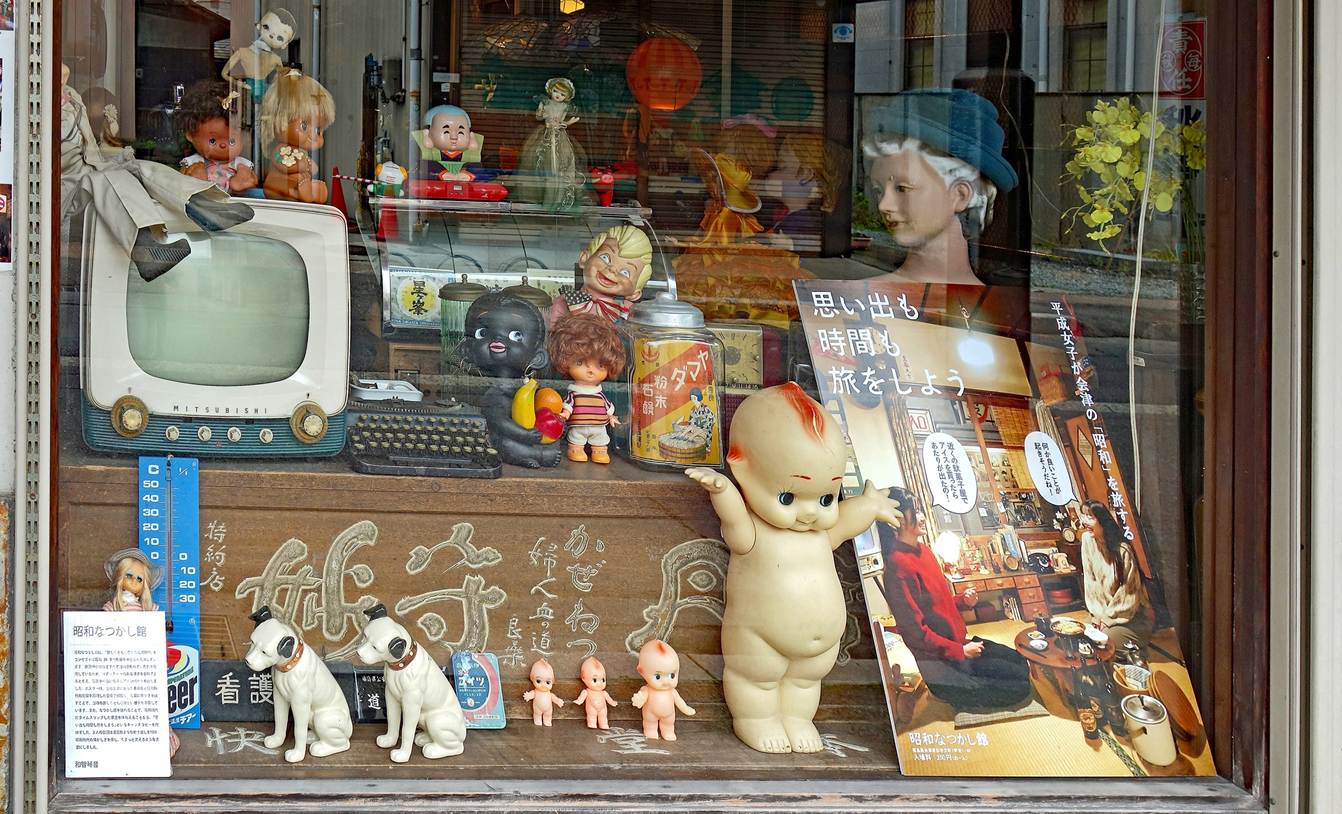
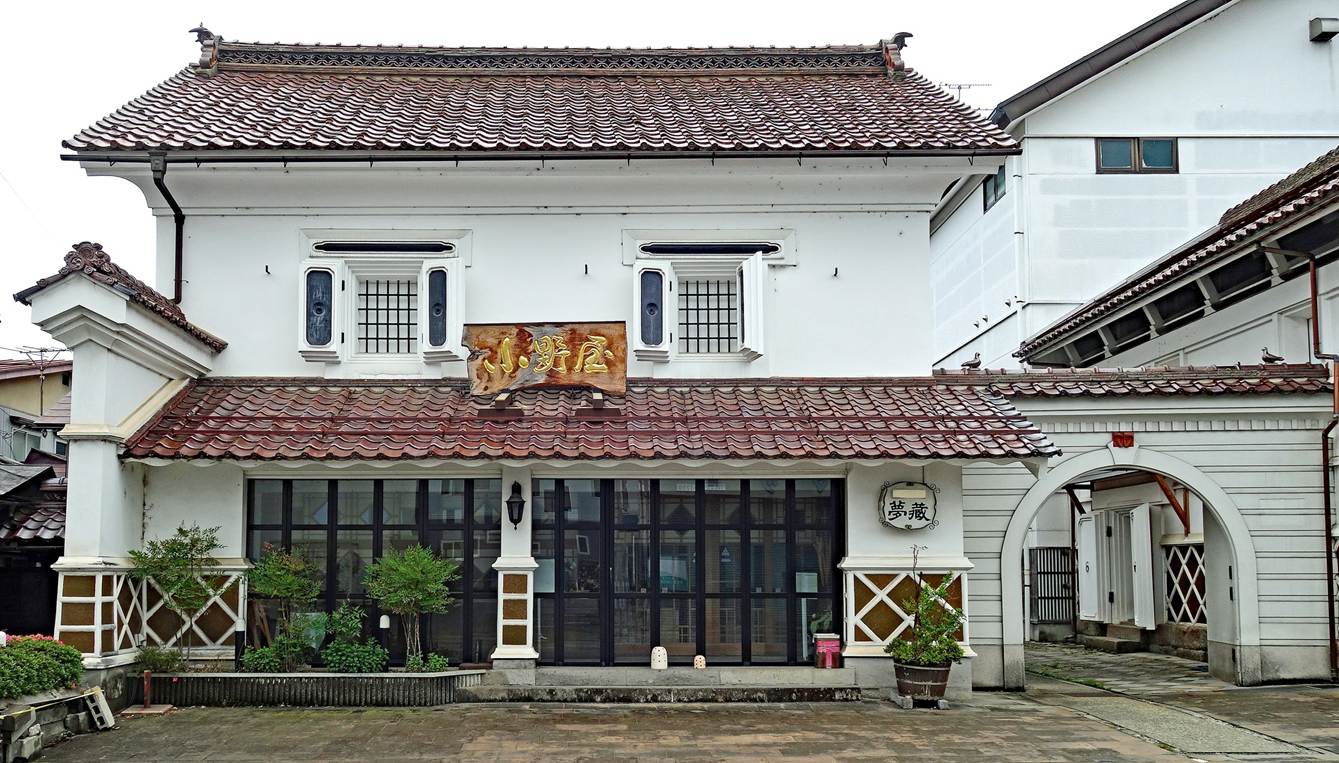
Window display of a store that appears to date from
the 1960s located in one of the buildings.
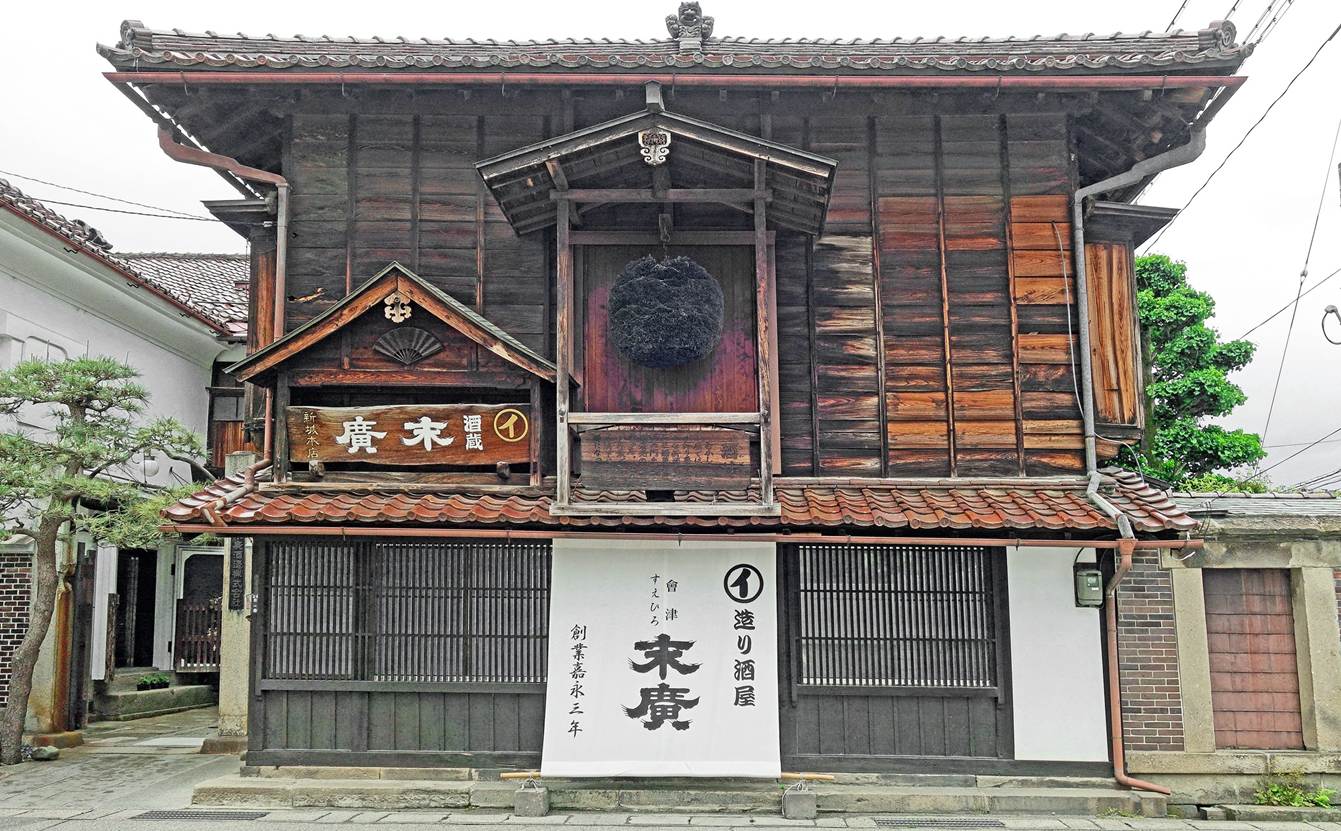
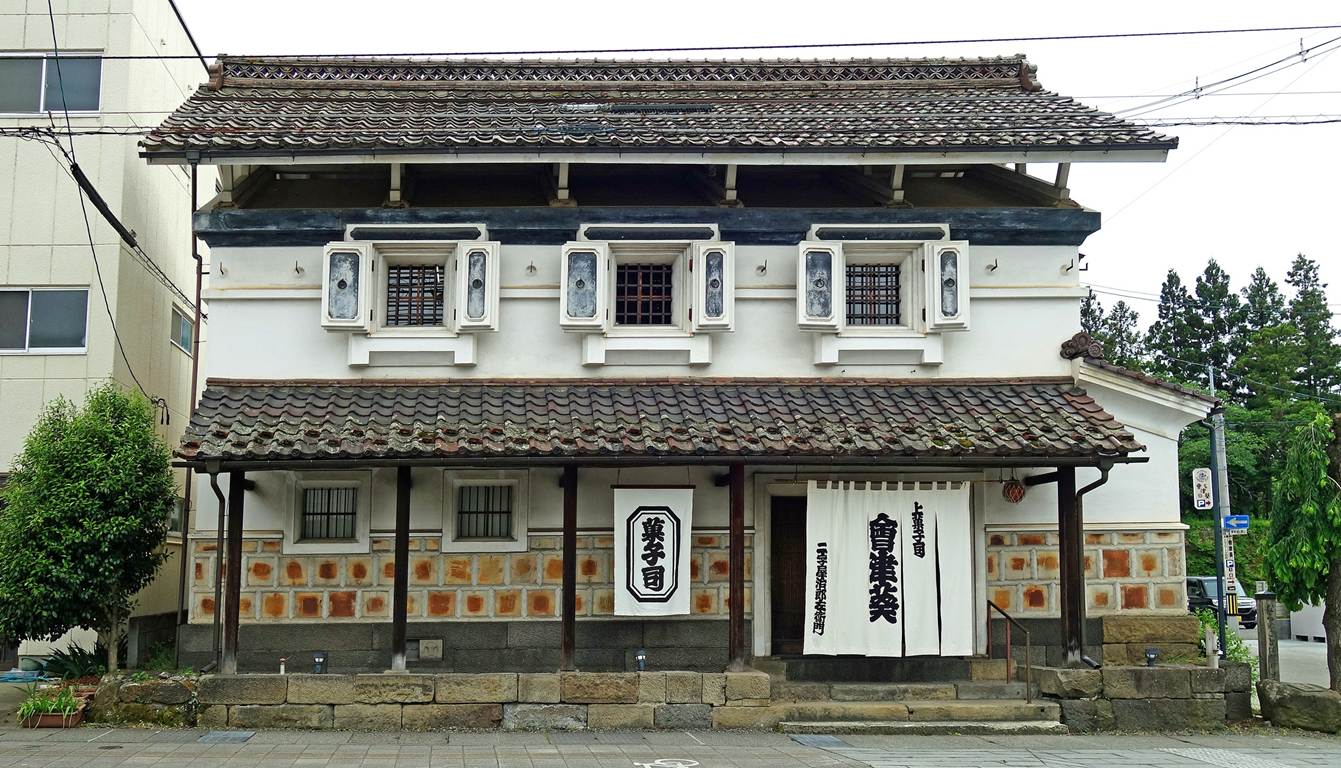
Facade of the Suehiro sake
brewery:
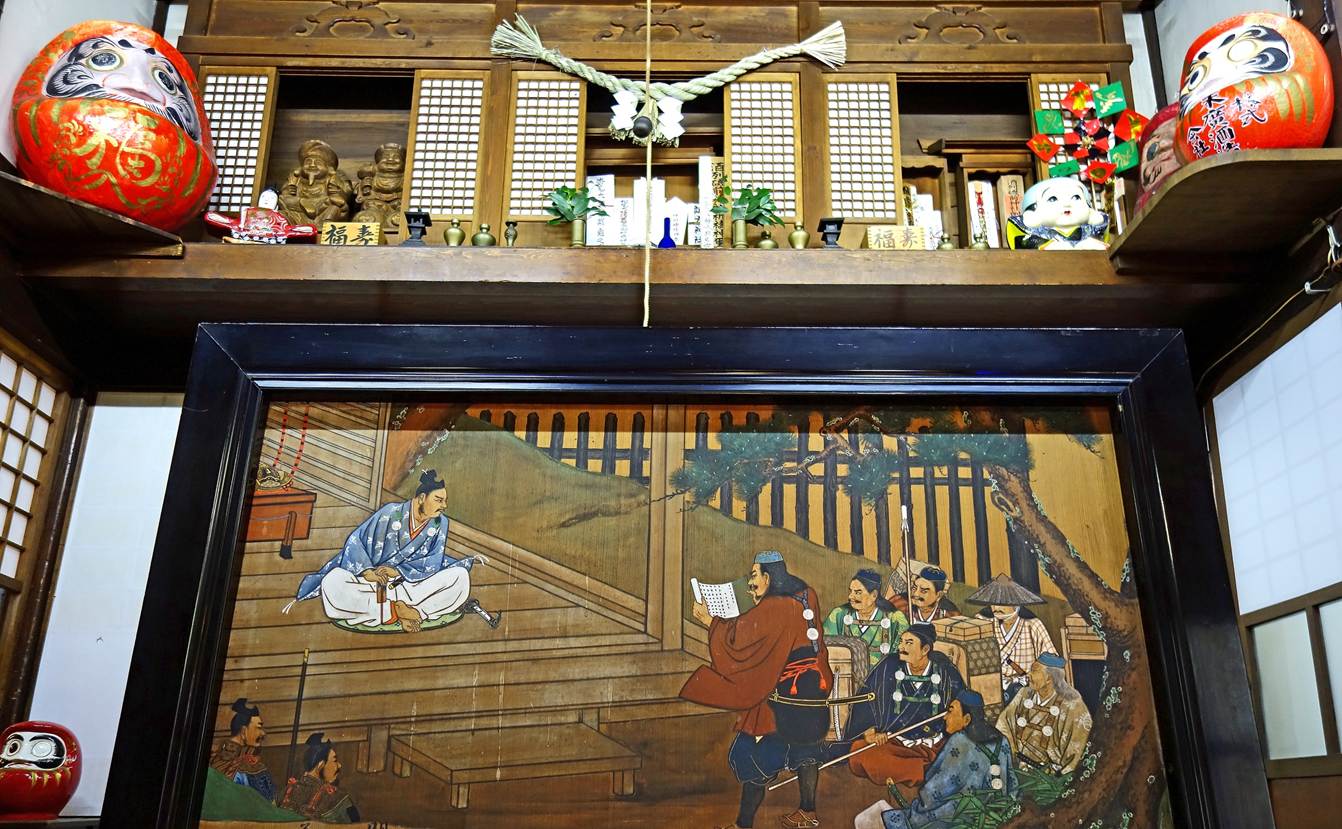
Small shrine above a large painting inside the Suehiro sake brewery.
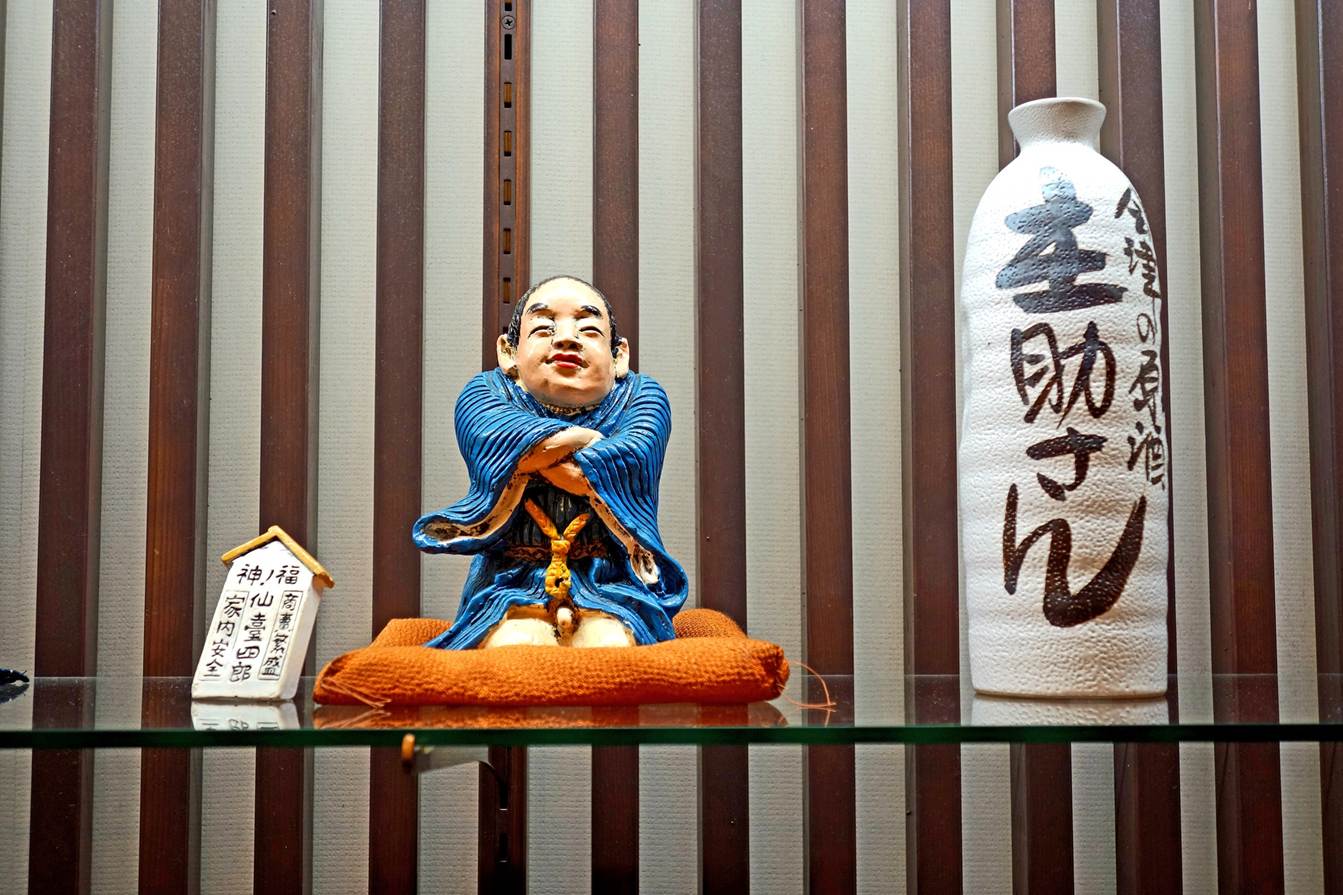
Figurine representing Sendai Shiro, the god of
fortune, sitting next to a bottle of sake in the Suehiro
sake brewery.
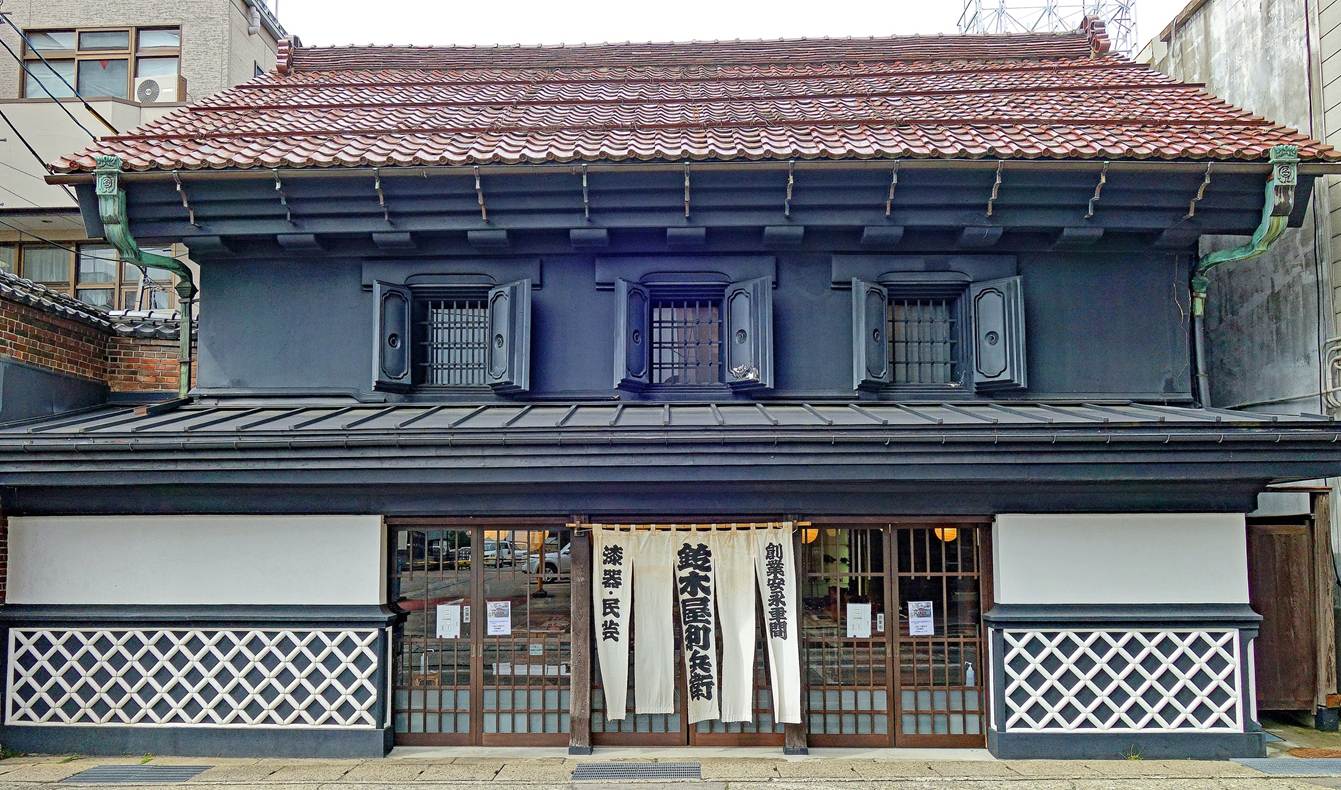
Kuras (former warehouses made of thick adobe walls)
restored as houses, shops, or hotels. [For more details, see further down
the section ″Kura of Kitakata″.]
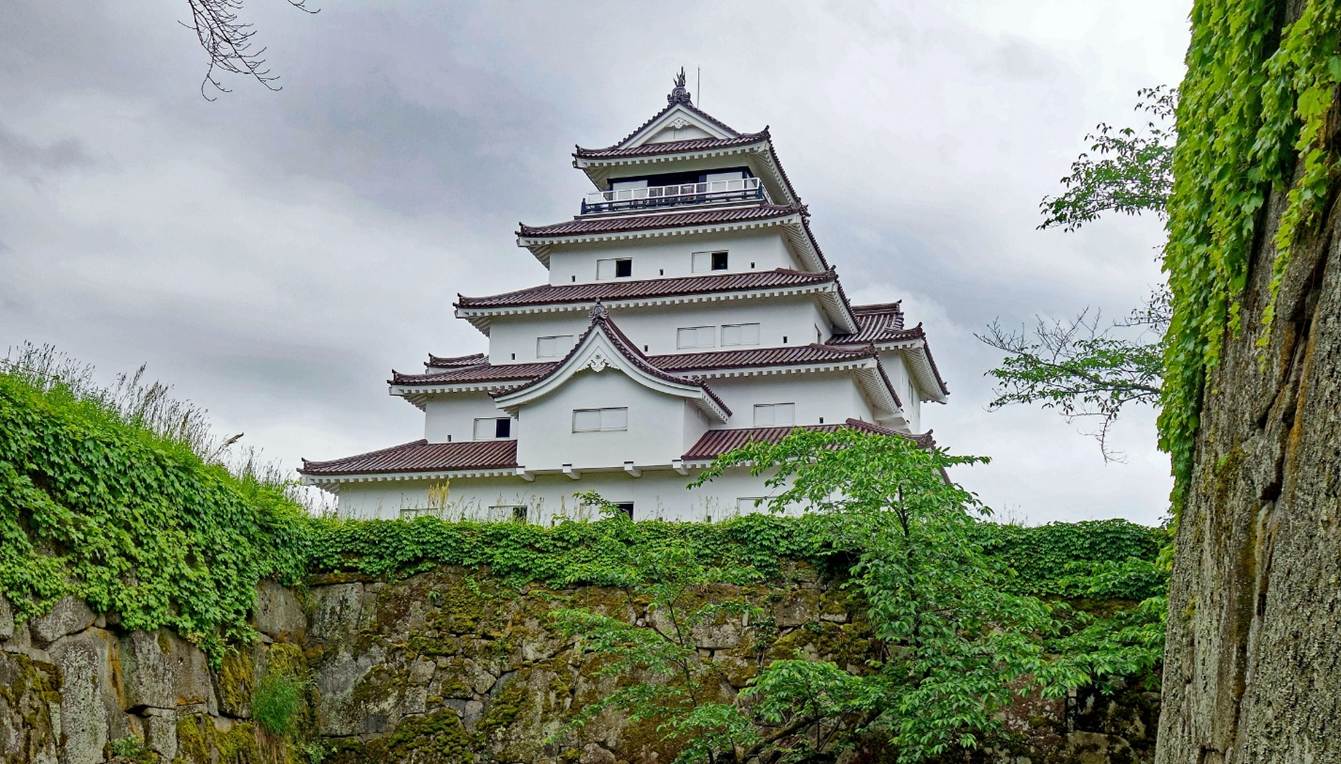
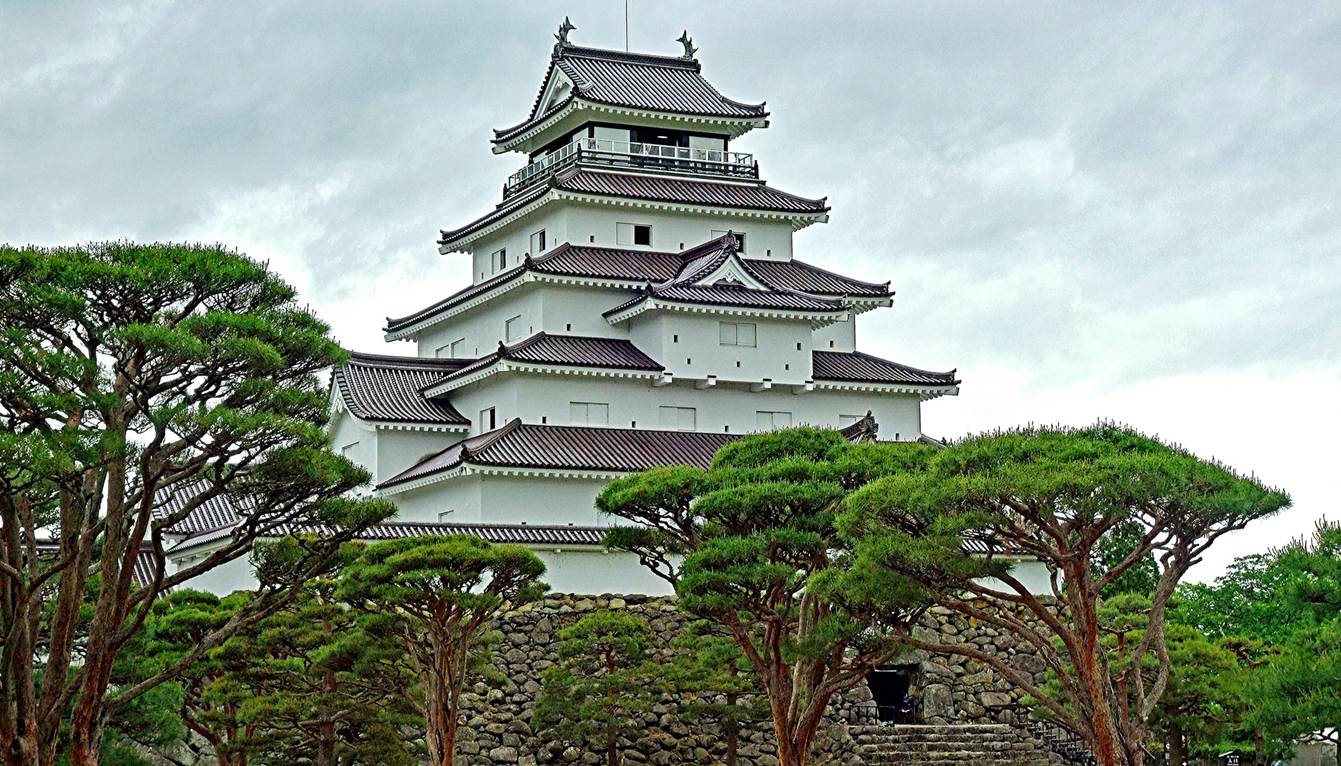
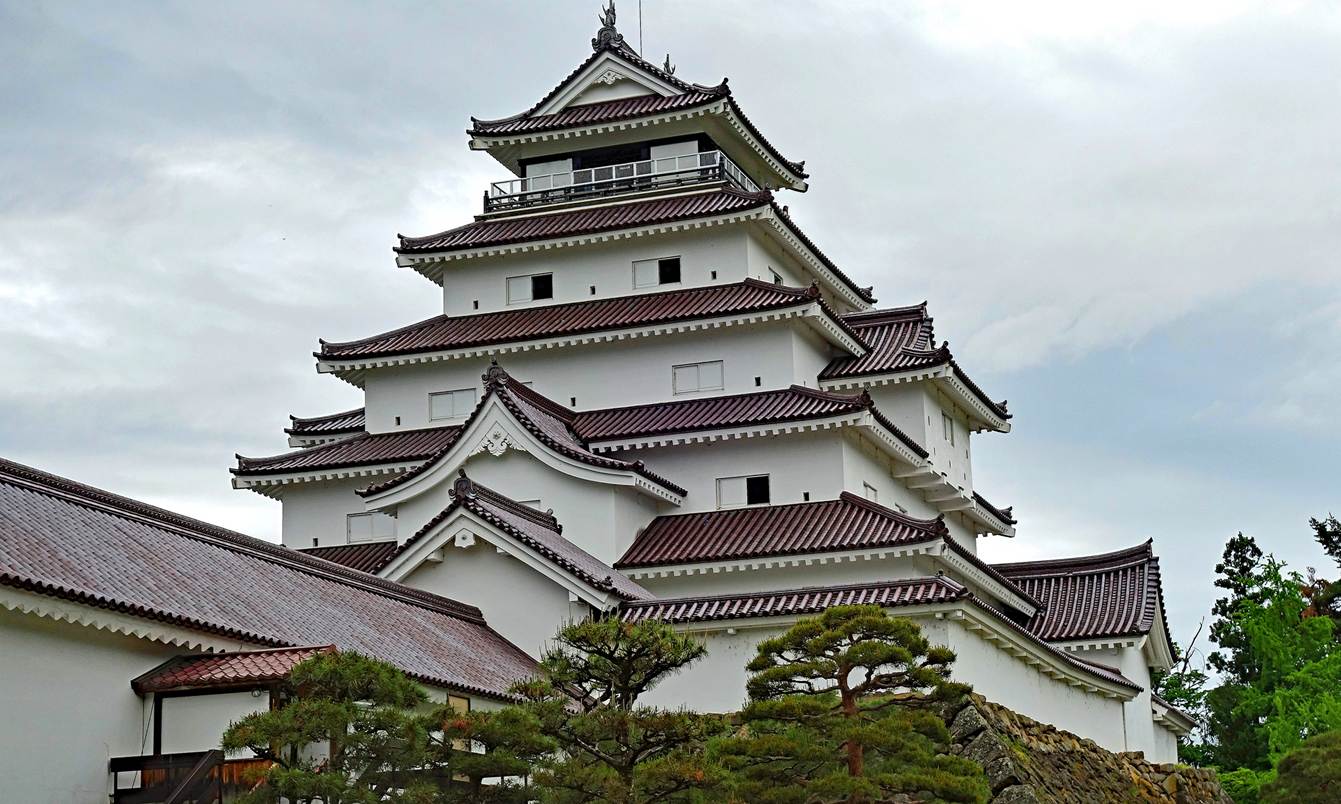
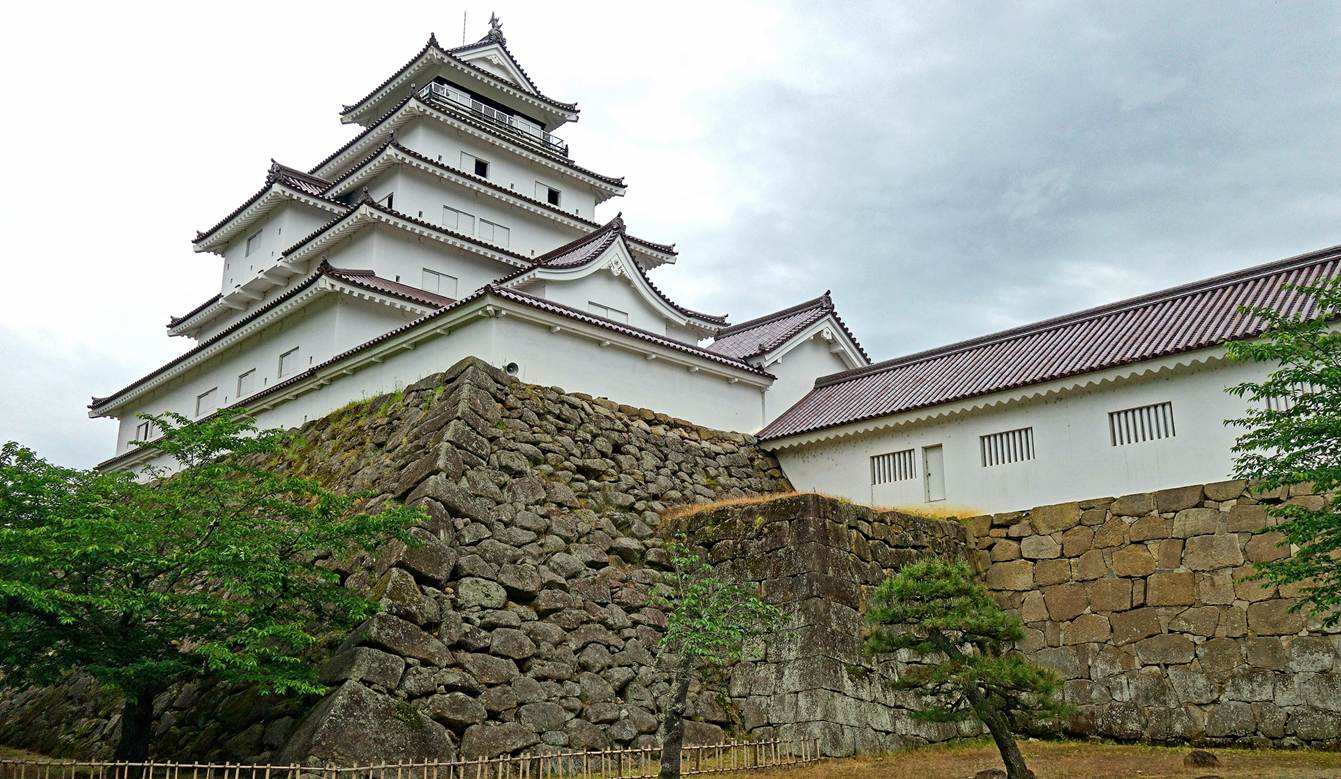
Tsuruga
castle.
It is located about 2.5km south of the Aizu-wakamatsu station. The original castle, built in 1384, was
destroyed in 1874 after the Boshin war. The current
castle is a reconstruction from the 1960s. The red color of the roof tiles,
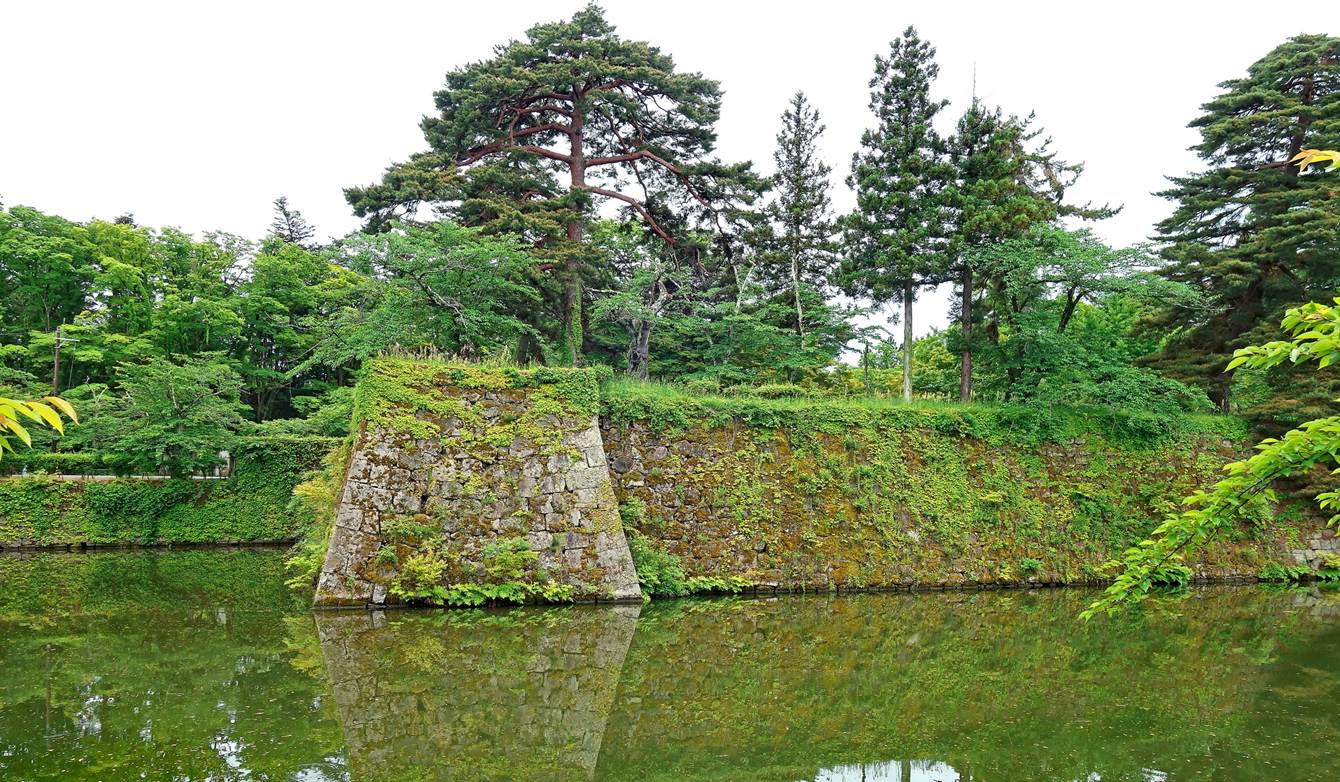
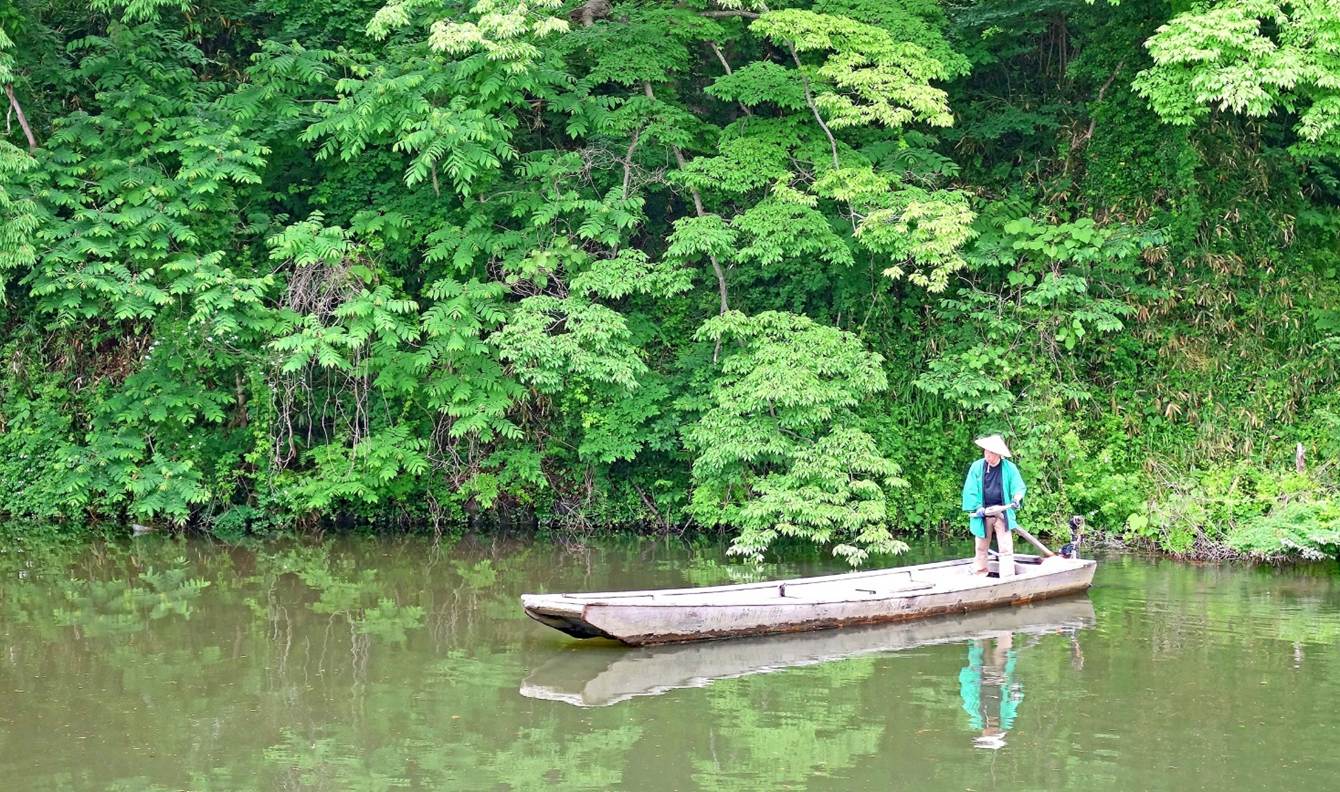
their original color, is unique among Japanese castles. The moat and some
defensive walls around the castle are original.
Moat and walls around the castle.
Views of the
castle from different sides.
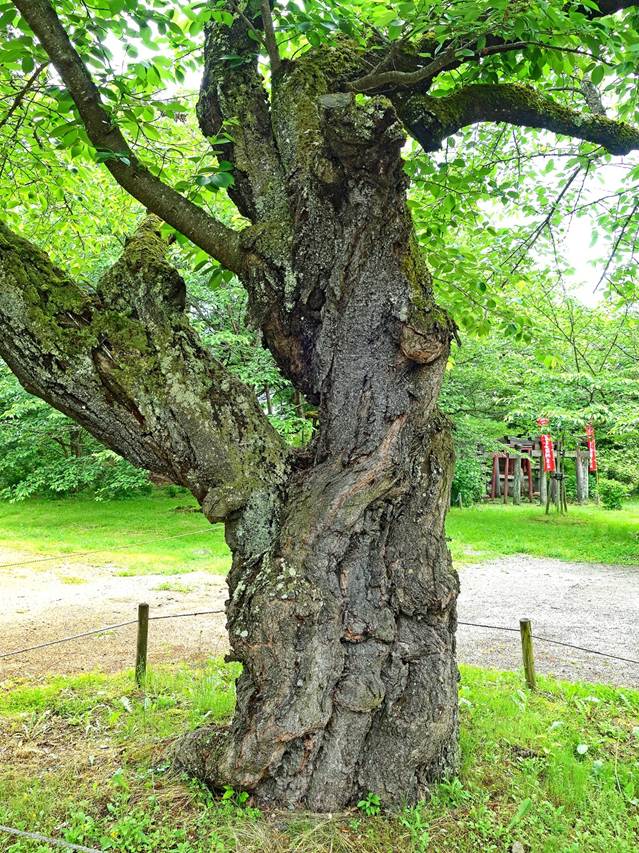
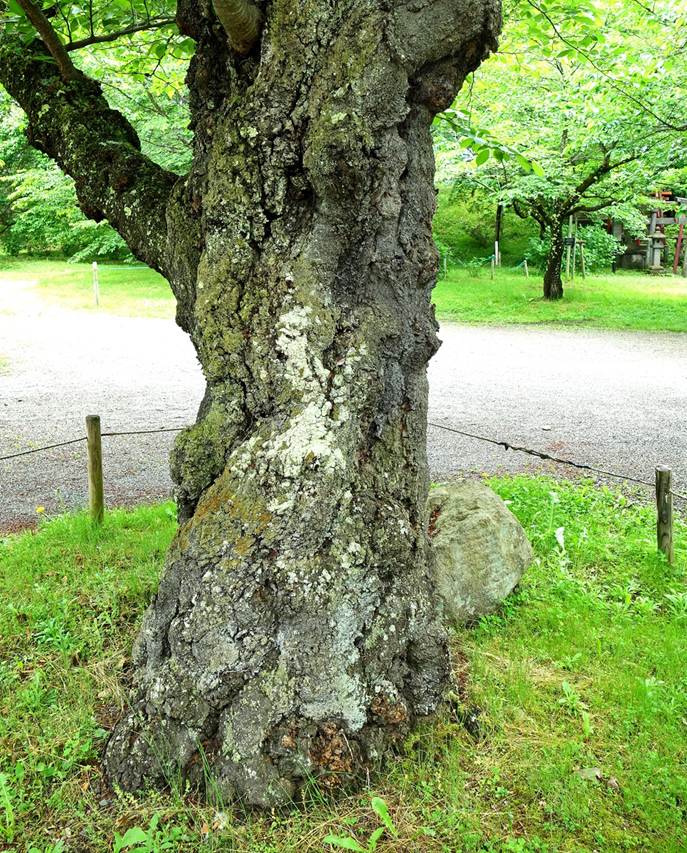
Trunks of old
cherry trees in the park surrounding the castle.
|
|
|
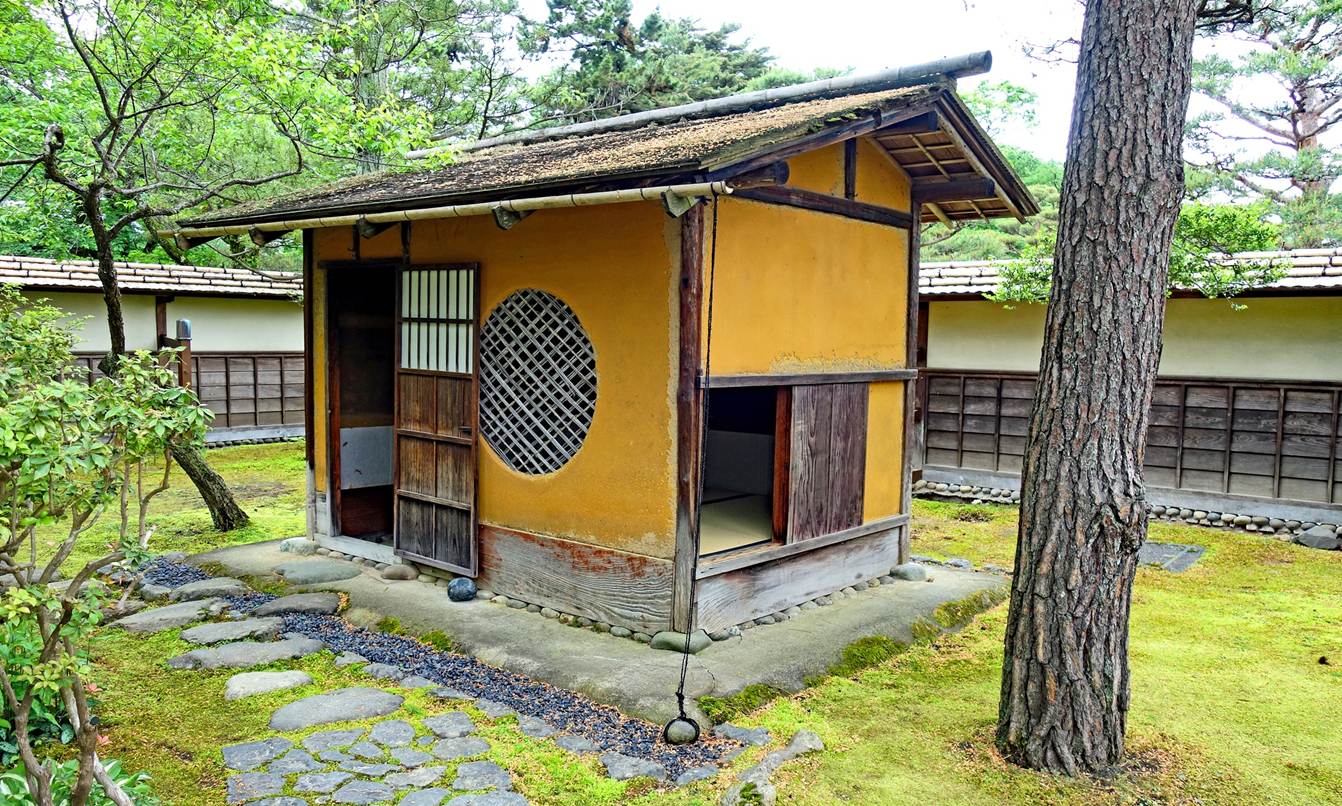
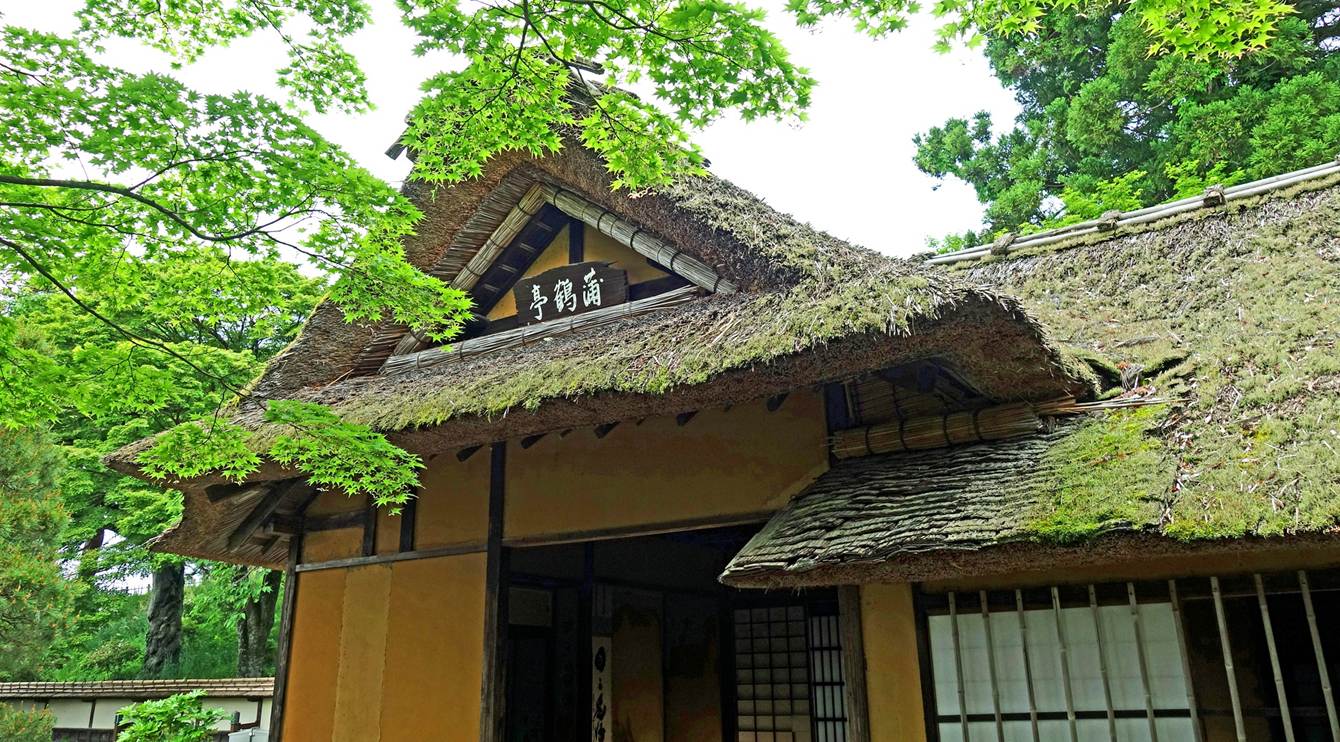
Small
pavilions in the castle's park. They were moved before the castle's destruction
and reinstalled in the castle grounds in the 1990s.
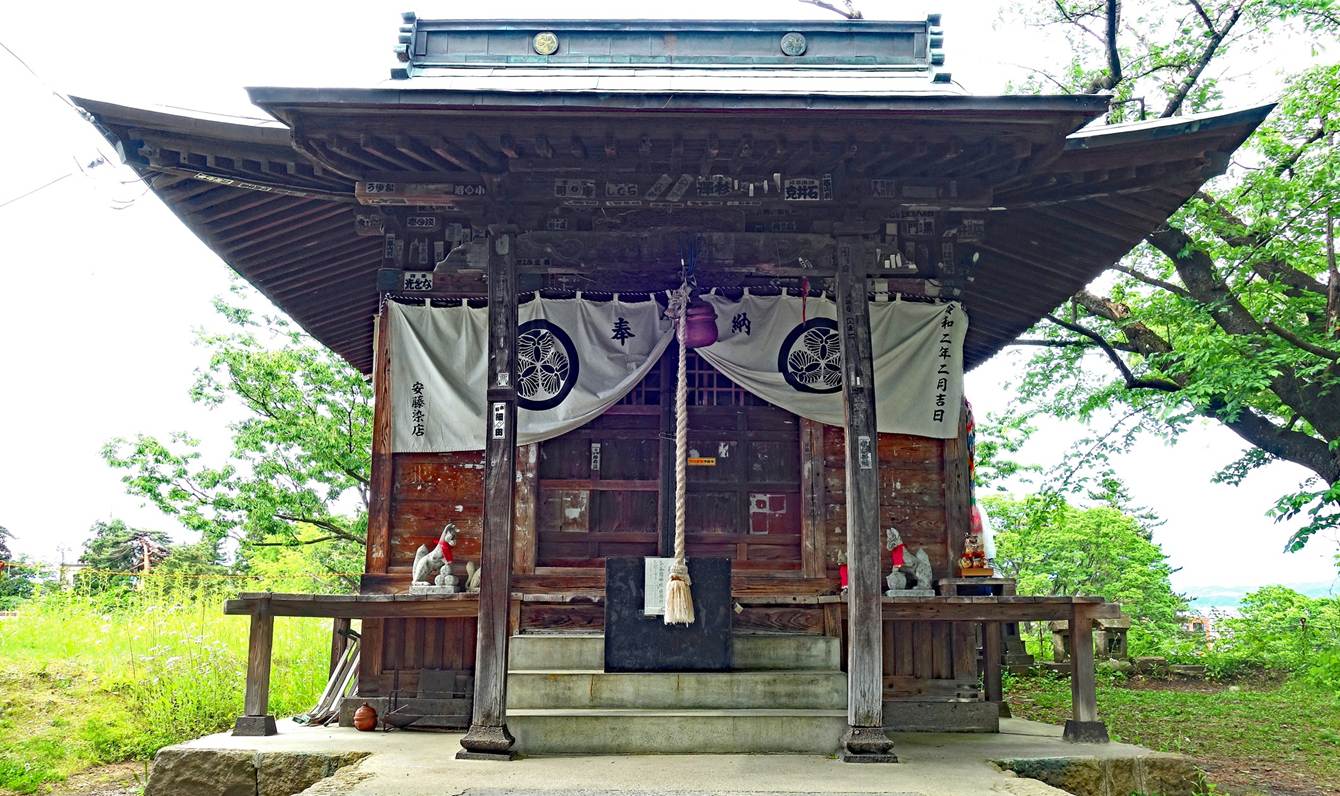
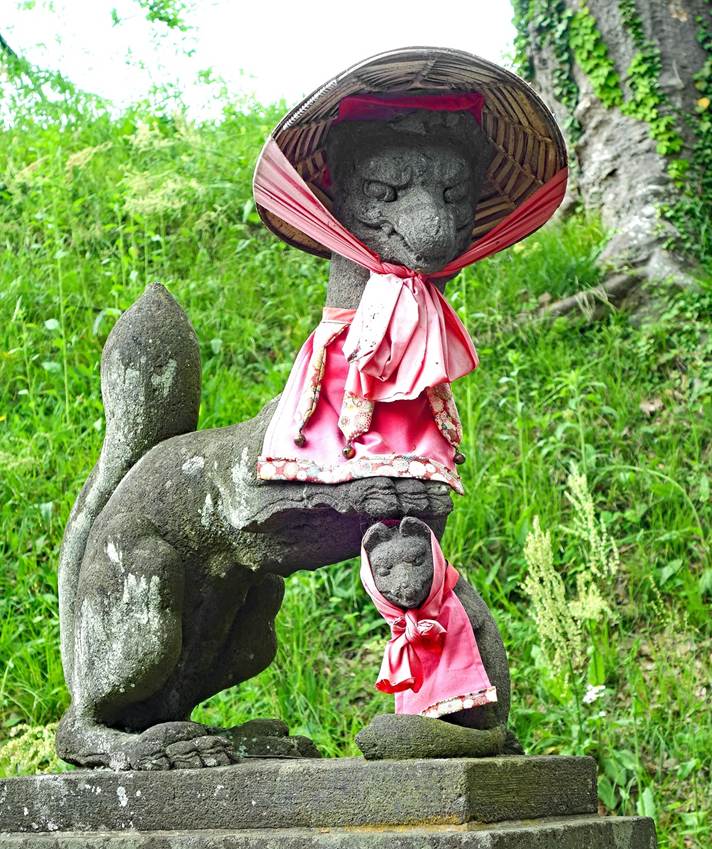
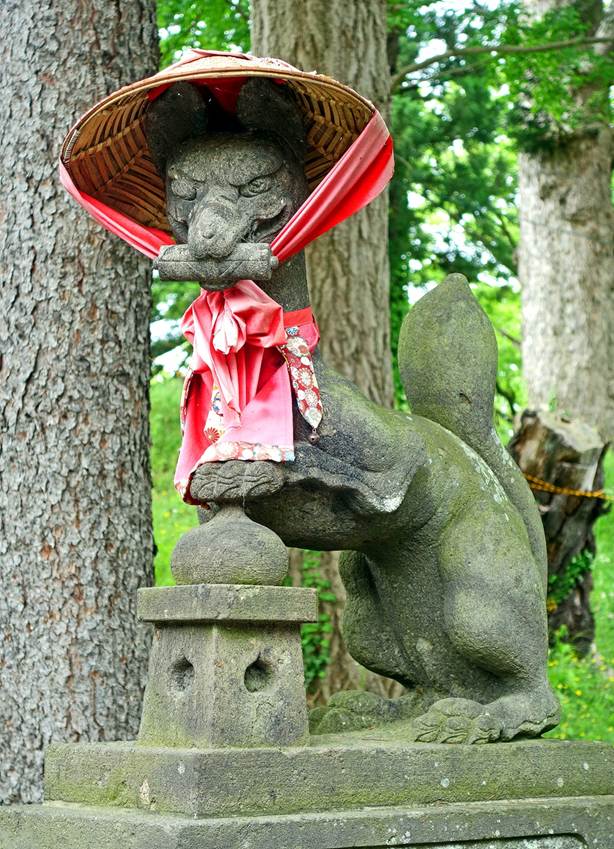
Small Inari
shrine in the castle's park and two statues of foxes standing before the
shrine. The foxes are the protectors and messengers of Inari, the kami (Shinto
god) of agriculture and general prosperity.
|
|
|
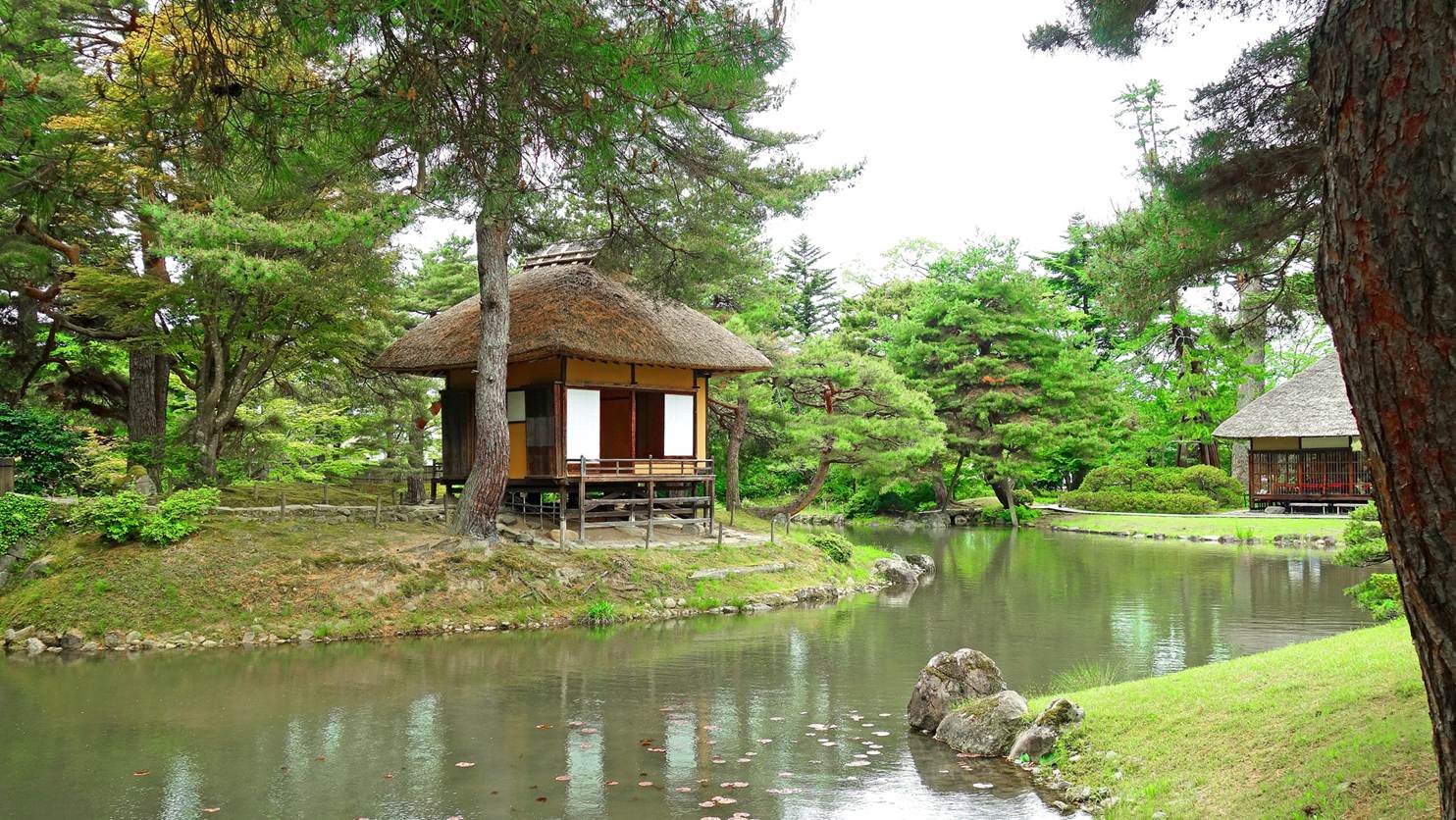
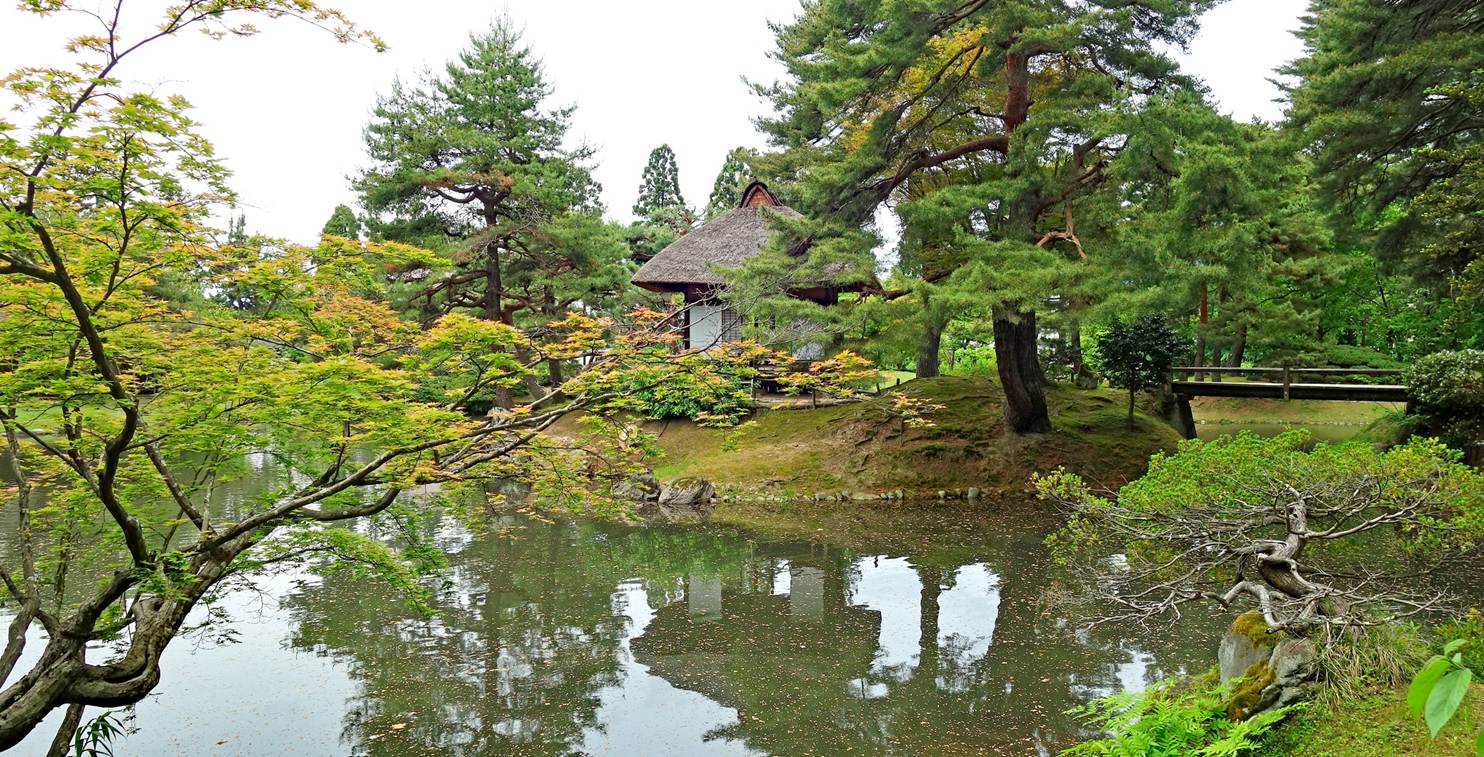
Oyakuen.
Located 1.5km
northeast of the castle, this traditional Japanese landscape garden is centered
around a pond. It was created several centuries ago and remodeled many times
since.
Iimoriyama is a hill located 3km northeast of the Tsuruga castle. It is famous for being the site where, in
1868, a group of 20 members of the Byakotai, believing that the Tsuruga castle had been burned down by the Imperial forces,
committed seppuku (one of them survived). A most interesting sight on this hill
is the perhaps lesser-known Sazaedo pagoda.
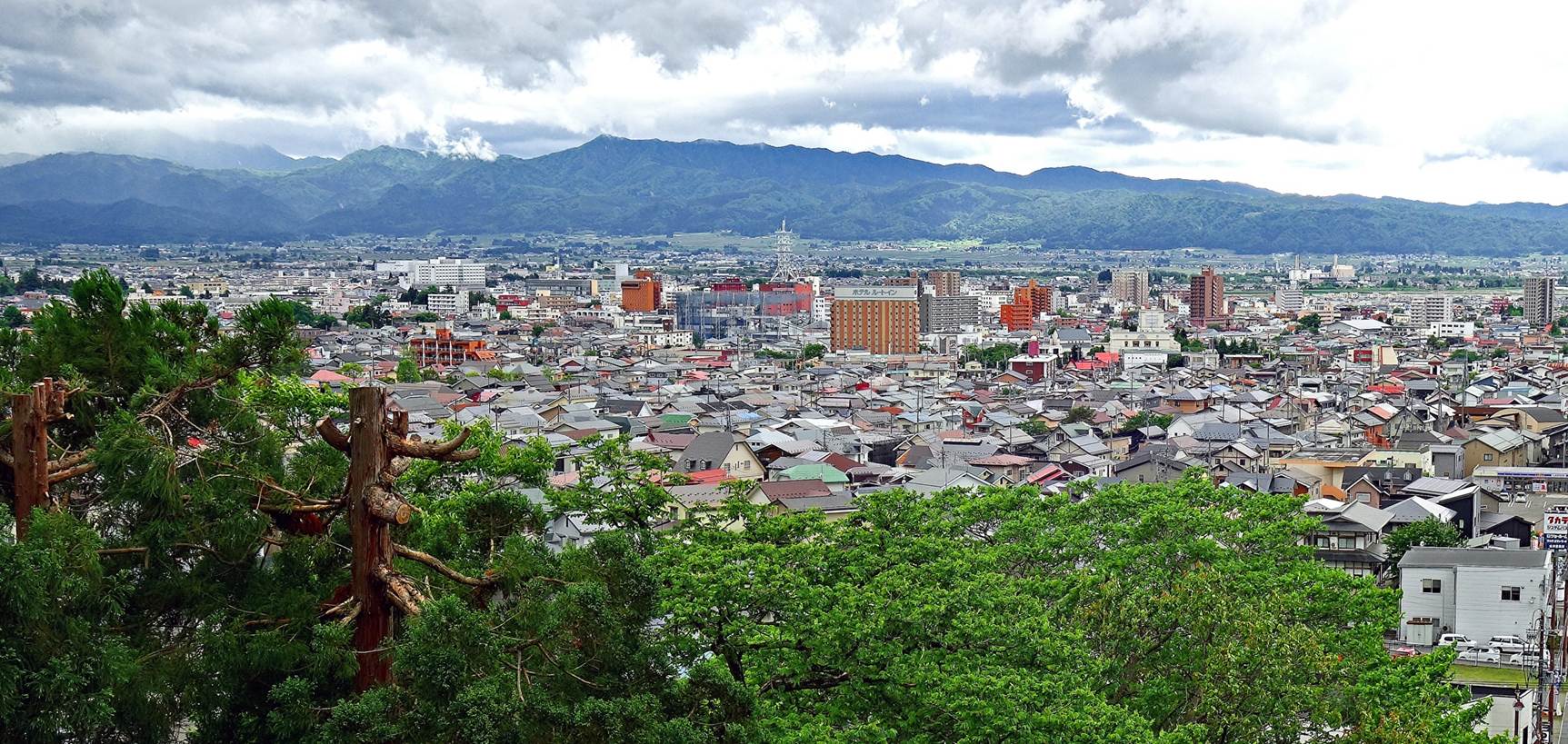
View over
part of Aizu-wakamatsu from Iimoriyama.
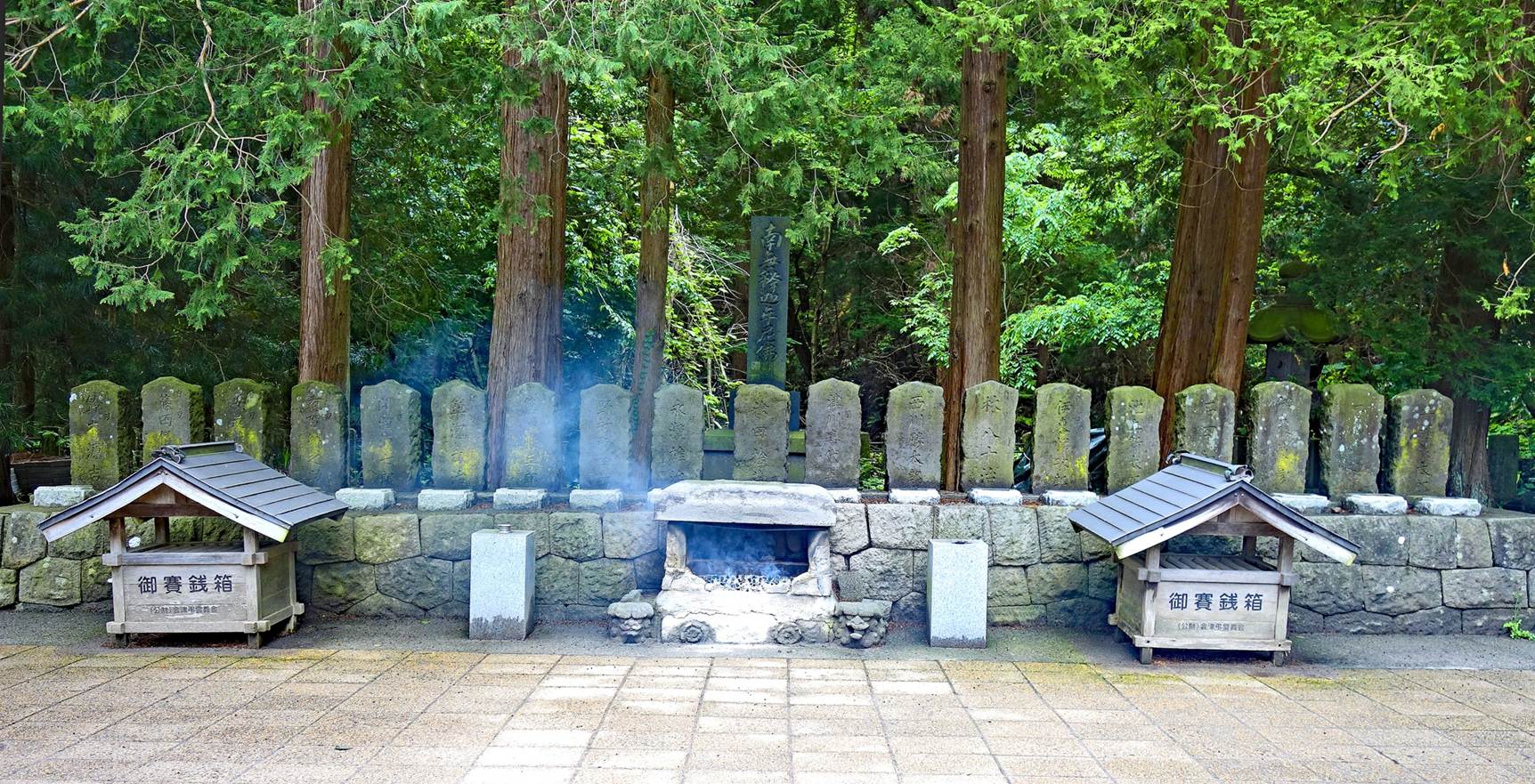
Gravestones
of the 19 Byakotai members who died here committing seppuku.
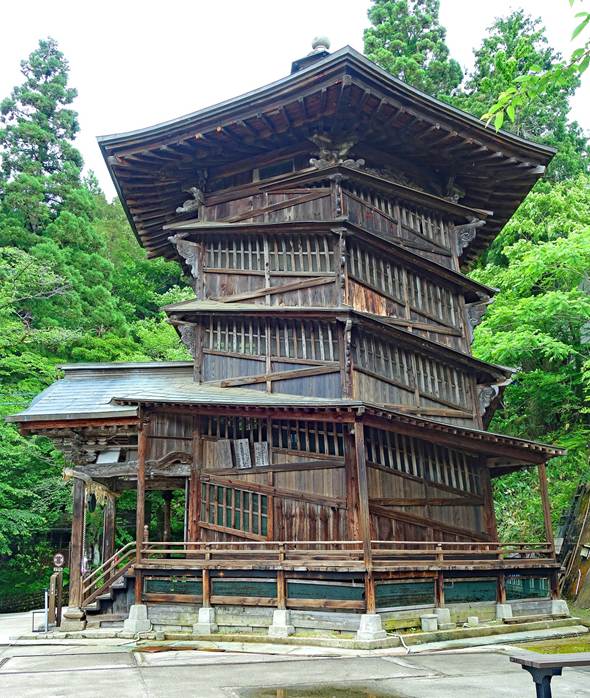
Sazaedo (栄螺堂, meaning ″spiral
hall″). This unusual, 16.5m-high, octagonal
wooden structure was built in 1796 on Iimoriyama. Its
floorless interior consists of a double-helix ramp around a central column,
which allows a visitor to reach the top of the structure and return in one
continuous walk without having to repeat the same path. Thirty-three statues of
Kannon, the Buddhist goddess of mercy, once stood along the double helix,
allowing pilgrims to pray at each one without crossing paths. (Thirty-three is
the number of manifestations of Kannon, each one associated with a distinct way
in which she helps people in needs.) So, pilgrims coming to the Sazaedo could complete a miniature version of the Bando Sanjusankasho (坂東三十三箇所), a much longer pilgrimage through a series of 33 Buddhist temples
dedicated to Kannon located in what is now the Kanto region of Japan. The Sazaedo was the brainchild of a monk named Ikudo.
|
|
|
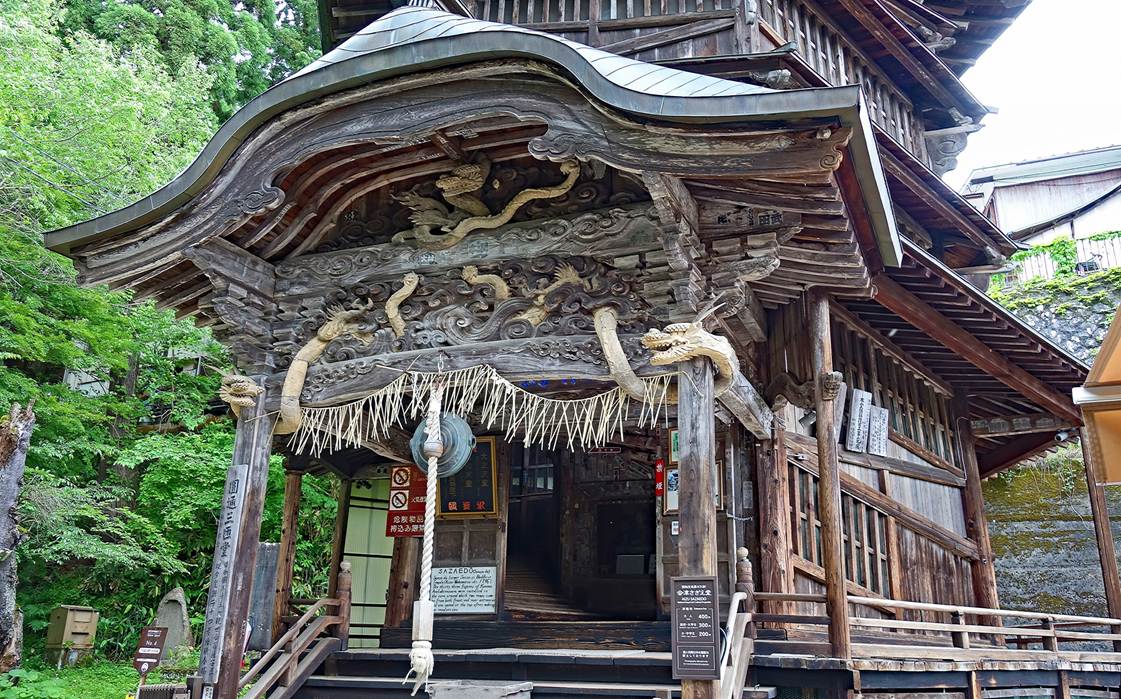
Ugashindo shrine, located near the Sazaedo pagoda. The third lord of Aizu, Masakata Matsudaira
(1669-1731), is entombed in this shrine.
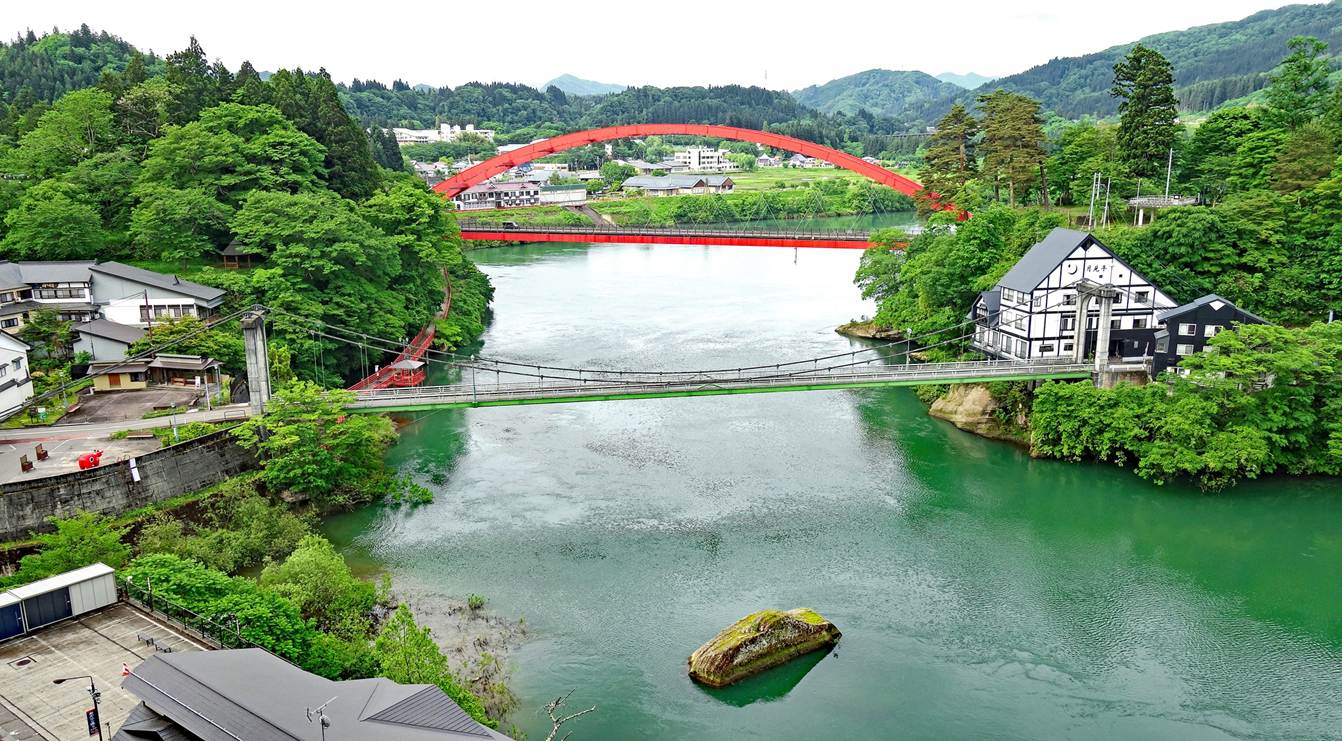
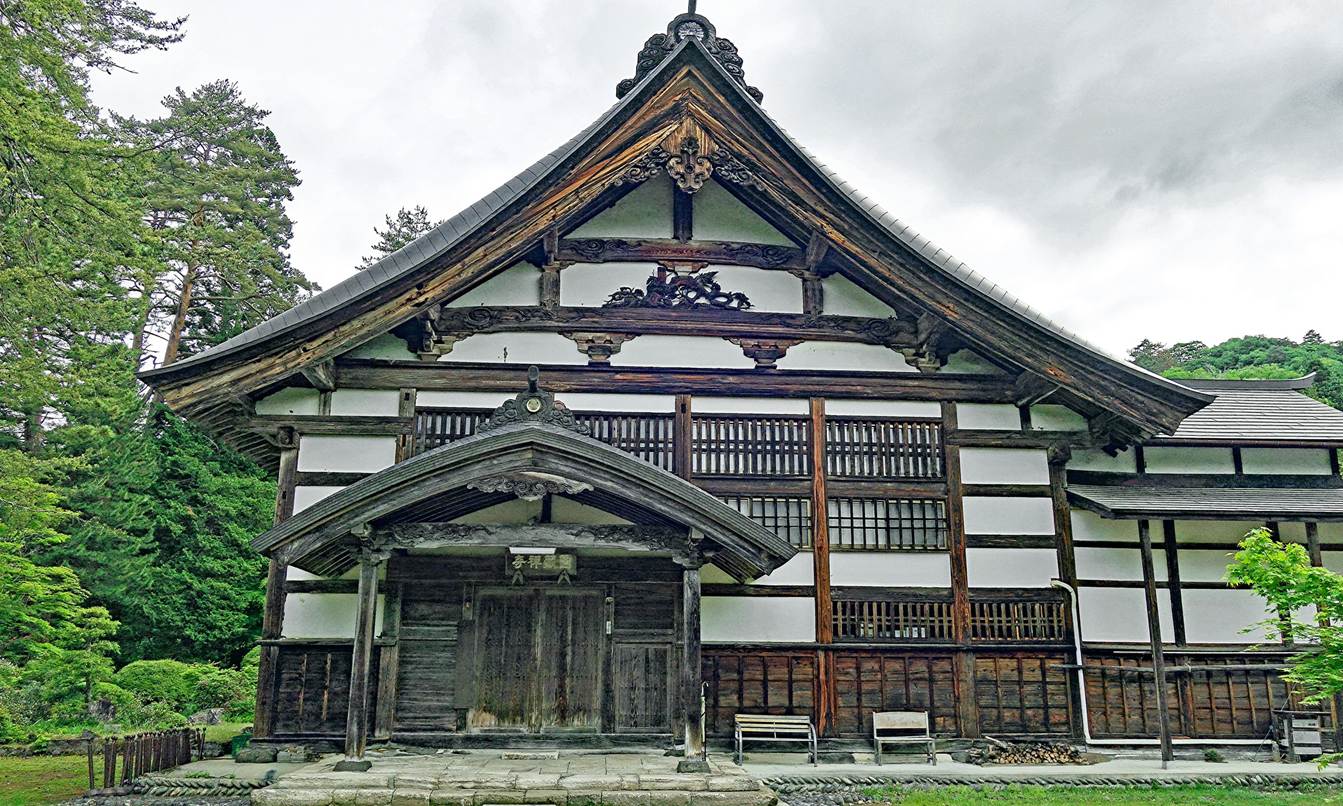
Enzoji (圓蔵寺).
This Buddhist
temple stands atop a cliff overlooking the Tadami
river in the small town of Yanaizu, about 20km west
of the Aizu-wakamatsu station. Founded in the 9th
century, it is dedicated to Kokuzo Bosatsu, a bodhisattva renowned for his wisdom. It is also
the site of a legend known throughout the Aizu region. After the temple's main
hall (the Kikukodo) was destroyed by a powerful
earthquake in 1611, villagers donated timber to build a new hall, but
transporting it to the temple was difficult. Legend has it that a herd of red
cows then appeared out of nowhere and helped carry the timber. These cows (which
later suddenly disappeared) were nicknamed Akabeko and became a symbol of devotion to
the Buddha. Starting in the 17th century, they inspired the creation of a toy
in the shape of a stylized red cow, today emblematic of the entire Aizu region.
The Tadami river and the red Zuikoji
bridge that crosses it, seen from the temple.
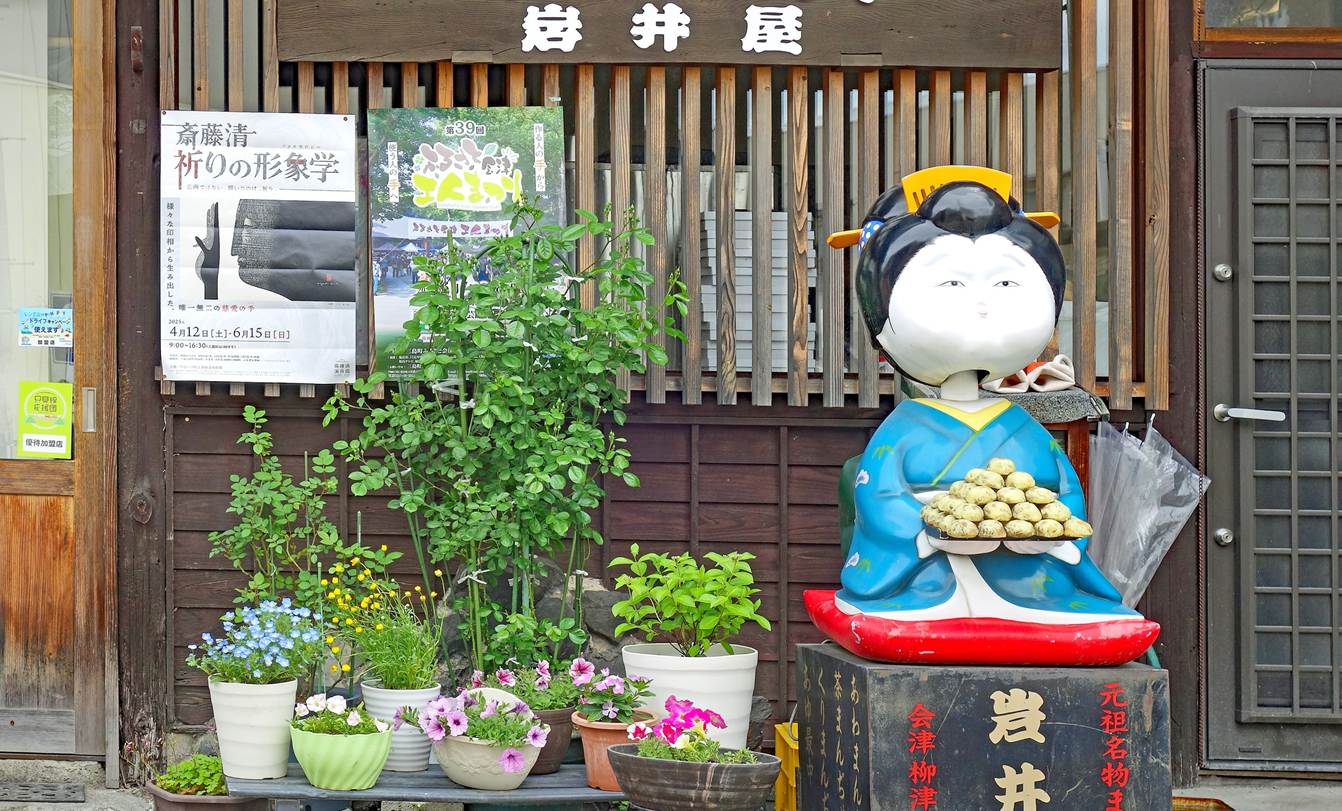
The Iwaiya confectionery located on the street below the
temple. It makes and sells awamanju, Yanaizu's version of traditional Japanese manju. Unlike manju, awamanju are made from millet and have a slightly grainy
texture.
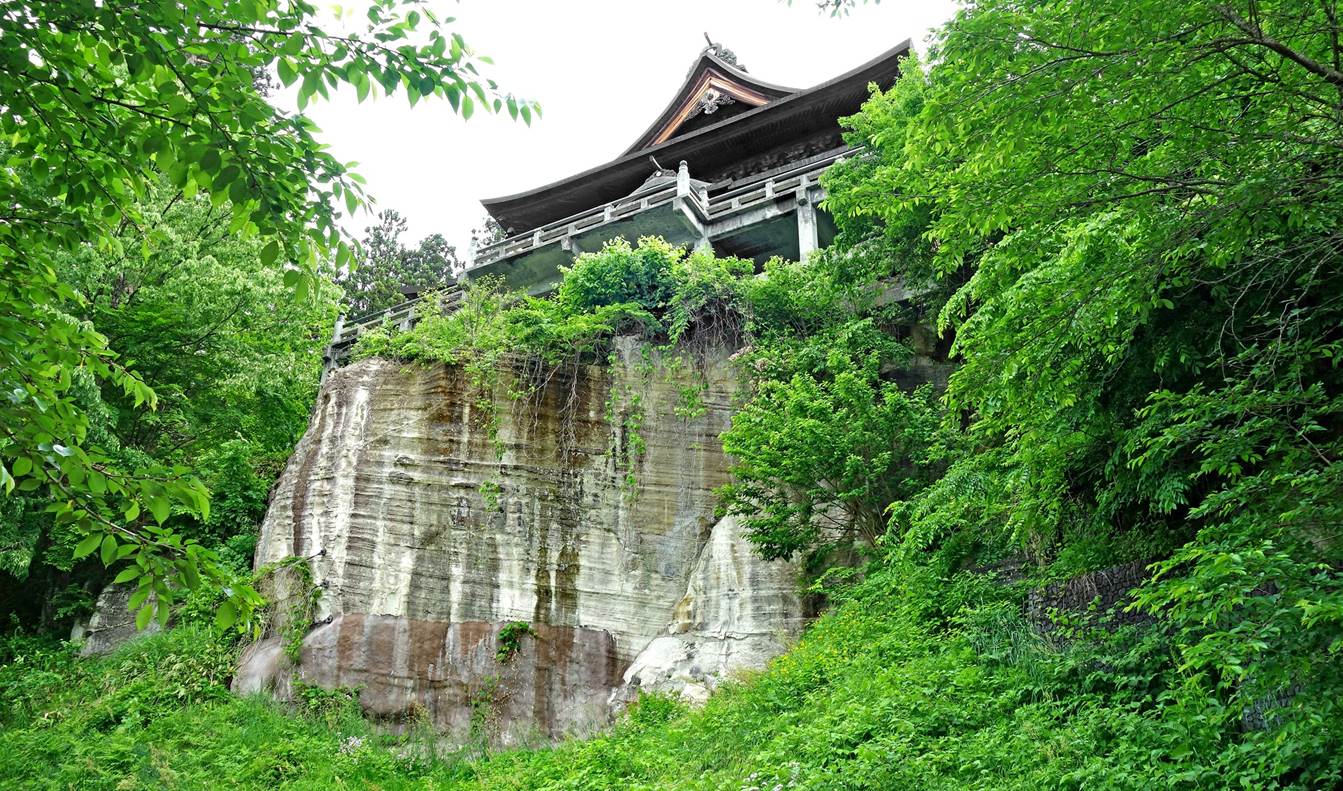
Partial view
of the temple's main hall (the Kikukodo) from the
street below.
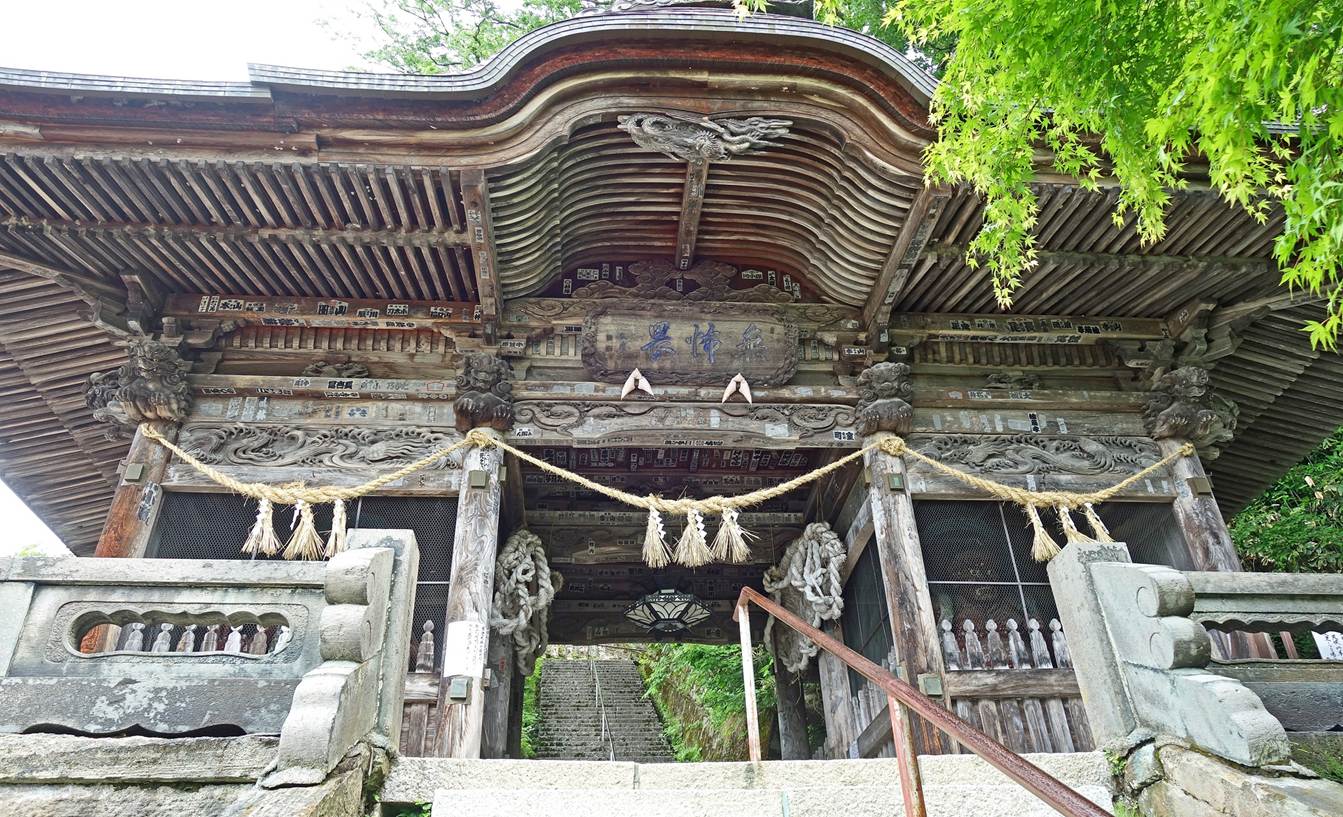
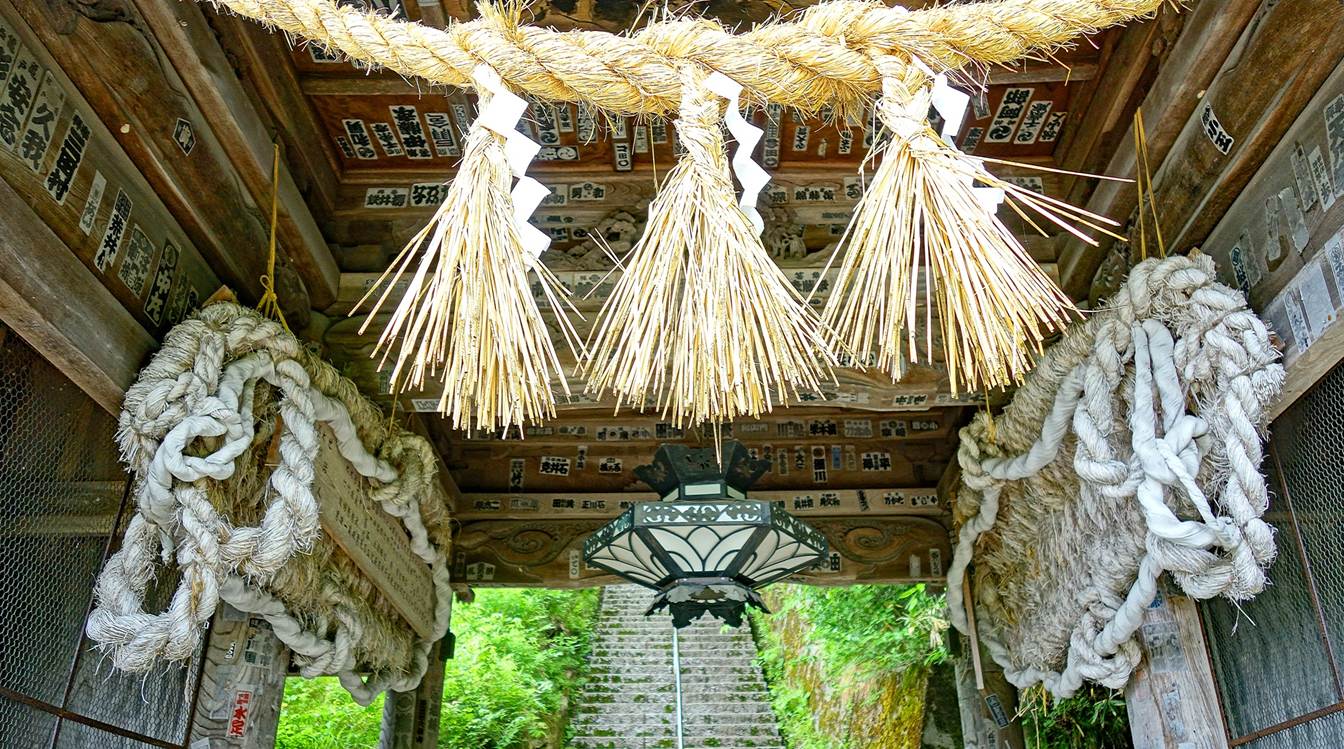
The Niomon, the main gate to the temple, with two giant waranji. A type of sandals made of rice straw rope, waranji were common footwear in Japan until the 19th
century. They are still used today by some pilgrims.
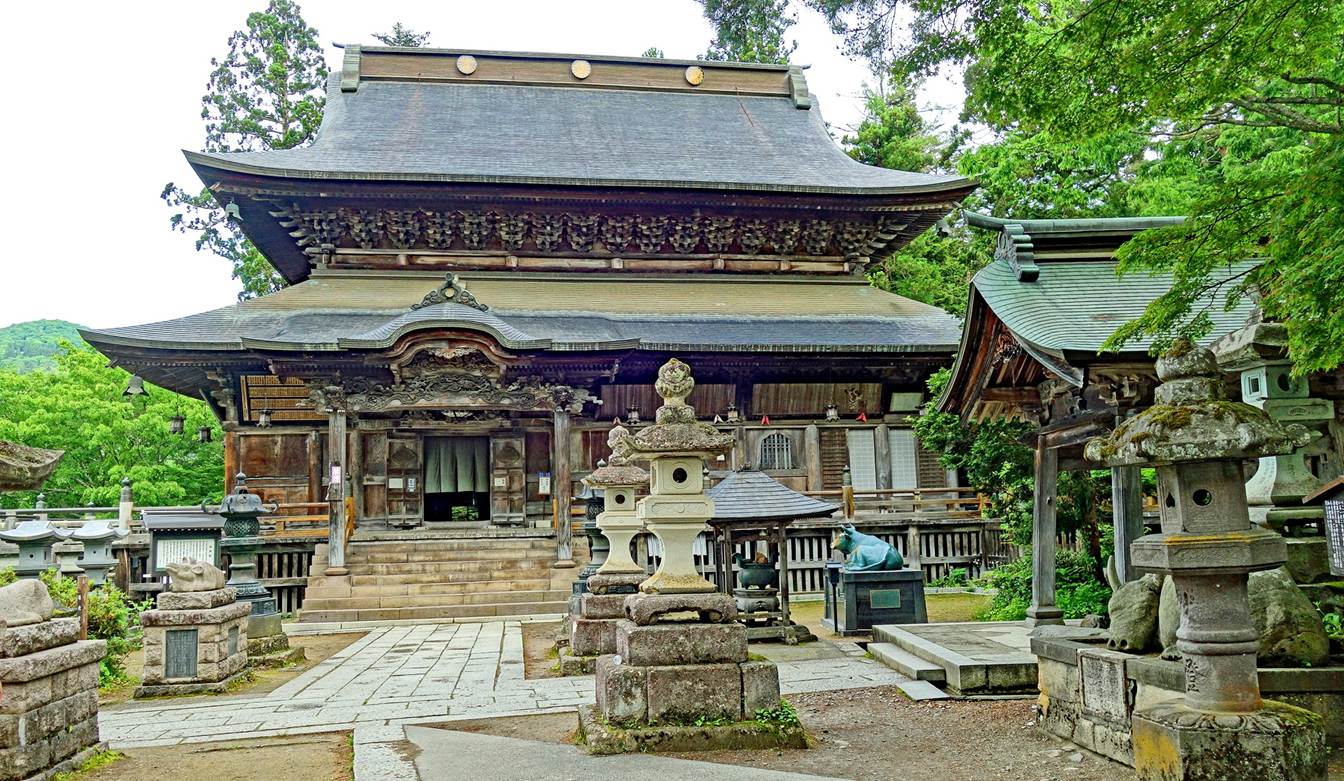
View of the
southeastern side of the Kikukodo.
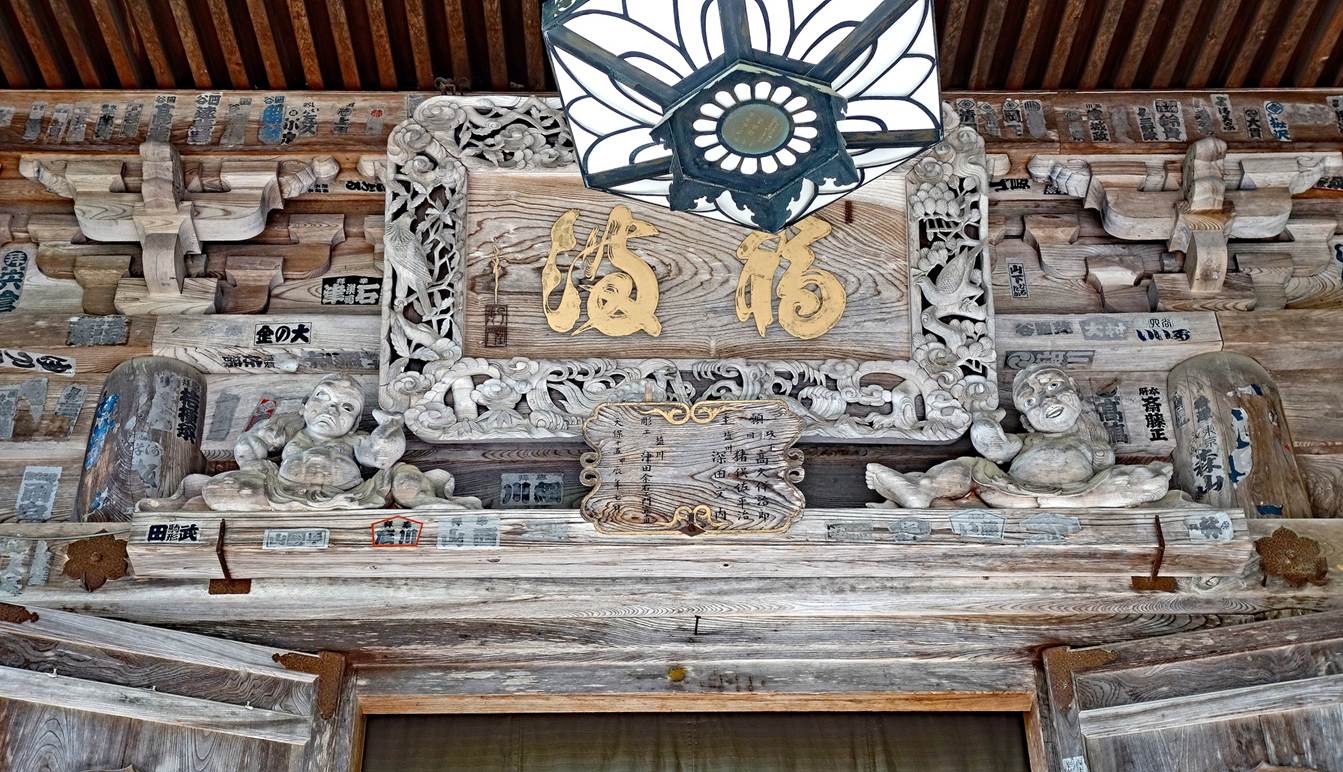
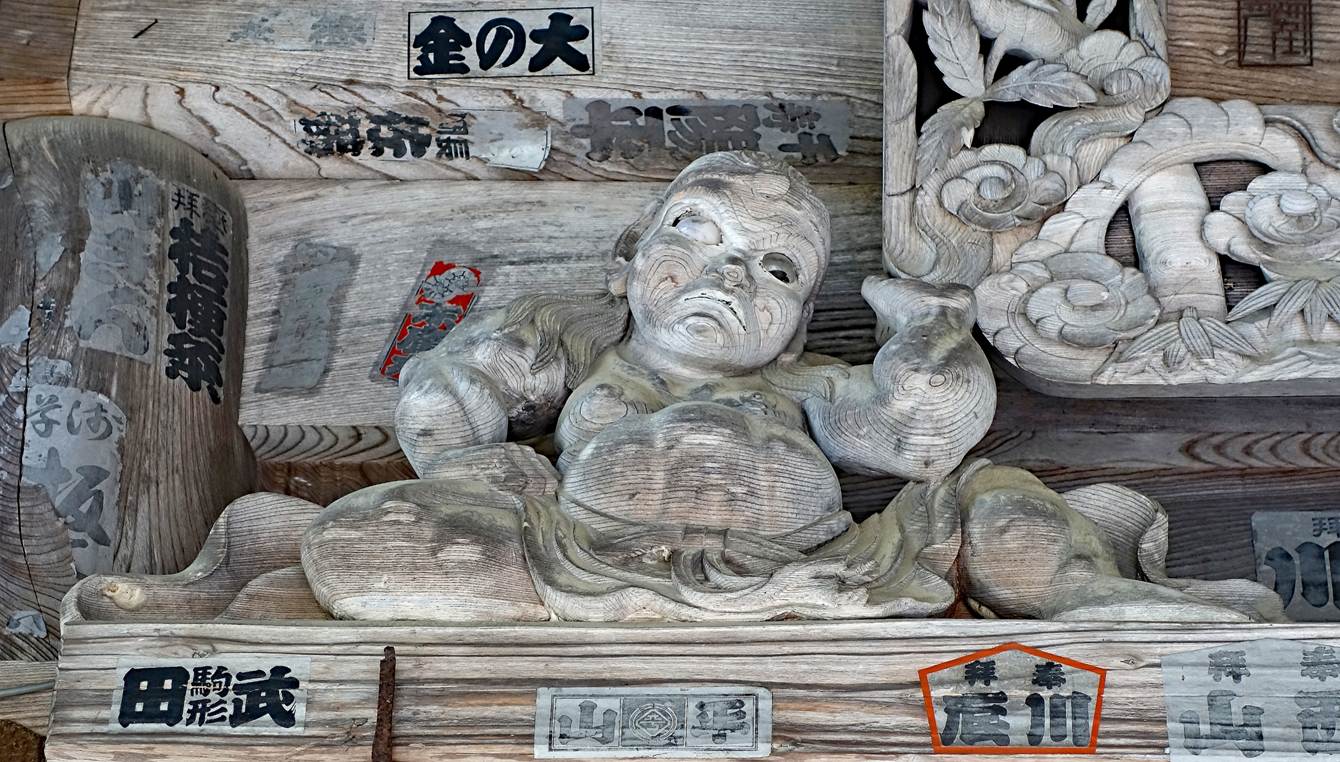
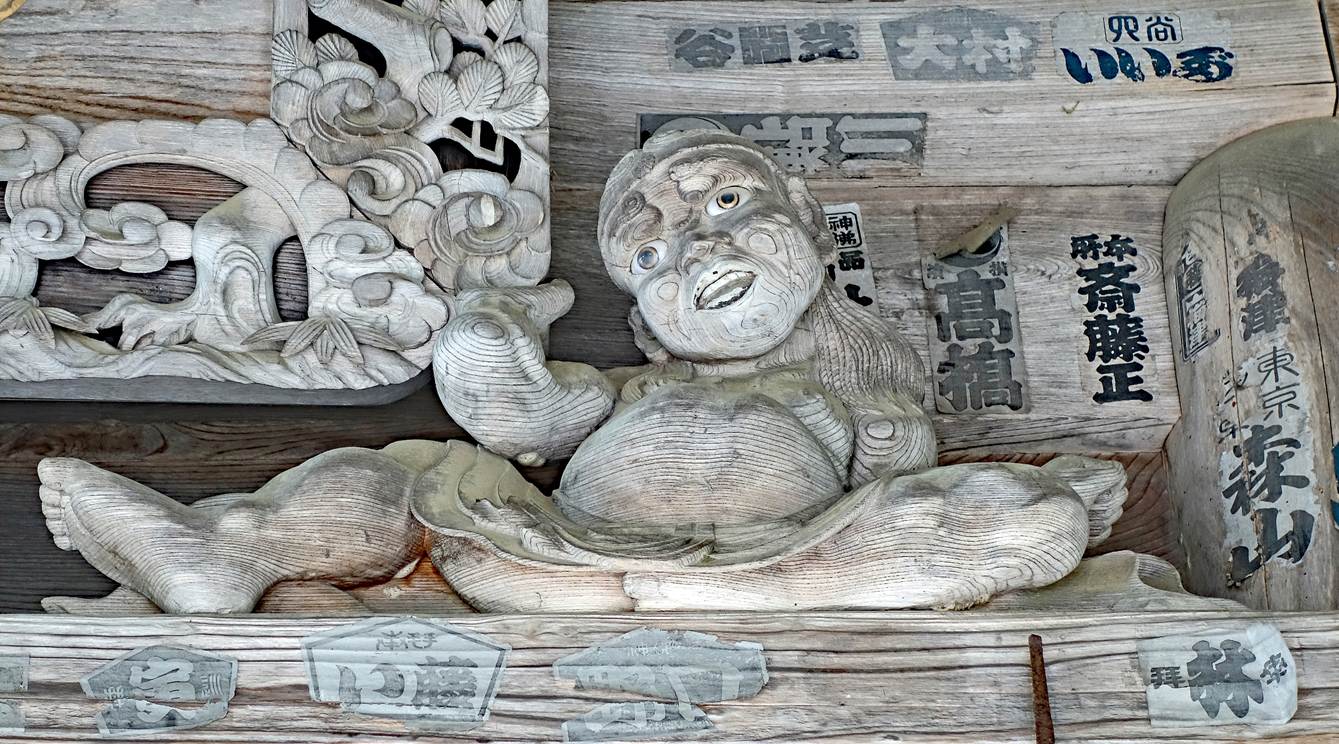
Wood carving
above the southeastern entrance door of the Kikukodo.
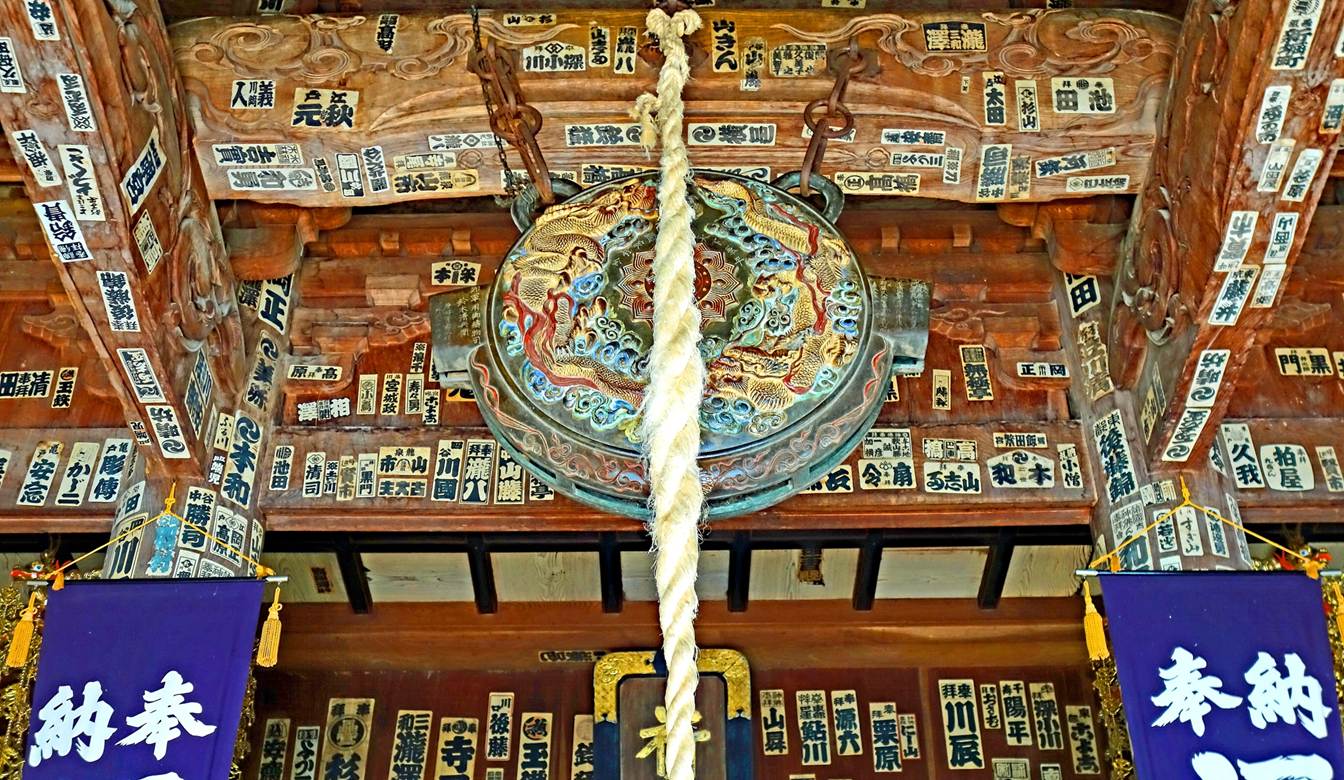
Decorated waniguchi (flat round hollow metal slit gong) above the
entrance door on the southwestern side of the Kikukodo
(the side facing the Tadami river).
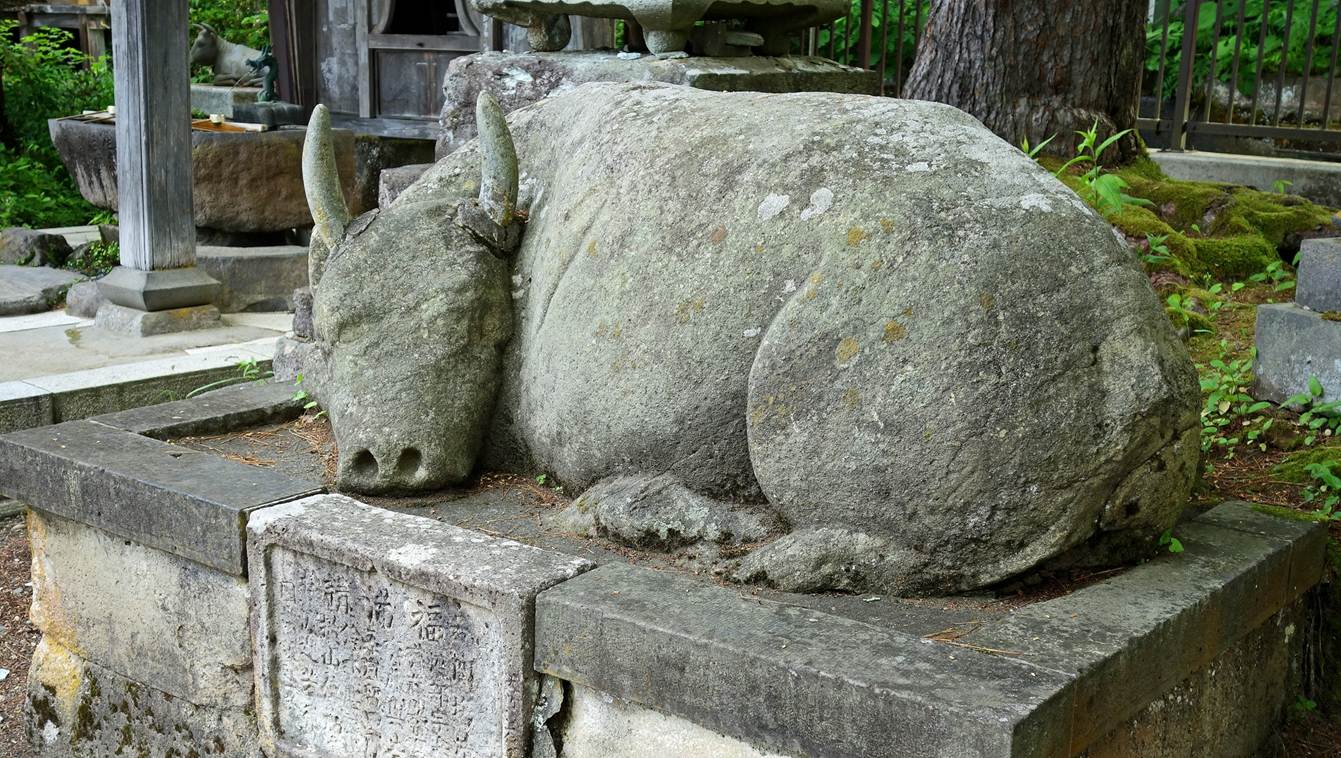
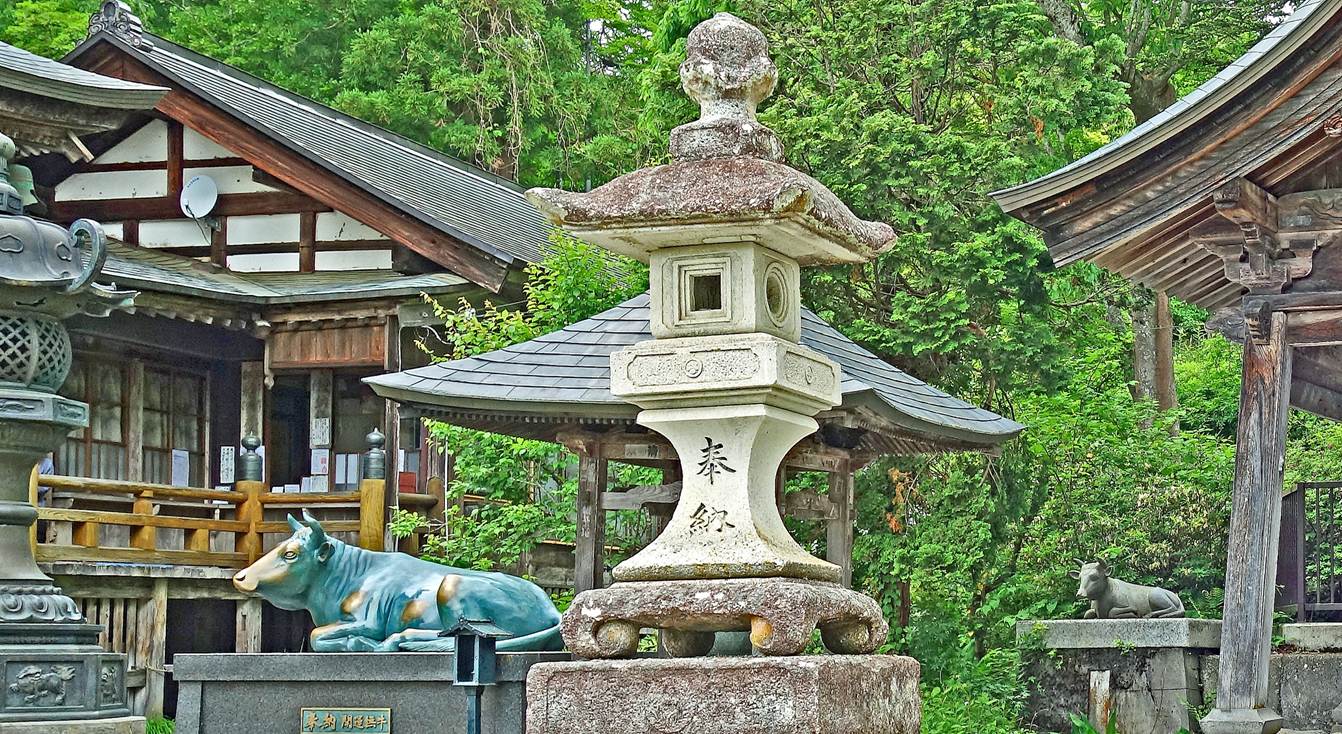
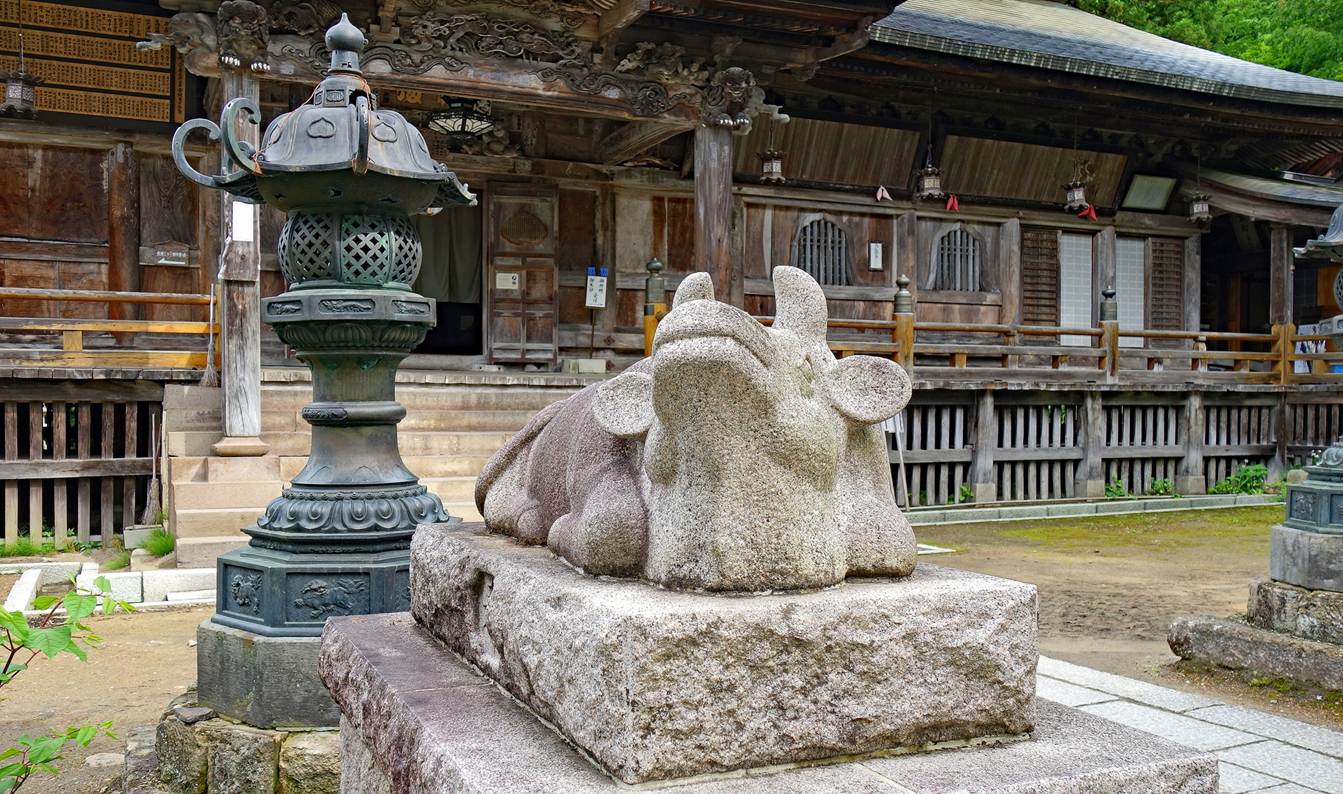
In the
context of the Akabeko legend, it is not surprising that
the temple grounds feature several cow statues, some made of stone, others of
metal.
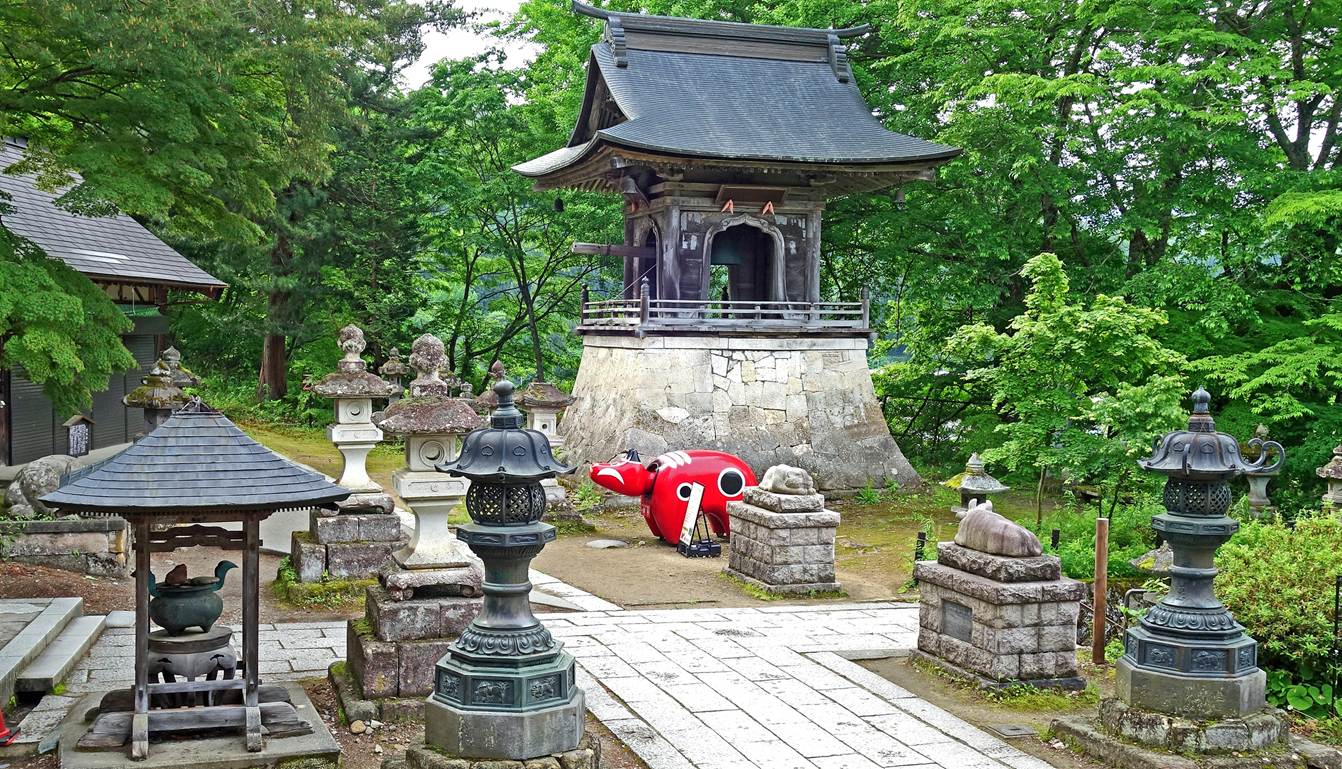
There is even
a statue representing a large-scale model of the iconic Akabeko
toy, next to the temple's shoro (bell tower).
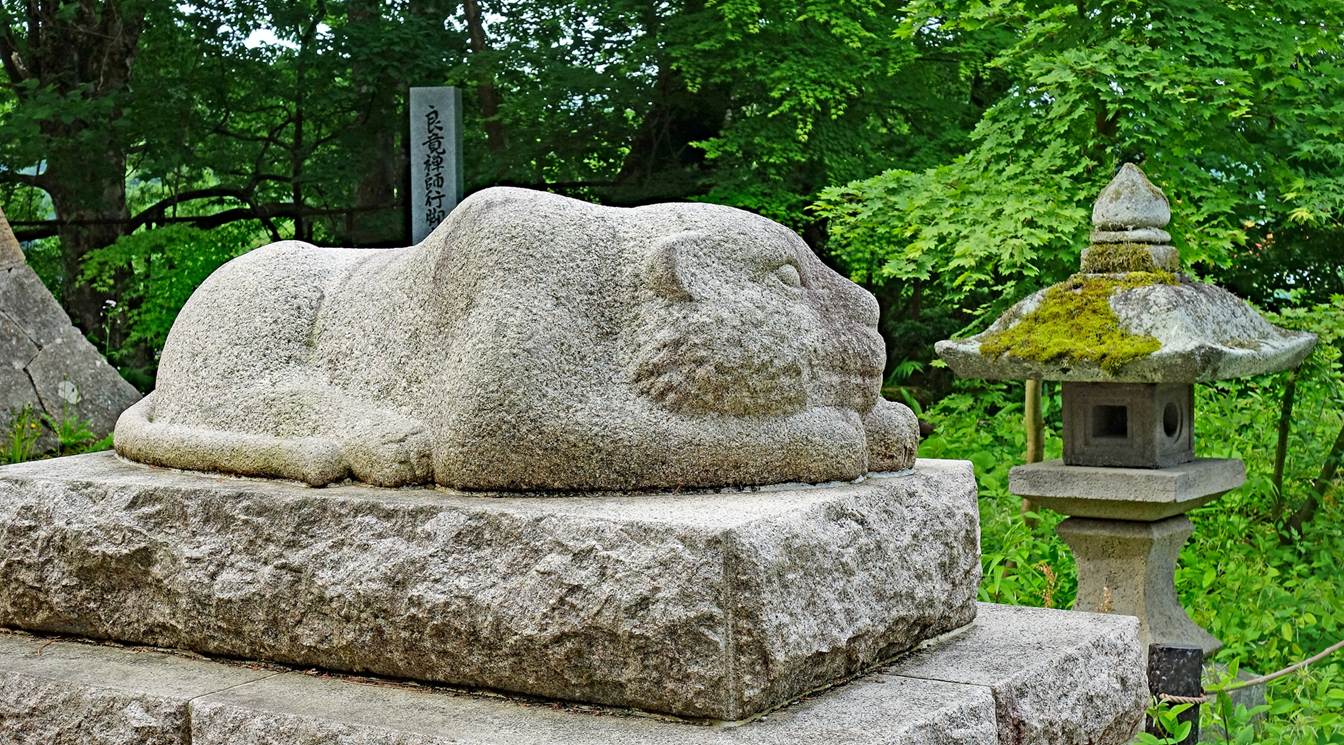
The lion
guardian of the temple seems to feel lonely among so many cows.
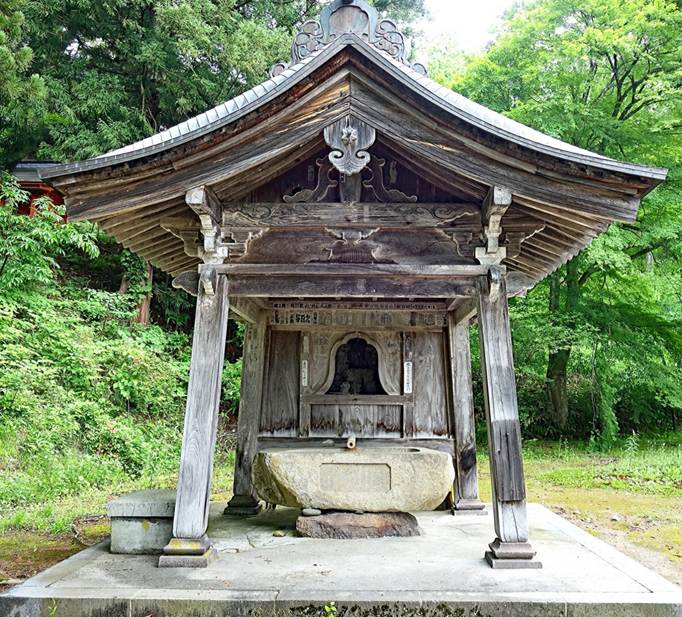
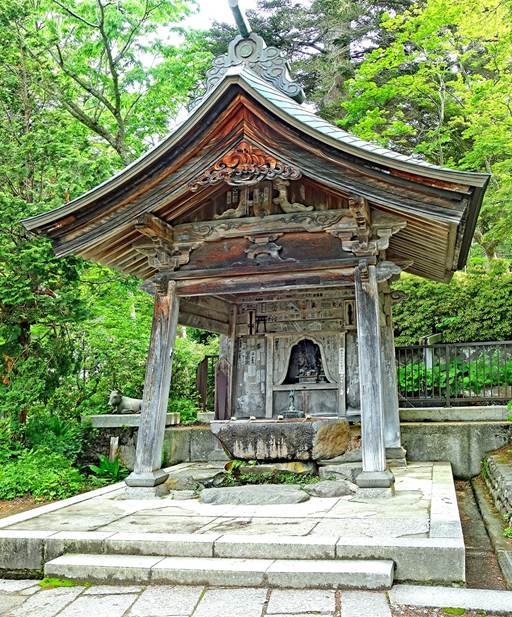
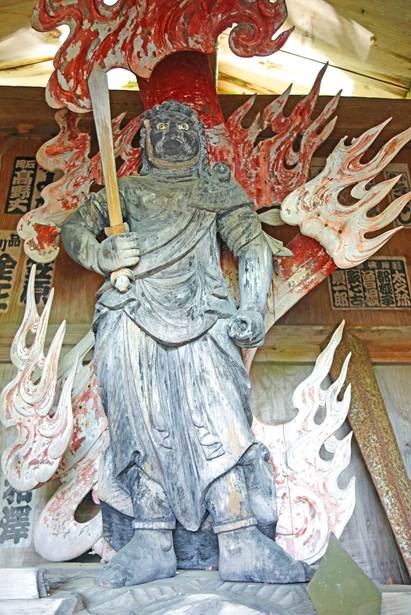
Left and
center: Chozuya (pavilions providing water for
purification before prayer). Right: Statue of Fudo-myo-o, a popular deity of
Japanese Buddhism, housed in the chozuya of the
middle photo.
|
|
|
|
The Treasure Hall,
located further up in the compound behind the main temple area.
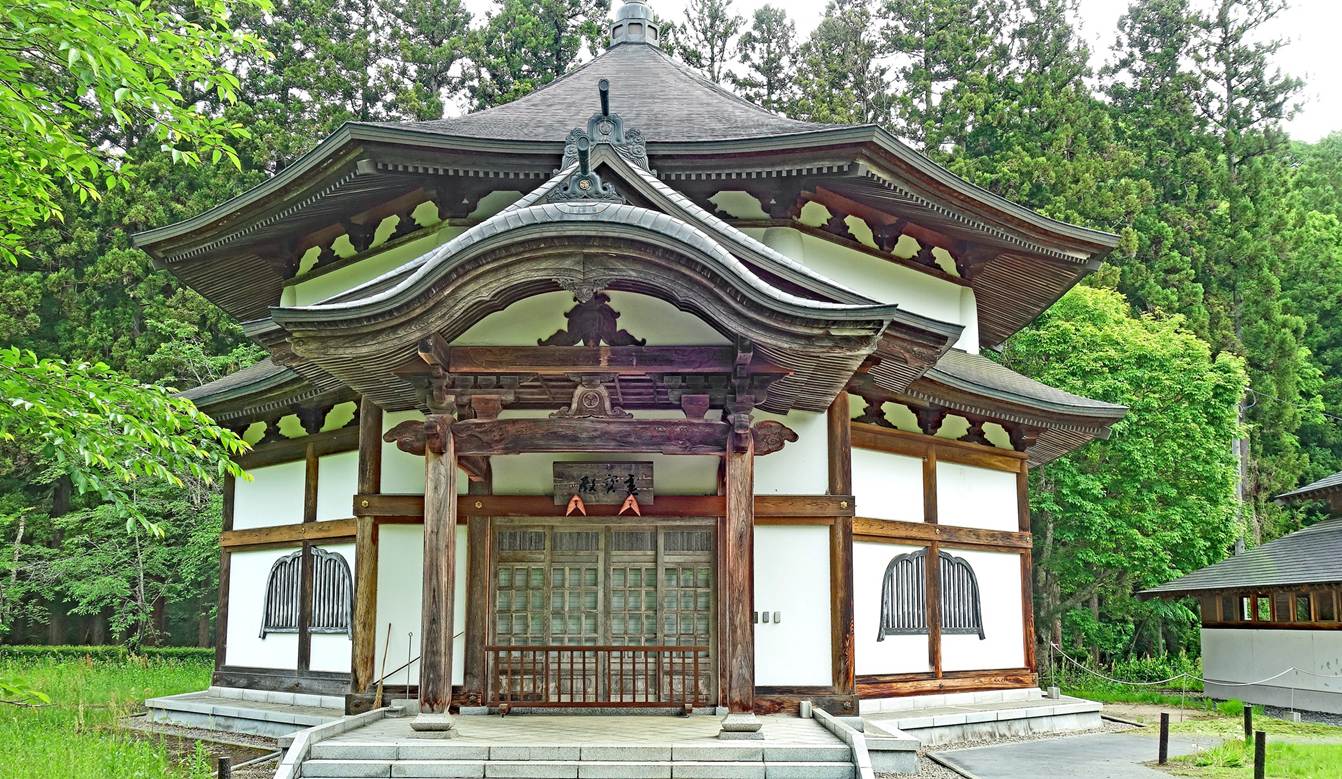
Building
housing the priests and monks of the temple.
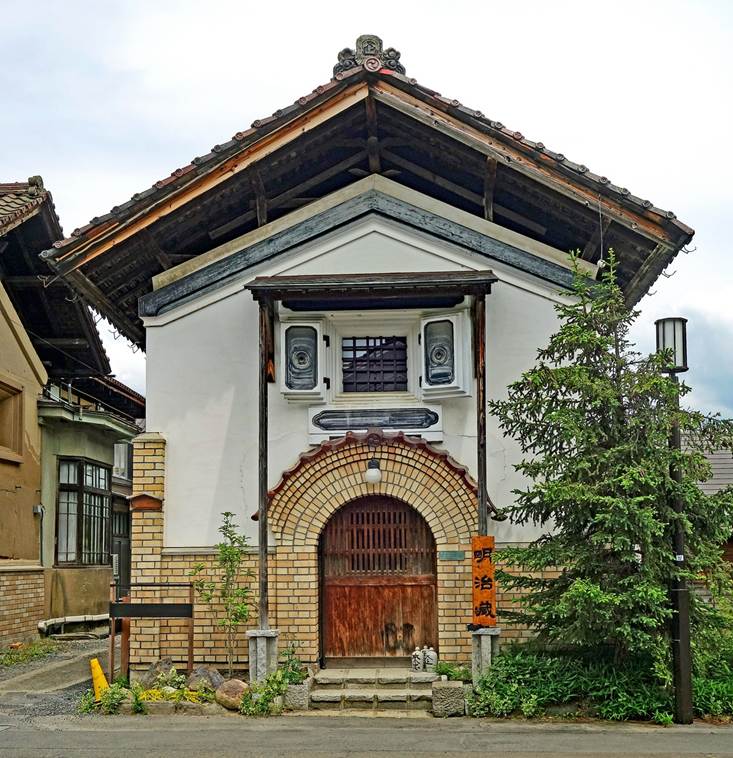
Kura of Kitakata.
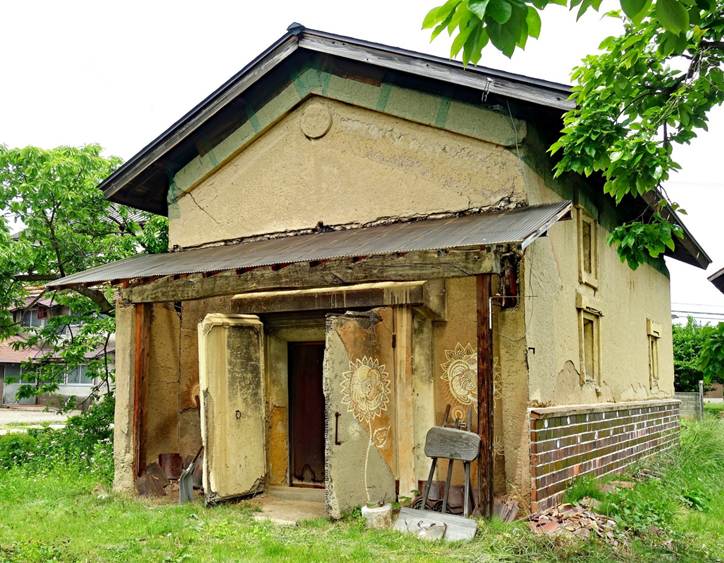
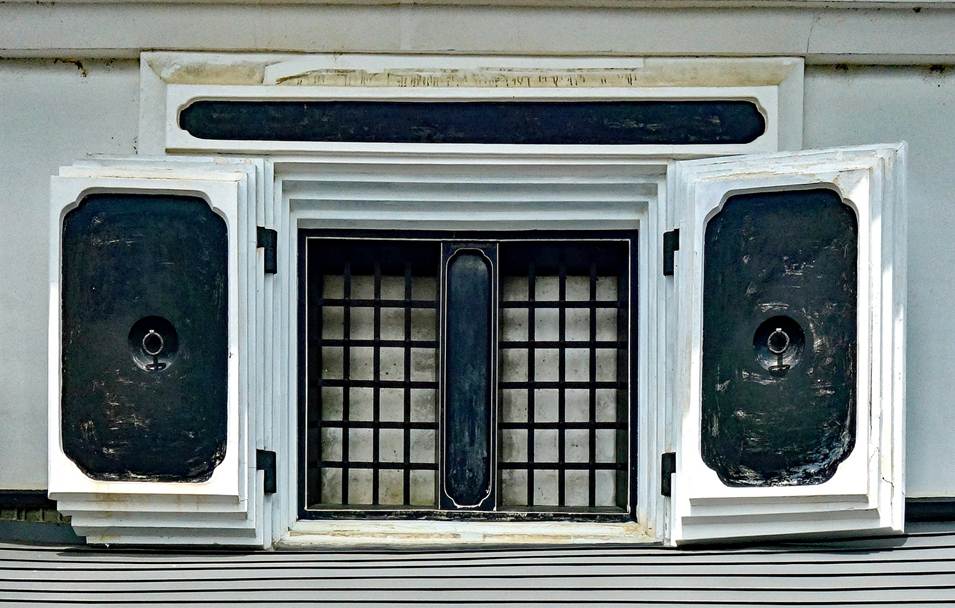
Kura (倉) are
traditional Japanese, highly fire-resistant storehouses built to protect
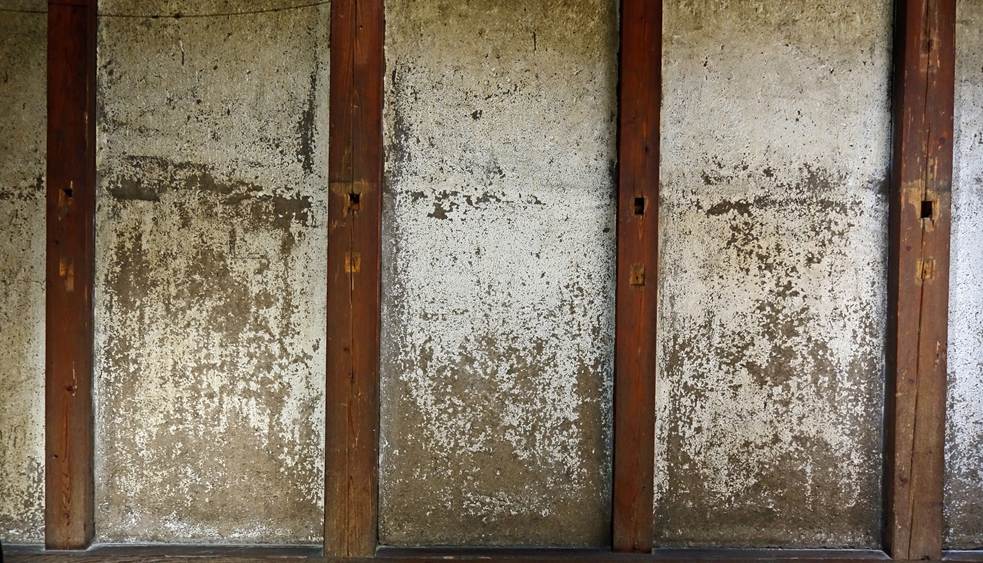
valuable goods, especially rice and other grains. Most are built with thick
earthen walls mixing clay and straw, reinforced with a wooden frame, and
covered with a thin layer of plaster to protect them from rain and snow.
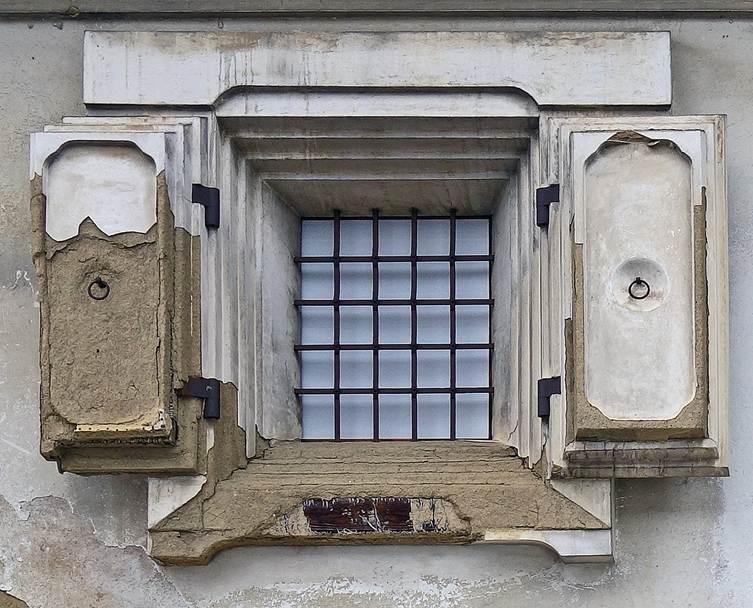
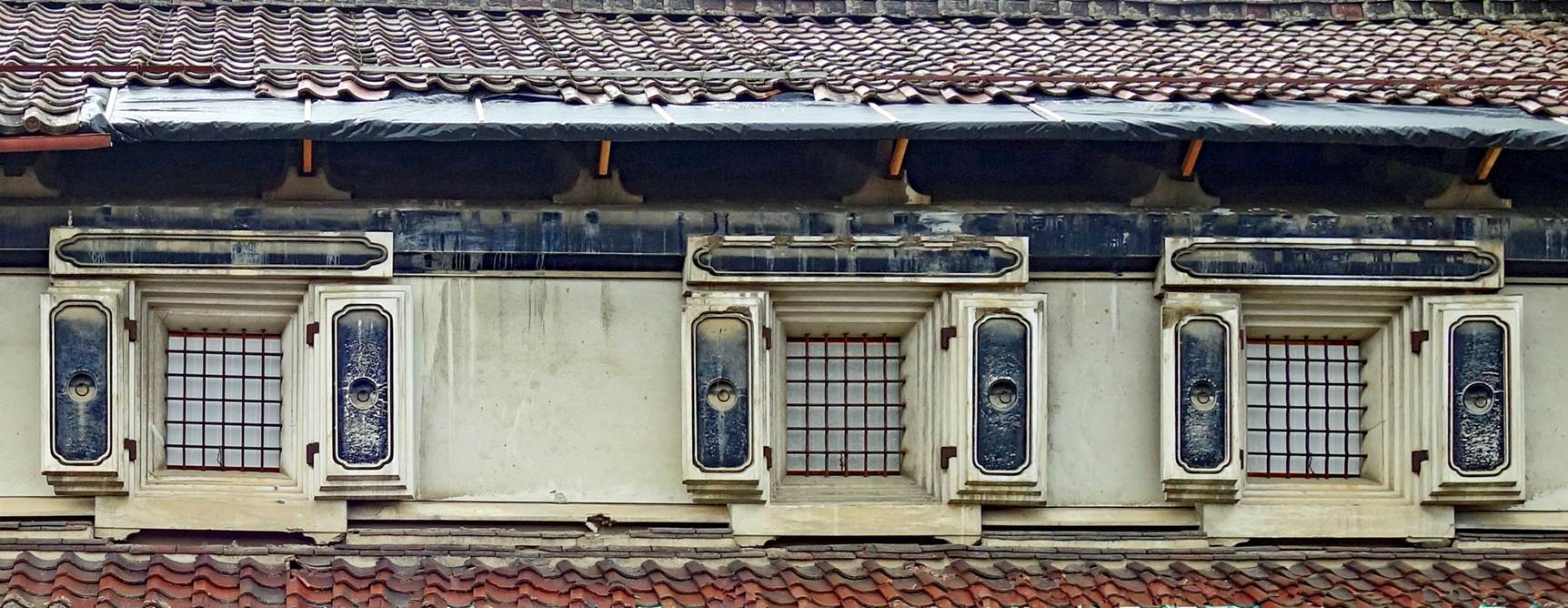
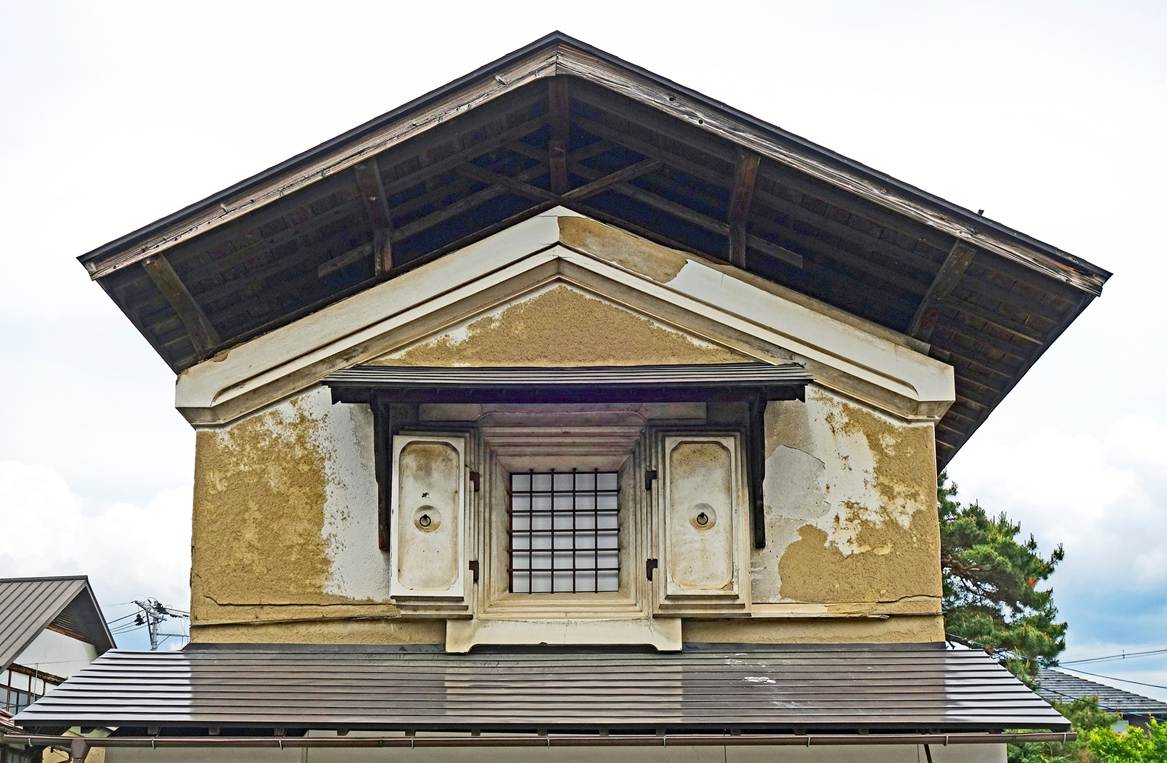
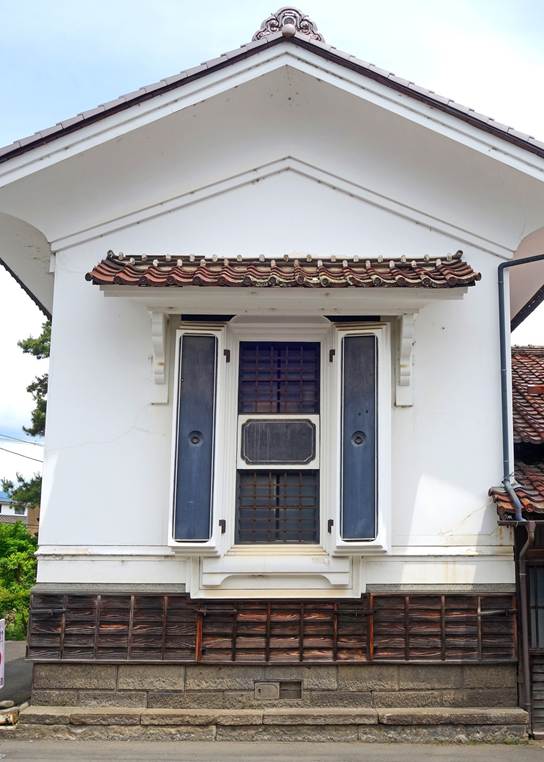
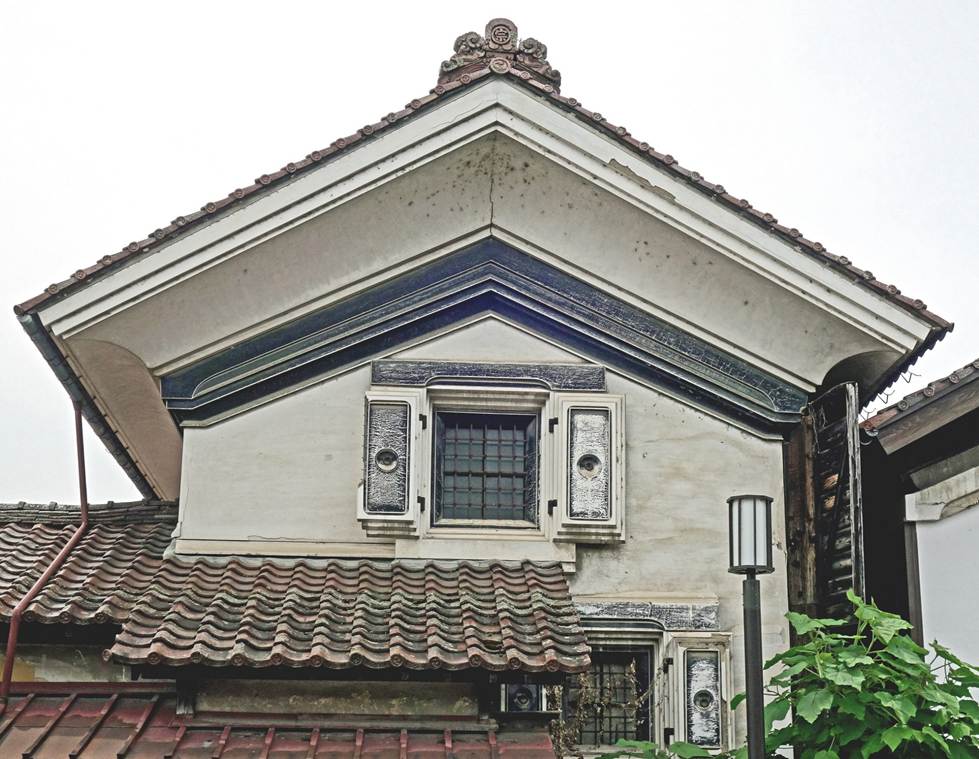
Perhaps their most striking architectural feature is the stepped interlocking
design, called janbara (蛇腹), of the
perimeters of their windows and doors. This design is intended to provide tight
seal when shutters and doors are closed, thus improving the kura's
resistance to fire.
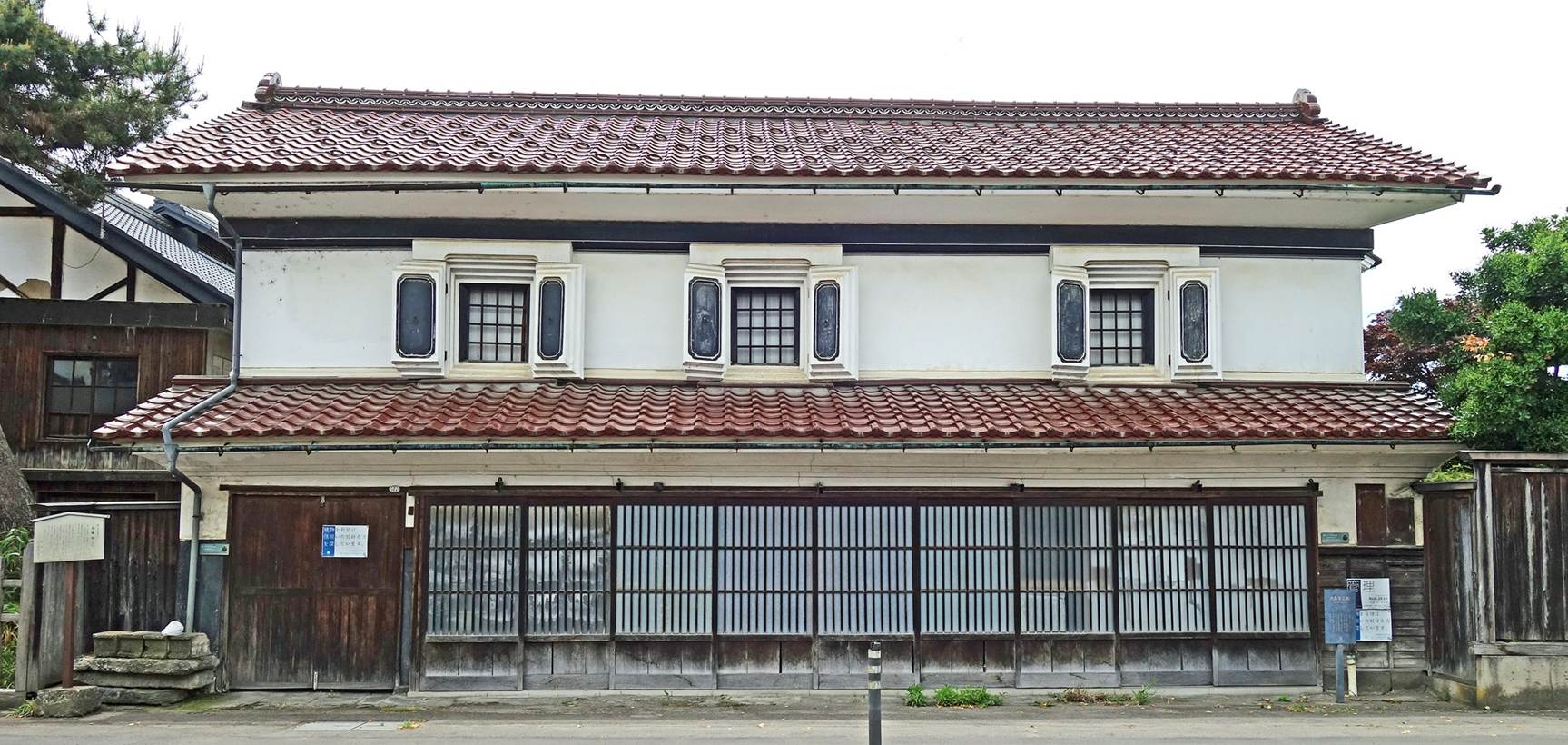
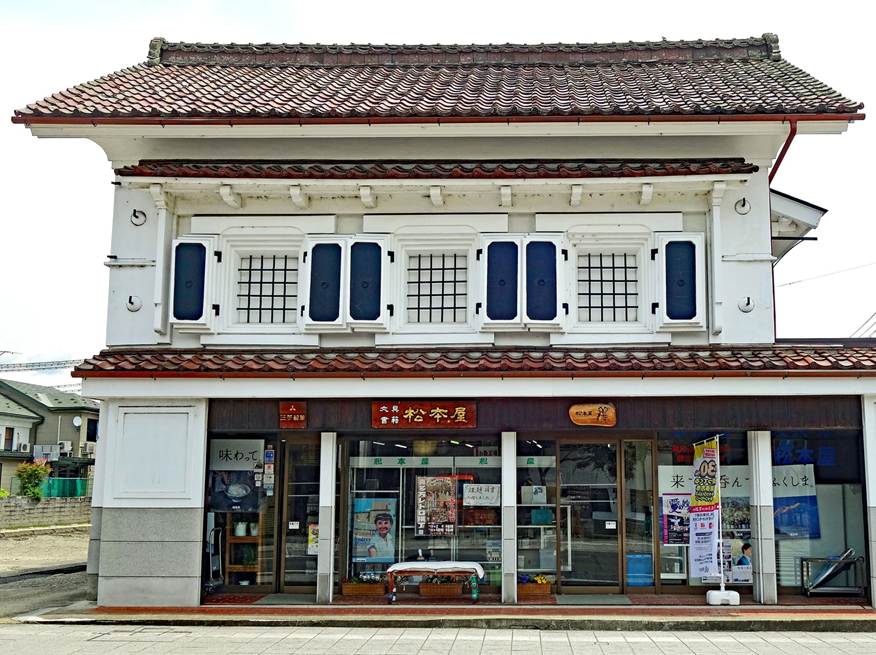
Such kura are found in many parts of Japan. However, Kitakata, a town located 16km north of Aizu-wakamatsu, has an especially large number of them. Some
have been remodeled to become shops, restaurants, sake breweries, residences,
inns, and more. Many are simply abandoned. The numerous kura
in the neighborhood located 1 to 2 km northeast of the Kitakata
station, on both sides of the Tazuki river, create a
unique urban landscape.
Left:
Abandoned kura. Right: Wall with wooden frame seen
from inside a kura.
|
|
|
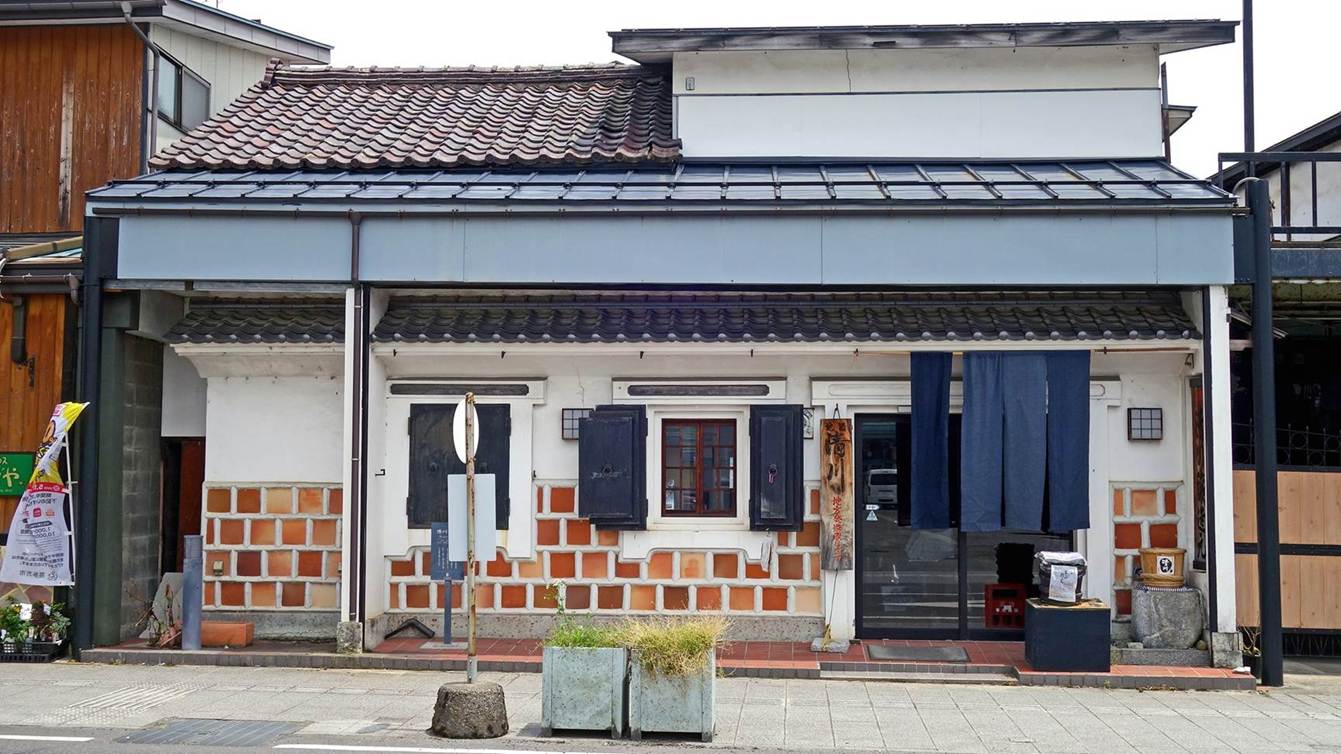
Windows of kura, with their stepped shutters.
|
|
|
|
|
|
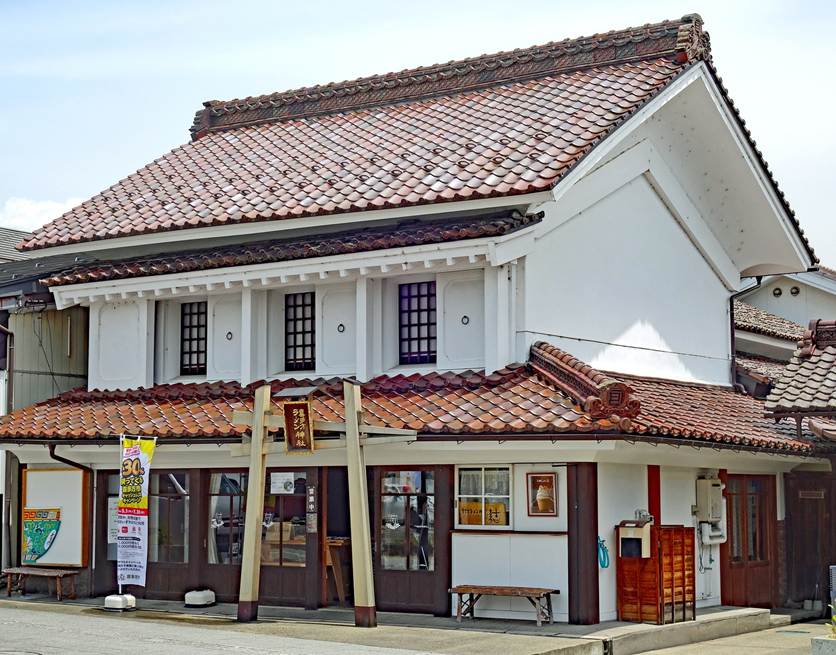
Renovated kura.
|
|
|
|
|
|
Shingu Kumano
shrine, Kitakata
This Shinto
shrine is located 4.5km southwest of the Kitakata
station. It is believed to have been founded in the mid-11th century by
Minamoto no Yoriyoshi, a samurai lord who
victoriously led the Imperial forces against rebellious forces of the north
during the Zenkunen war (1051-1062). Its most
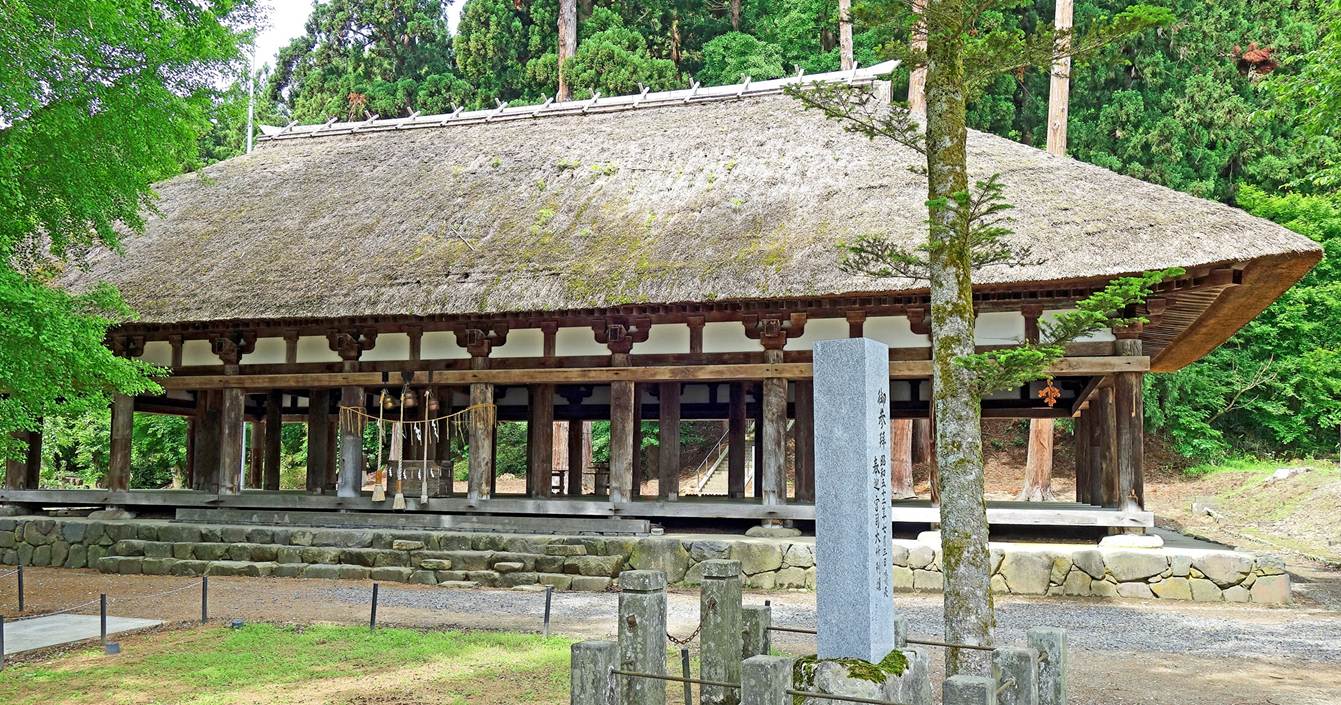
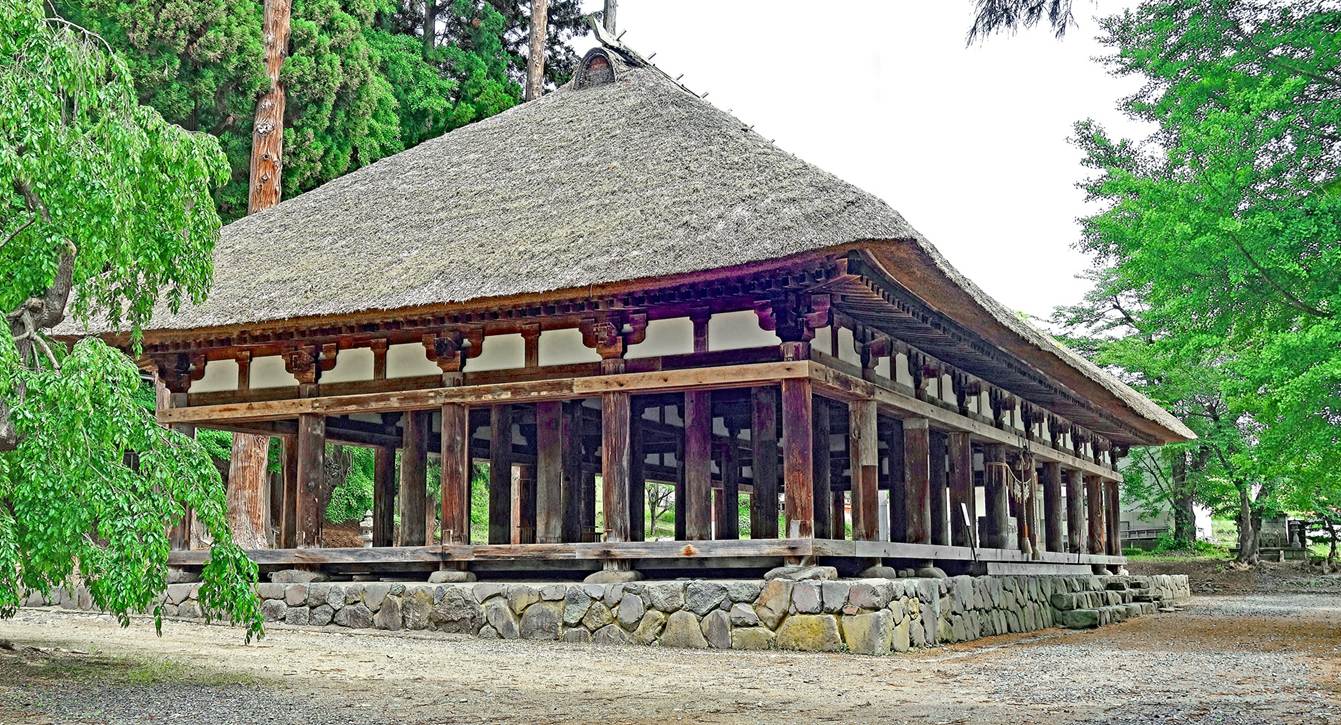
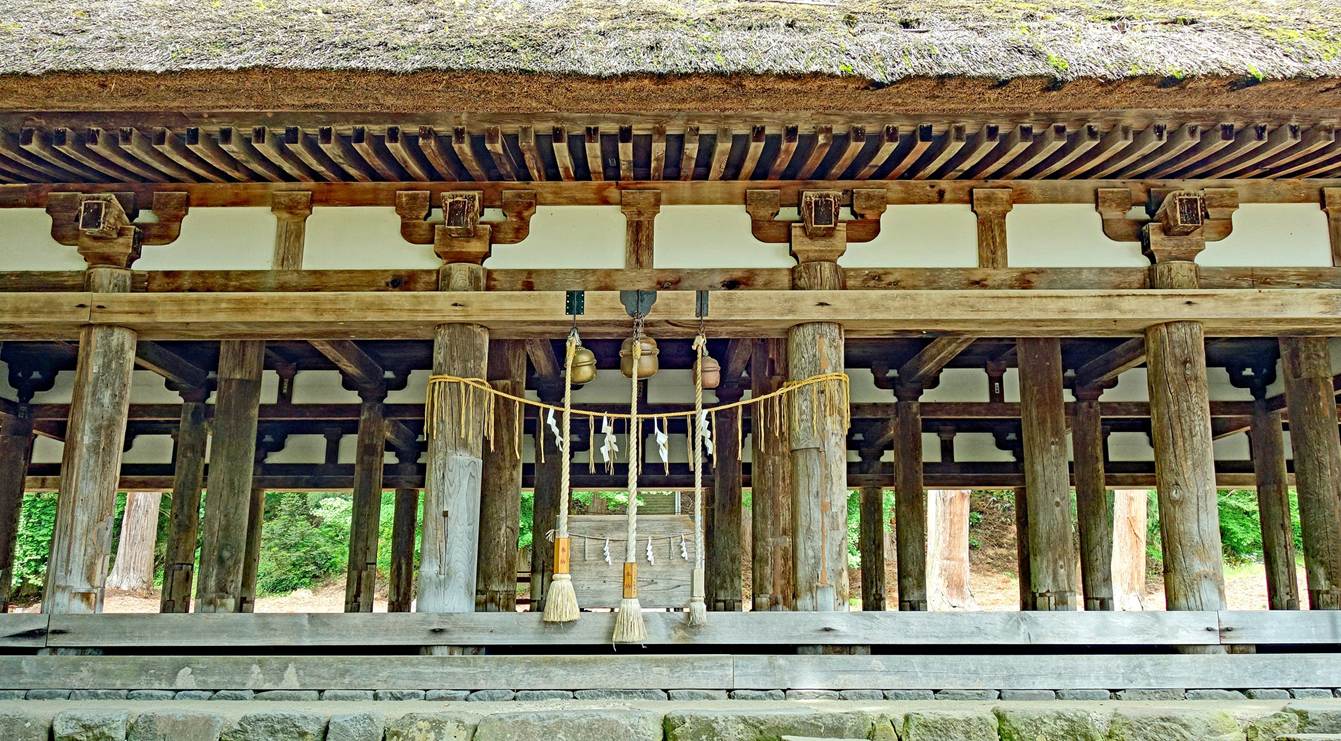
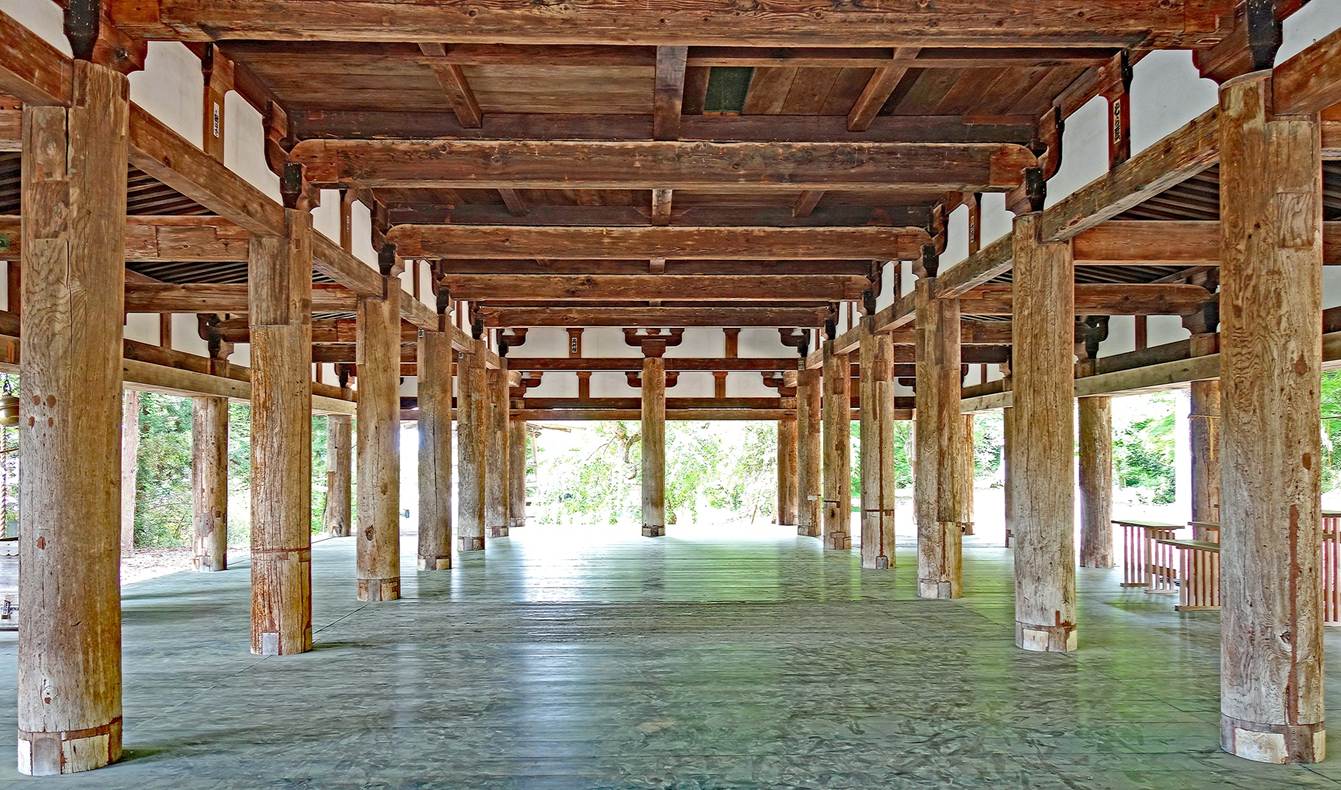
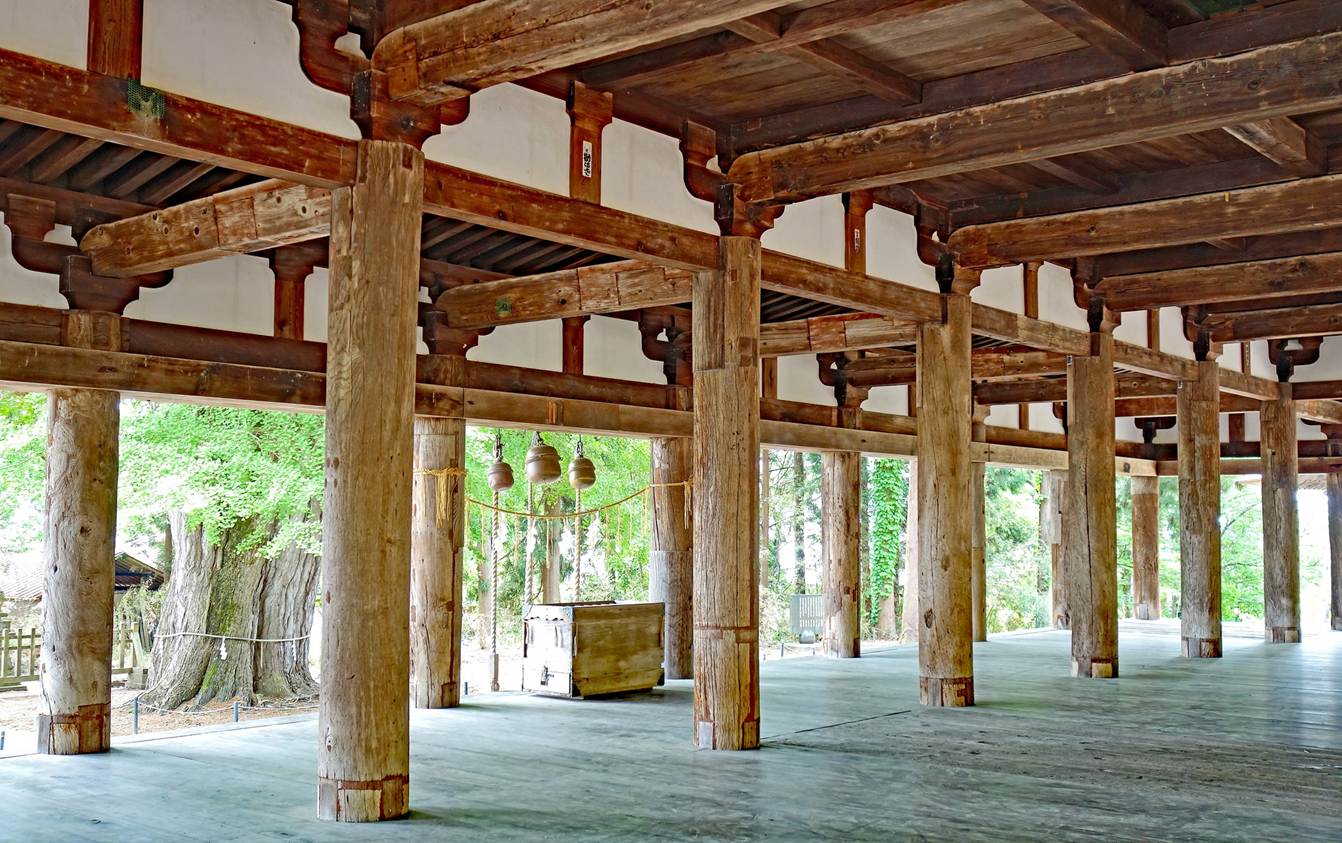
remarkable building, probably unique in Japan, is the Nagatoko,
a large thatched prayer hall without walls, opened to the elements.
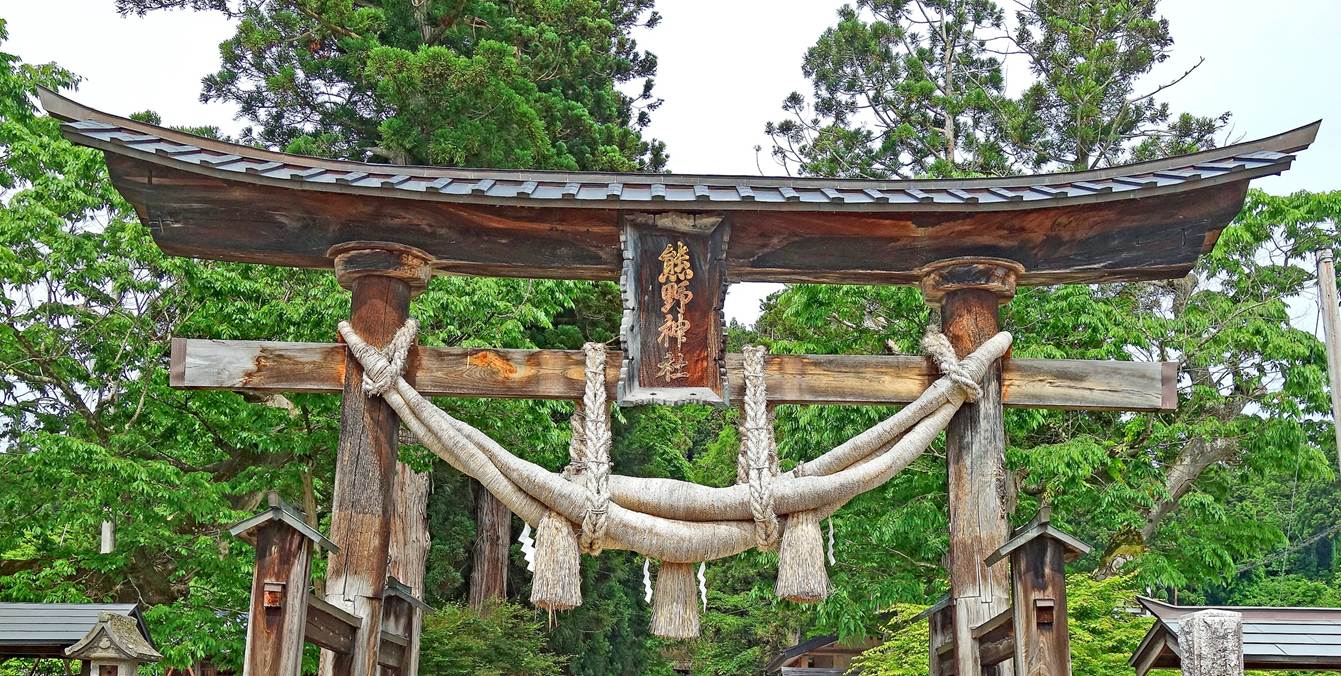
Wooden torii
with a hanging shimenawa (sacred twisted ropes made
of rice straw) at the entrance of the path leading to the Nagatoko.
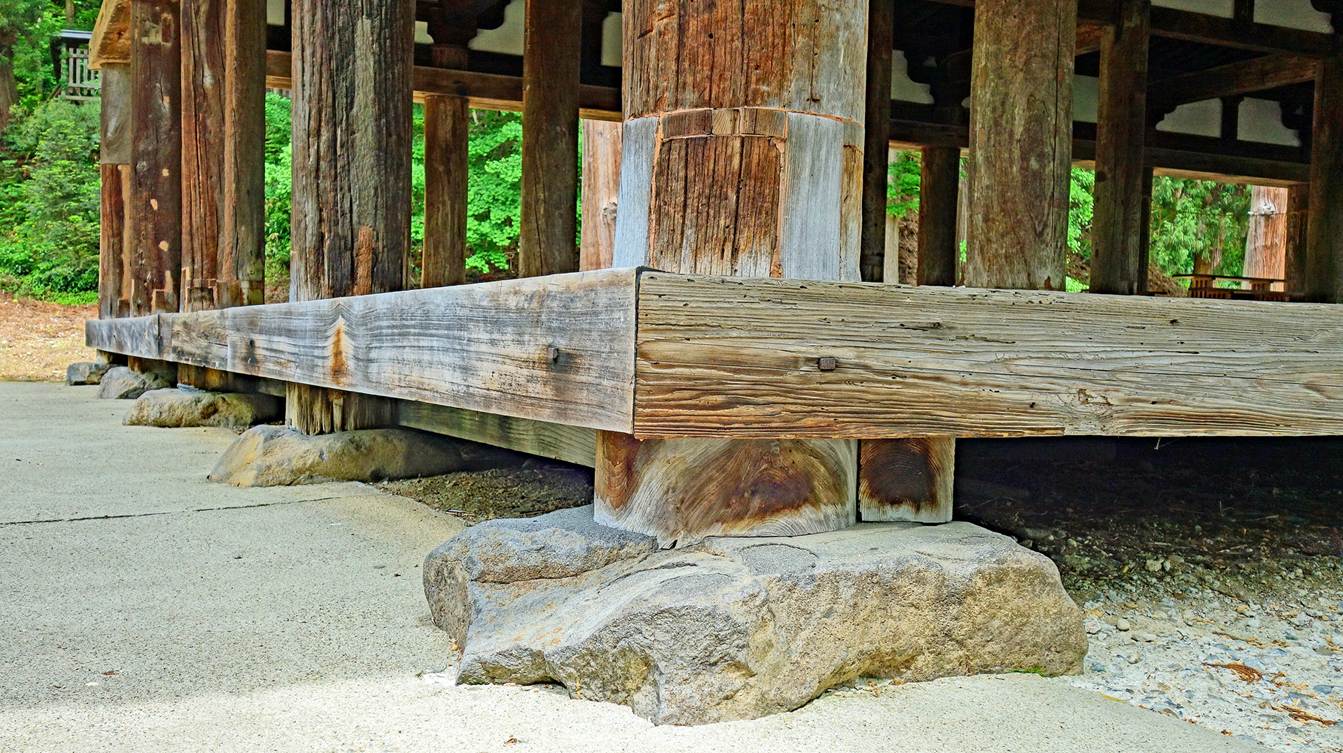
Views of the Nagatoko (長床, meaning ″long floor″) from
several angles. Its slightly raised wooden floor forms a rectangular area
measuring 27.72m x 12.12m. It is covered by a thatched hipped roof supported by
44 cylindrical wooden pillars, each 45cm in diameter. It is said to have been
used for ascetic training of priests and for Kagura dance rituals.