Taiwan: Beigan,
Matsu Islands (November 2018)

Return
to main Matsu Islands page | Return
to main Taiwan page
Annotated map of Beigan.
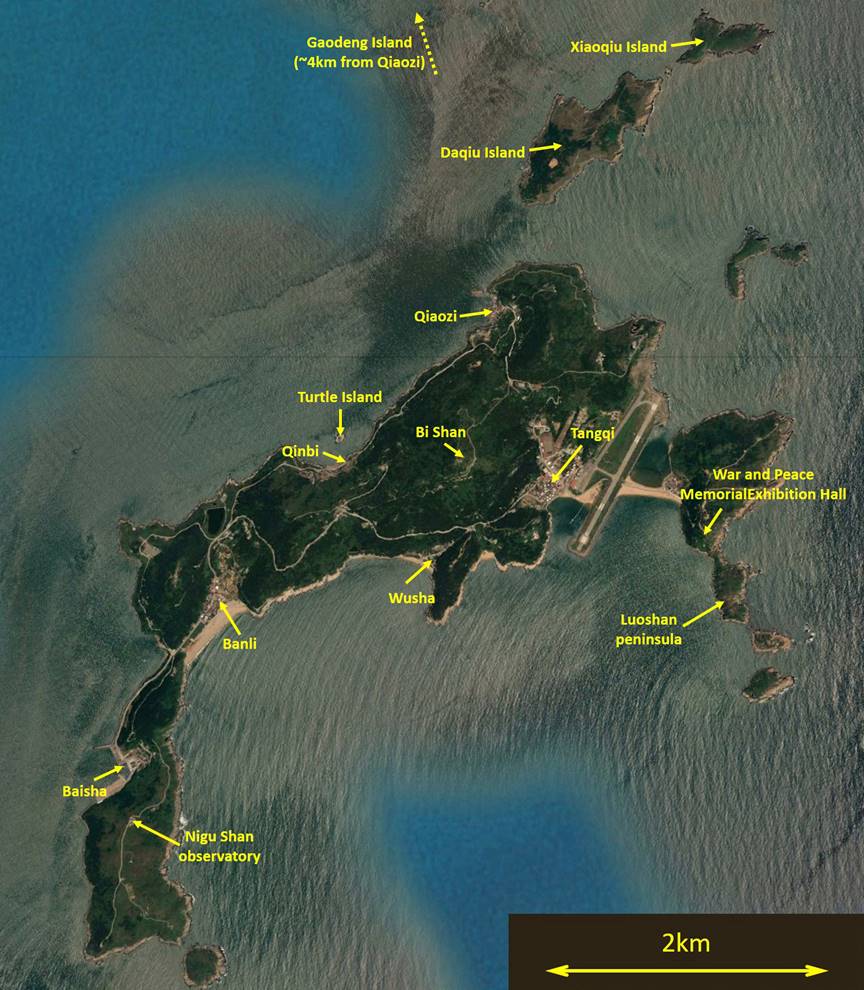
Beigan is located a few kilometers
northeast of Nangan
to which it is connected by frequent ferries. The ferry port of Beigan (Baisha)
is 6.5km away from the one of Nangan (Fuao) and the crossing between the two
ports takes about 20 minutes. Beigan has also an airport, which predates the
one in Nangan, with daily flights to/from Taipei. Beigan is slightly smaller
than Nangan, but perhaps more hilly. Parts of its coastline are gorgeous,
especially near the two southern tips of the island (on the west and on the
east). Its highest point (Bi Shan, 298m) is the highest in the entire Matsu
archipelago. But the greatest highlight on Beigan is Qinbi, the best
preserved/restored northern-Fujian-style stone house village in the Matsu
islands (and perhaps anywhere else).
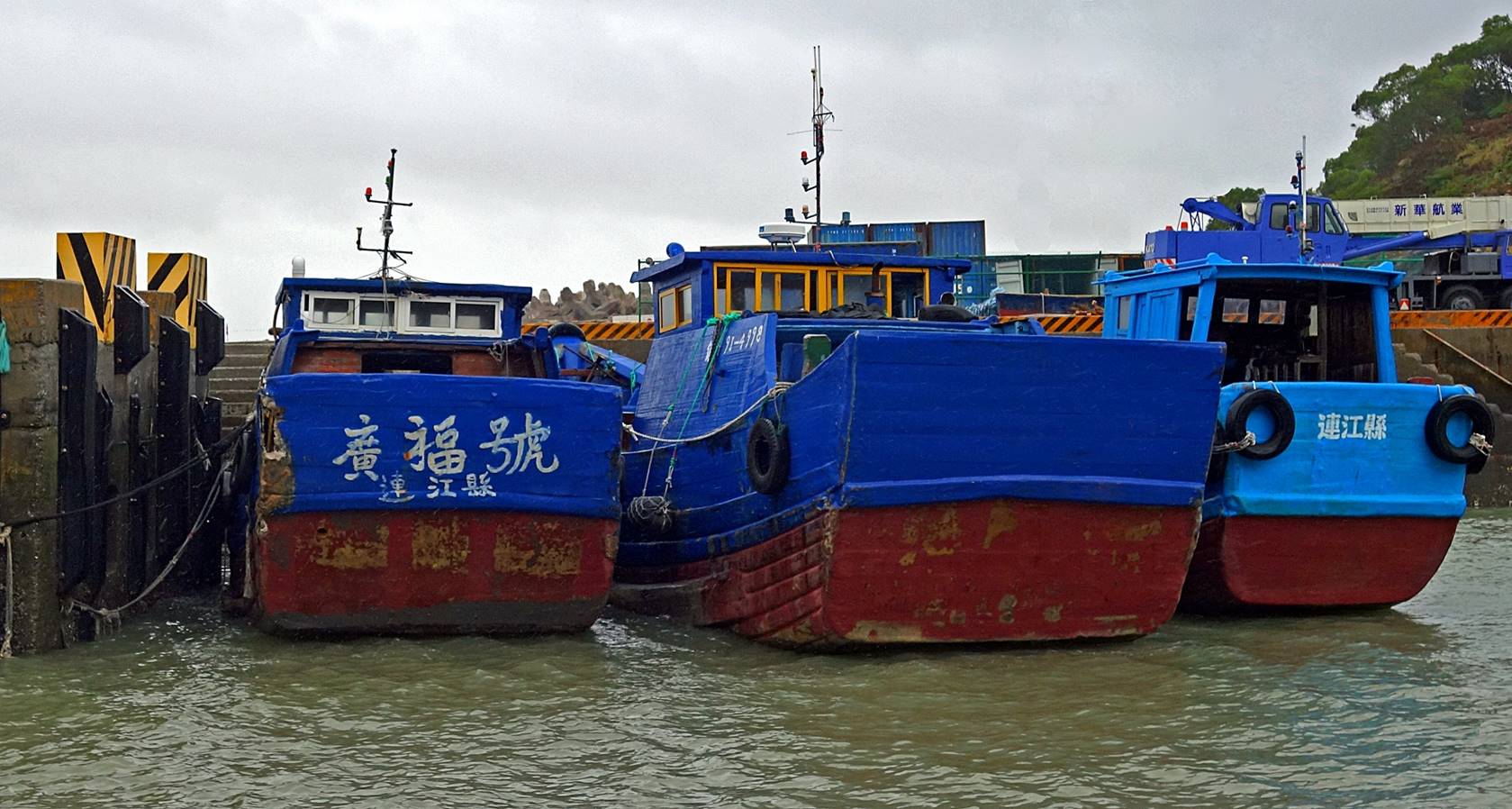
Baisha harbor (北竿白沙港)
Traditional
boats.
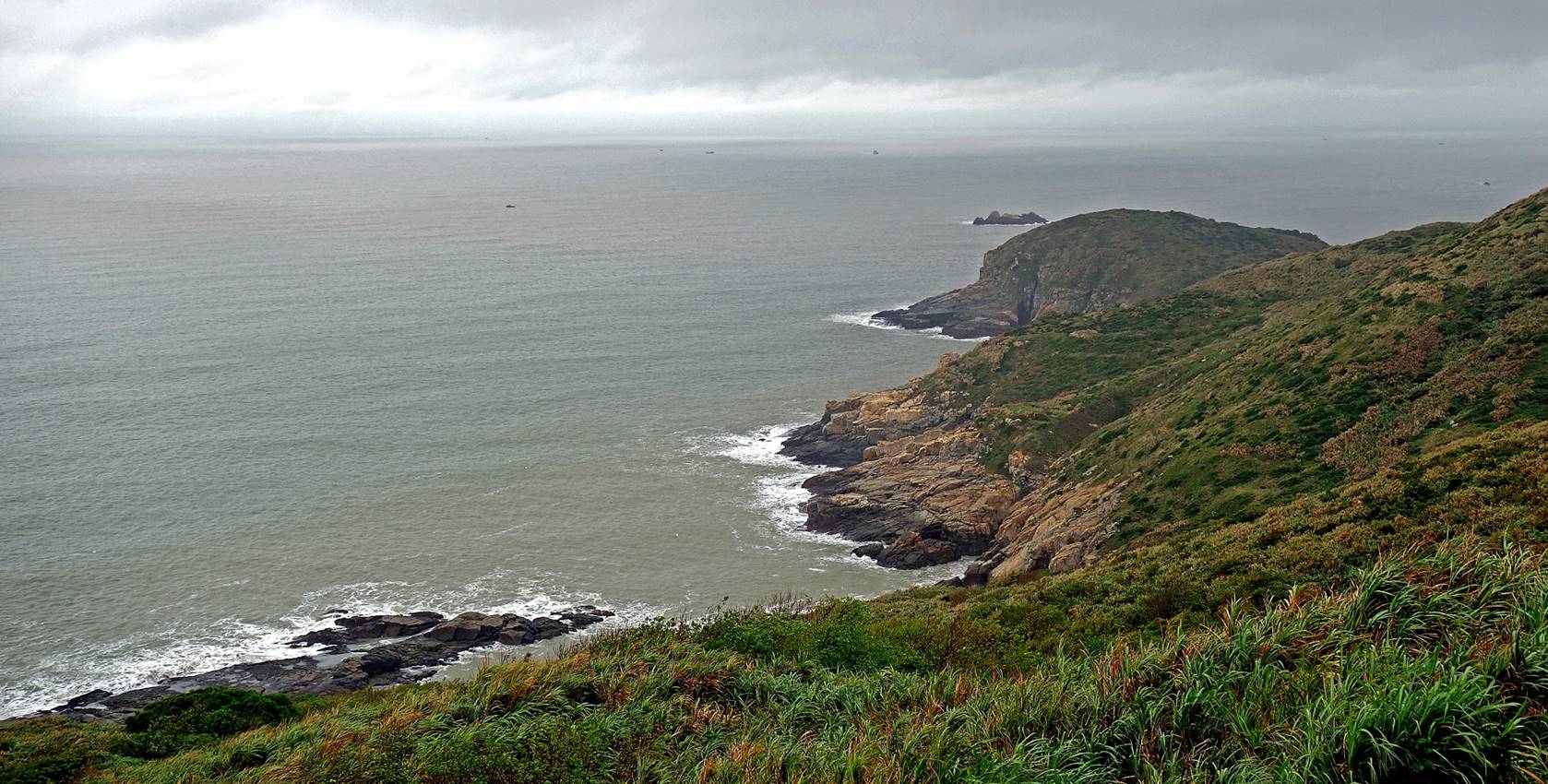
Nigu Shan (尼姑山) (123m)
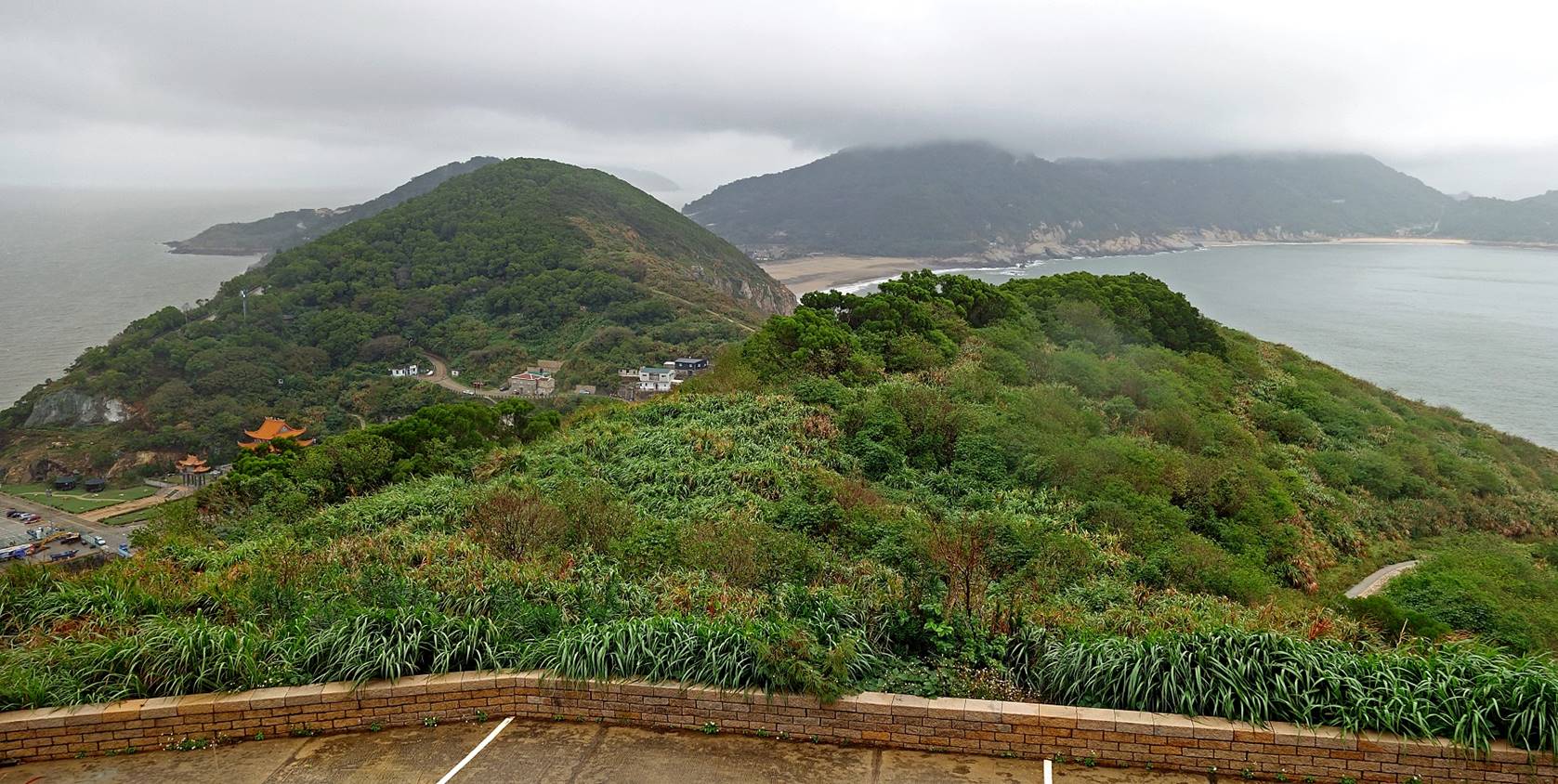
Views from
the observatory platform near the summit:
- Toward the
southern tip of the island.
- Toward the
north. Baisha harbor is partially visible on the left of the photo. Banli beach
and Wusha beach are visible near the center and on the right of the photo.
Around Banli
village
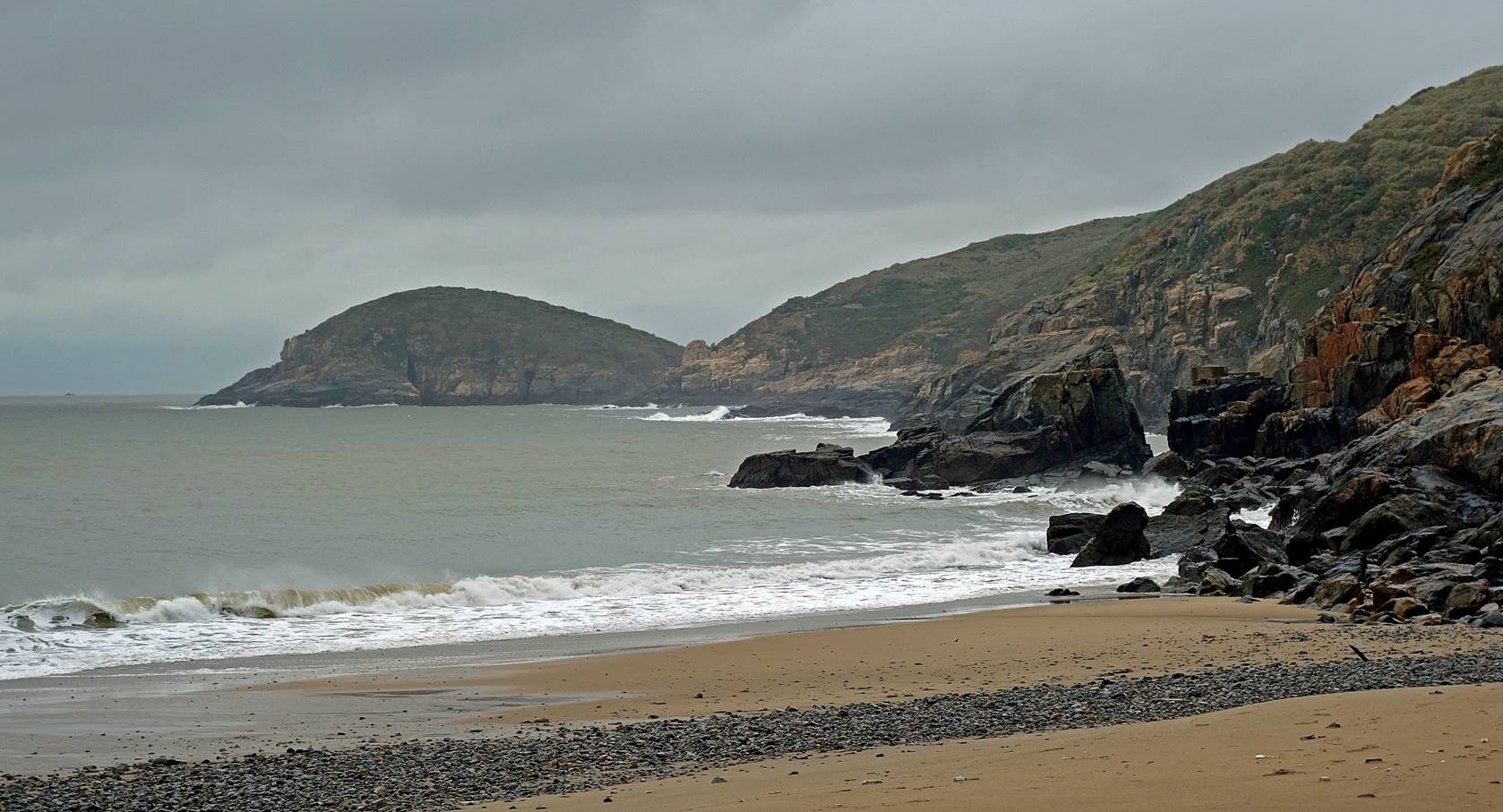
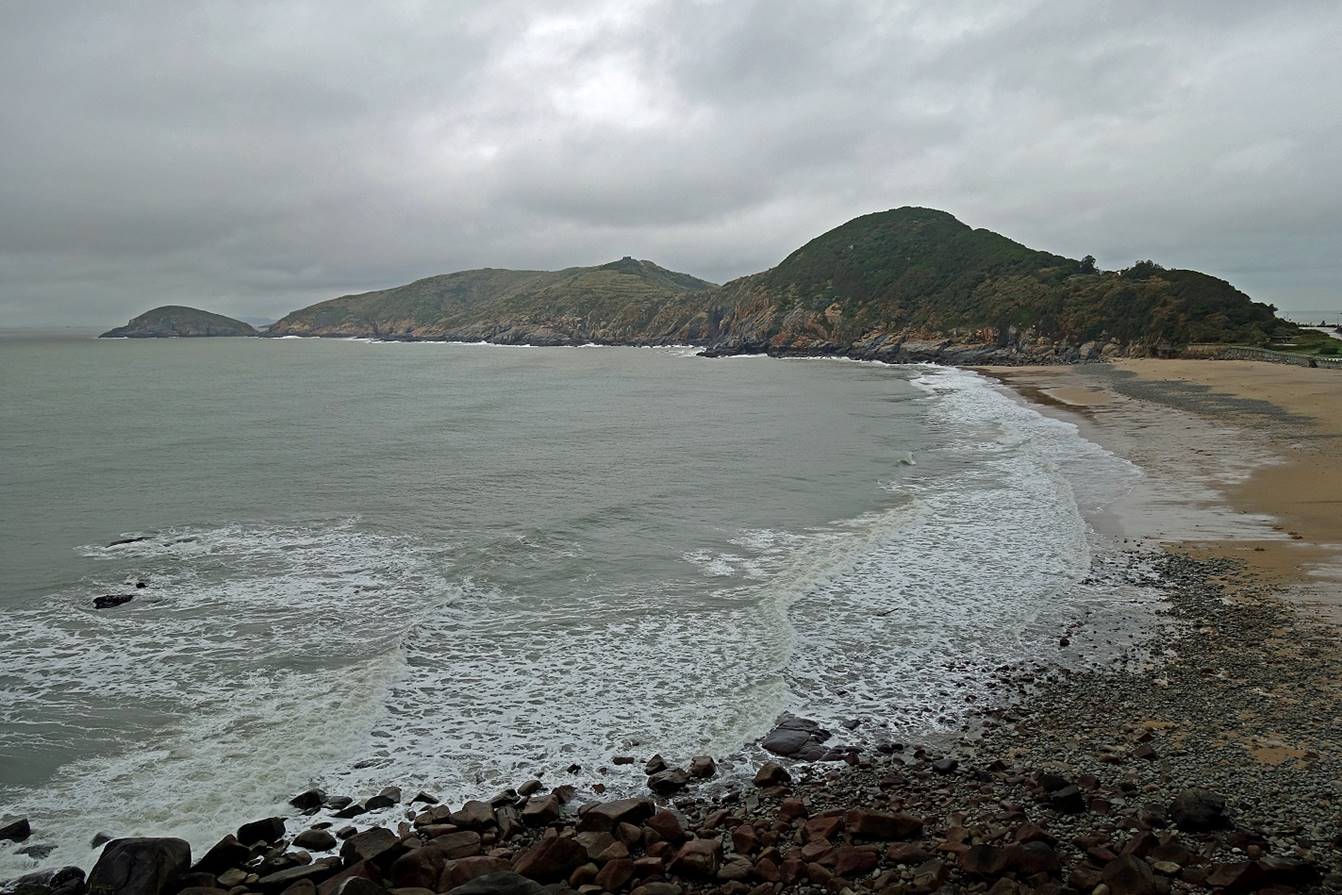
Banli beach (坂里沙灘).
Tiny Tianhou
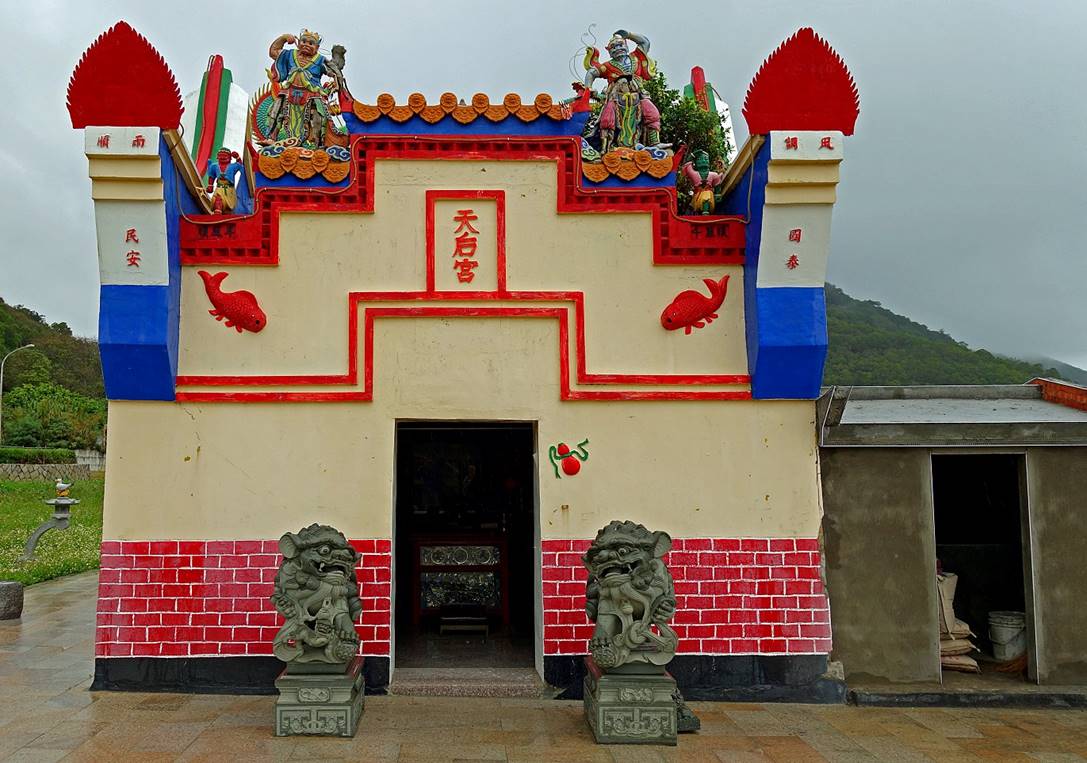
(Mazu) temple near the beach (坂里天后宮):
- Left:
Facade of the temple.
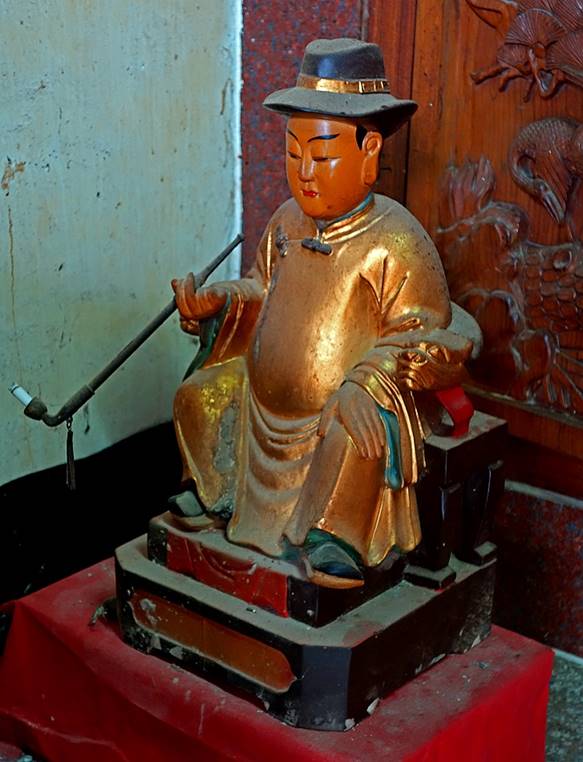
- Right:
Statue in the temple. It depicts Lao Tang Gong (老堂公), a local
folk deity primarily venerated in the Matsu islands. Villagers make offerings
to him for the safety of the community's children.
|
|
|
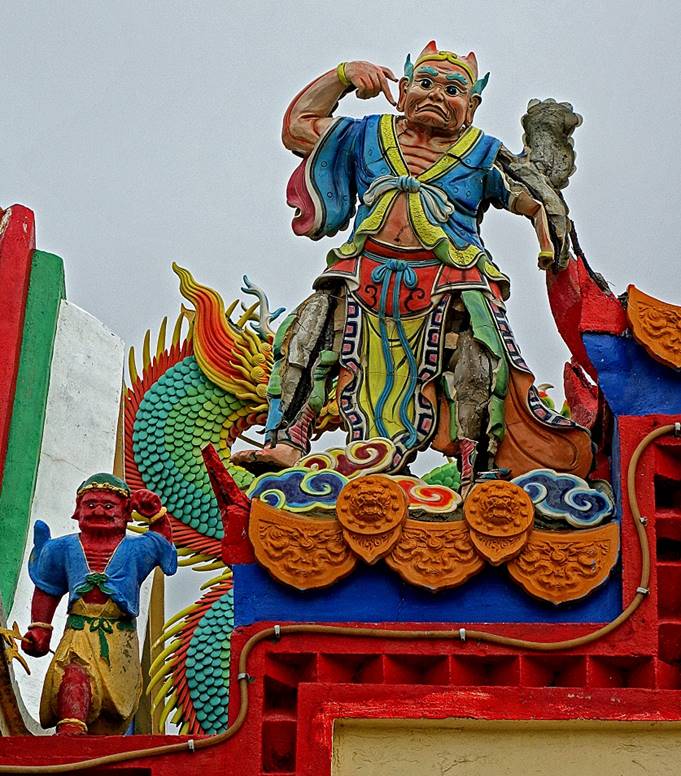
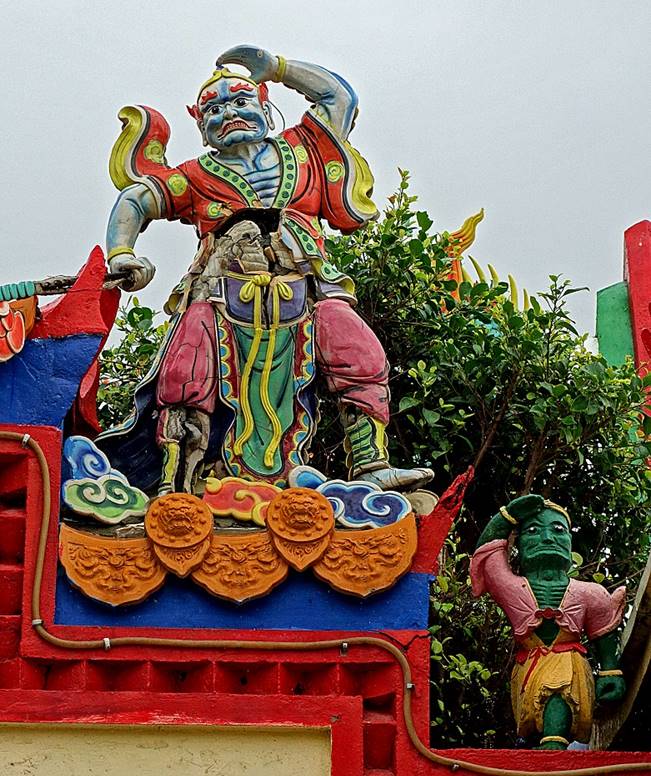
- Statues on the roof of the temple.
They depict Shunfeng'er (順風耳), who can hear sounds from very far (on
the left) and Qianliyan (千里眼), who can see very far (on the right),
the two customary guardians of Mazu.
|
|
|
Temple of the
White-Horse King (白馬尊王廟):
Located on
the west coast of Beigan, close to the Banli beach, this temple enshrines the
legendary local hero known as 白馬尊王 (meaning ″White
Horse King″), who fought a malevolent sea monster. Riding a magical white
horse, he killed the monster, but died during the fight. There are several
White Horse King temples in the Matsu islands.
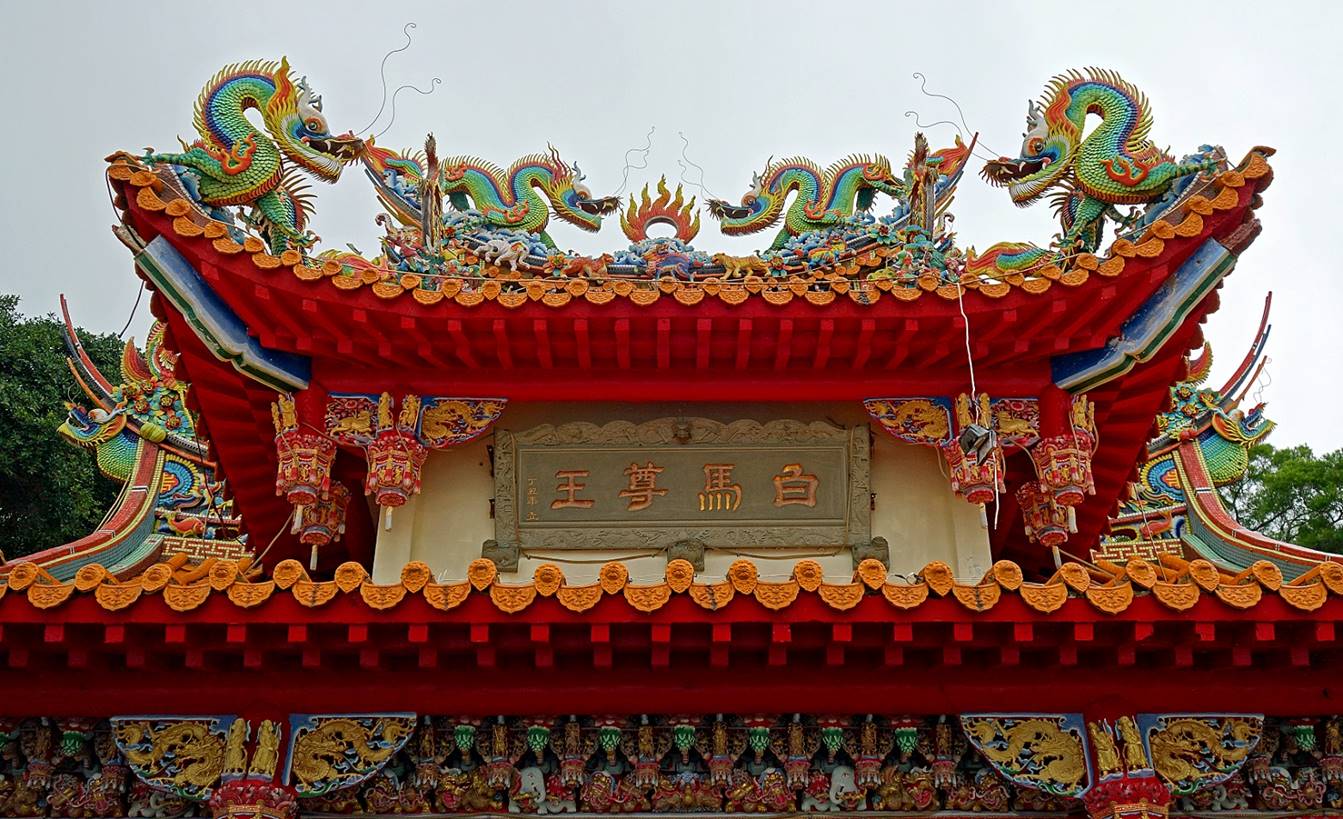
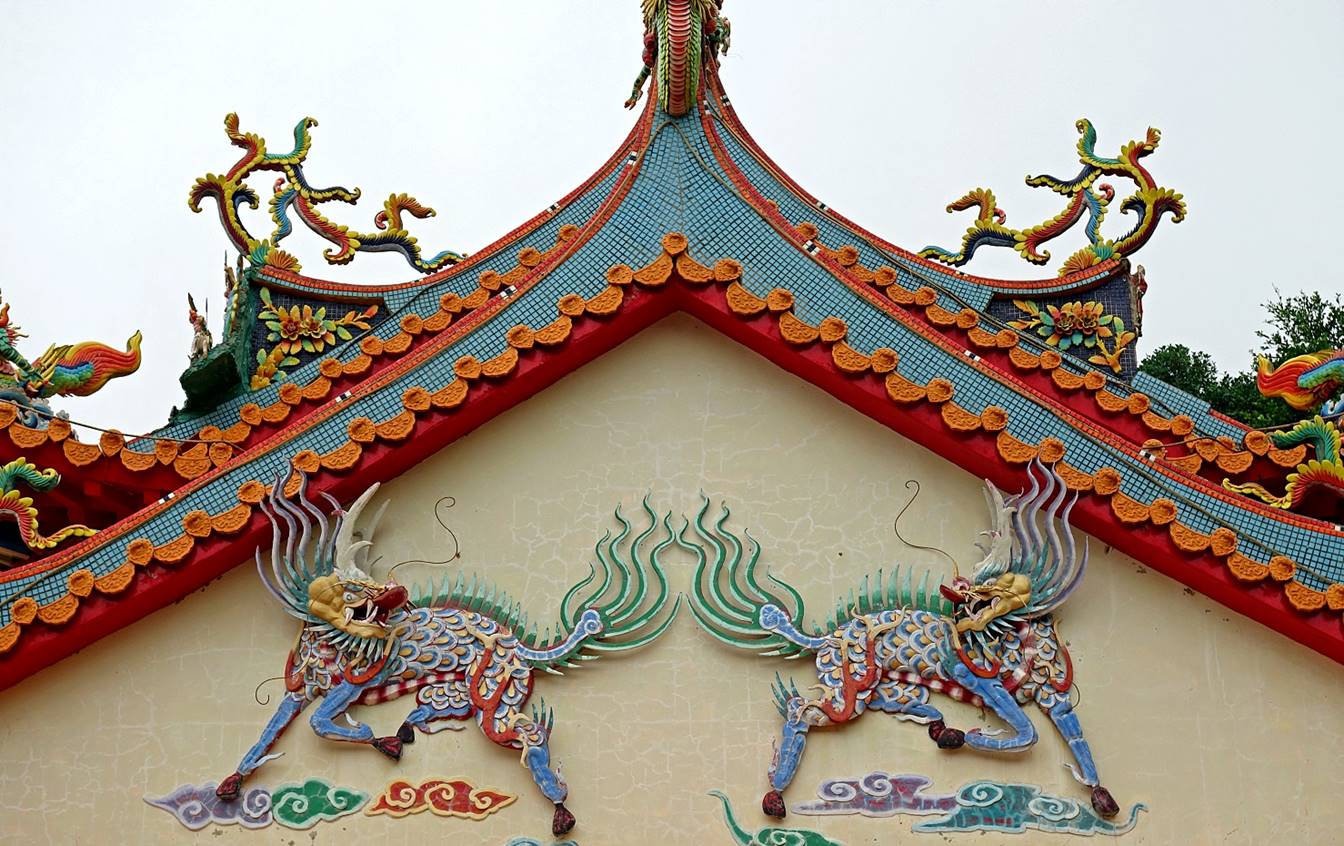
- Views of
parts of the temple's roof. Note the plaque bearing the Chinese name of the
White-Horse King, 白馬尊王, in the
first photo below.
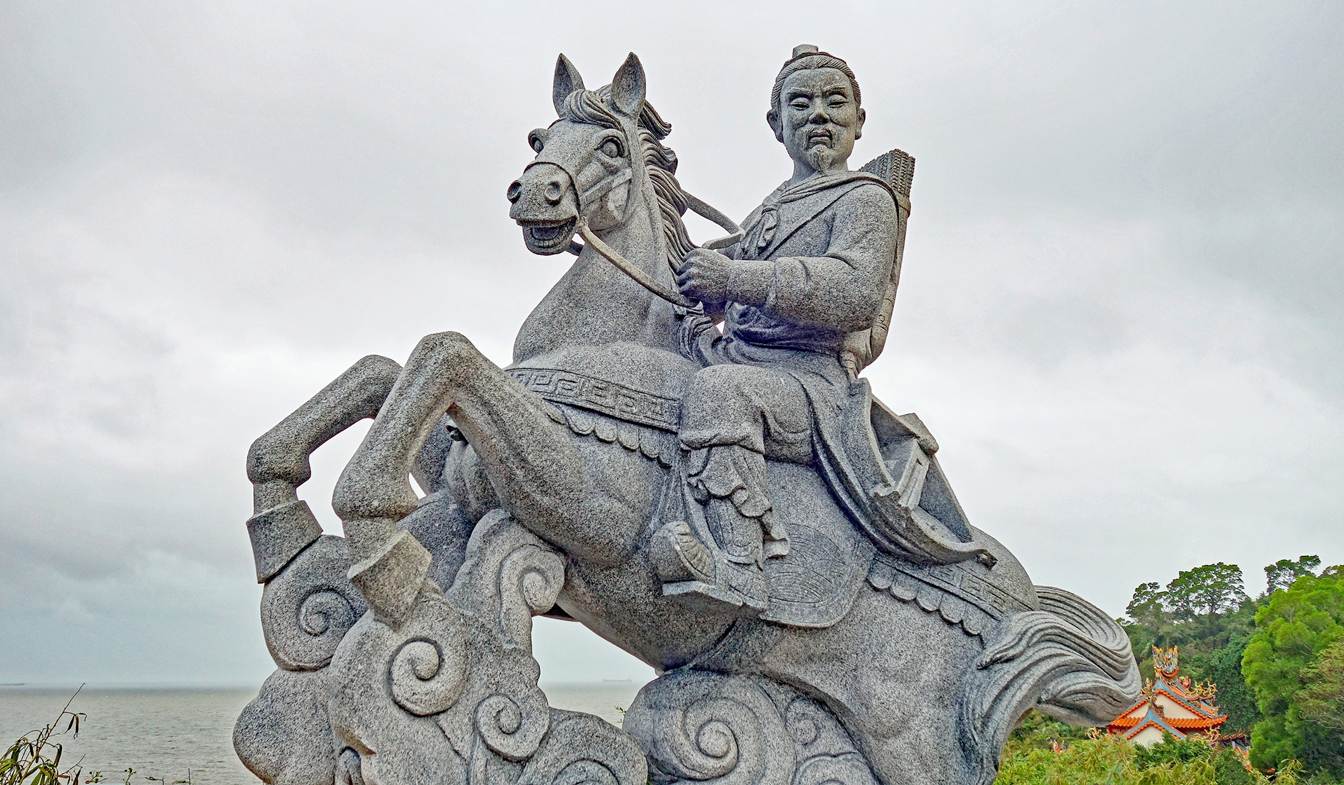
- Statue of the White-Horse King outside
the temple.
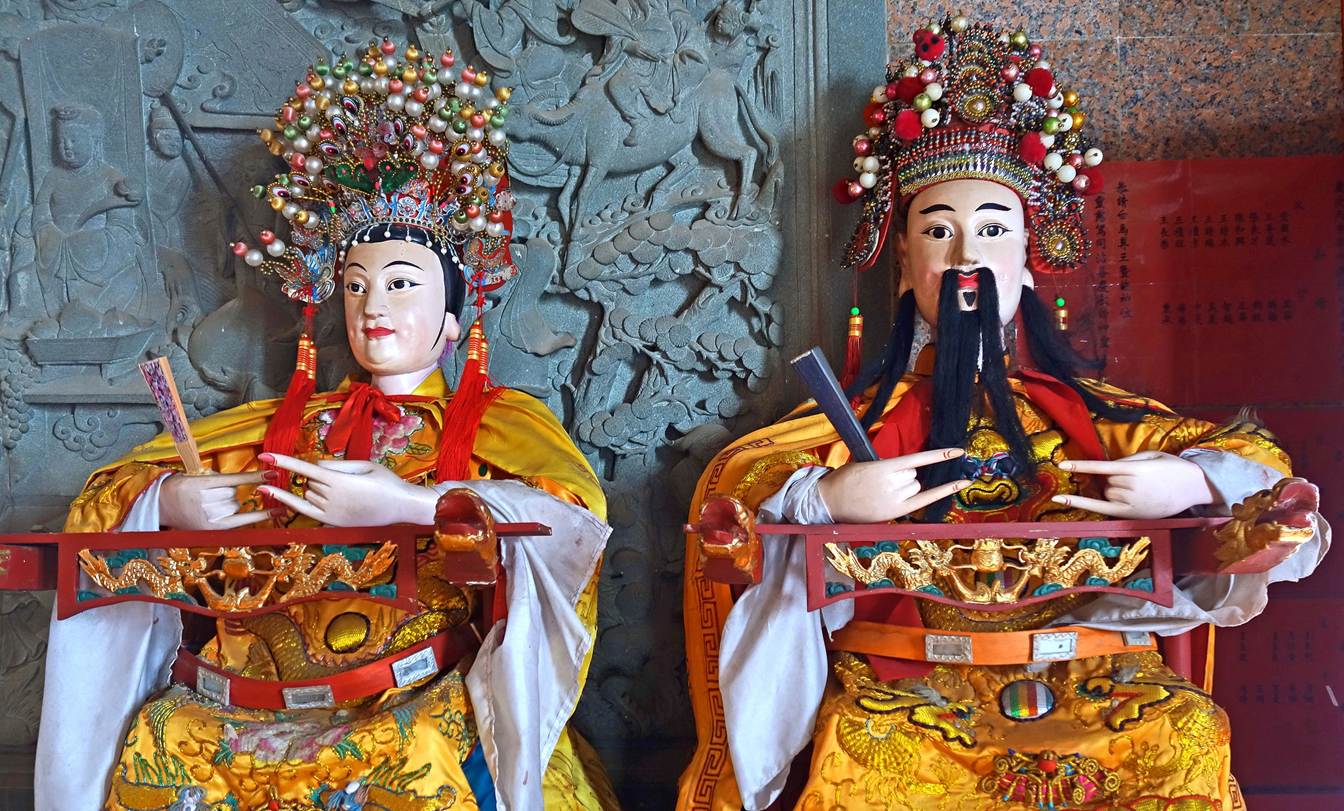
- Statues depicting the White-Horse King
and his wife, inside the temple.
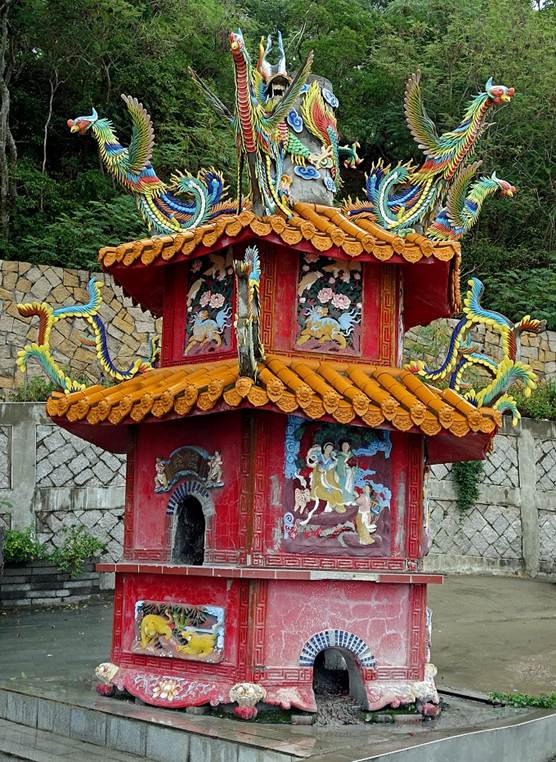
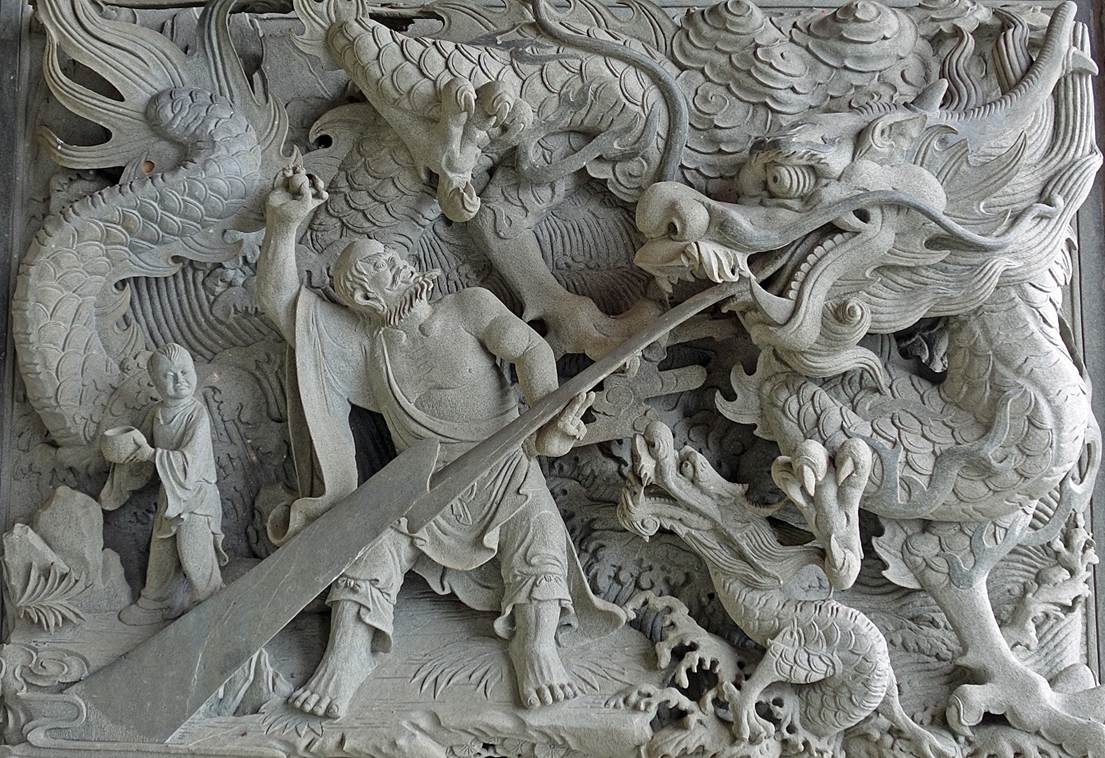
- Left: Ghost money burner of the
temple. Right: Stone carving on a temple wall.
|
|
|
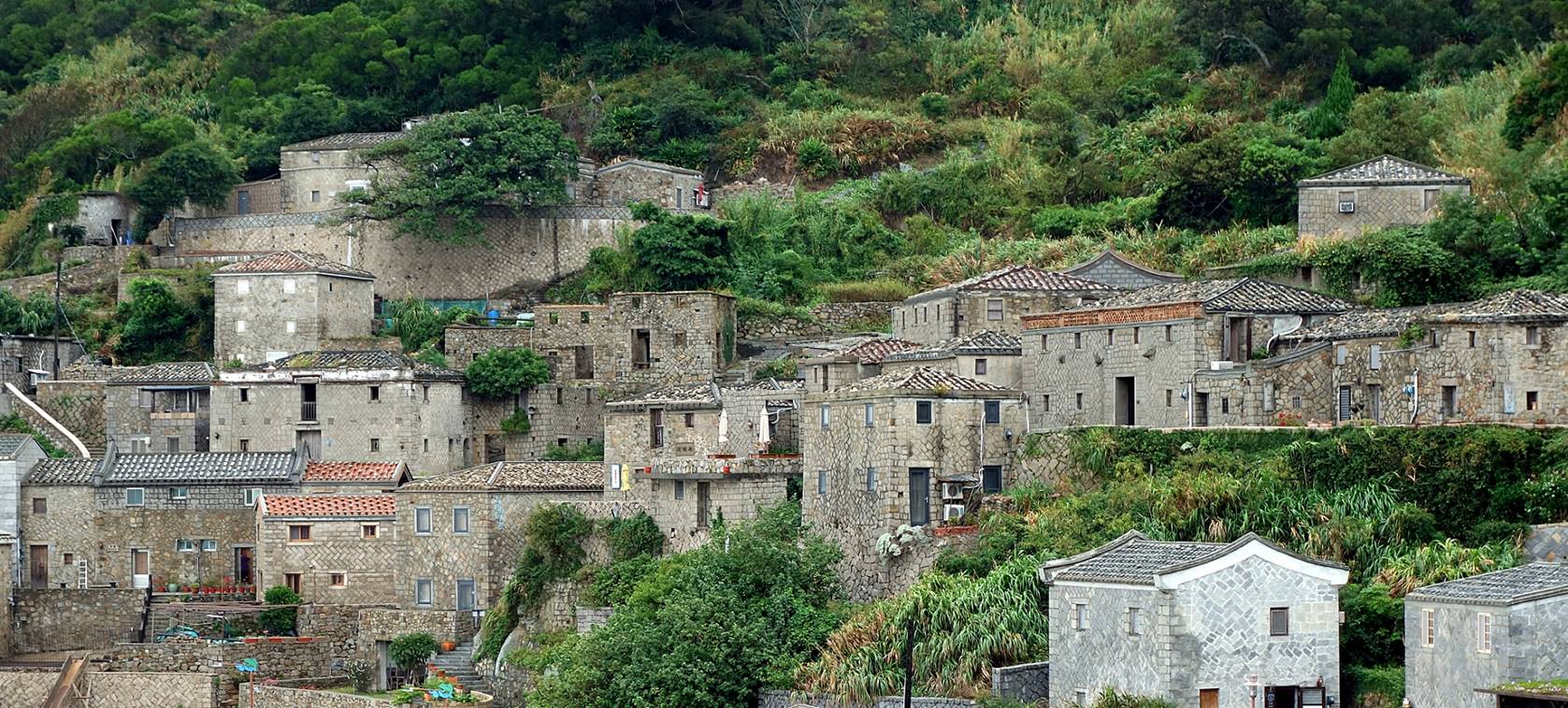
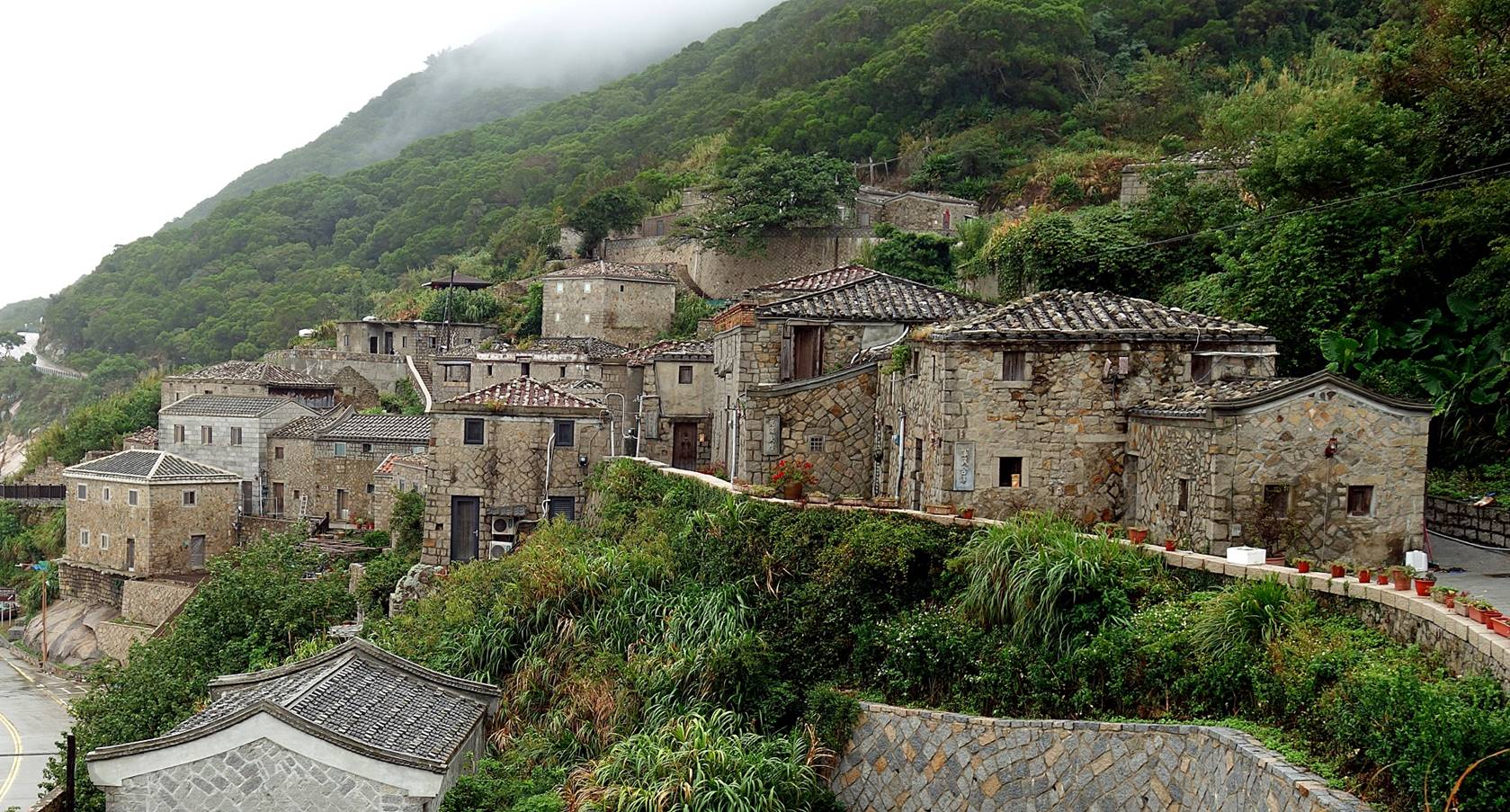
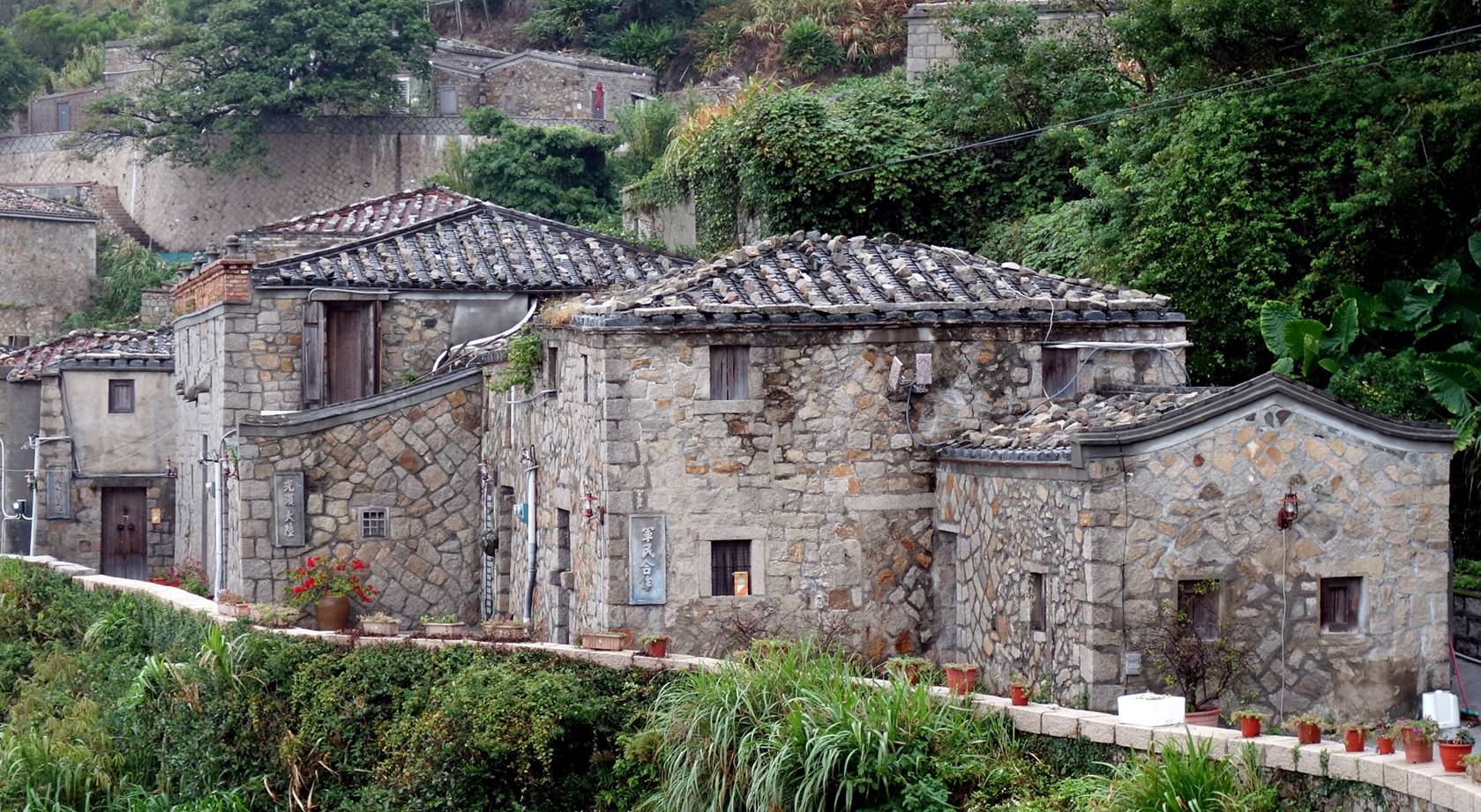
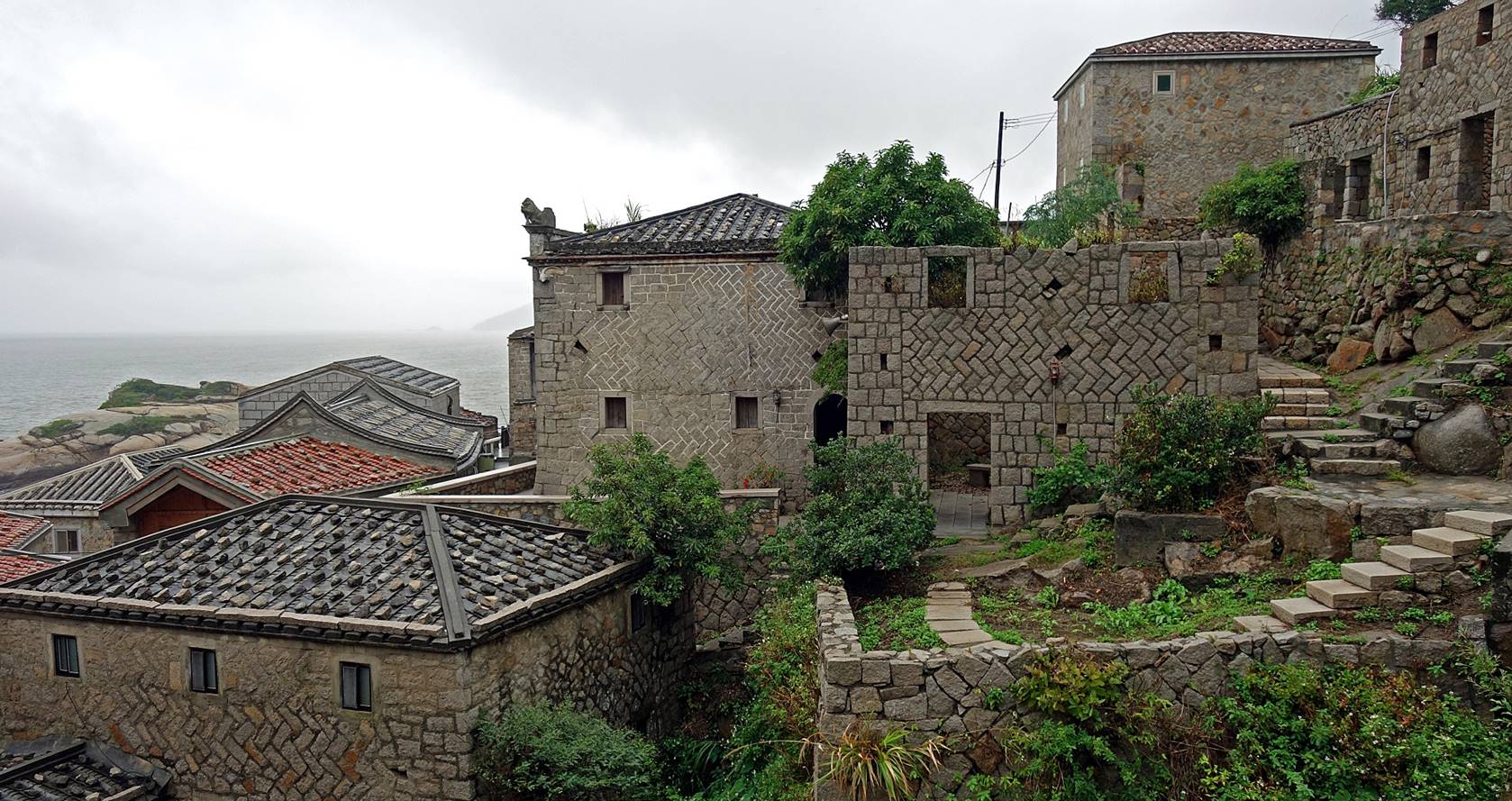
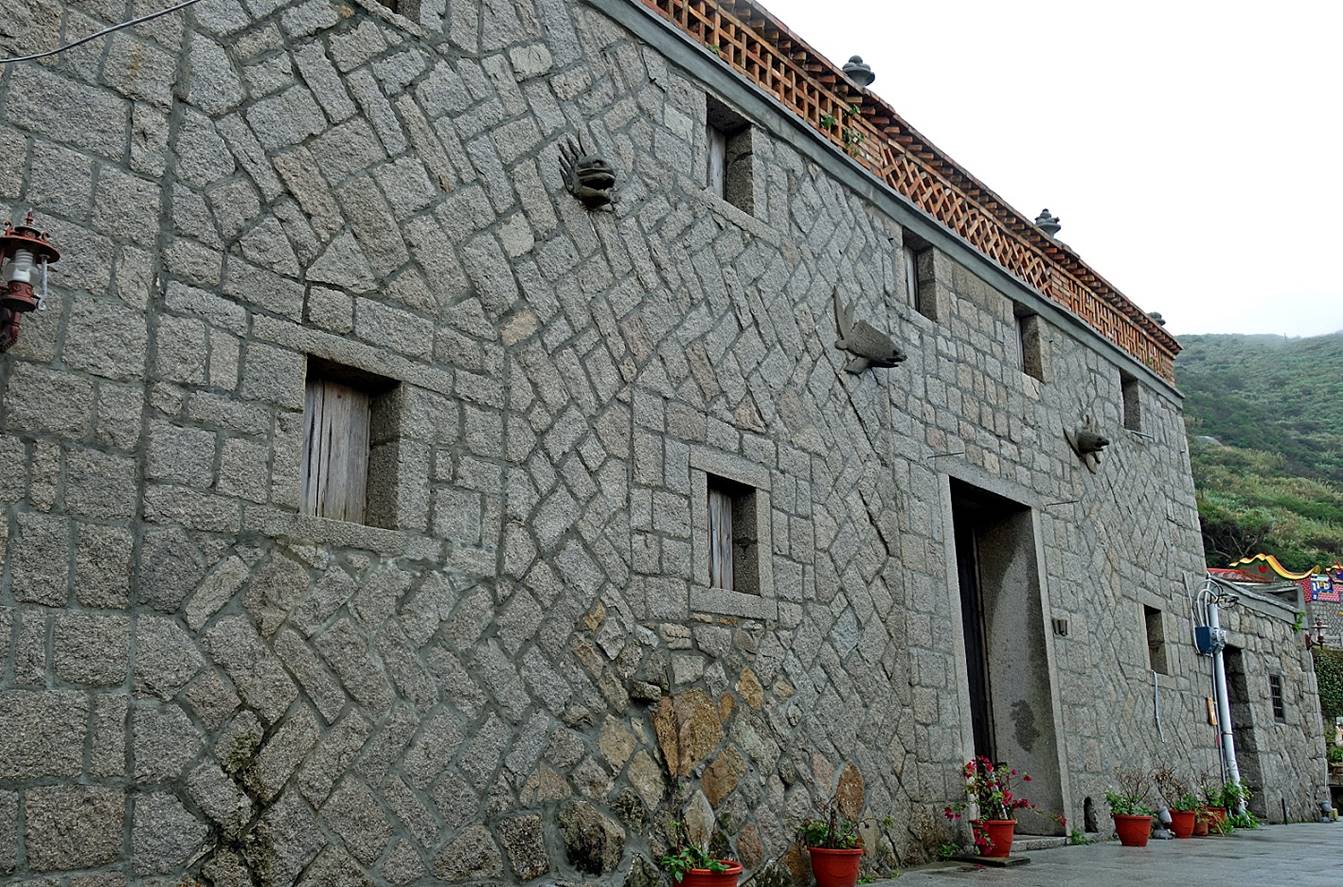
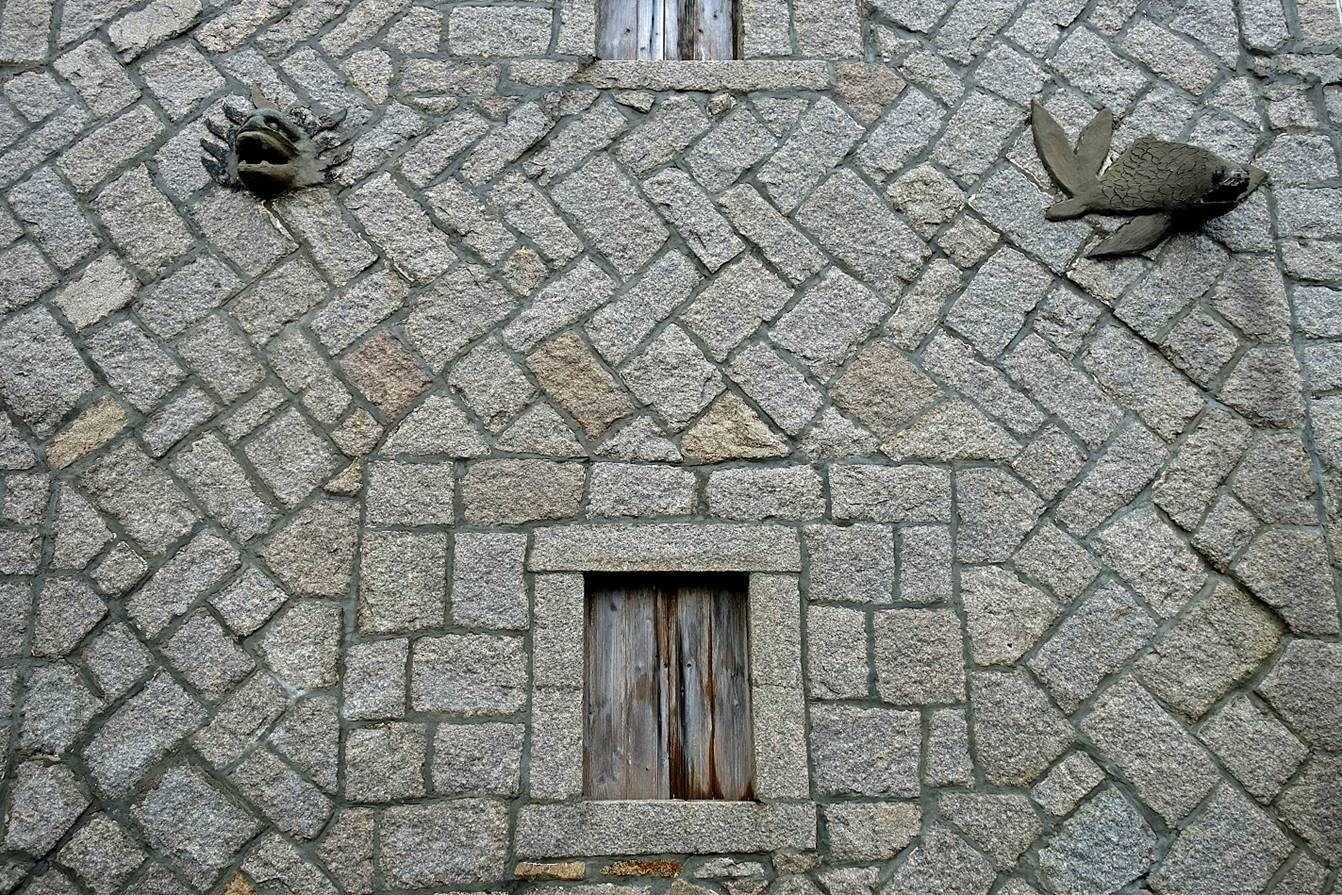
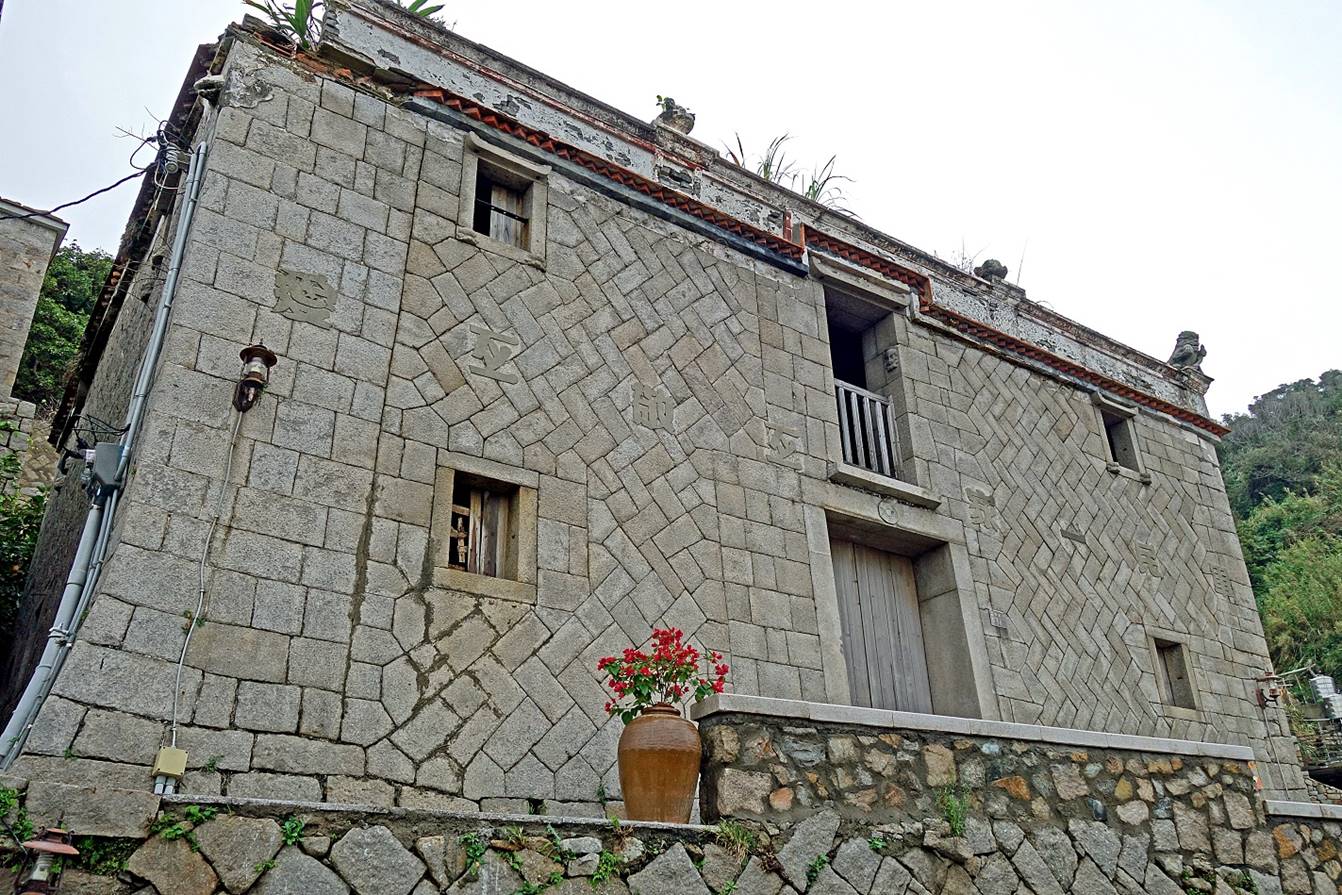
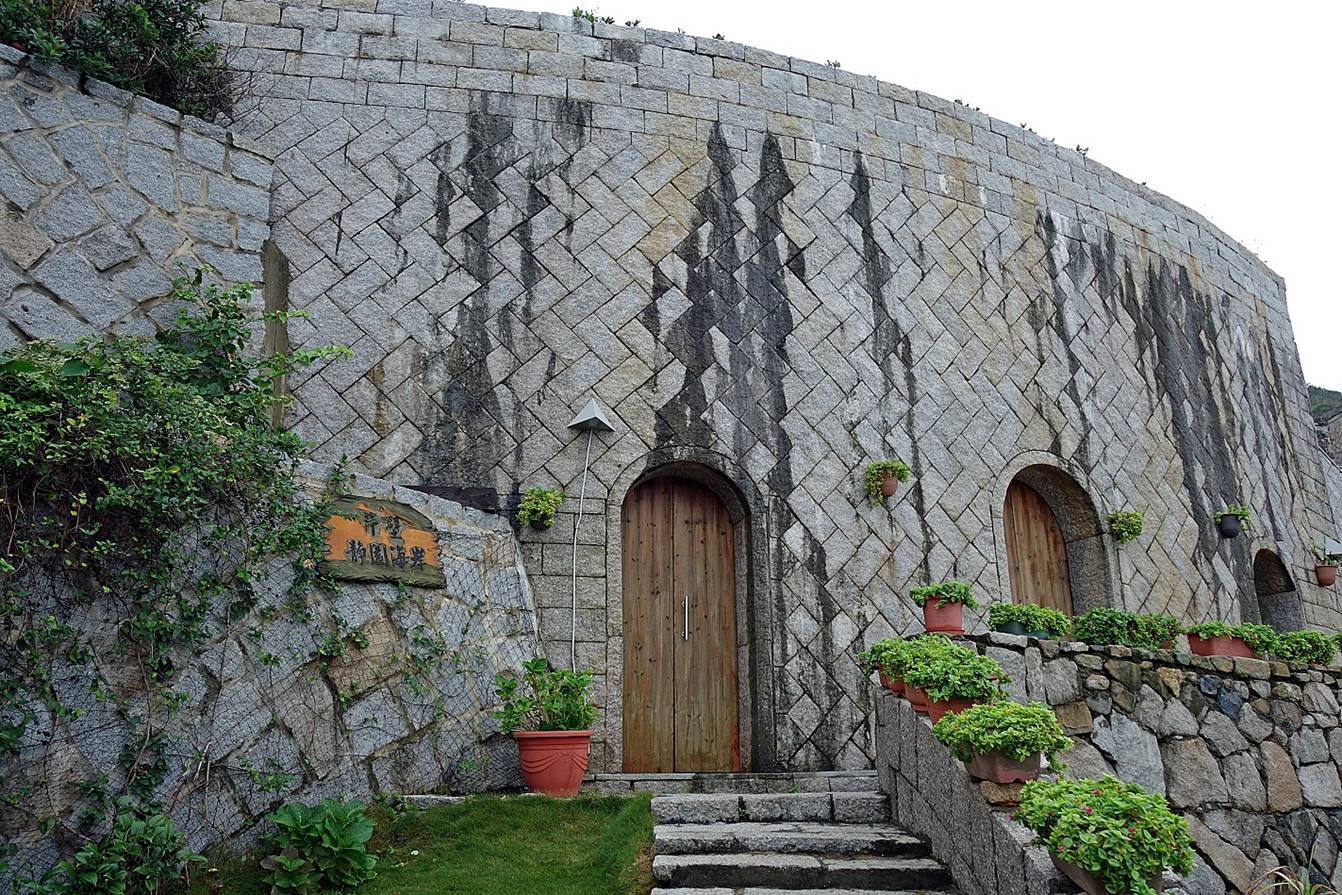
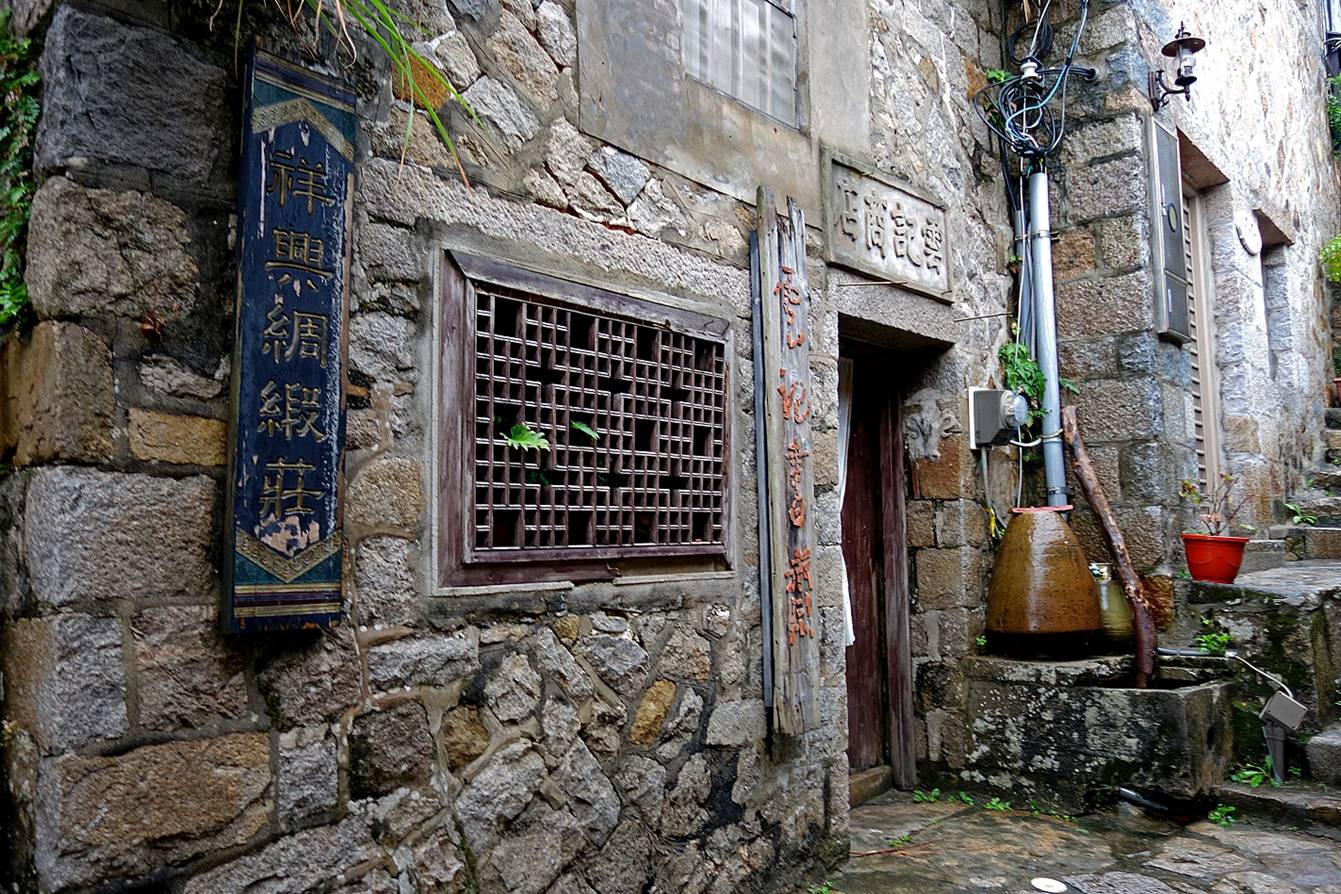
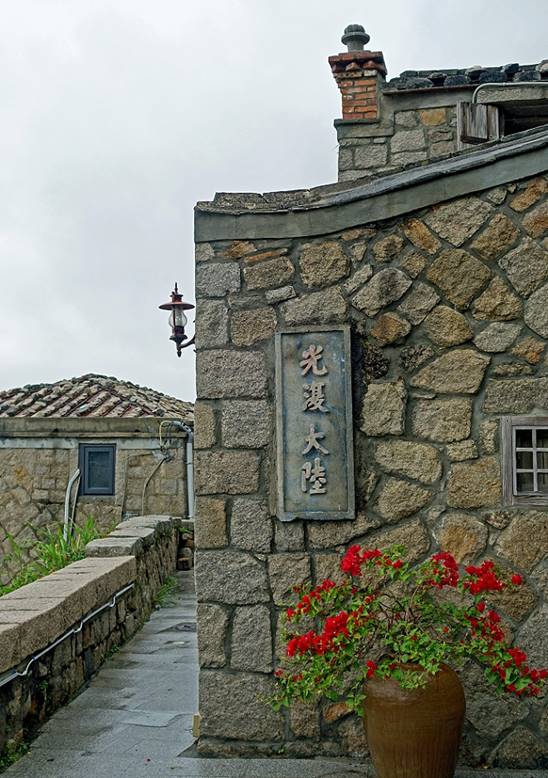
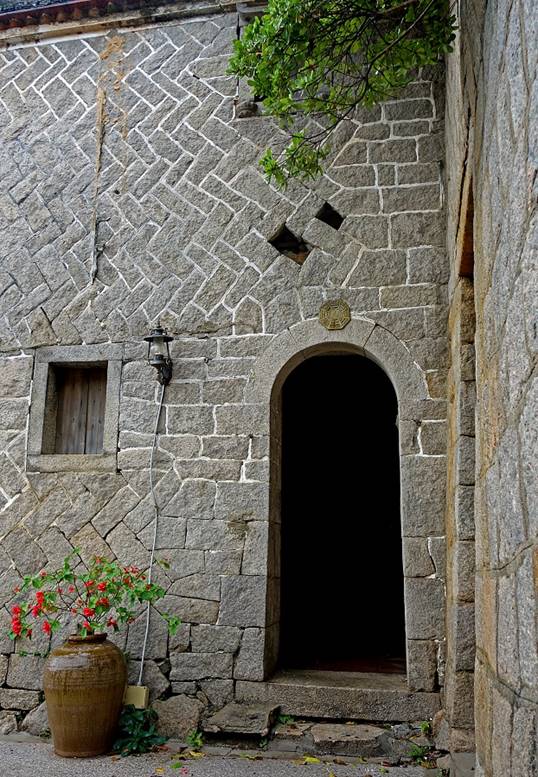
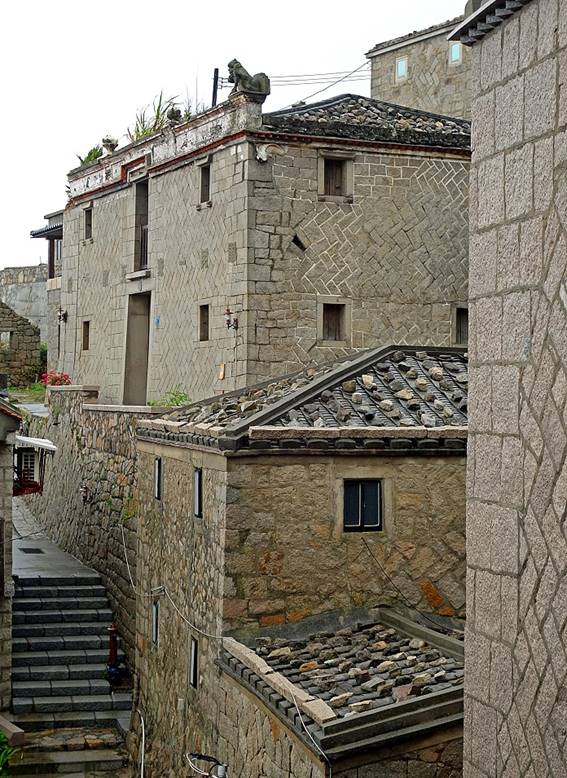
Qinbi village (芹壁聚落)
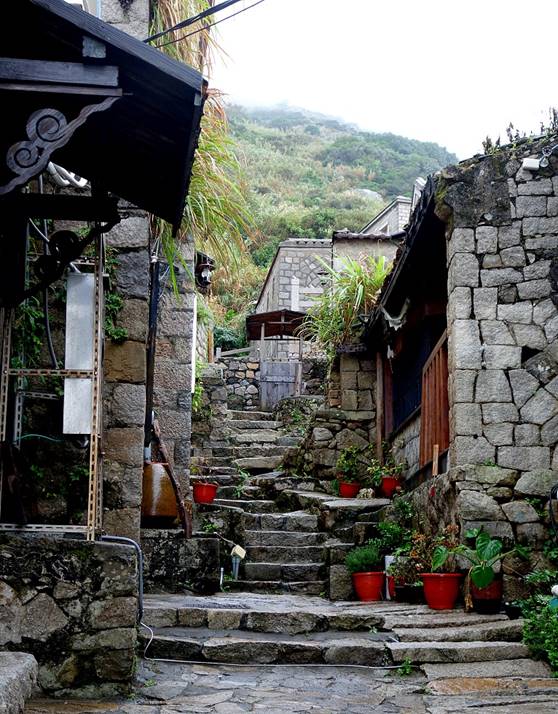
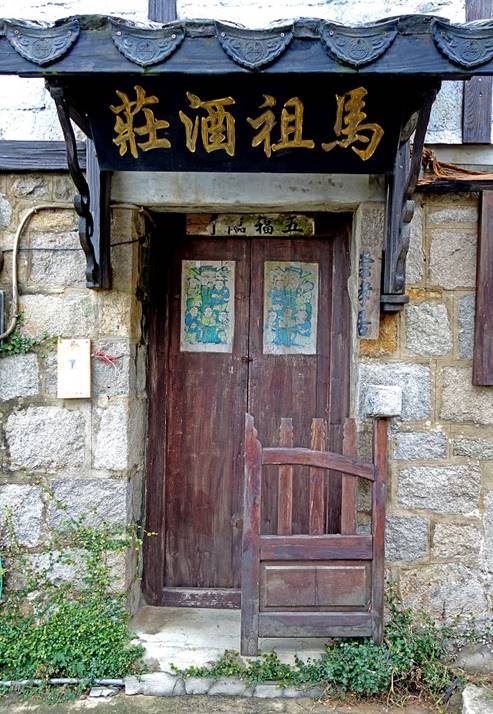
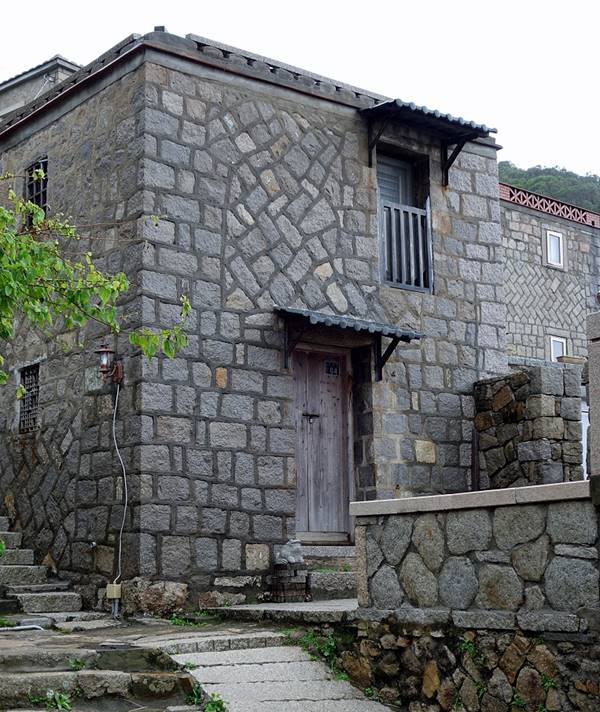
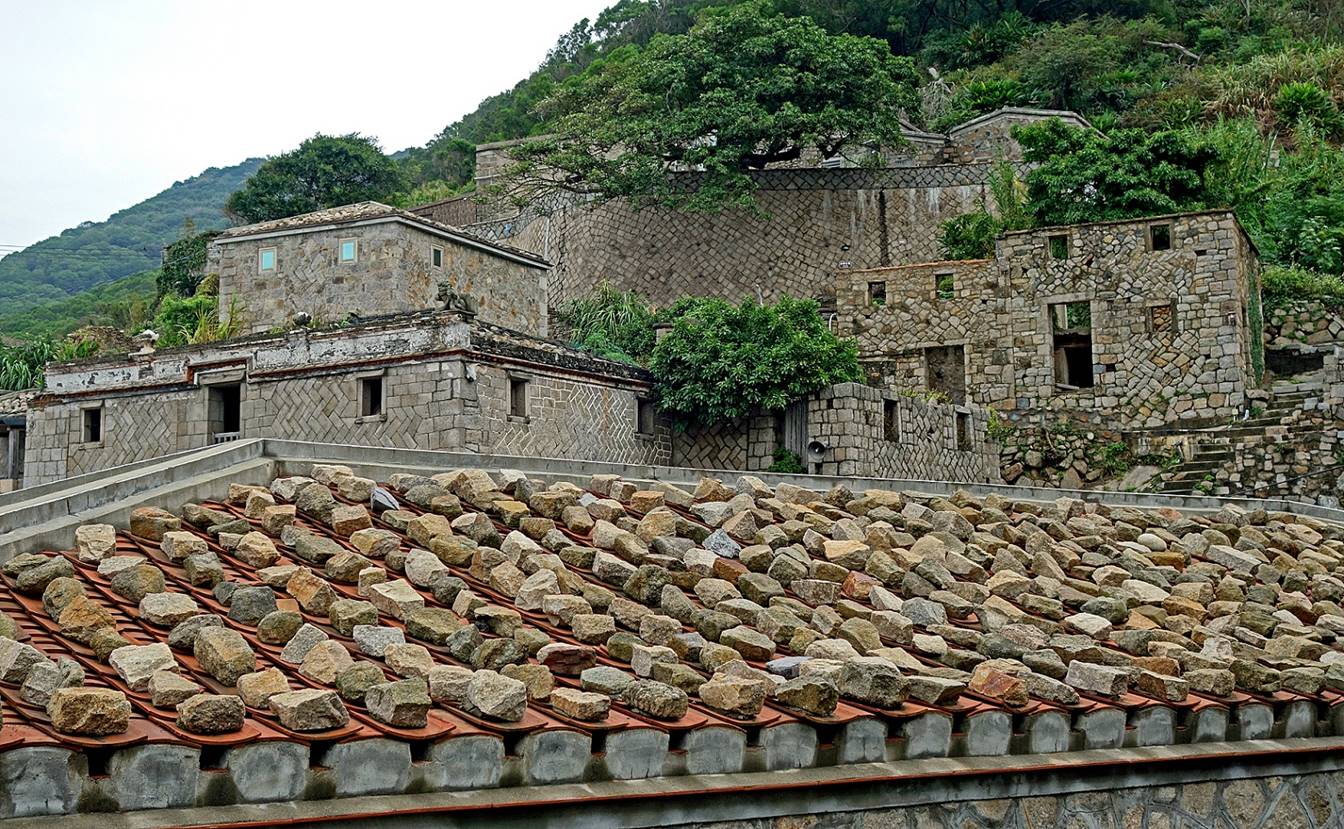
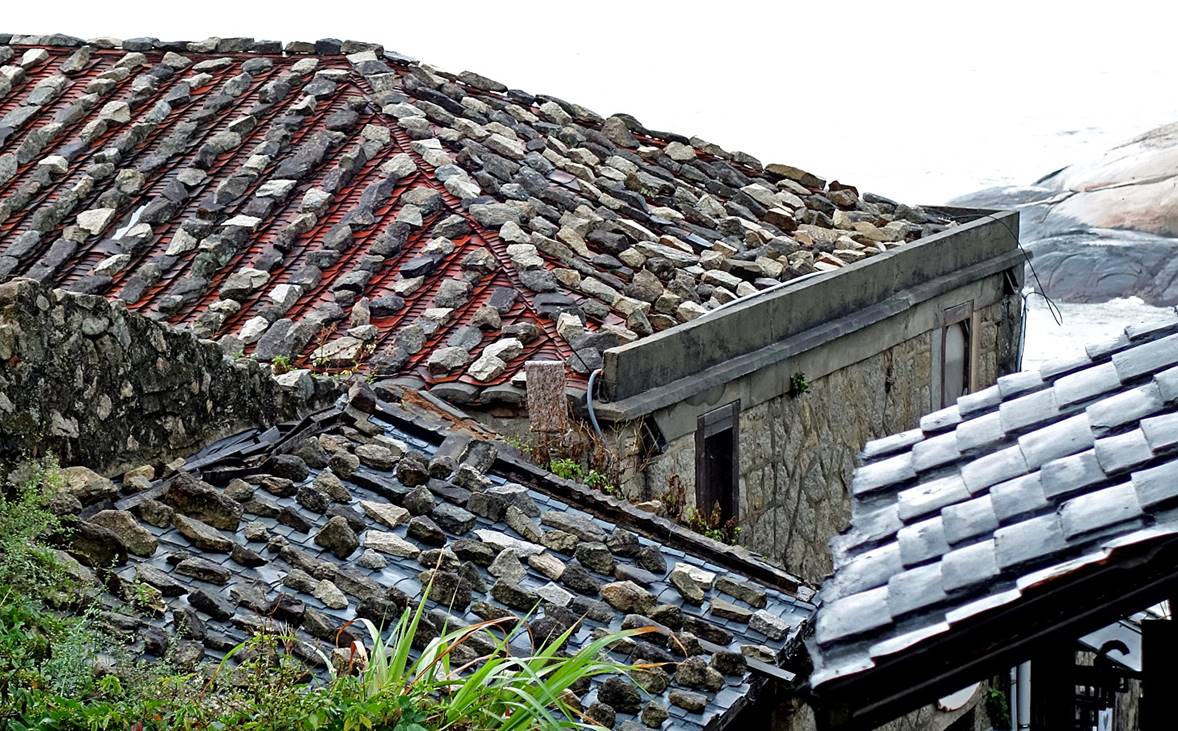
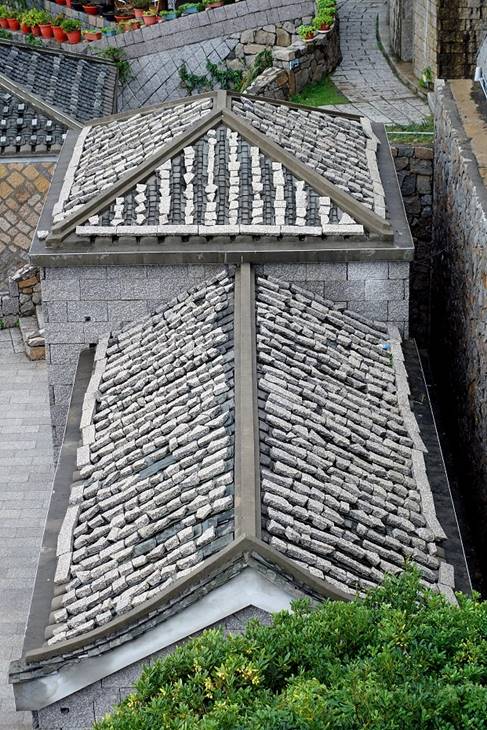
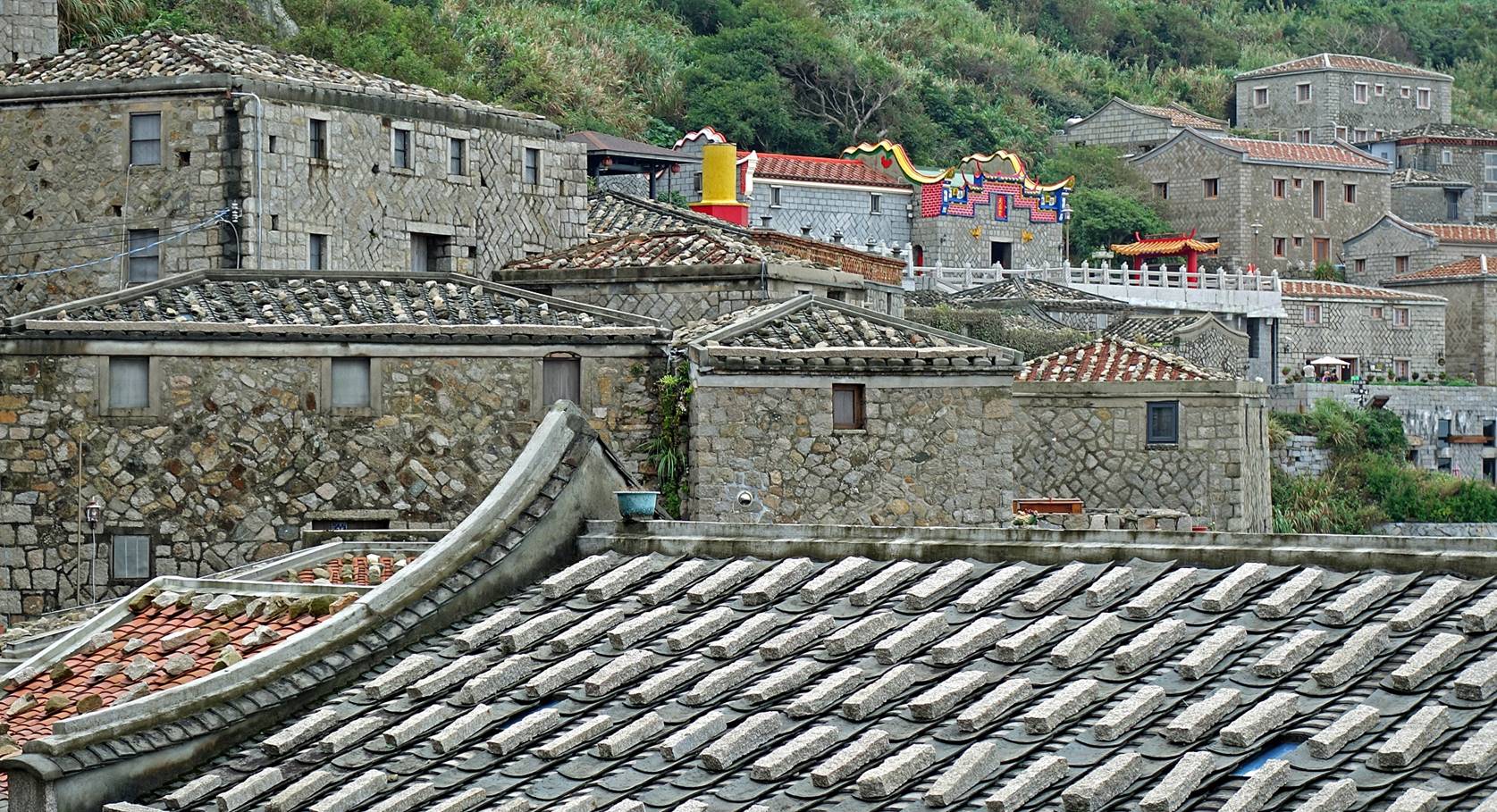
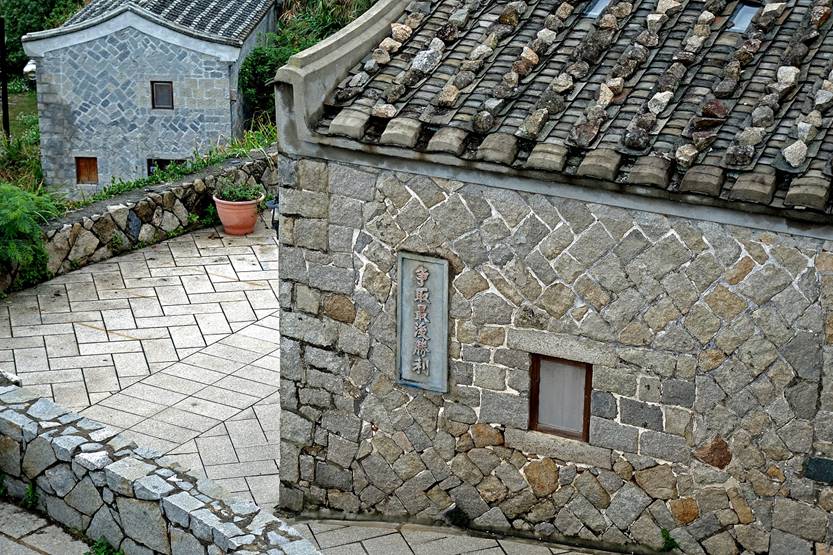
It is the best preserved/restored village in the Matsu archpelago. Its granite
houses, in the North Fujian style, were built along the coastline, on the lower
slope of the western flank of Bi Shan. They date from the late Qing dynasty
and, for some, from the first half of the 20th century. Such a village is
unique in all of Taiwan. Many houses have been turned into homestays. Only a
few families still live permanently in the village.
Views of the village.
|
|
|
|
|
|
|
|
|
|
|
|
|
|
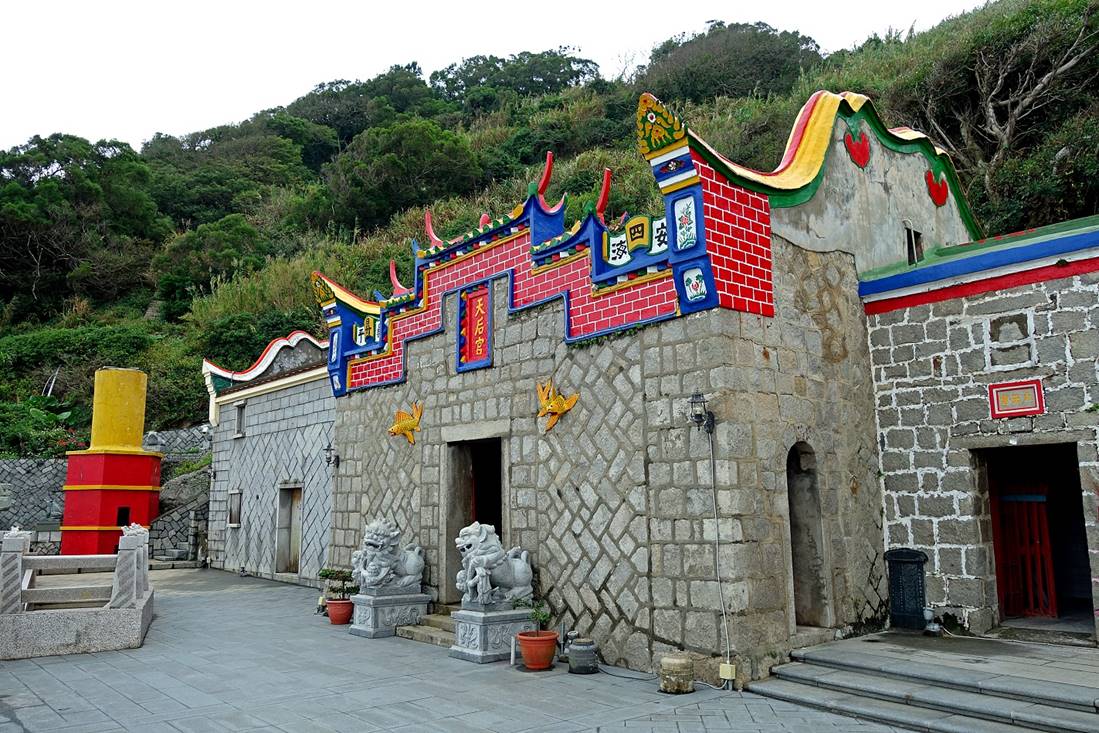
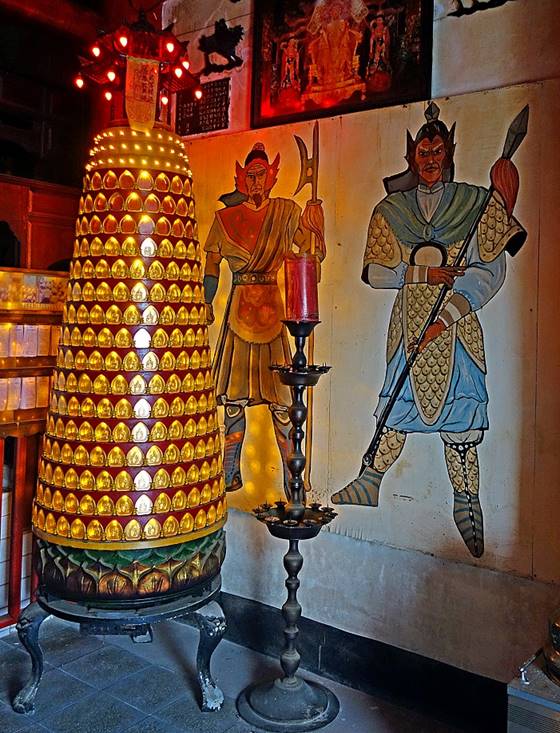
Wulinggong temple,
located on a high terrace above the Qinbi village. Although named after the
Five Lords of Plague Eradication (五靈公, ″wulinggong″),
it is mainly dedicated to Guanyin (觀音), the Bodhisattva of
Infinite Compassion.
|
|
|
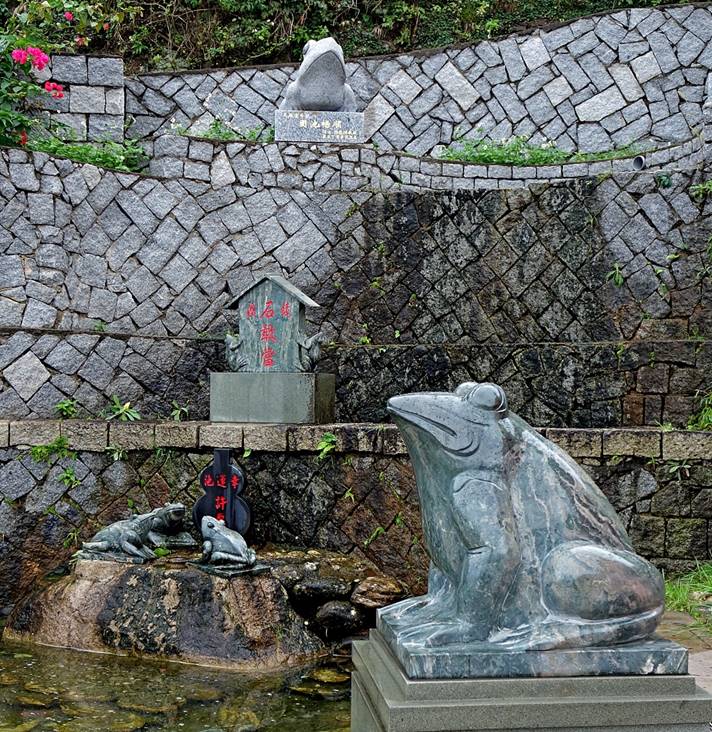
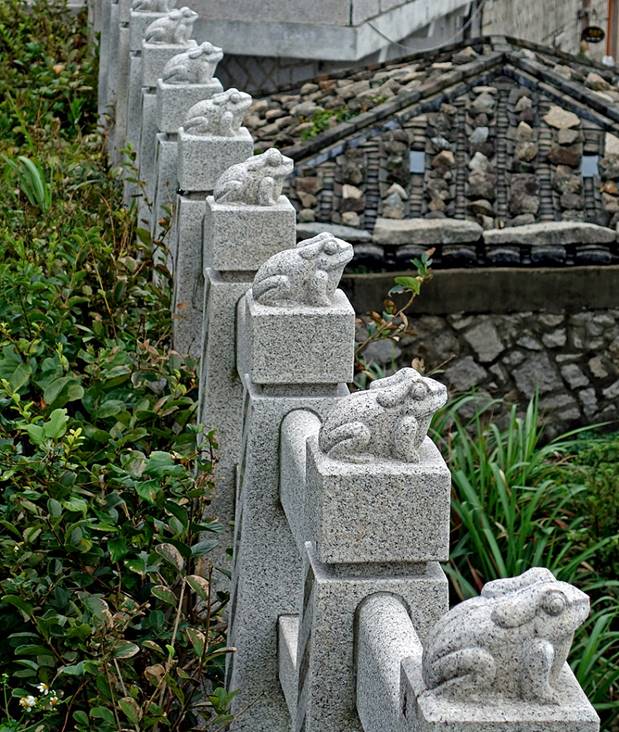
The temple is
surrounded by many stone statues of frogs symbolizing wealth.
|
|
|
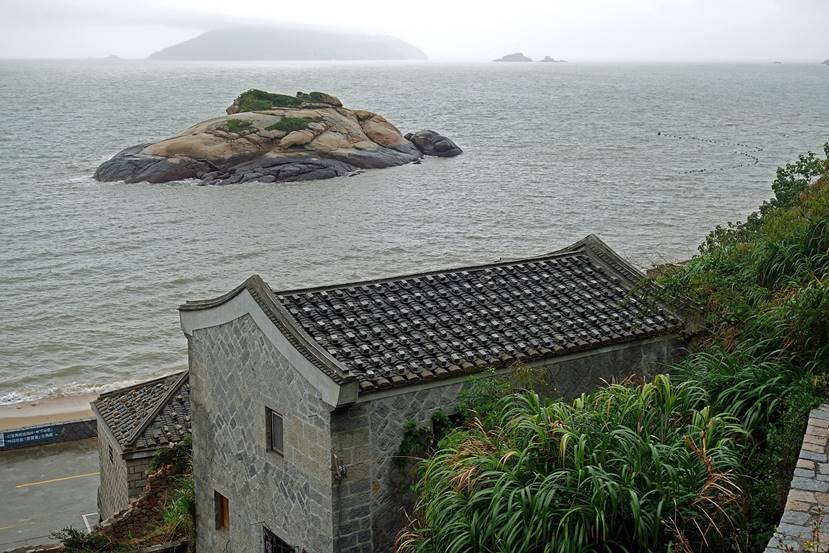
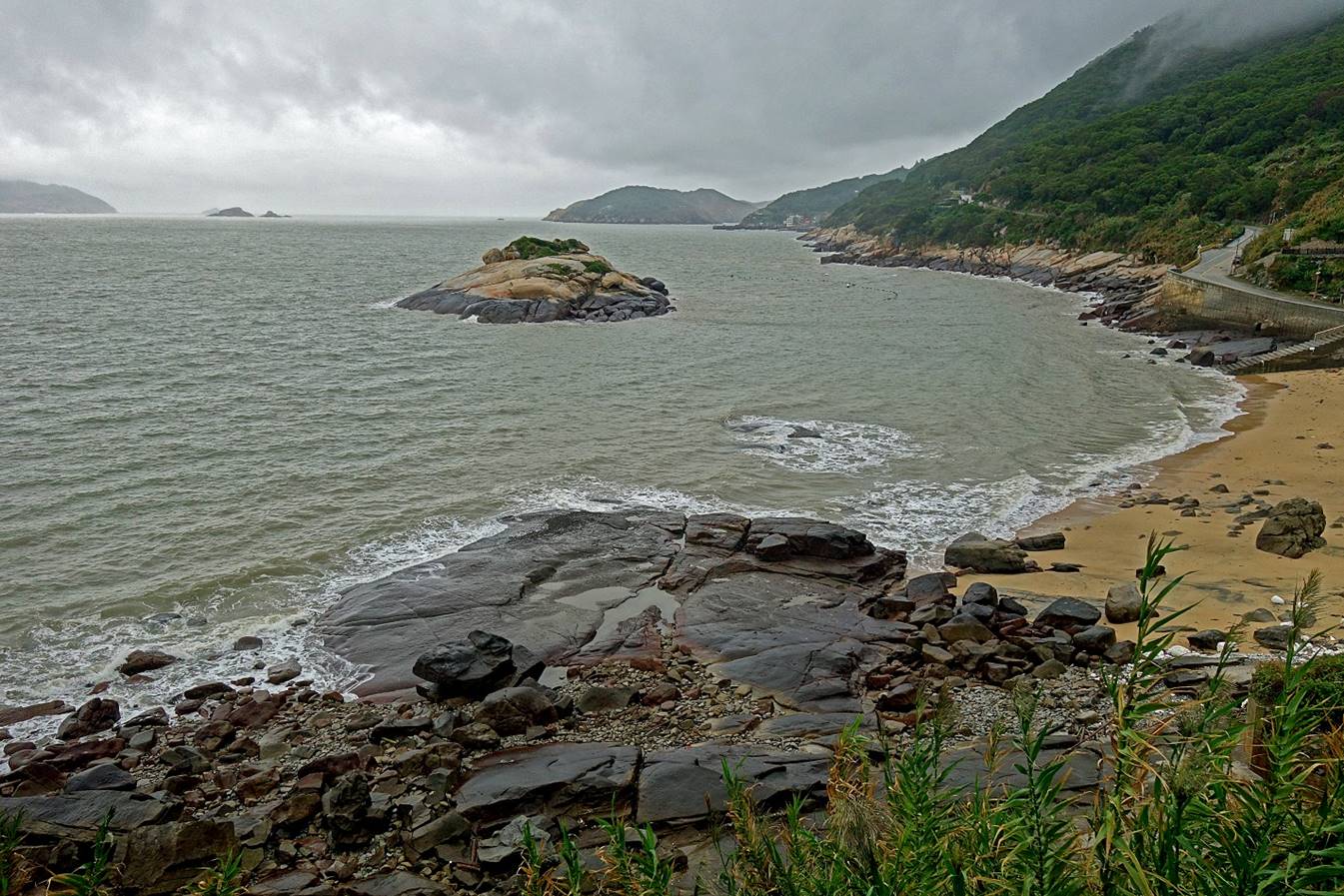
View of the coast below
the village, with the Turtle Island (so named because to its shape) in the
center of the photo.
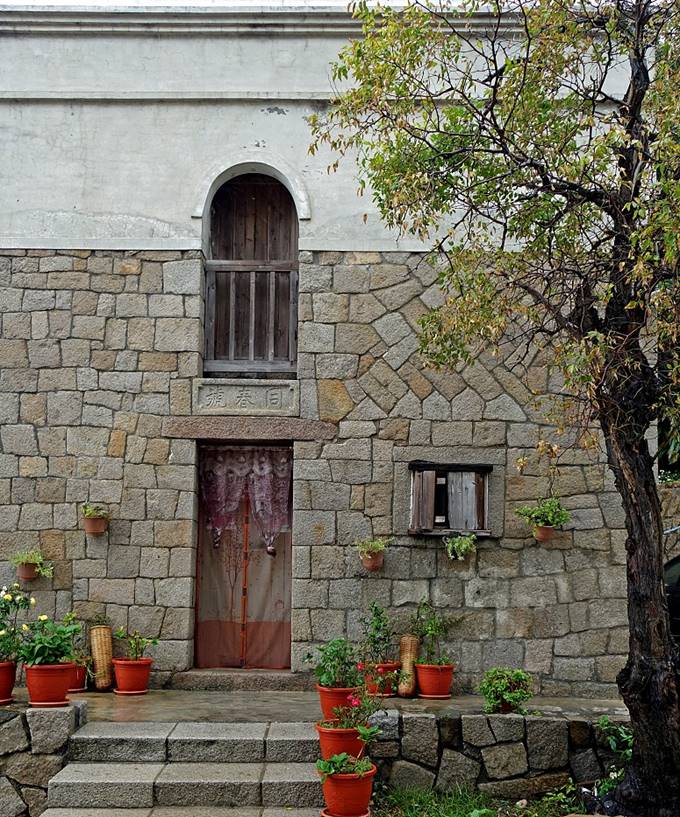
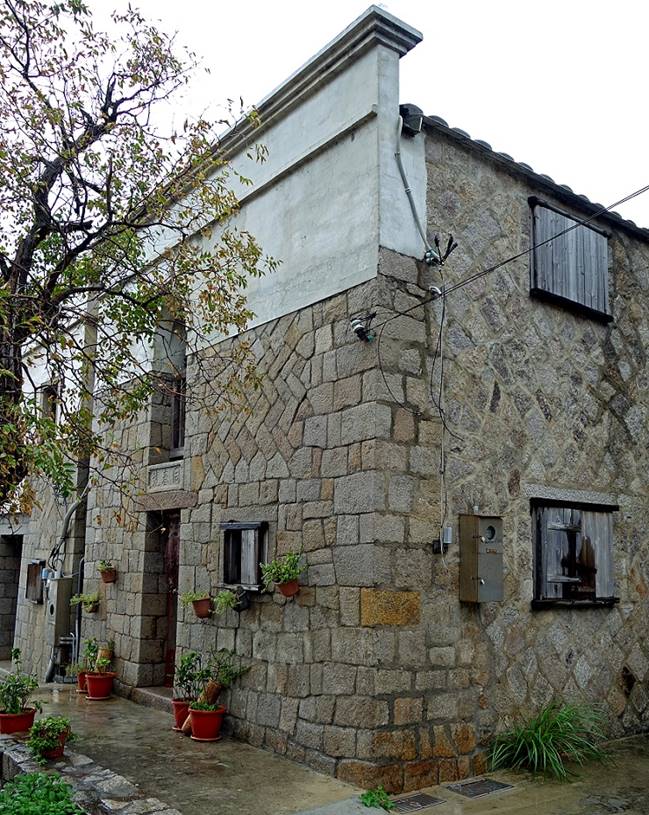
Qiaozi village (橋仔聚落) and harbor:
Granite house in the village.
|
|
|
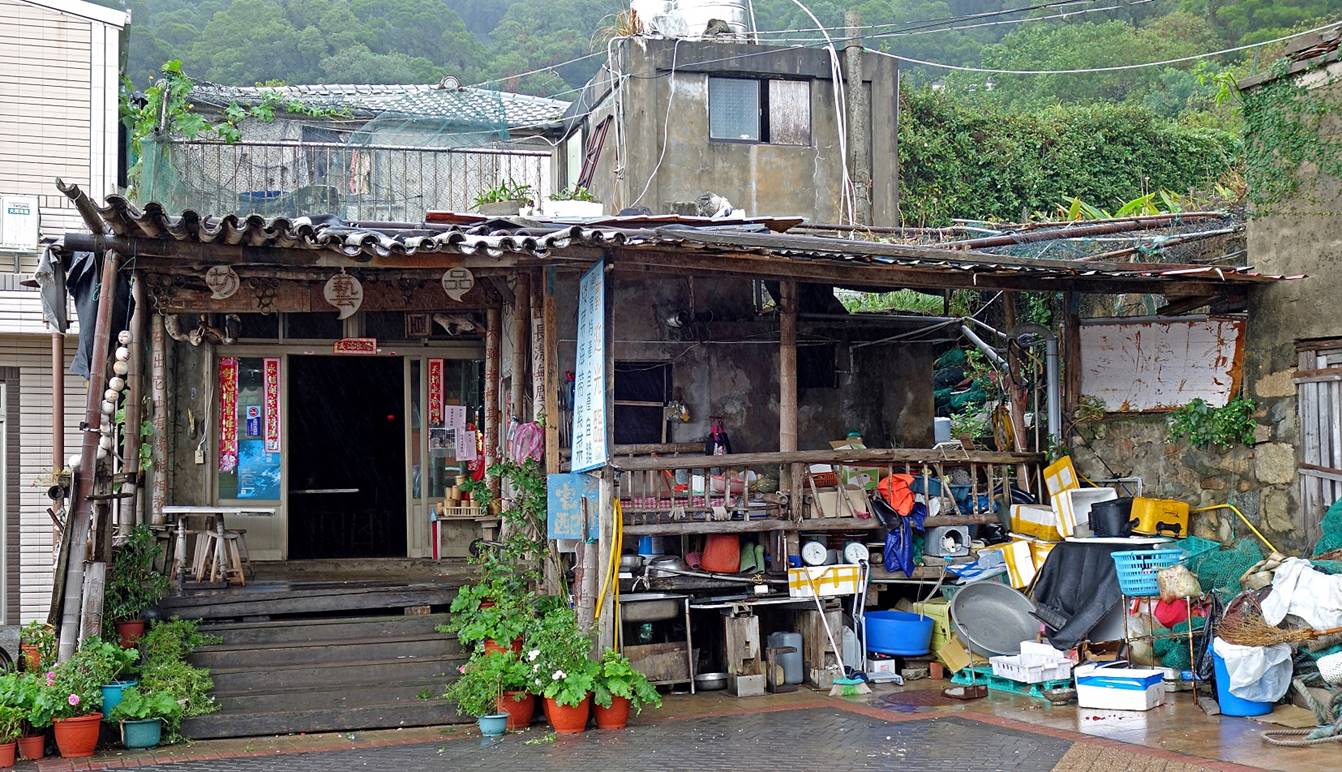
A really messy store.
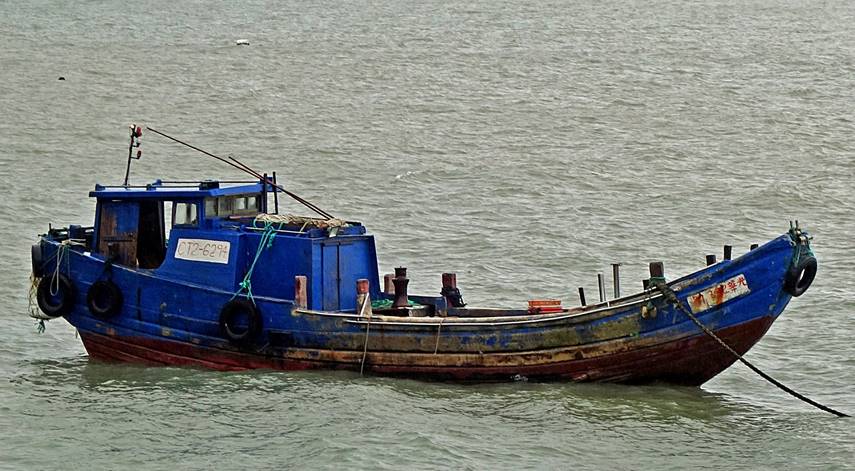
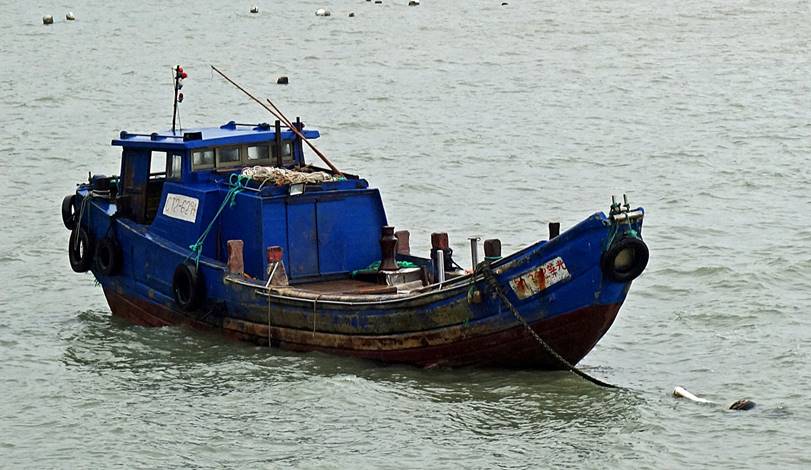
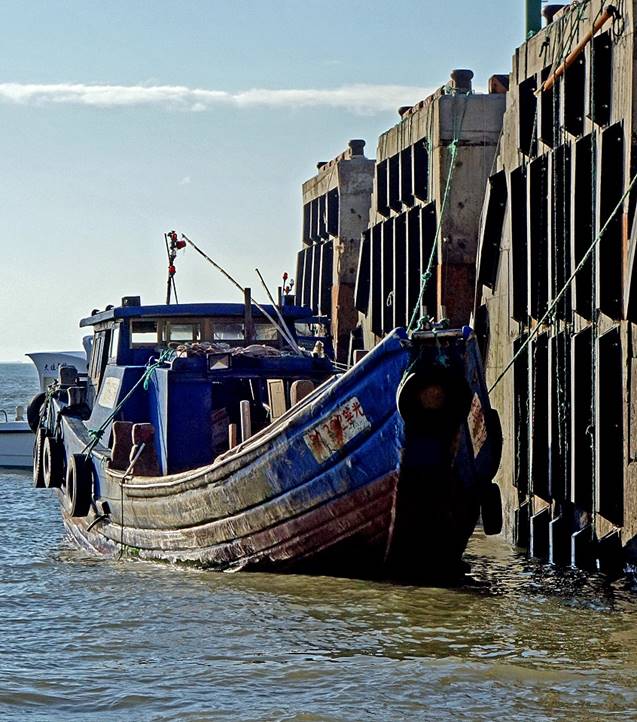
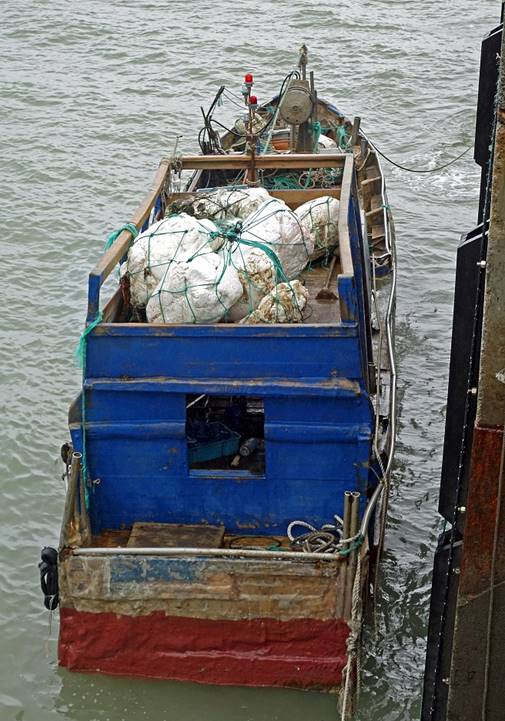
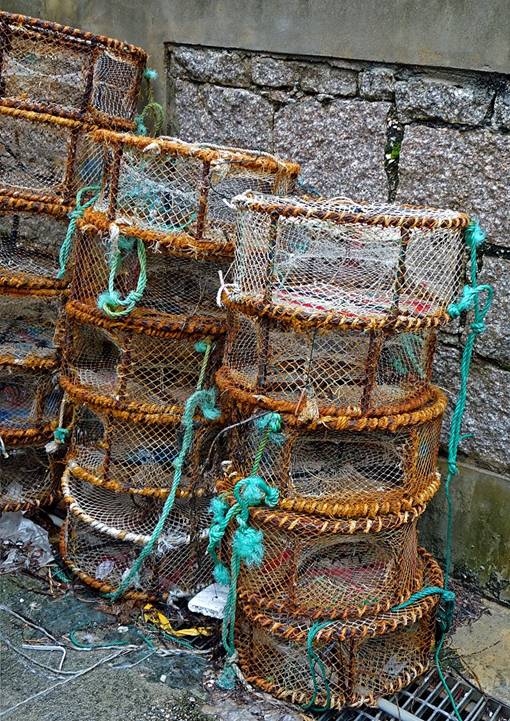
Fishing boats in the
port and baskets to catch octopuses. It remains only a handful of such boats on
Beigan. Fishing used to be a major part of the economy on the Matsu islands.
Now most sea products are imported from China.
|
|
|
|
|
|
|
Daqiu island:
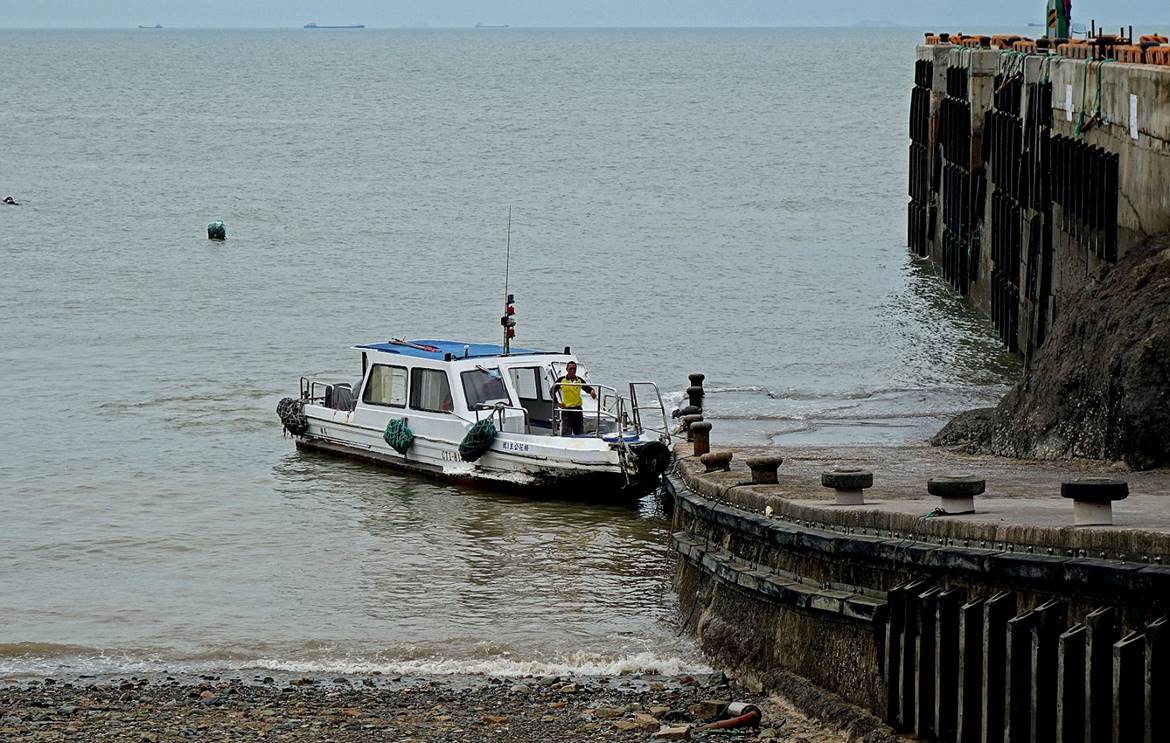
The port of Quiaozi is
the departure point for boats heading to the small Daqiu island, located just a
few hundred meters away. Daqiu offers a nice loop trail along its coast and is
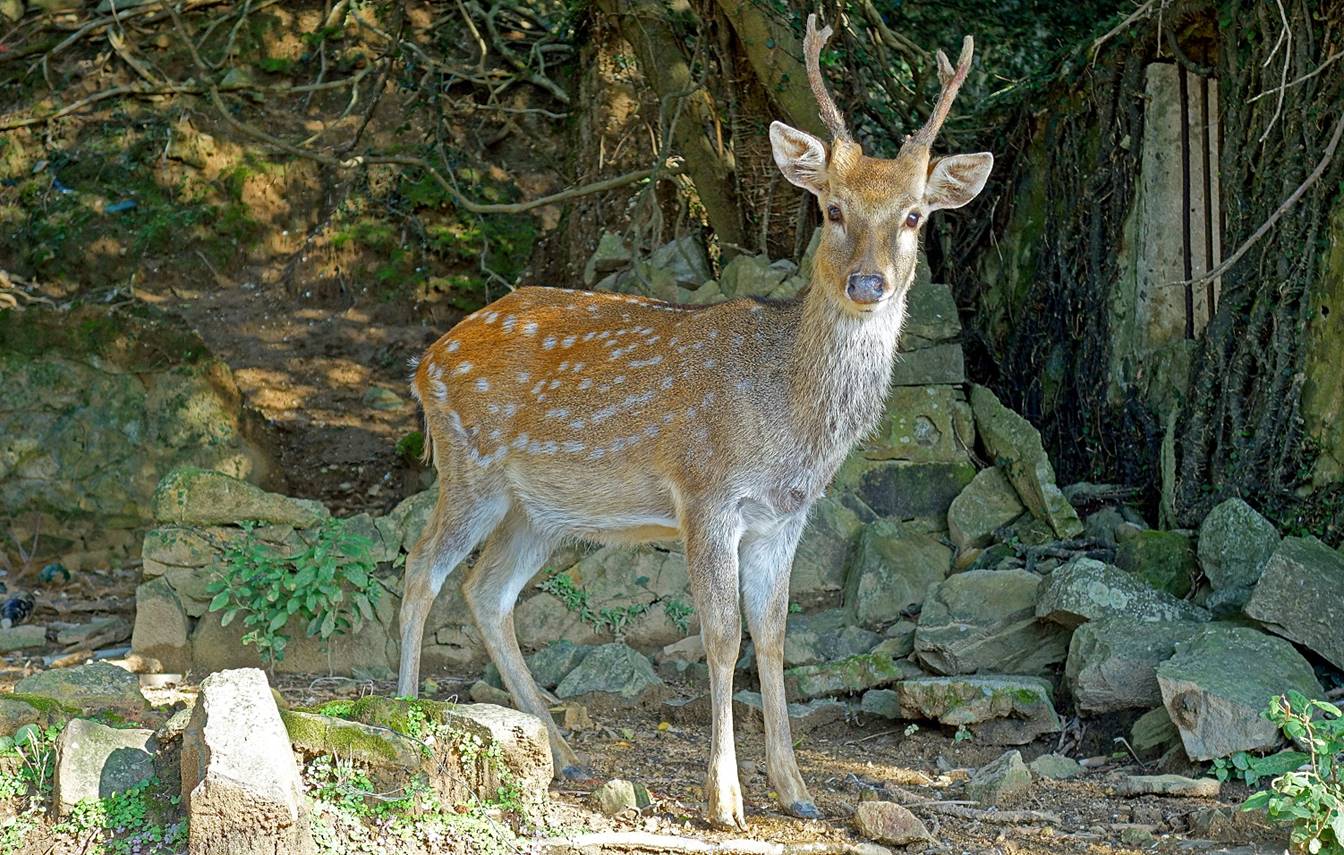
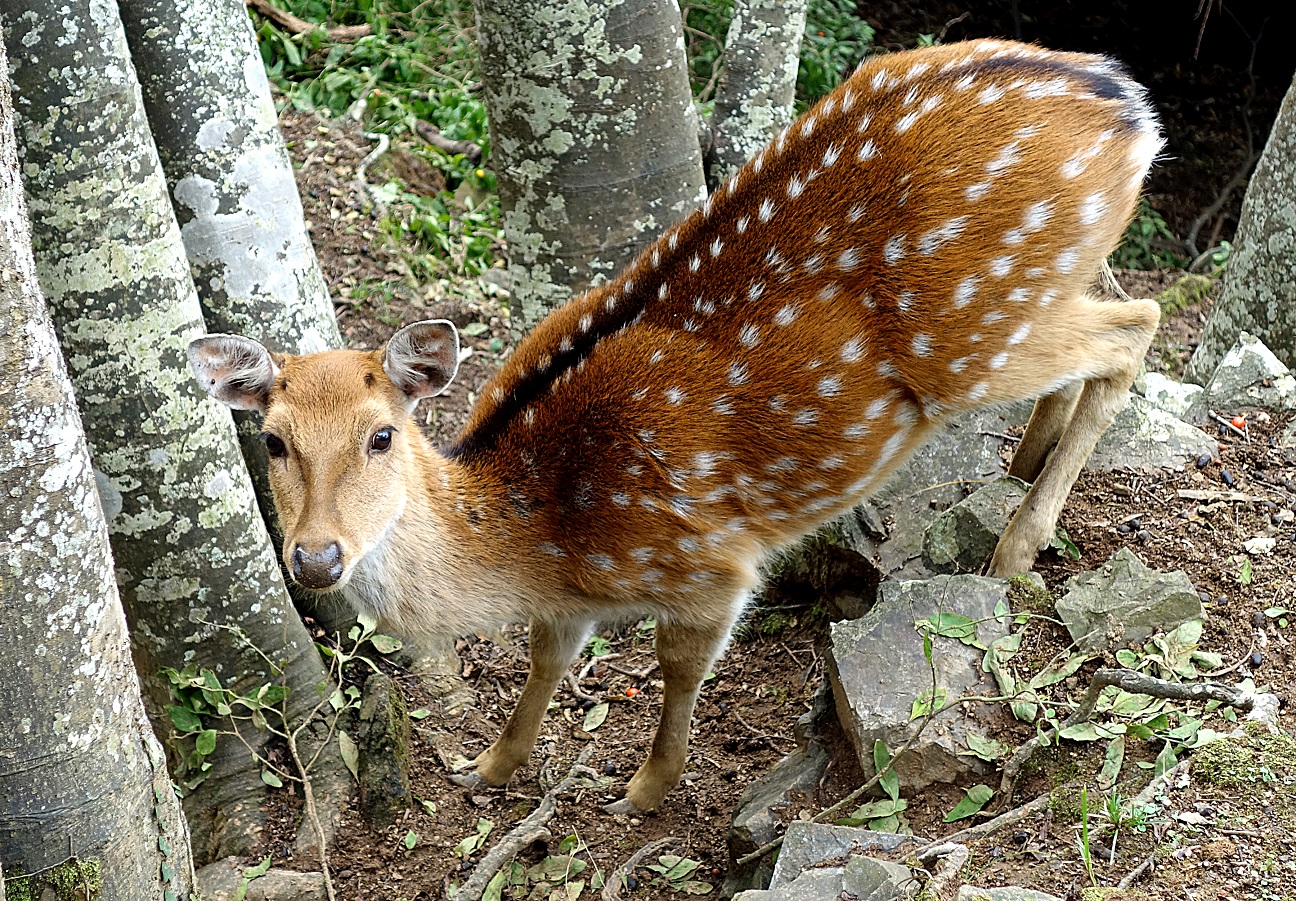
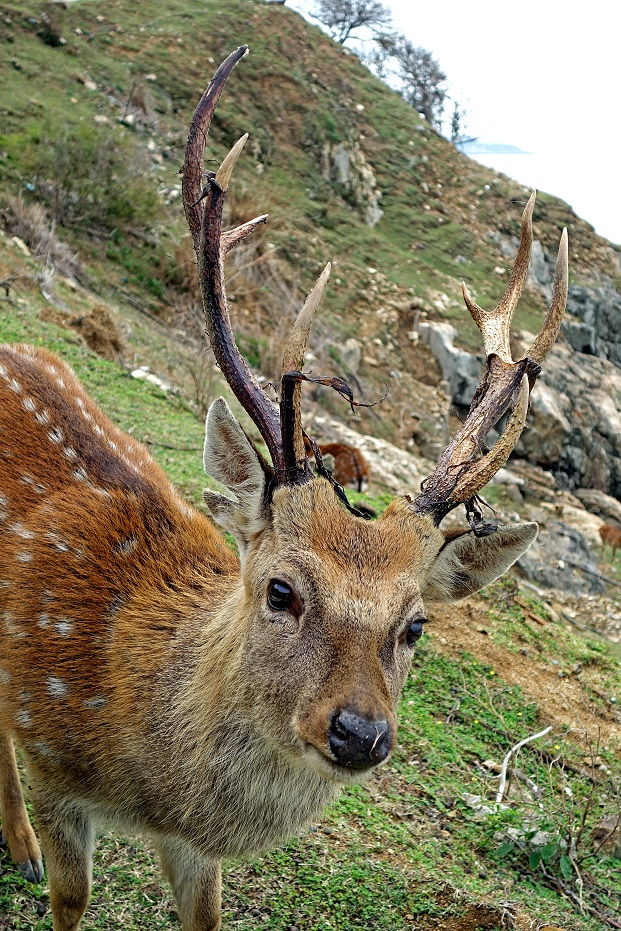
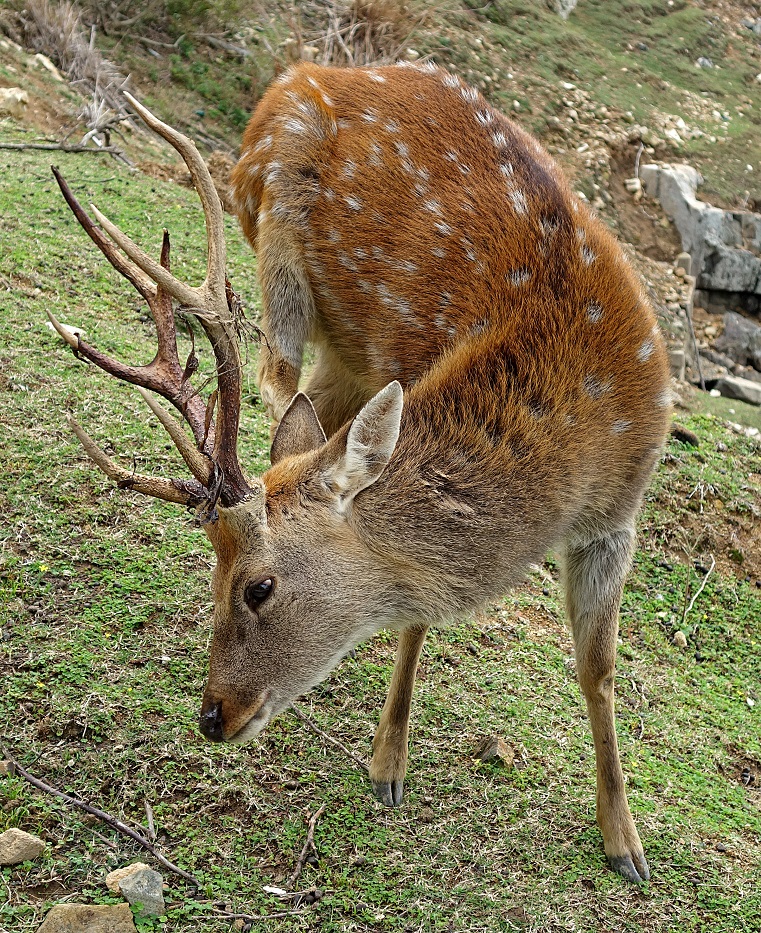
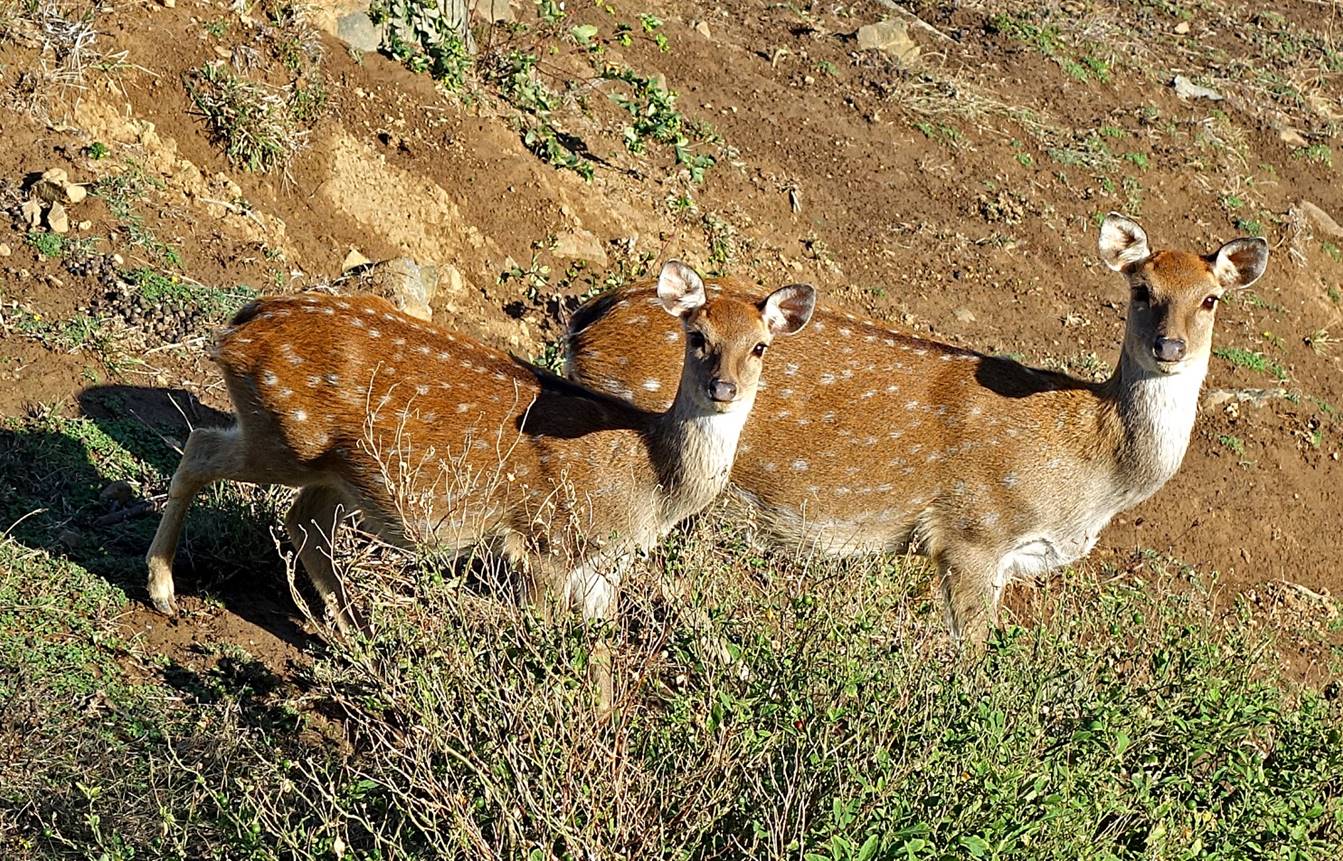
home to a colony of spotted deers. (It is said that only one person still lives
there.)
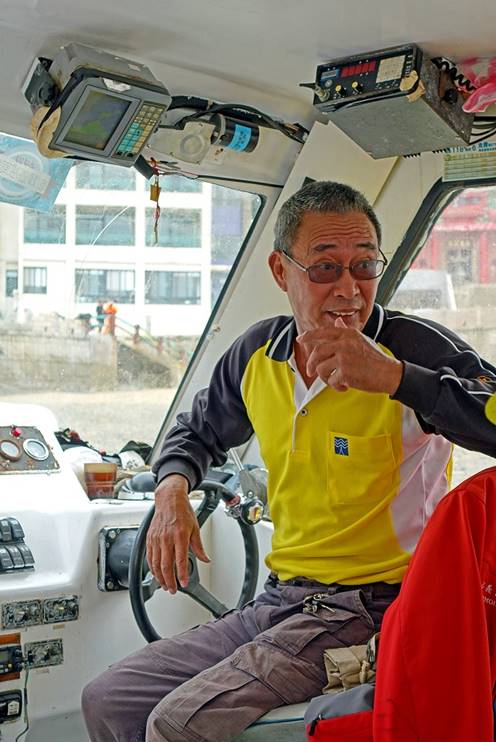
Boat doing the crossing
and its driver.
|
|
|
Spotted deers on the
island.
|
|
|
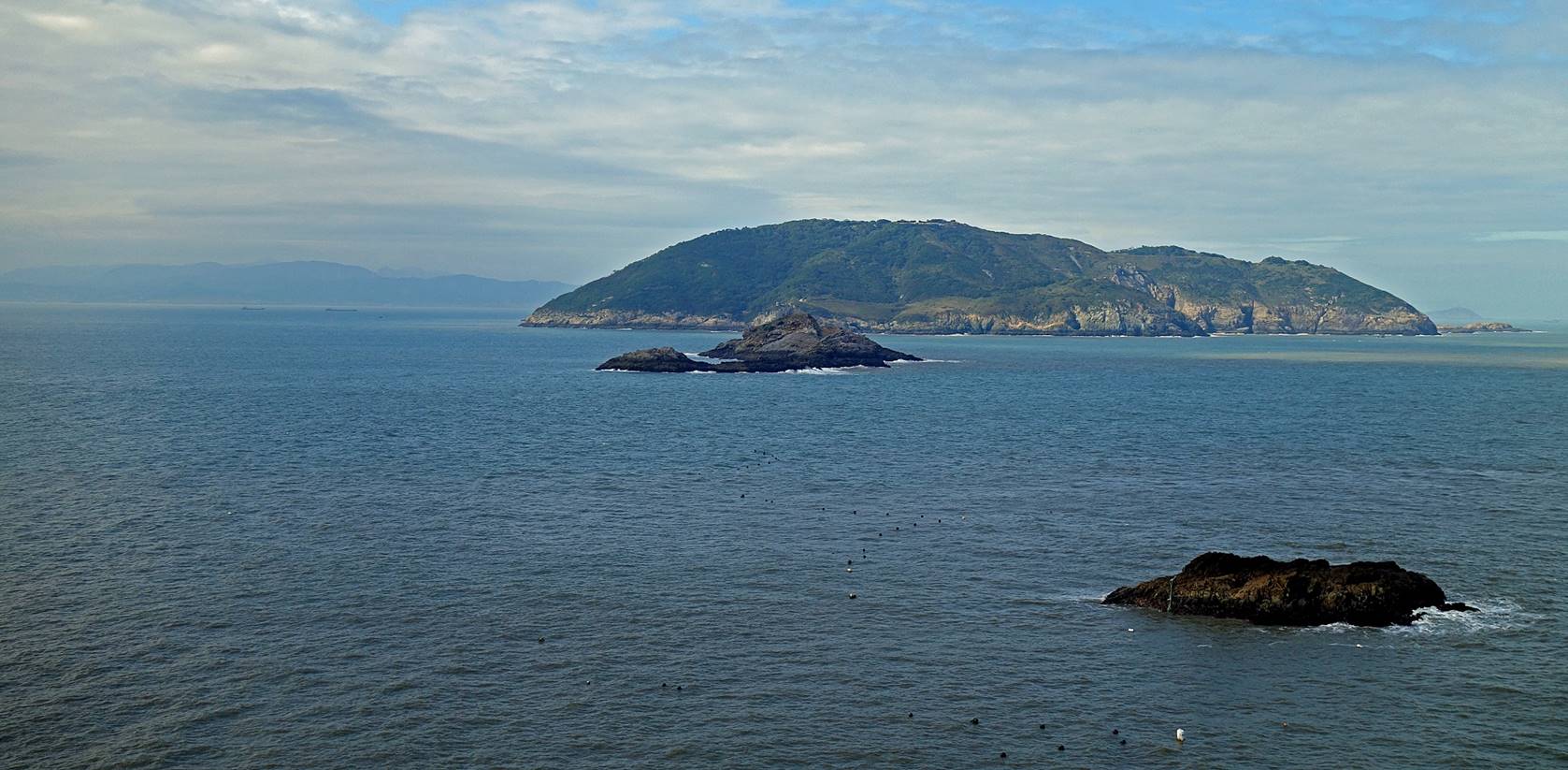
View of Gaodeng island from the trail. It is the island in the Matsu
archipelago closest to the Chinese coast (8.5km), visible in the background on
the left side of the photo. It is occupied by Taiwanese military personel and
is not open to visitors.
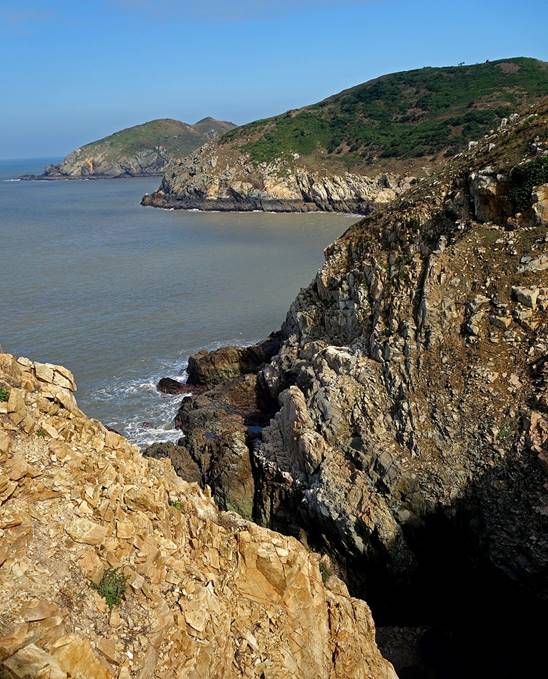
Rocky coastline in
northern Daqiu. The smaller Xiaoqiu island is visible in the middle of the
photo on the right. (Da and Xiao mean large and small, respectively, while in
this context qiu means something like hill or island.)
|
|
|
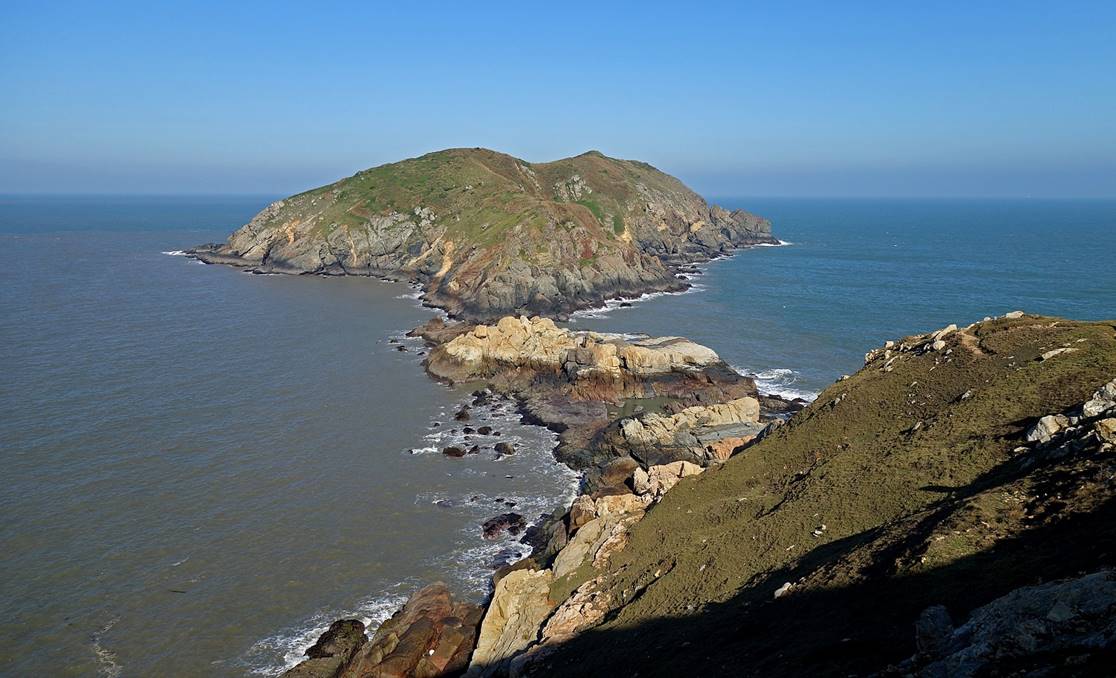
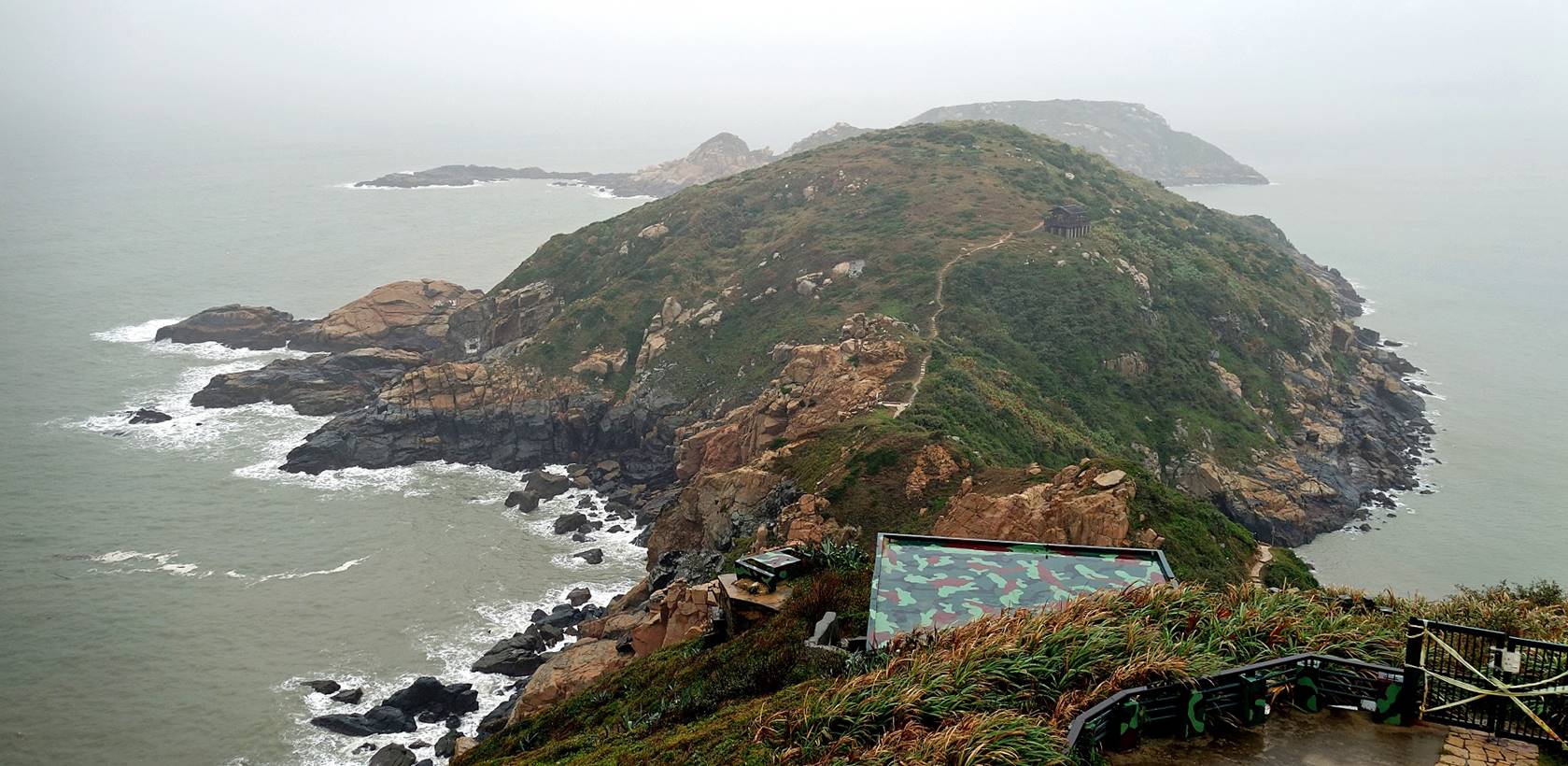
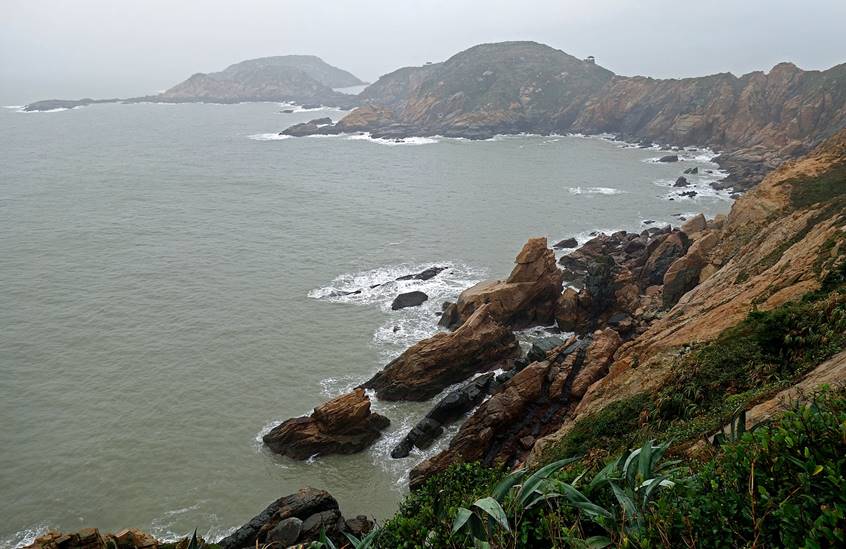
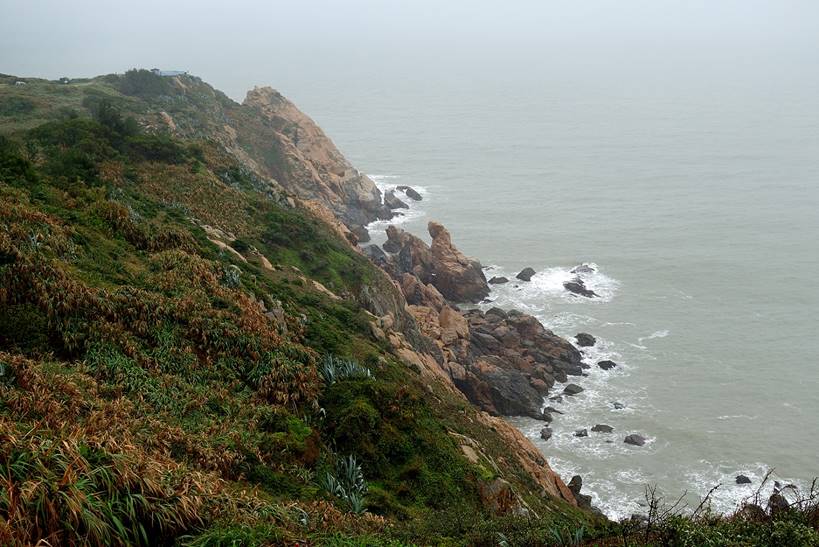
Luoshan peninsula:
Views from the terrace around the War and Peace memorial exhibition hall
located on the peninsula.
|
|
|
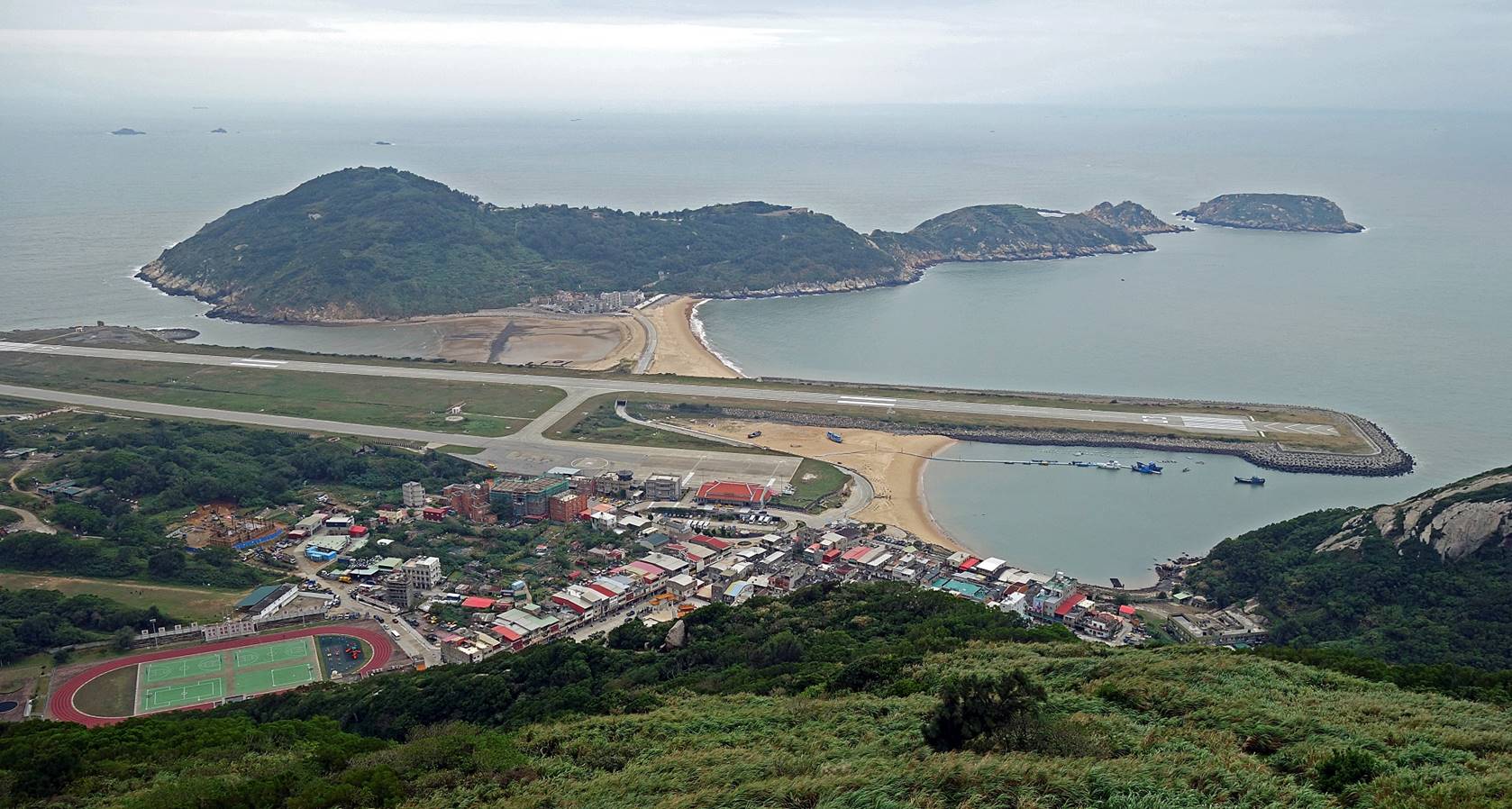
Tangqi village (塘岐村):
View of the village and Beigan airport from the Bi Shan (298m) lookout.
The Luoshan peninsula (see previous 3 photos) lies behind the runway on the
right of the photo.
Lord Xiao temple (蕭王府), also known as Beigan Tangqi Xiao Wang Temple (北竿塘岐境玉封蕭王府廟). It is named after Lord Xiao, the deified version of Xiao Wangzhi (蕭望之), a highly respected statesman of the Han
dynasty, who is the patron protector of
the Tangpi village. However, Guanyin seems to be its principal deity.
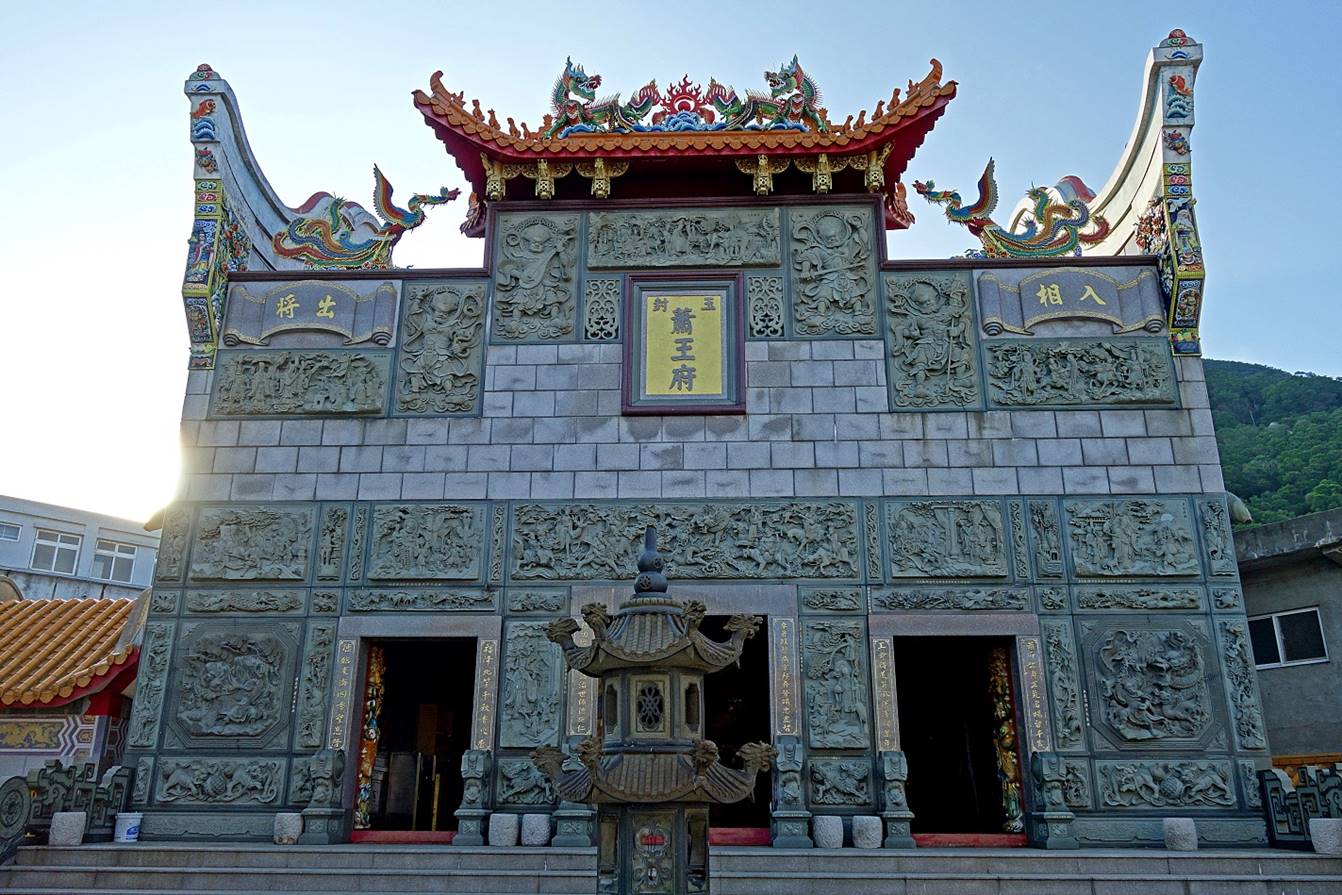
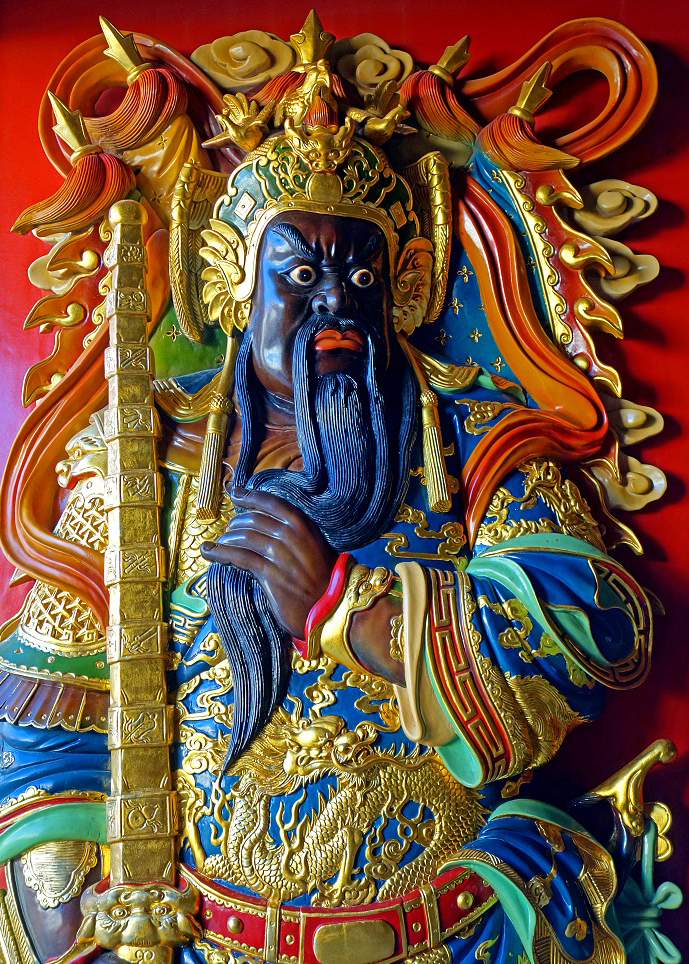
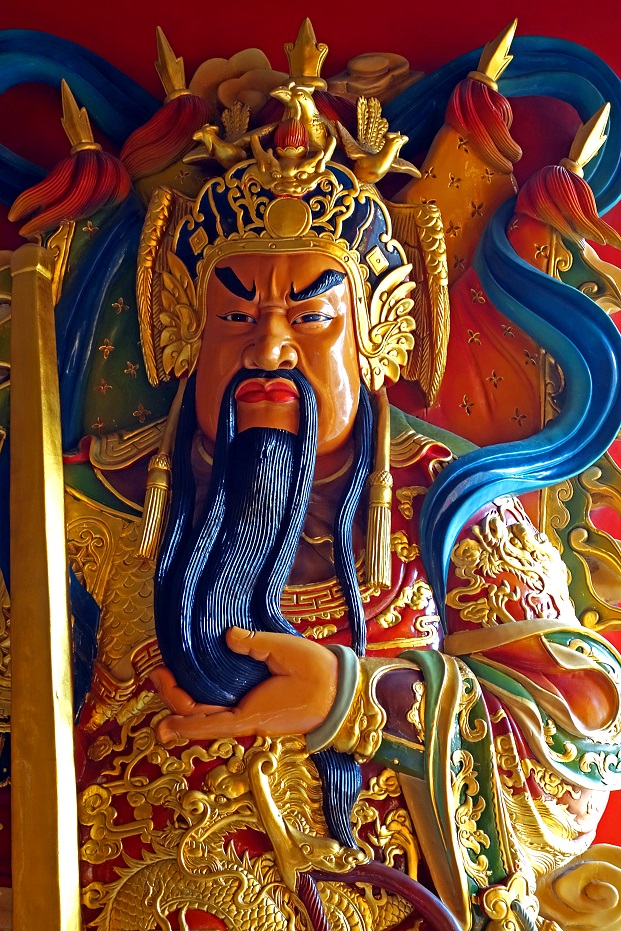
Wood carvings of
martial deities known as Menshen (門神, meaning ″Door Gods″),
adorning temple doors. They generally depict deified generals and serve as
spiritual guardians to ward off malevolent spirits.
|
|
|
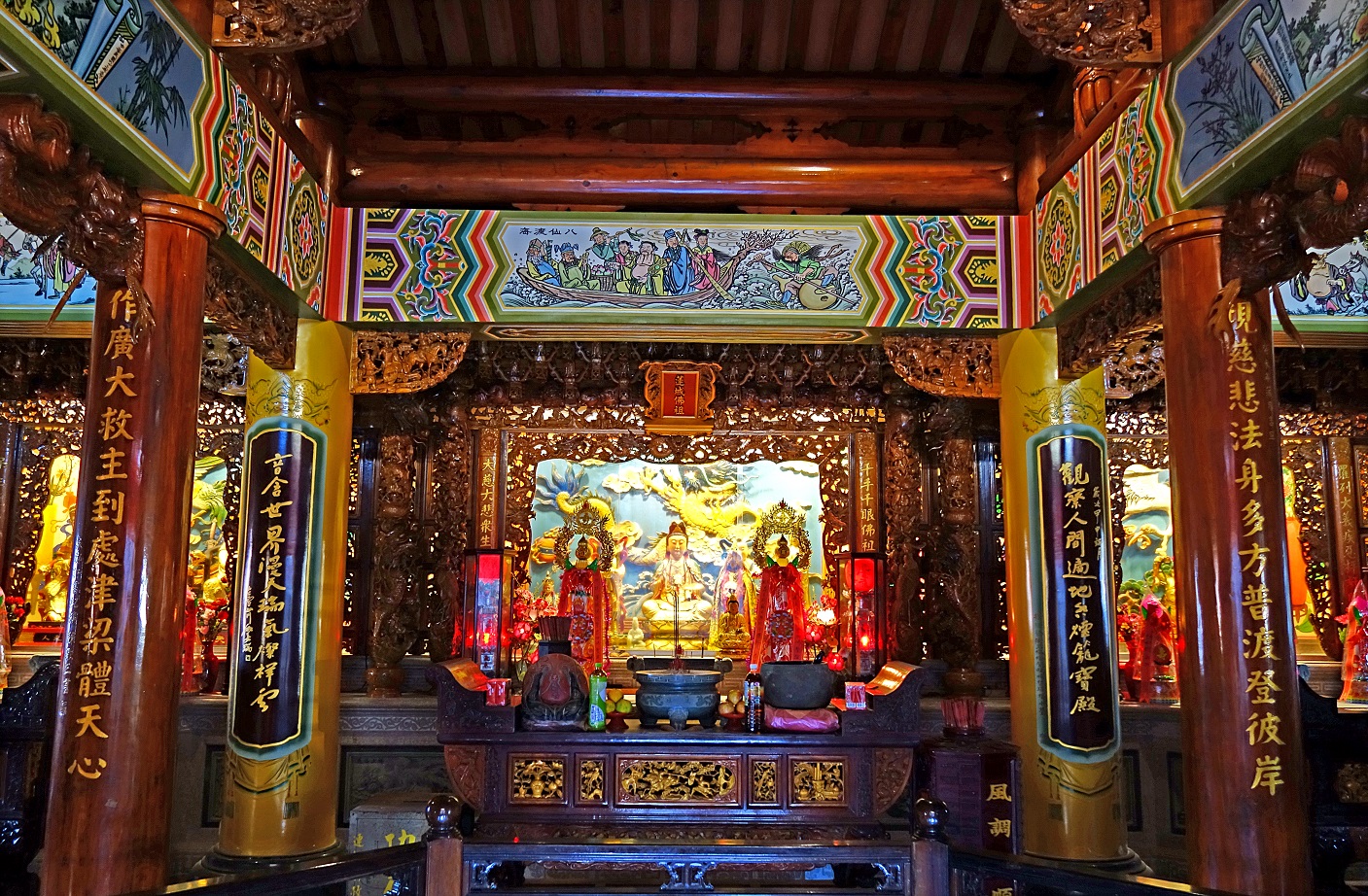
Main worship hall in
the temple.
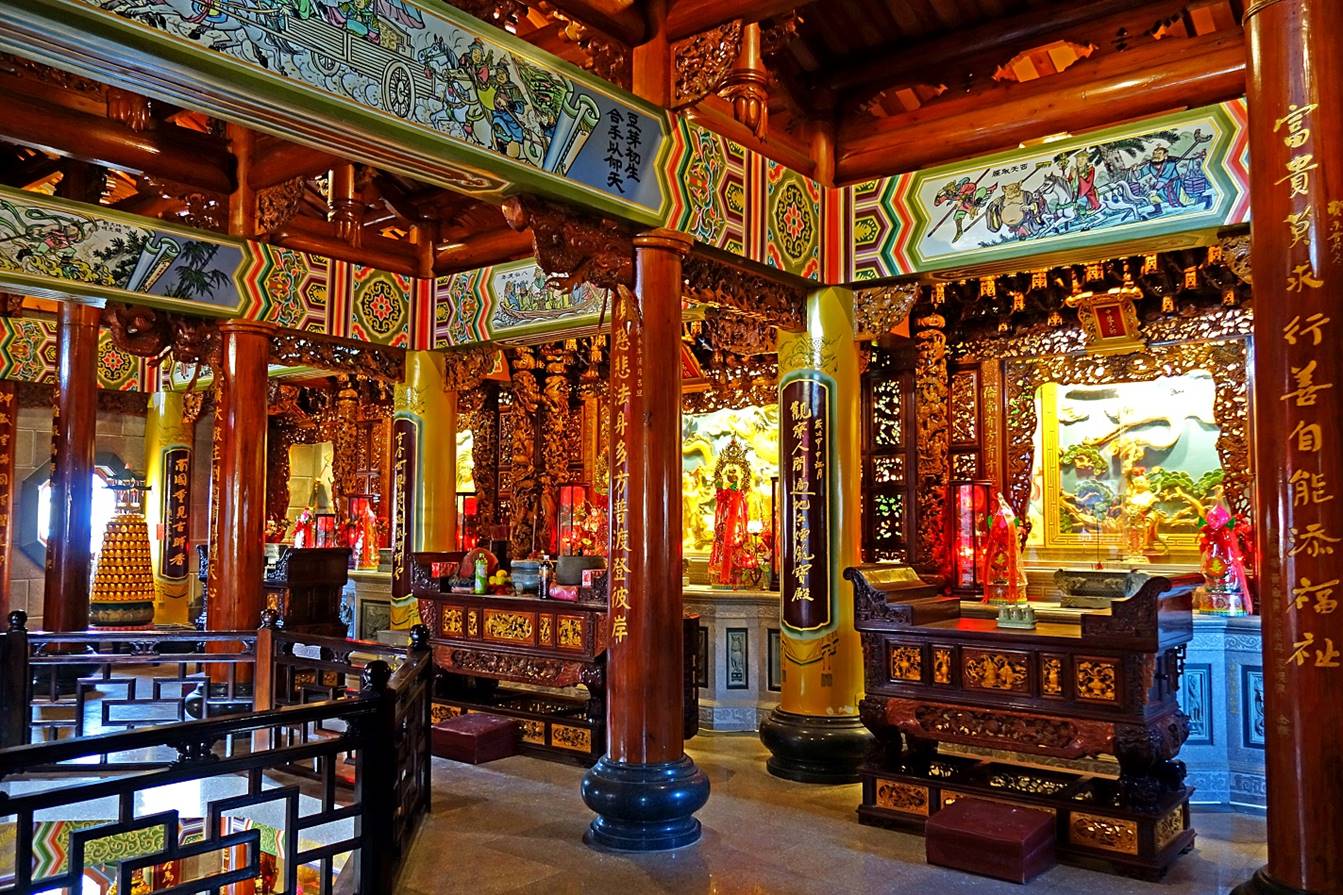
Altar dedicated to
Guanyin (觀音), the Bodhisattva of infinite
compassion and mercy, in the middle of the worship hall.
Paintings ornating the
temple.
|
|
|
|
|
|
|
|
|
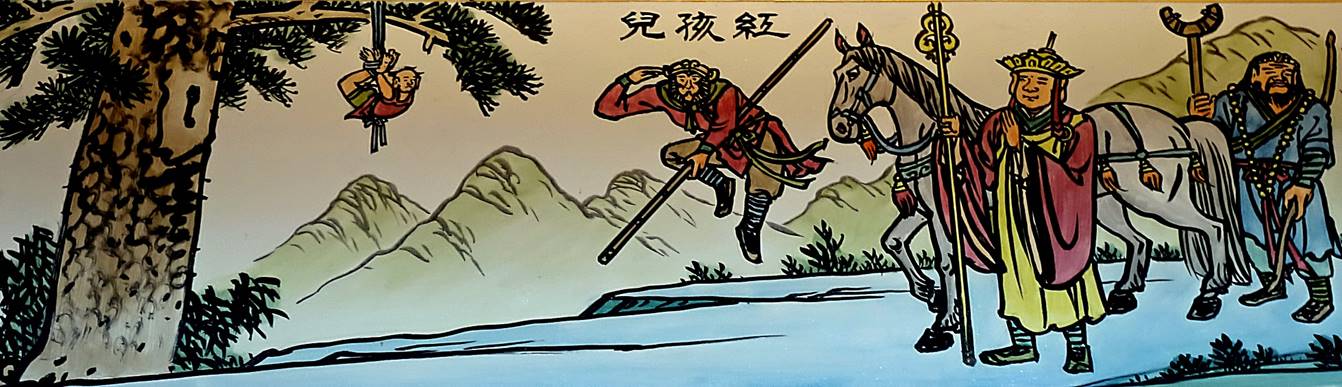
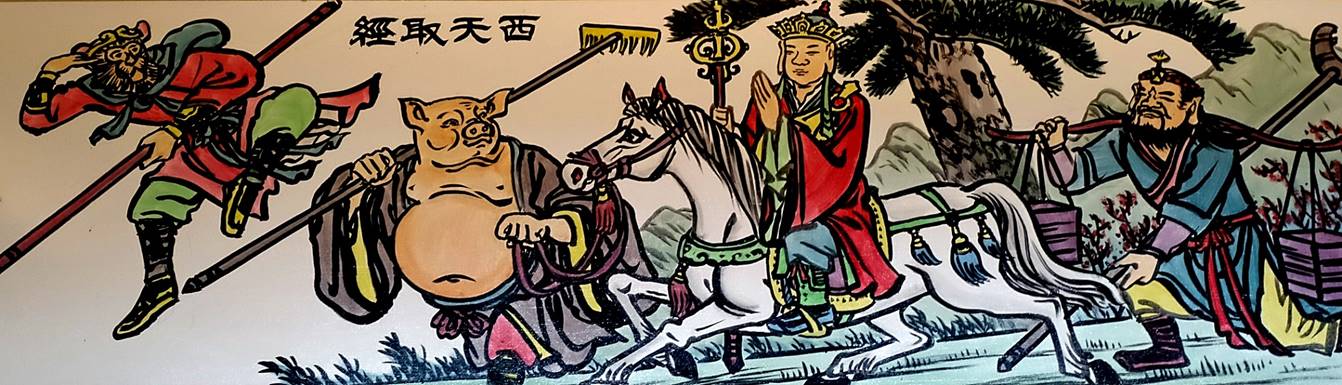

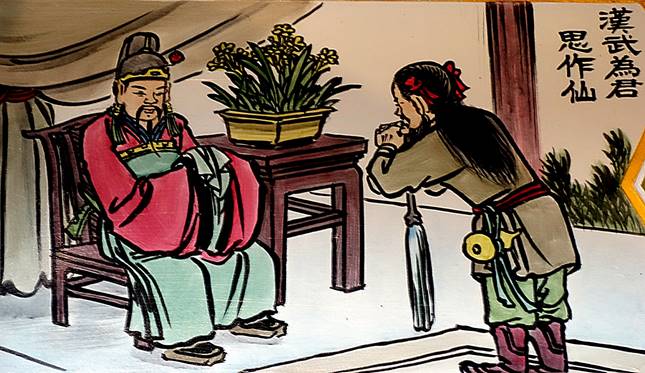
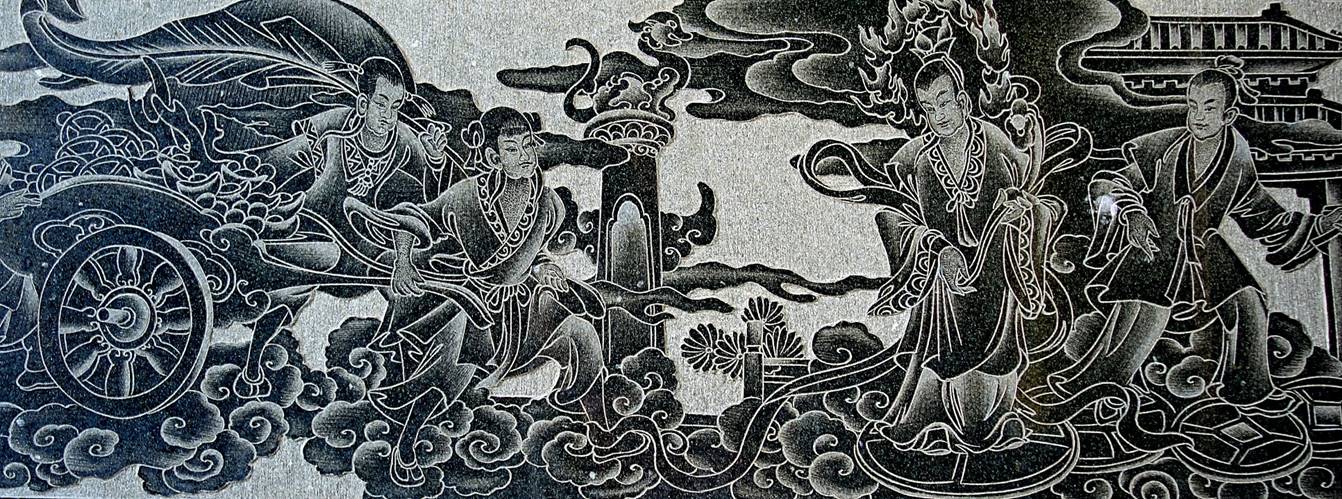
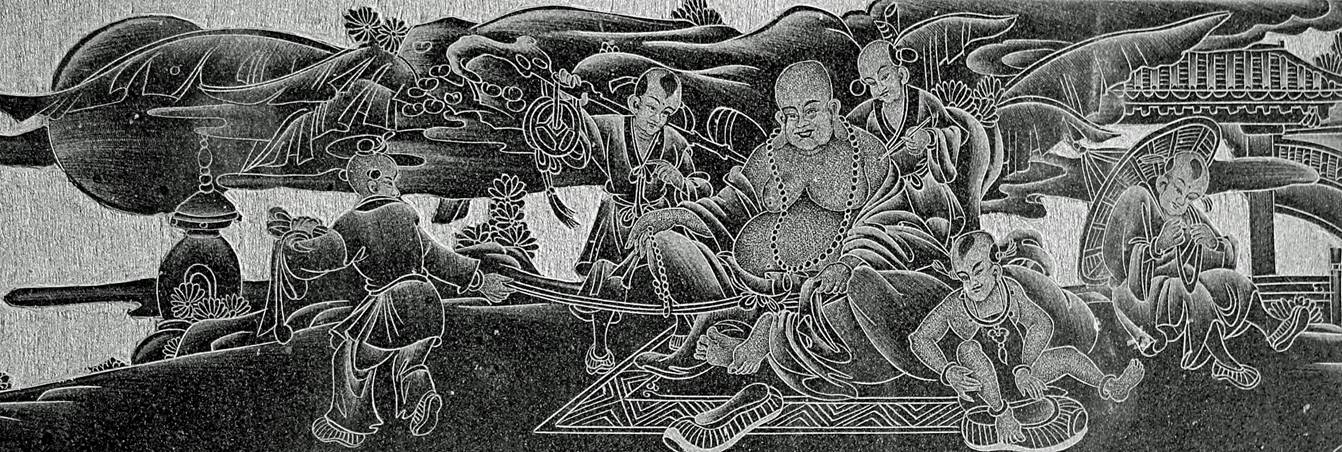
Scenes engraved in
stone in the temple.
|
|
|
|
|
|
Return
to main Matsu Islands page | Return
to main Taiwan page