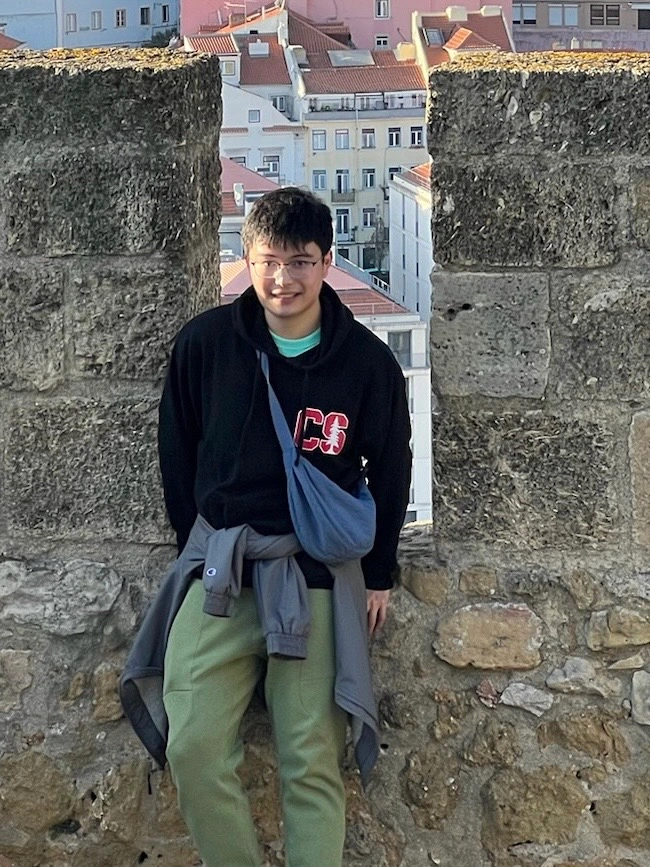
Biography
[more]
Tiange Xiang
(向天戈)
is a Ph.D. student in computer science at Stanford University and a visiting student at MIT, where he works with Kaiming He. He is affiliated with the Stanford AI Lab and the Stanford Vision and Learning Lab, and is advised by Fei-Fei Li, with Scott Delp and Ehsan Adeli as co-advisors.
Before Stanford, he worked with Weidong Cai at the University of Sydney, where he received the University Medal.
His research focuses on visual intelligence.
He is a recipient of the Stanford HAI fellowship, the Meshy fellowship, a Qualcomm Innovation Fellowship finalist, a Sptail Intelligence Rising Star Finalist @ E2E3D and a recipient of the Tencent Project Up Scholarship.
Open Source Projects

A user-friendly codebase for accelerating 3D generation research. Features open data platform with standardized protocols, efficient data loaders, interactive 3DGS viewer, and plug-and-play components built on the GaussianVerse dataset.
Publications
[* indicates equal first authorship, † indicates equal last authorship.]
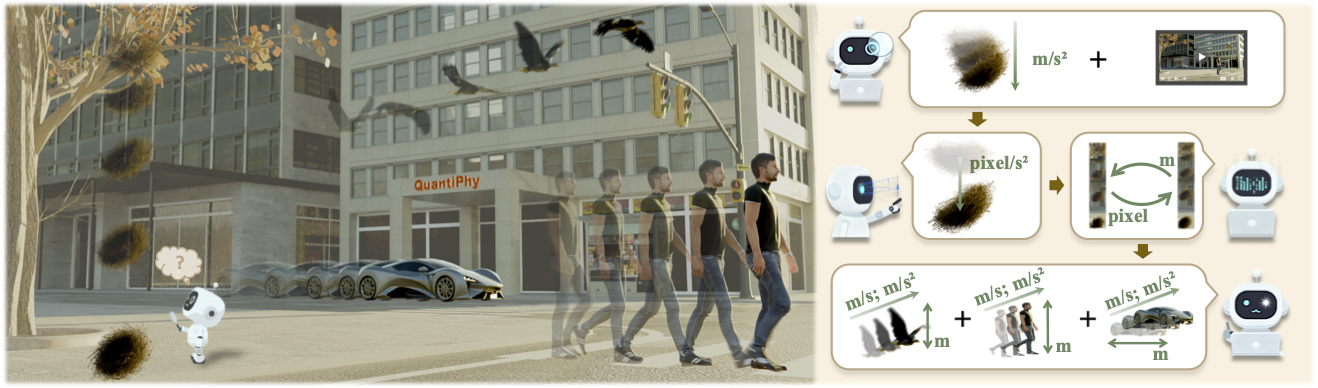
QuantiPhy: A Quantitative Benchmark Evaluating Physical Reasoning Abilities of Vision-Language Models
The first benchmark that tests vision-language models' physical reasoning abilities.
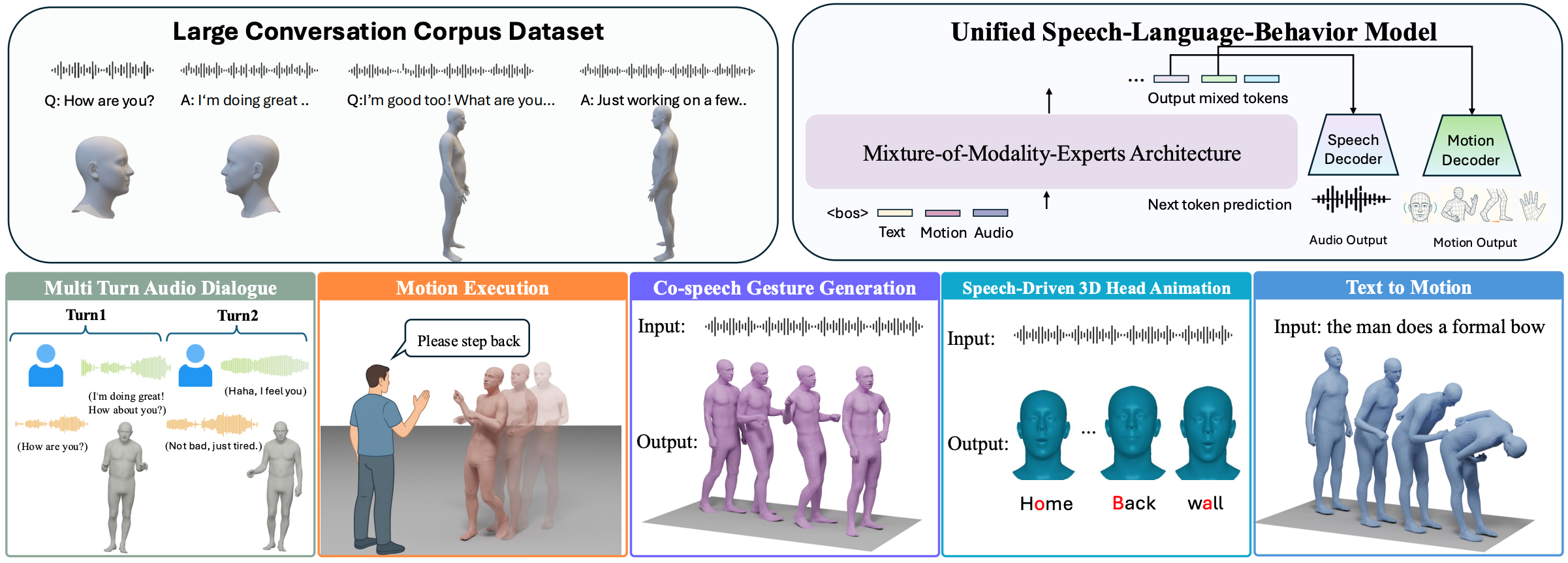
ViBES: A Conversational Agent with Behaviorally-Intelligent 3D Virtual Body
A speech-language-behavior model that jointly plans language and movement for dialogue-conditioned body actions.

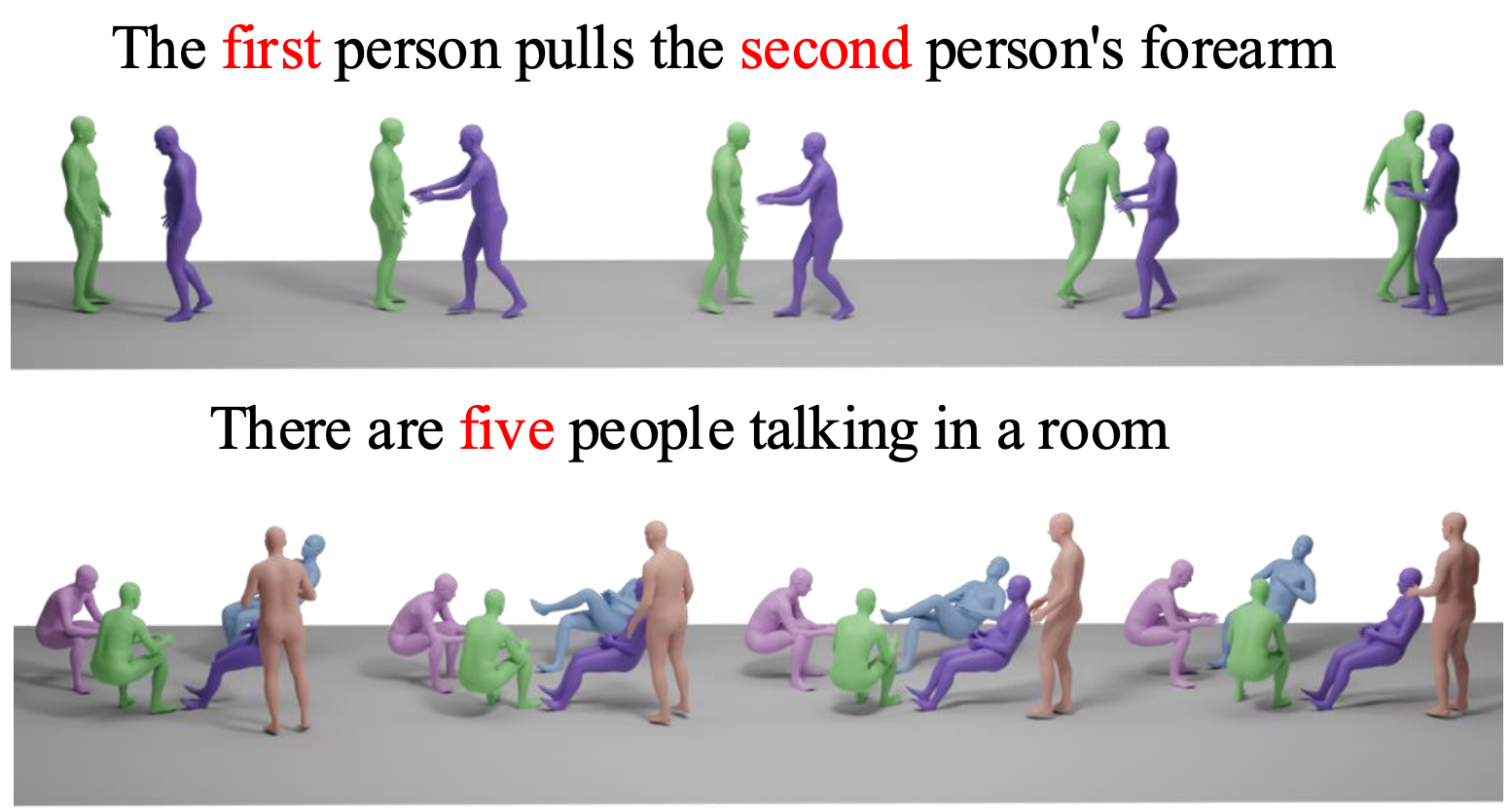
SocialGen: Modeling Multi-Human Social Interaction with Language Models
The first unified motion-language model capable of modeling interaction behaviors among varying numbers of individuals.

Repurposing 2D Diffusion Models with Gaussian Atlas for 3D Generation
2D diffusion models are also 3D content generators!
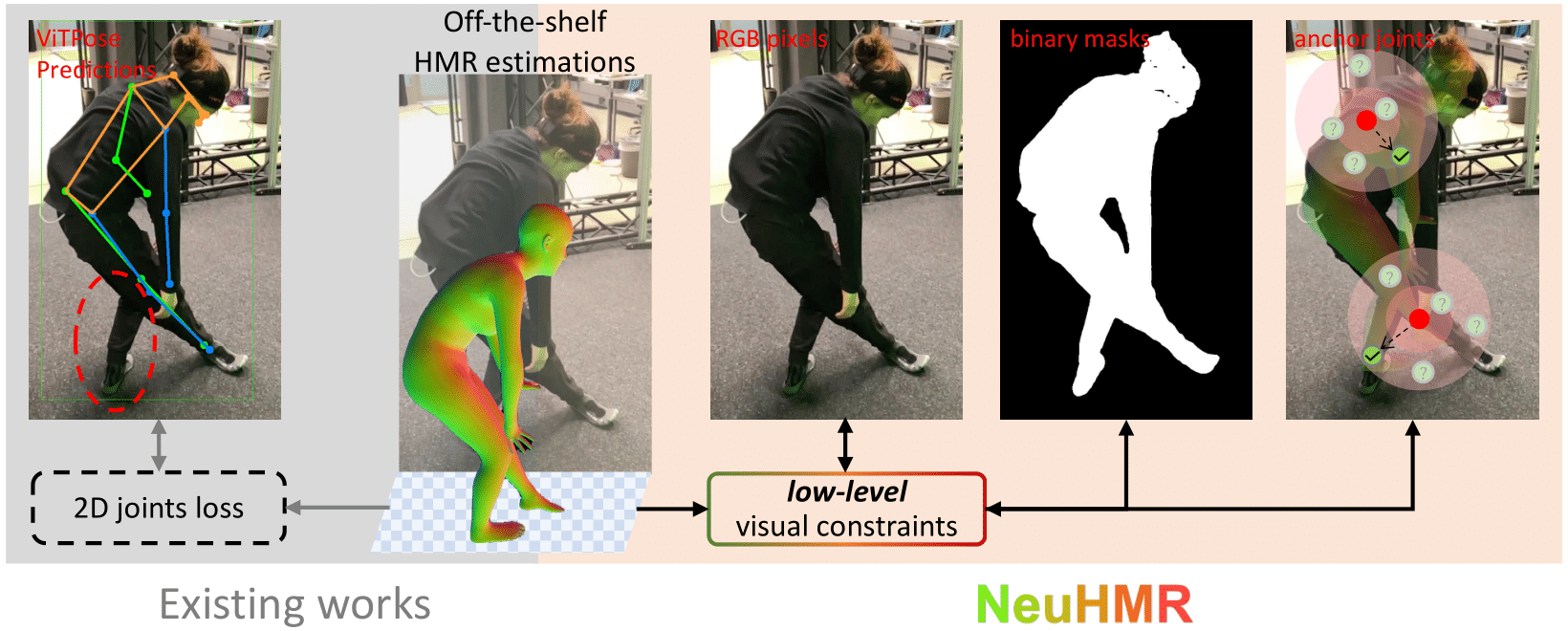
NeuHMR: Neural Rendering-Guided Human Motion Reconstruction
Human mesh recovery guided via generalizable neural rendering.
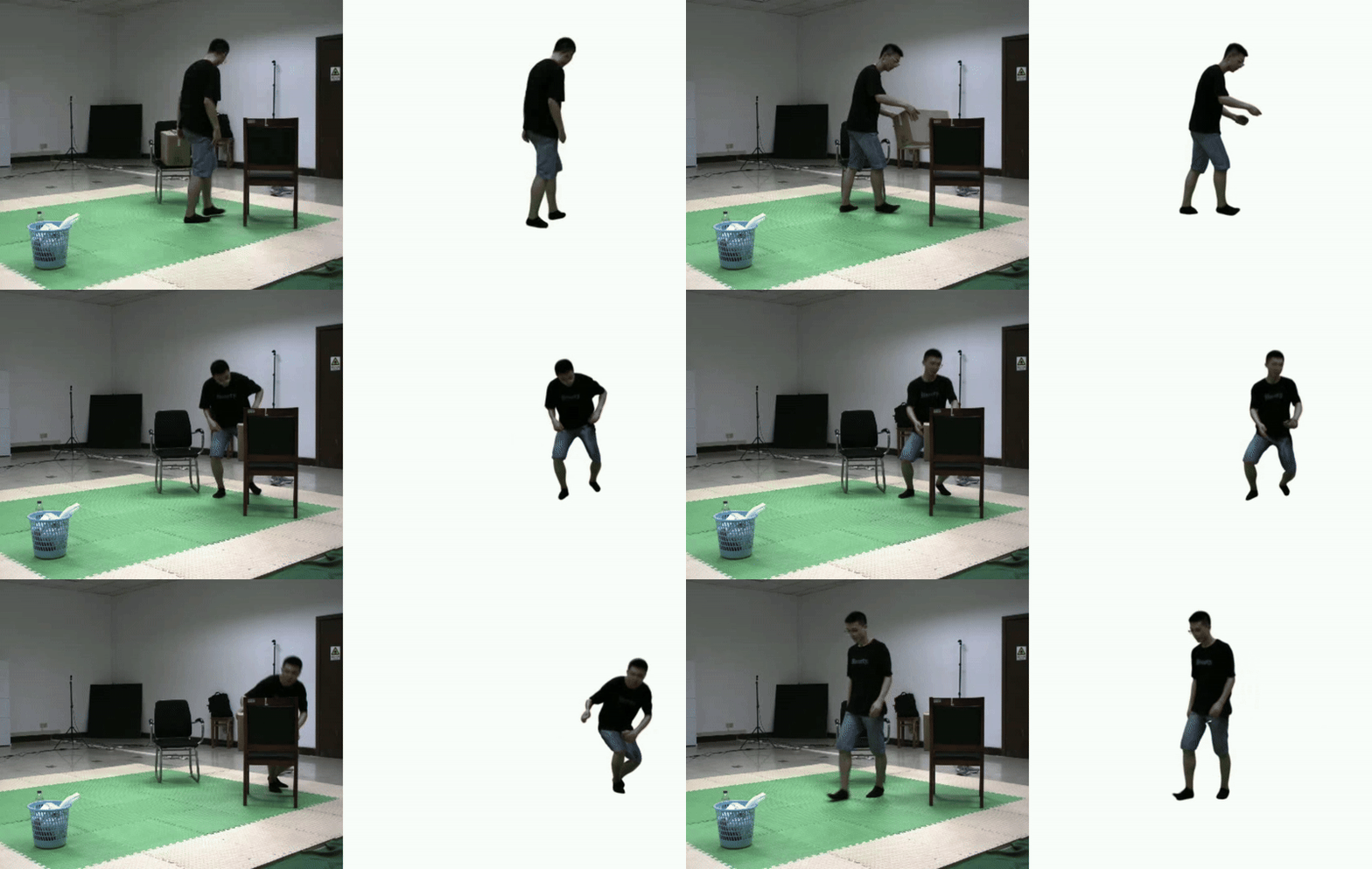
Wild2Avatar: Rendering Humans Behind Occlusions
Higher-fidelity human rendering from monocular occluded videos!
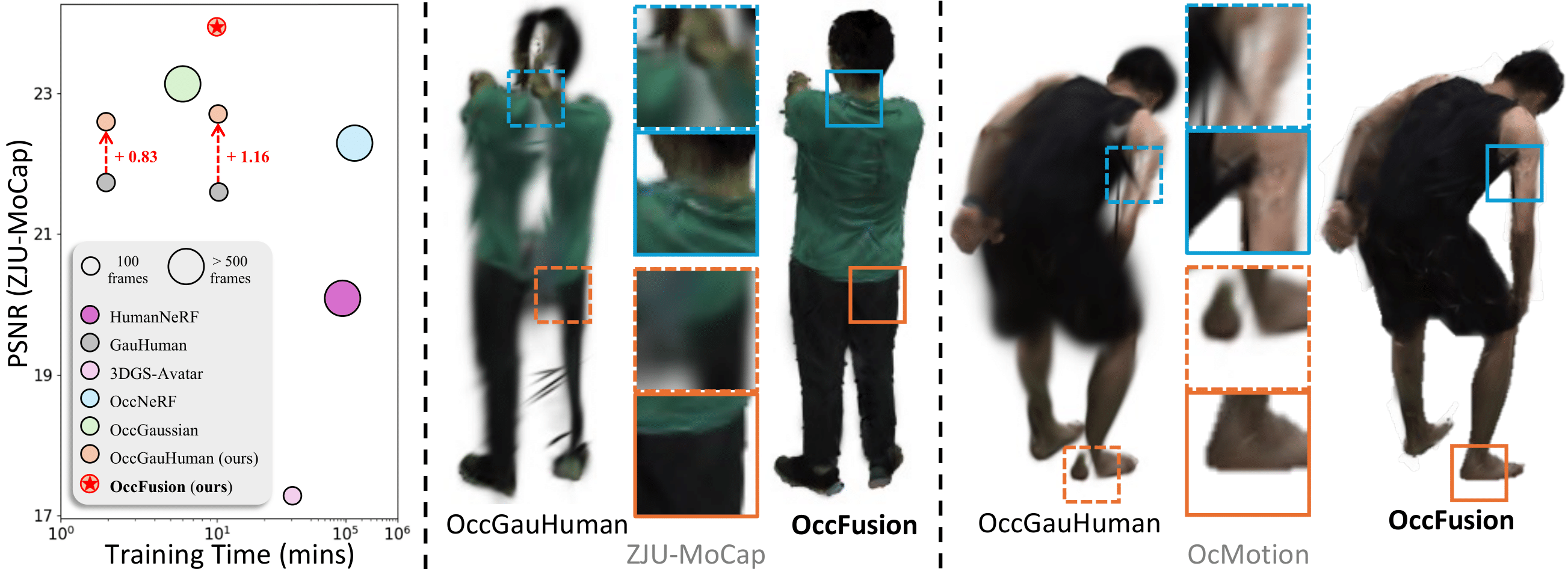
OccFusion: Rendering Occluded Humans with Generative Diffusion Priors
2D generative priors help inpaint occluded 3D humans.
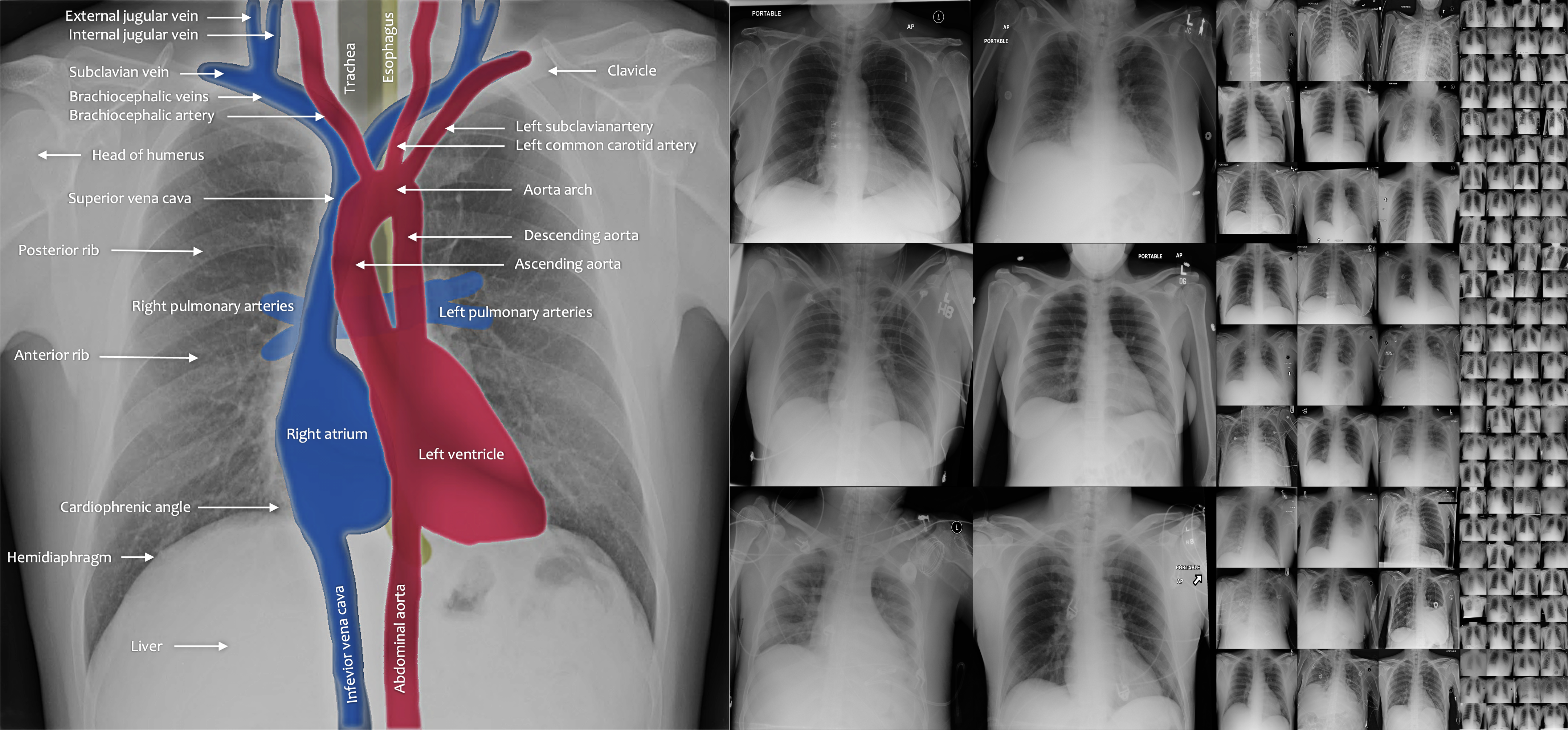
Exploiting Structural Consistency of Chest
Anatomy for Unsupervised Anomaly Detection
in Radiography Images
A faster and stronger network for chest X-ray anomaly detection.
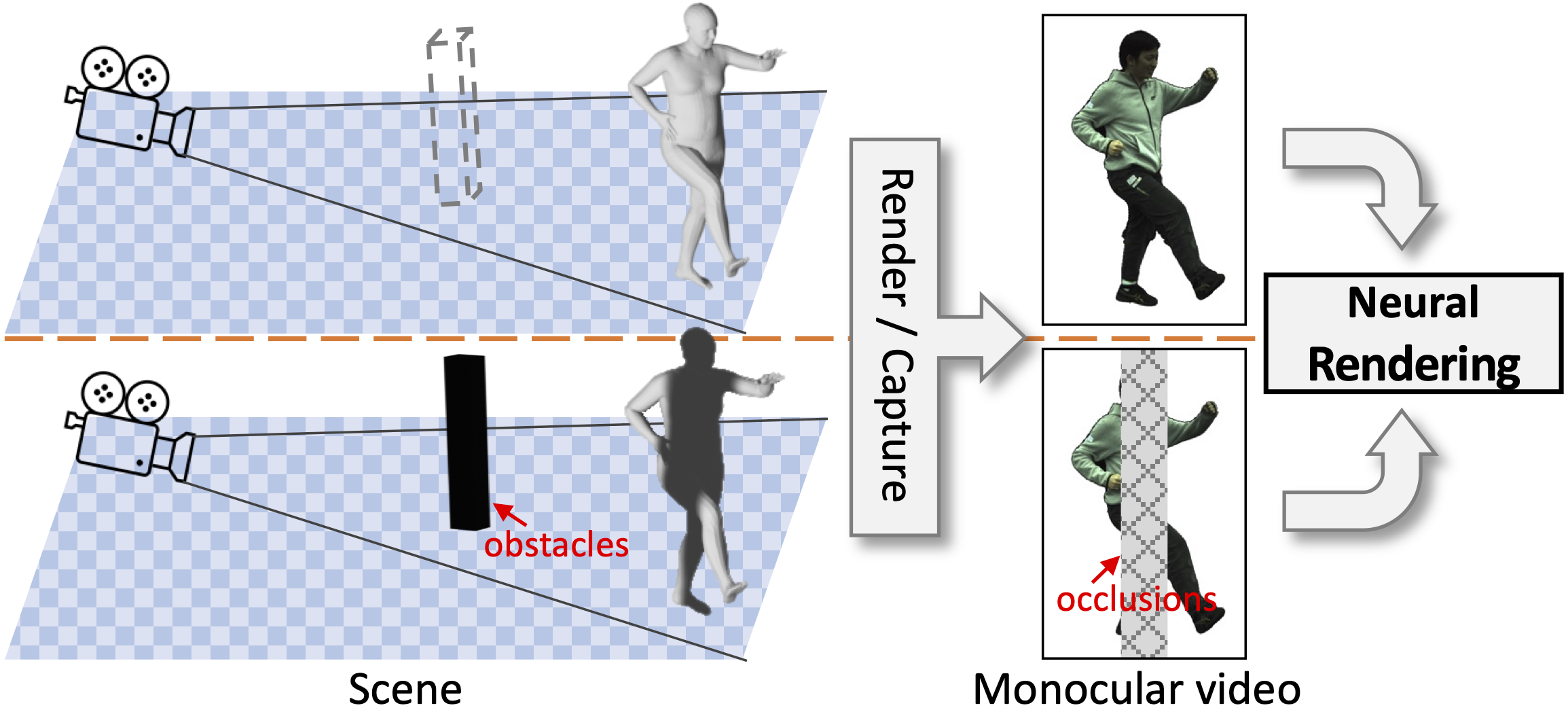
Rendering Humans from Object-Occluded Monocular Videos
We rendered human from object occluded videos.
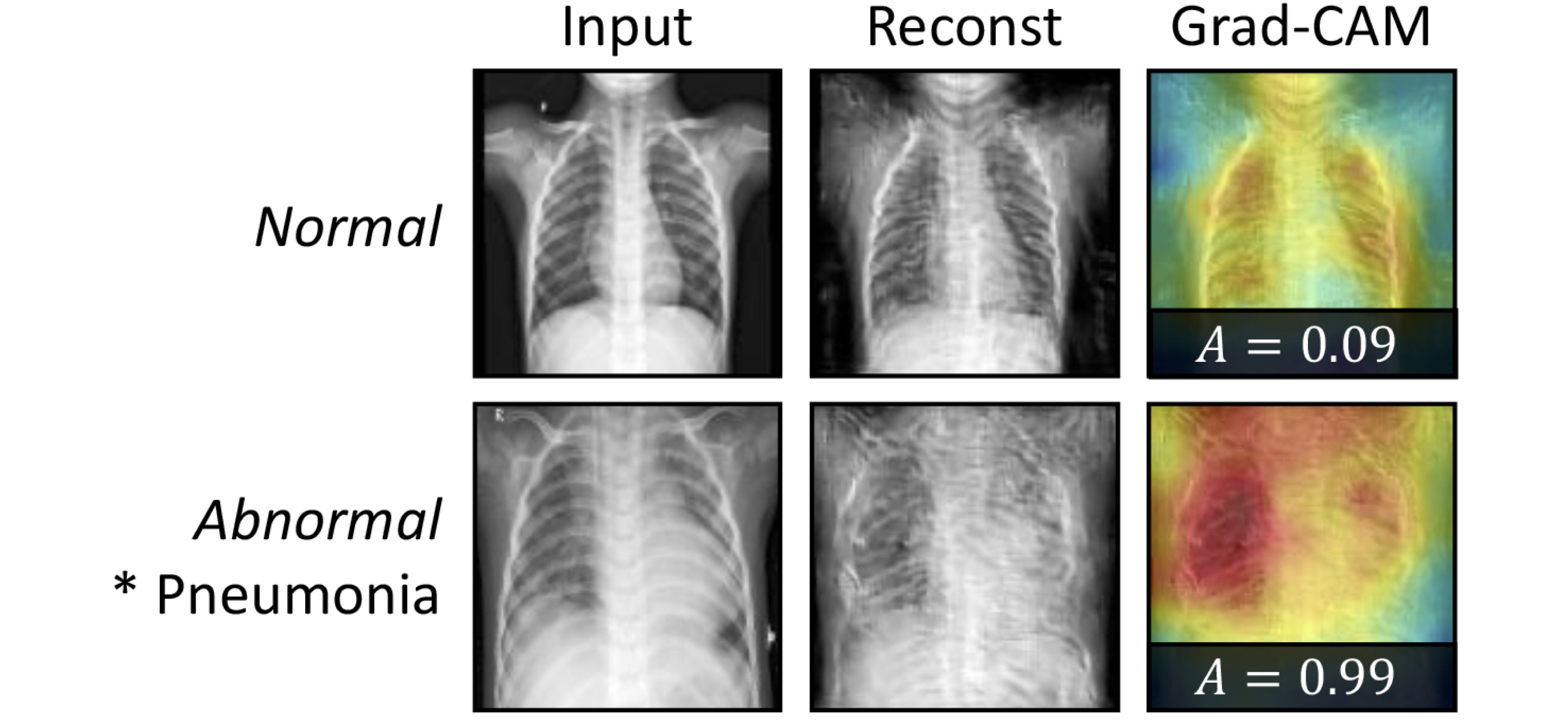
SQUID: Deep Feature In-Painting for Unsupervised Anomaly Detection
We re-formulated unsupervised anomaly detection as semantic-sapce in-painting.
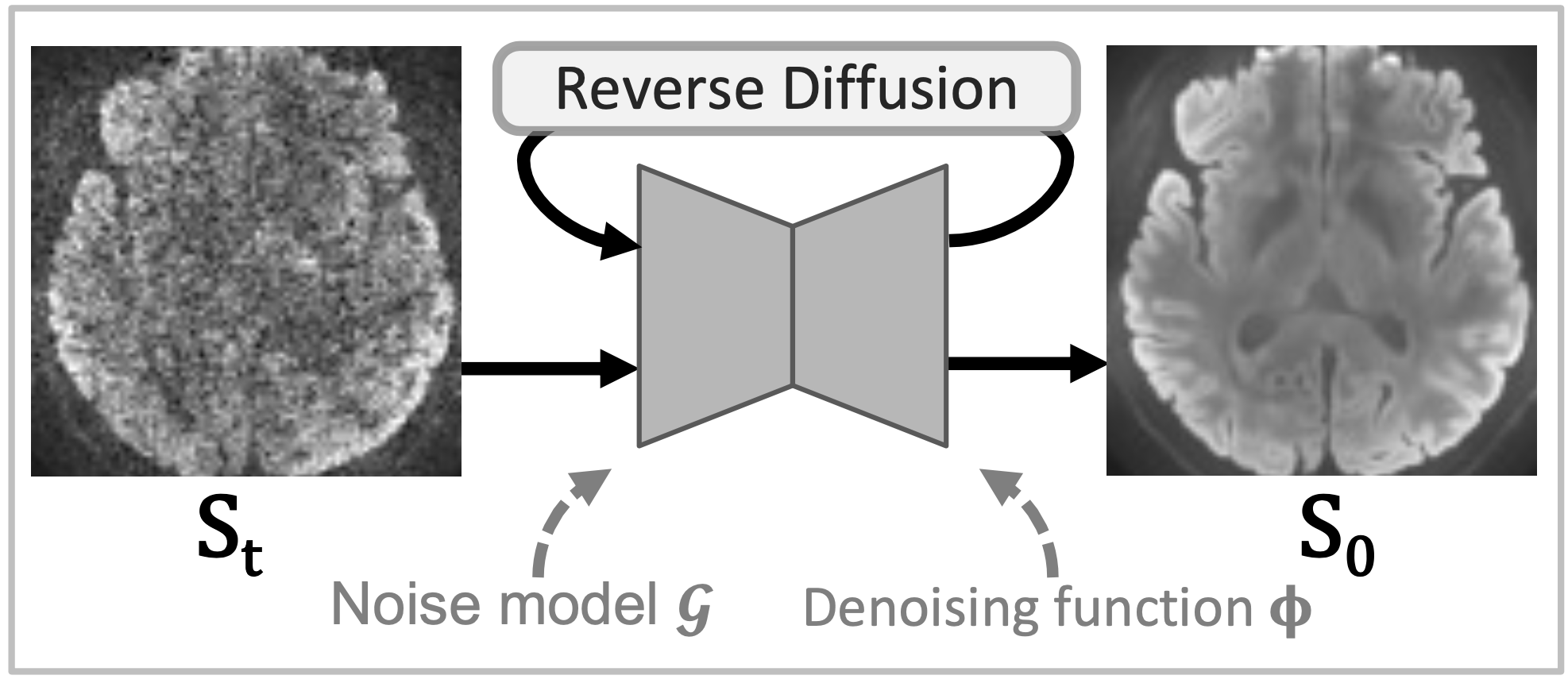
DDM2: Self-Supervised Diffusion MRI Denoising with Generative Diffusion Models
We achieved self-supervised MRI denoising through generative diffusion models.
Towards Bi-directional Skip Connections in Encoder-Decoder Architectures and Beyond
An efficient and light-weight encoder-decoder network with SOTA performances.
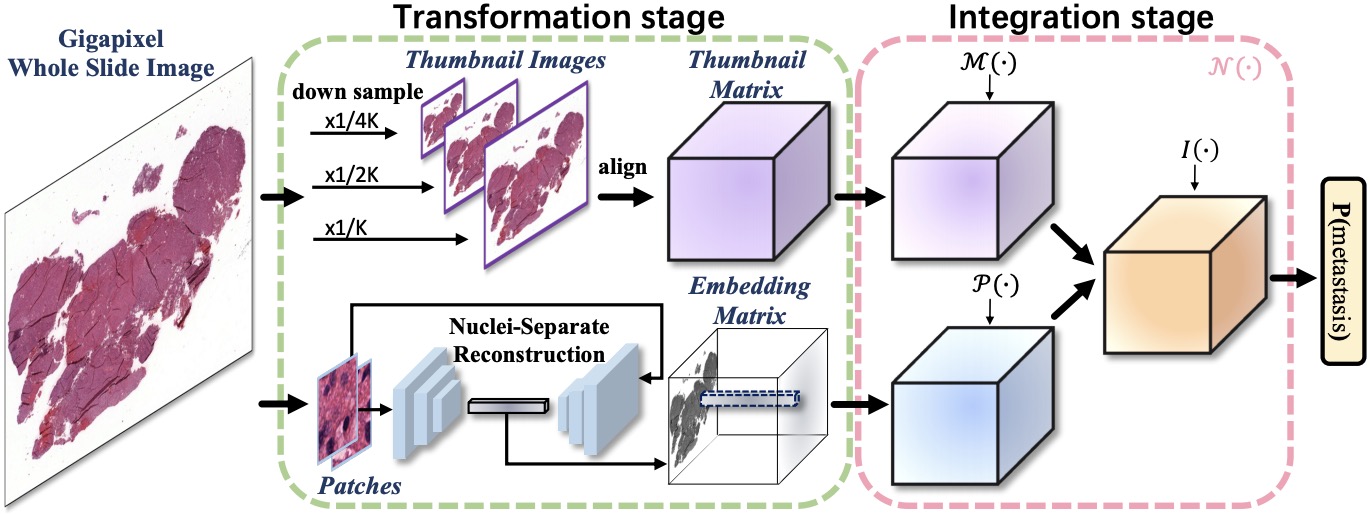
DSNet: A Weakly-Supervised Dual-Stream Framework for Effective Gigapixel Pathology Image Analysis
We proposed to combine global-local clues for weakly-supervised WSI analysis.
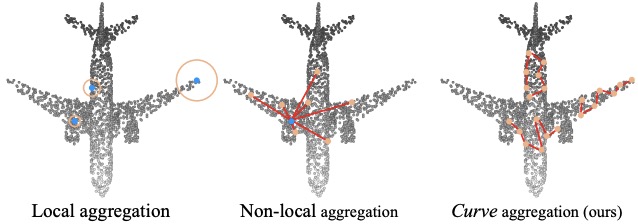
Walk in the Cloud: Learning Curves for Point Clouds Shape Analysis
We proposed a geometry-aware feature aggregation operator for point cloud analysis.
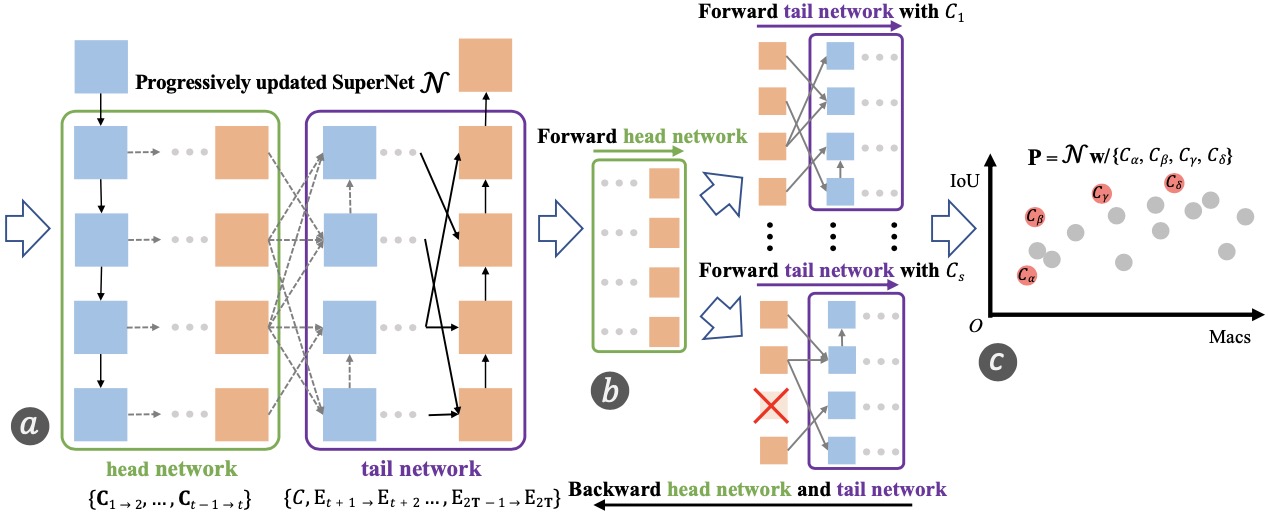
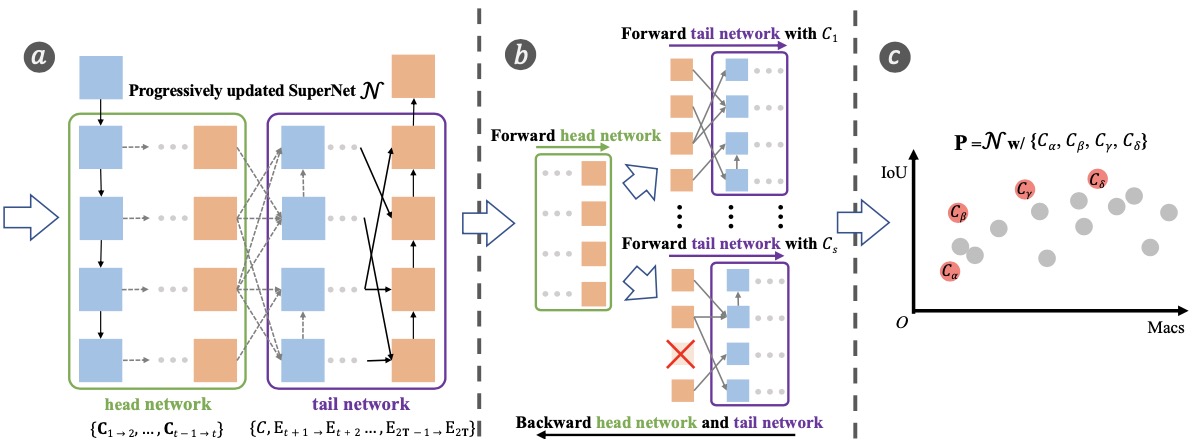
BiX-NAS: Searching Efficient Bi-directional Architectures for Medical Image Segmentation
We proposed a NAS method to search efficient bi-directional architectures.
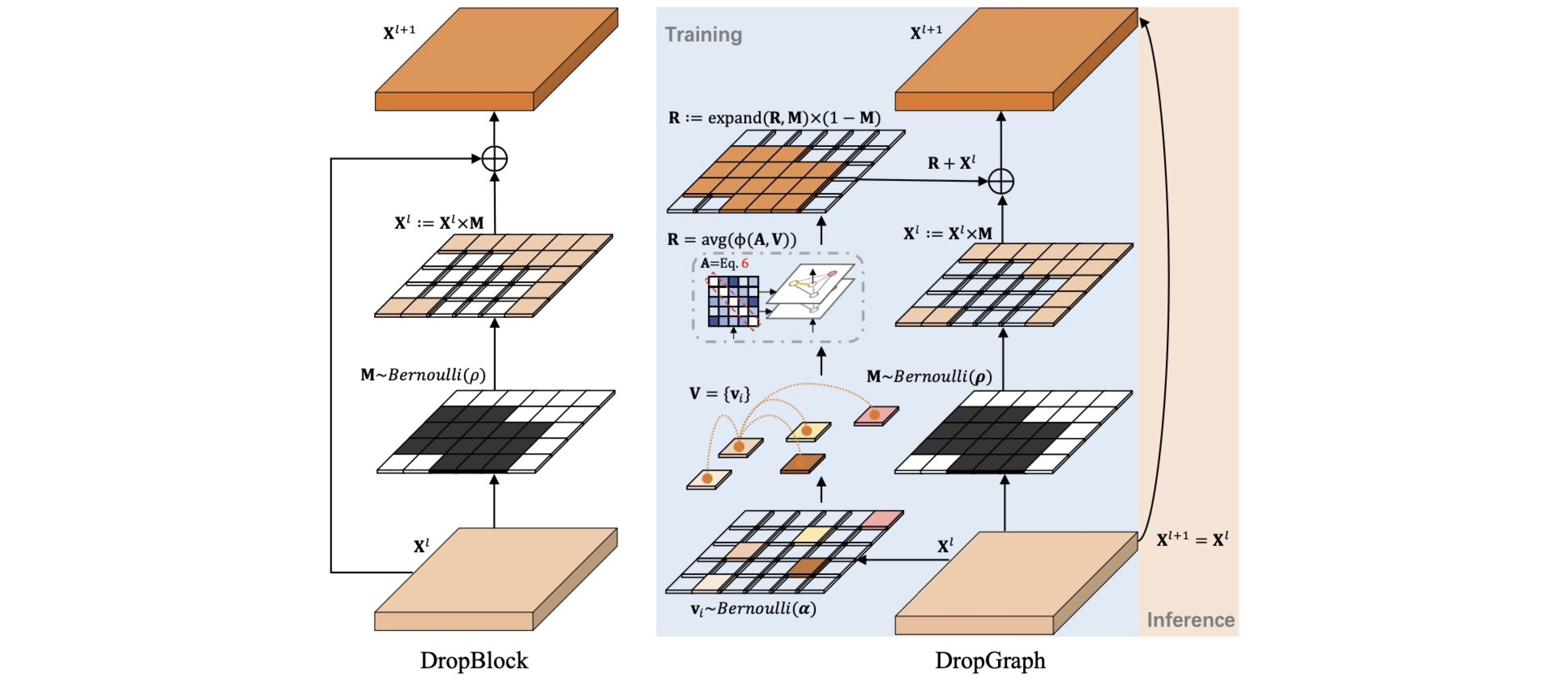
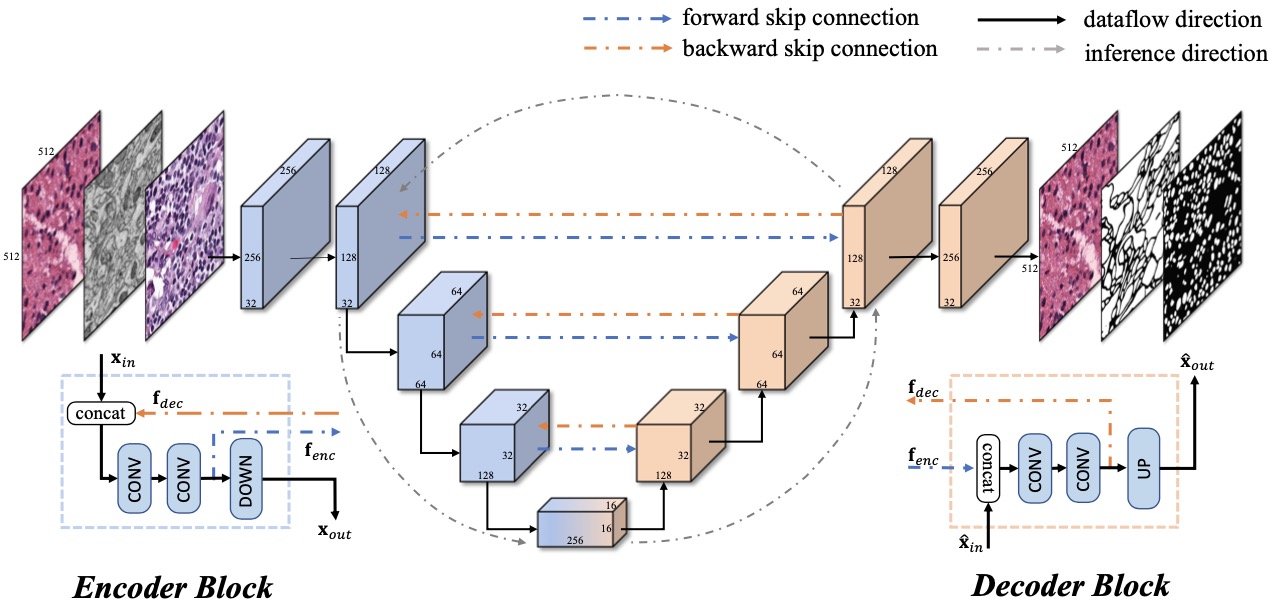
BiO-Net: Learning Recurrent Bidirectional Connections for Encoder-Decoder Architecture
We proposed bi-directional skip connections in the encoder-decoder architecture.
Education
Ph.D. Student in Computer Science
Palo Alto, CA, U.S.
M.S. in Computer Science (petition during Ph.D.)
Palo Alto, CA, U.S.
B.S. in Computer Science and Technology (Advanced) (Honours)
Sydney, NSW, Australia
Service
Leading organizer:
QuantiPhy Challenge @ NeurIPS 2026
GenAI4Health Workshop @ NeurIPS 2025
Area chair:
NeurIPS 2026
Conference reviewer:
CVPR, ICCV, ECCV, ICLR, ICML, NeurIPS, SIGGRAPH, MICCAI, WACV, AAAI, AISTATS, KDD
Jounral reviewer:
IEEE TPAMI, IEEE TIP, IEEE TMI, IEEE IV, Neurocomputing, Scientific Reports
Course instructor:
CS 231n (Stanford, Spring 2026)
Teaching assistant:
CS 231n (Stanford, 2025 & 2024 & 2023), COMP 3419 (USYD, Fall 2019)