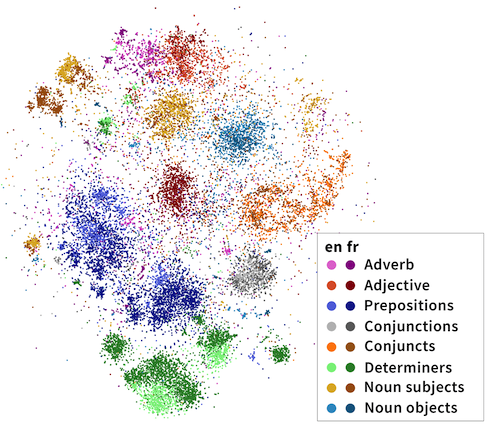
Large neural language models such as BERT have seen surprising success with multilingual pre-training on a large number of languages. We demonstrate that Multilingual BERT learns cross-lingual syntax, visualizing its inherent structure.
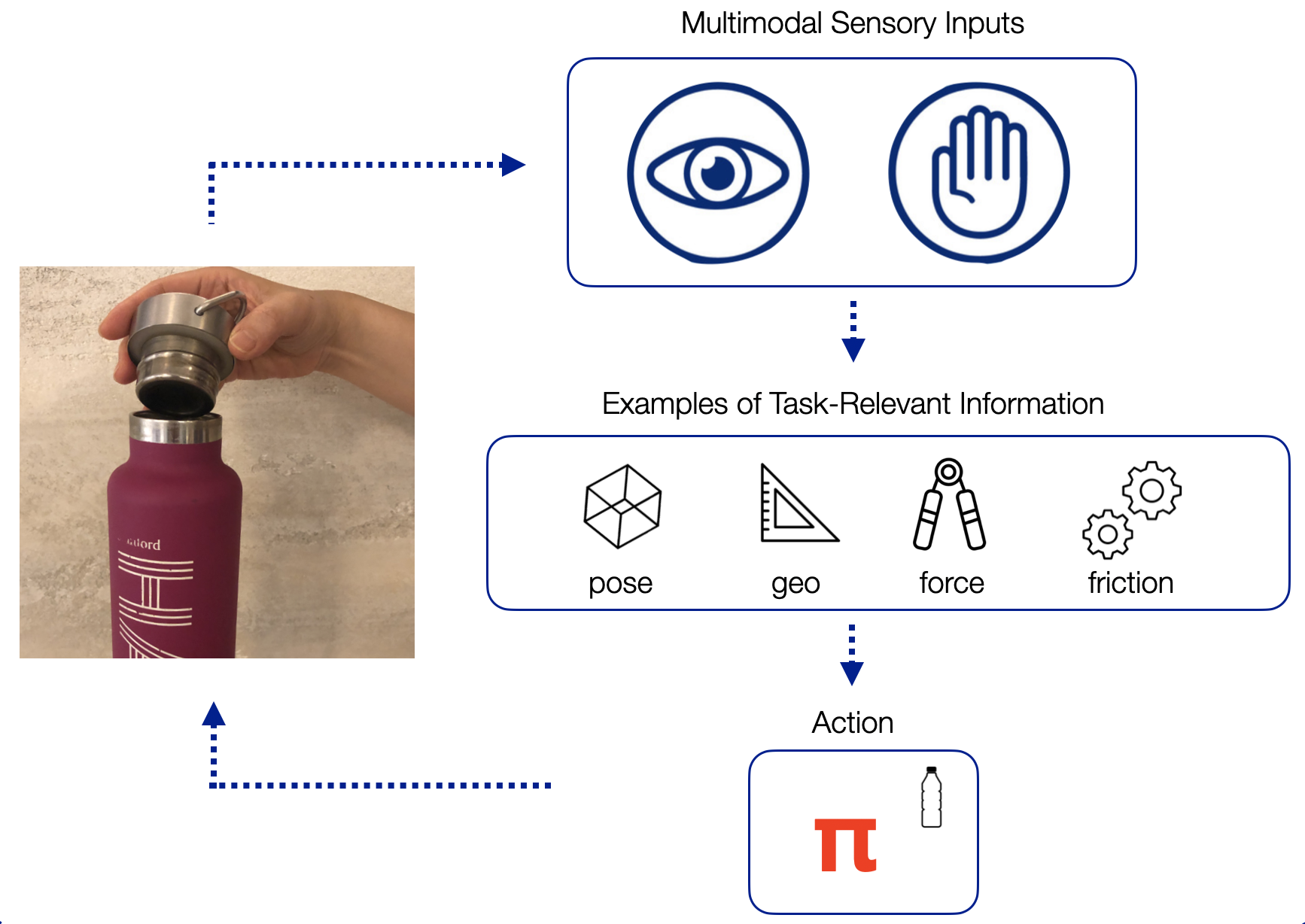
Contact-rich manipulation tasks in unstructured environments often require both tactile and visual feedback. In this blog post, we introduce how to use self-supervision to learn a compact and multimodal representation of vision and touch.
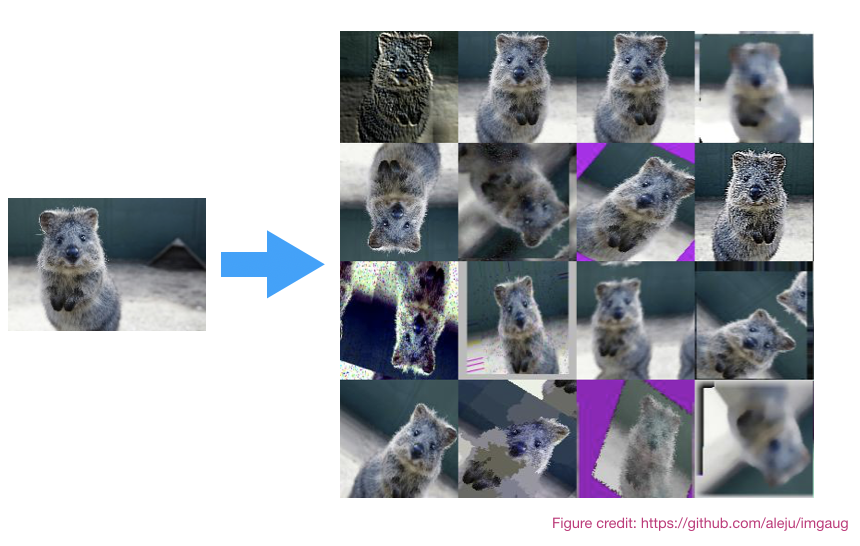
Data augmentation is a de facto technique used in nearly every state-of-the-art machine learning model. In this blog post, we provide an overview of recent work on the practice, theory and new direction of data augmentation research.
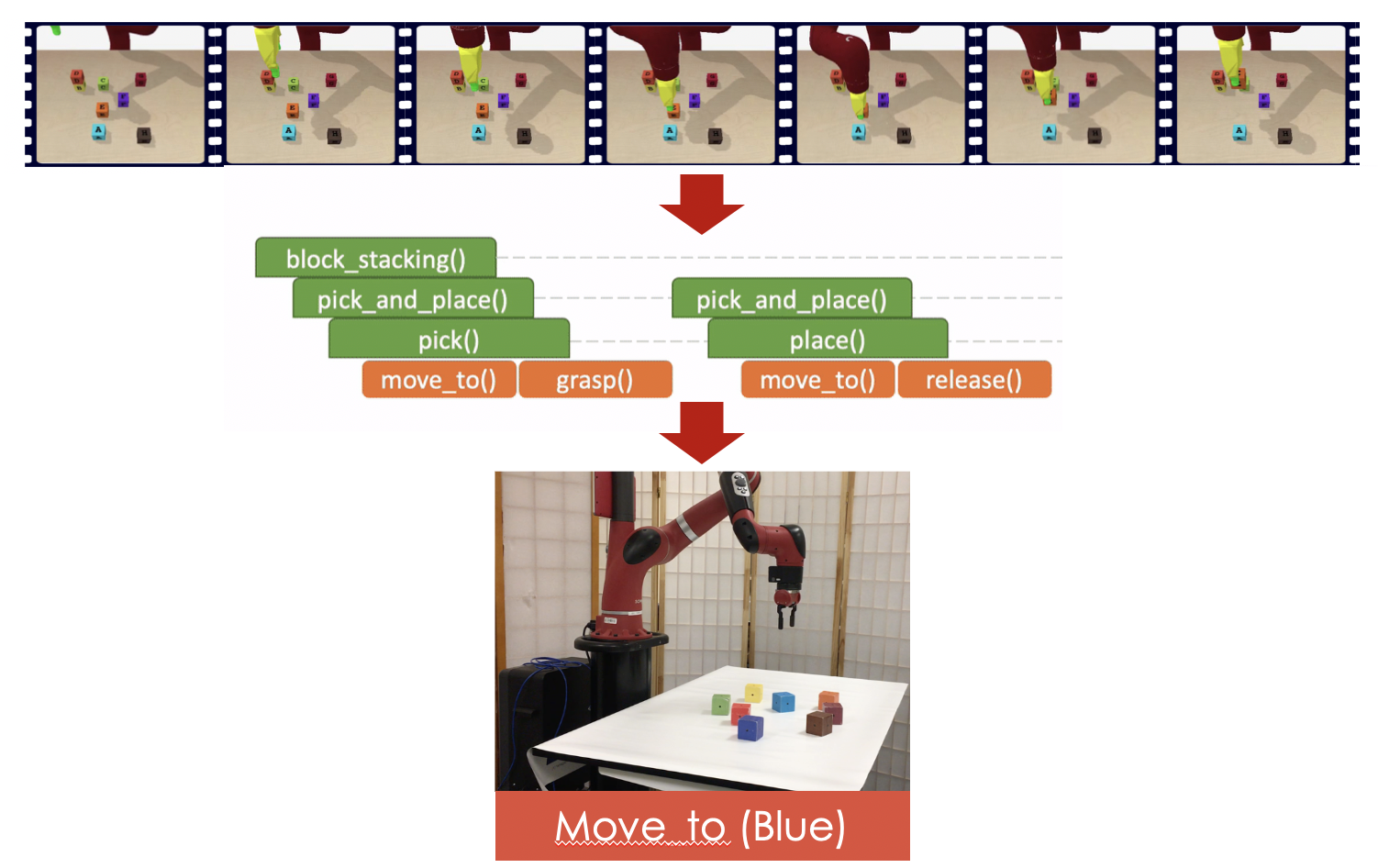
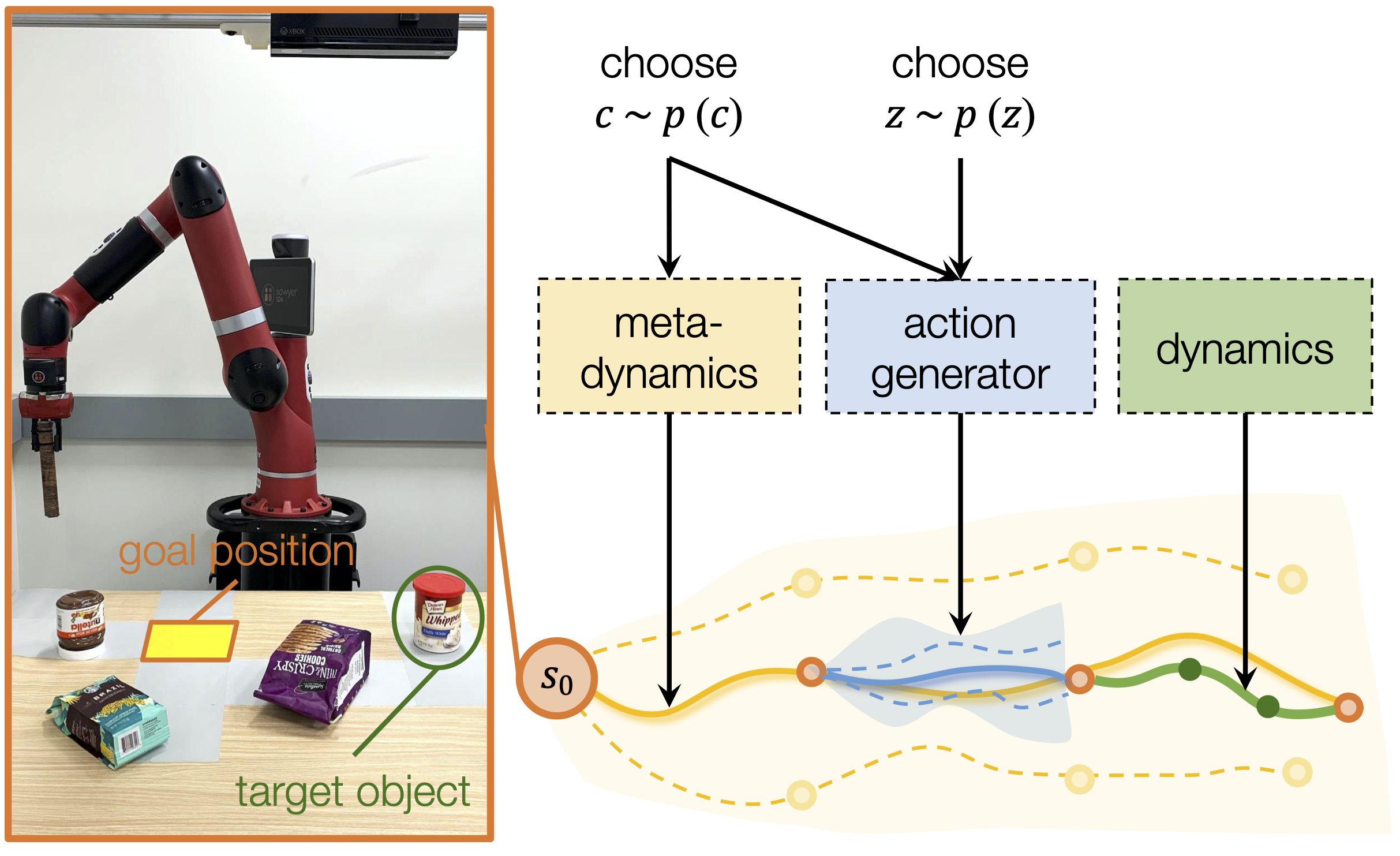
We propose a hierarchical planning algorithm in learned latent spaces. Our method uses deep generative models to prioritize promising actions for sampling-based planning.
Replacing static vectors with contextualized word representations has led to significant improvements on virtually every NLP task. In this blog post we study the geometric properties of contextualized word representations and find surprising conclusions.
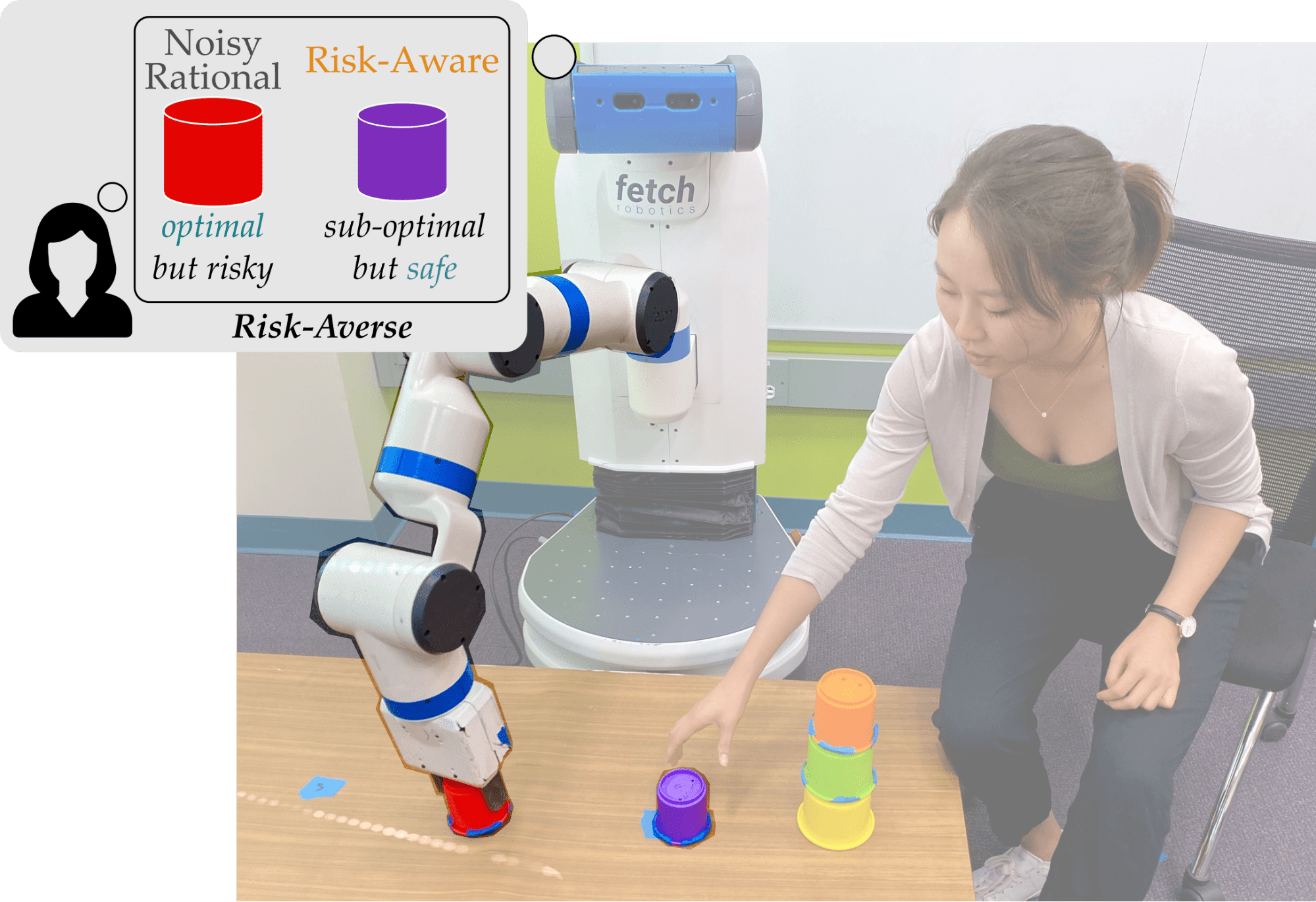
To create human-like robots, we need to understand how humans behave. We present a modeling approach enables robots to anticipate that humans will make suboptimal choices when risk and uncertainty are involved.